unwanted pets in London · LONDON
Silverfish Bites. Dangers, Symptoms & Treatment
Al JoelAl Joel is a practical writer and long-term property maintenance specialist focused on real-world pest control, home safety and prevention advice. His guides translate common warning signs into clear next steps for homeowners, tenants, landlords and property…
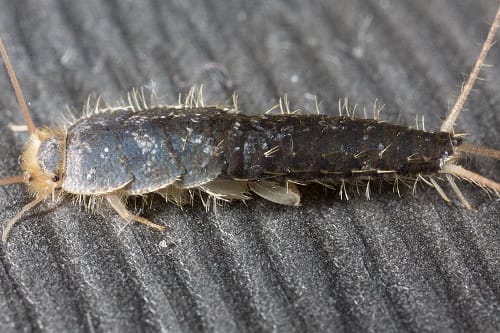
Silverfish Bites – Dangers, Symptoms & Treatment
Silverfish are commonly found in damp, humid areas such as bathrooms, kitchens, and basements. While they are often considered harmless, many people are concerned about whether they can bite humans or cause health issues.
In reality, silverfish are not known to bite people in normal conditions. However, their presence can still be a sign of underlying moisture problems and may lead to damage to items such as paper, fabrics, and stored belongings.
This guide explains the facts about silverfish, including whether they bite, what risks they may pose, and how to deal with them effectively.
- Do silverfish actually bite humans
- Potential risks and common misconceptions
- Where silverfish are typically found
- How to reduce and prevent infestations
Understanding how silverfish behave helps you focus on practical solutions, rather than unnecessary concern about bites, while still addressing the root of the problem.
Do Silverfish Bite People?
Silverfish rarely bite humans. Their mouthparts are designed for scraping and chewing tiny particles, not for piercing skin. This is why most pest experts agree that bites are extremely uncommon.
In many cases, bed bug bites or allergic skin reactions are mistakenly attributed to silverfish. Silverfish are shy insects and will usually flee rather than defend themselves.
The few reported bites typically occur at night, when a person is asleep and accidentally comes into contact with the insect. Even in these cases, the reaction is usually mild and short-lived.
Are Silverfish Harmful? How Dangerous Are They?
From a medical standpoint, silverfish are not considered dangerous. People who report being bitten often describe sensations similar to ant bites or mild stings, usually followed by brief itching or redness.
Reported experiences include:
-
Sharp, short-lived stinging sensations
-
Small red marks or patches
-
Mild itching lasting less than a day
No serious complications have been reliably linked to silverfish bites. That said, a silverfish infestation should not be ignored, as population growth can make control far more difficult over time.
Silverfish Bite Symptoms
Most people will not notice any symptoms at all. When symptoms do occur, they are usually mild and temporary.
Commonly reported silverfish bite symptoms include:
-
Small red or linear marks on the skin
-
Mild itching
-
Brief sharp pain similar to an ant bite
-
Localised redness
-
Occasional respiratory irritation in sensitive individuals
Because these symptoms overlap with reactions from other insects or allergens, it can be difficult to confirm silverfish as the cause without seeing the insect.
Do Silverfish Cause Allergies?
Yes, silverfish can trigger allergic reactions, particularly in people with existing sensitivities. The main allergen associated with silverfish is tropomyosin, which is also found in shellfish such as shrimp.
Allergic reactions may be triggered by:
-
Direct contact with silverfish
-
Inhaling shed skin particles
-
Exposure to silverfish droppings
Possible reactions include allergic rhinitis, asthma symptoms, and nasal inflammation, especially in children or people with respiratory conditions.
If allergies are present, professional silverfish extermination is strongly recommended.
How to Prevent Allergic Reactions to Silverfish
Silverfish can live for up to 8 years, shedding their skin repeatedly. These microscopic particles can mix with household dust and circulate through the air.
To reduce allergic risks:
-
Remove cardboard boxes, paper piles, and unused clothing
-
Vacuum and dust regularly
-
Reduce indoor humidity
-
Store food in sealed plastic or metal containers
-
Fix leaks and condensation issues
If these measures are not enough, Panther Pest Control provides professional silverfish treatment designed to eliminate both insects and allergen sources safely and effectively.
What Attracts Silverfish to Your Home
Silverfish thrive in specific indoor conditions. The most common silverfish attractants include:
-
High humidity (above 75%)
-
Warm, dark spaces
-
Cardboard and paper products
-
Books and stored documents
-
Glue and insulation materials
-
Leaky pipes and condensation
-
Sugary foods and starches
-
Cracks and crevices used for egg-laying
Reducing moisture and clutter is one of the most effective long-term prevention strategies.
Silverfish Treatment and Control
Ignoring a silverfish infestation allows populations to grow quietly and spread throughout the property. Early action is always easier and more cost-effective.
Panther Pest Control offers safe, targeted silverfish extermination treatments, addressing both the insects and the environmental factors that attract them. Professional treatment ensures long-term results without unnecessary chemical exposure.
Final Advice
Silverfish bites are rare and usually harmless, but infestations and allergies should not be ignored. If silverfish activity persists or symptoms become concerning, professional pest control is the safest solution.
For expert advice or immediate treatment, Panther Pest Control is ready to help.
Gallery:

Read More:
- Pantry Pests in UK Homes: How to Find and Remove Stored Food Insects
- Pest Control in Rented Property: Landlord or Tenant Responsibility in the UK?
- Signs of Woodworm in UK Homes: Identification, Treatment and Prevention
- How to Get Rid of a Wasp Nest Safely: UK and London Expert Guide
- Rats in the Garden UK: How to Remove Them Safely and Stop Them Returning

Al Joel is a practical writer and long-term property maintenance specialist focused on real-world pest control, home safety and prevention advice. His guides translate common warning signs into clear next steps for homeowners, tenants, landlords and property managers.
His approach begins with correct identification. A sighting in one room may originate from a neighbouring flat, service riser, drainage, roof space, delivery or communal waste area. Al explains how to preserve useful evidence, reduce food and water sources, avoid spreading activity and choose proportionate treatment.
What readers can expect
- Clear identification clues and practical inspection steps
- Safe preparation, cleaning and aftercare guidance
- Prevention advice for homes, flats and commercial premises
- Honest guidance on when DIY is reasonable and when professional help is the smarter option
When professional help makes sense
Repeated sightings, activity in several rooms, uncertain identification, vulnerable occupants or signs involving food, electrics and shared building routes deserve a professional inspection. A lasting solution normally combines targeted treatment with proofing, hygiene and follow-up monitoring.
Explore the Pest Library, learn how treatment works, or request property-specific advice.