Unidentified droppings or marks
Record where and when this sign appears. Avoid disturbing useful evidence before inspection.

SPECIALIST SERVICE · LONDON RESPONSE
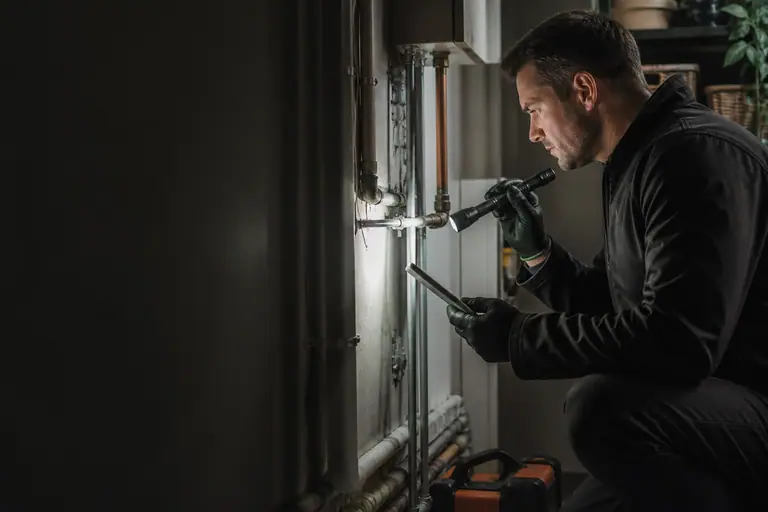
A structured pest inspection turns uncertain sightings or damage into an evidence-led plan for control, proofing and monitoring.
CASE TYPE / SPECIALIST SERVICES
Inspect the evidence.FIELD SIGNALS
Record where and when this sign appears. Avoid disturbing useful evidence before inspection.
Record where and when this sign appears. Avoid disturbing useful evidence before inspection.
Record where and when this sign appears. Avoid disturbing useful evidence before inspection.
Record where and when this sign appears. Avoid disturbing useful evidence before inspection.
INSPECTION MAP
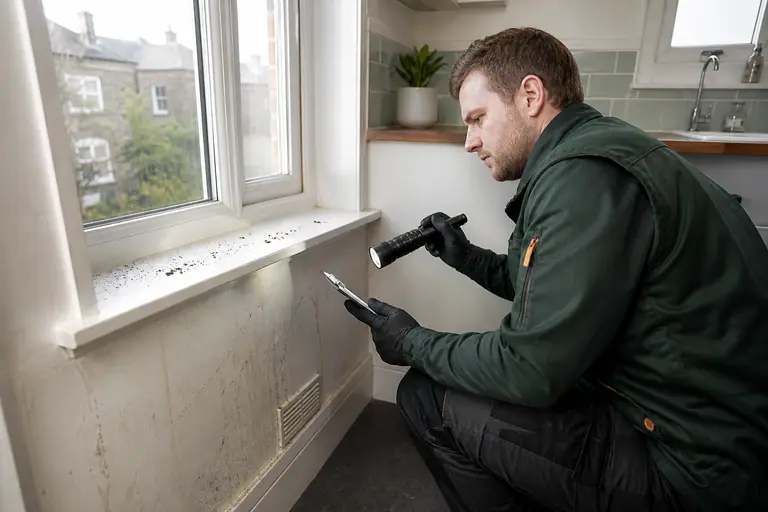
Accessible interiors and exteriors are checked for pest evidence, harbourage, food and water sources, entry points and conditions that may sustain activity.
CONTROL SEQUENCE
Review observations and inspect accessible risk areas systematically.
Interpret physical evidence and establish the likely pest and extent of activity.
Set out proportionate treatment, monitoring and prevention priorities.
THE SERVICE, EXPLAINED
An inspection turns uncertain signs into a practical decision about treatment, monitoring or another trade.
Unidentified droppings, recurring insects, night-time noise, bites or unexplained damage can have several causes. Treating from a description alone risks targeting the wrong pest or missing the condition supporting it.
Keep photographs, specimens and dated observations where safe. Note the room, time and frequency rather than cleaning every trace before the technician has seen the evidence.
The technician follows evidence through accessible risk areas and connected routes.
Depending on the report, the survey can include kitchens, cupboards, bedrooms, loft access, service penetrations, external edges, waste areas and accessible drains or subfloors. Food, moisture and harbourage are considered alongside entry points.
The scope is not destructive. Sealed walls, fixed finishes, unsafe roofs and inaccessible voids cannot be fully examined unless separate access is arranged and authorised.
Physical signs often identify the pest even when no live animal or insect appears during the visit.
Dropping size and position, gnawing, tracks, cast skins, webbing, eggs, odour and material damage are interpreted together. A single mark should not be treated as conclusive without context.
Samples or specialist identification may be recommended for very small or damaged specimens. Where the evidence points to damp, drainage or building failure rather than active pests, the report should say so clearly.
Useful findings separate immediate control from repairs and longer-term prevention.
The outcome sets out the likely pest, affected areas, evidence, access limits and proportionate next steps. Treatment may begin only where it is included in the booking and conditions allow it.
Proofing, waste changes, cleaning, drainage investigation or another contractor may be recommended in a sensible order. Closing an active route too early can sometimes trap or redirect pests.
Preserve evidence and make the relevant spaces safely accessible.
Avoid unplanned sprays, move reasonable obstructions from reported edges and provide access to cupboards, loft hatches or plant areas. Tell Panther about pets, children, alarms and any products already used.
Share landlord, managing-agent or neighbour information where activity may cross a boundary. After the visit, record new evidence against the inspection locations so progress can be reviewed accurately.
THE PANTHER METHOD
Establish the pest, the extent of activity and the routes it uses.
Reduce immediate activity and limit the chance of spread.
Apply a targeted method selected for the property and infestation.
Close the loop with follow-up measures and practical prevention.
DIRECT ANSWERS
Yes. Droppings, cast skins, damage, tracks and harbourage can help identify likely activity.
That depends on the booking and what is found; the scope should be confirmed before work begins.
Keep evidence in place where safe, note recent sightings and make cupboards, loft hatches or affected rooms accessible.
The survey covers accessible areas. Fixed finishes or unsafe spaces may limit inspection and will be noted.