All Pest Control · LONDON
Pest Control in Rented Property: Landlord or Tenant Responsibility in the UK?
When mice appear in a rented London flat, the first argument is often about the invoice rather than the entry point. “Landlord or tenant?” has no universal one-line answer. Responsibility depends on the cause, the condition at the…
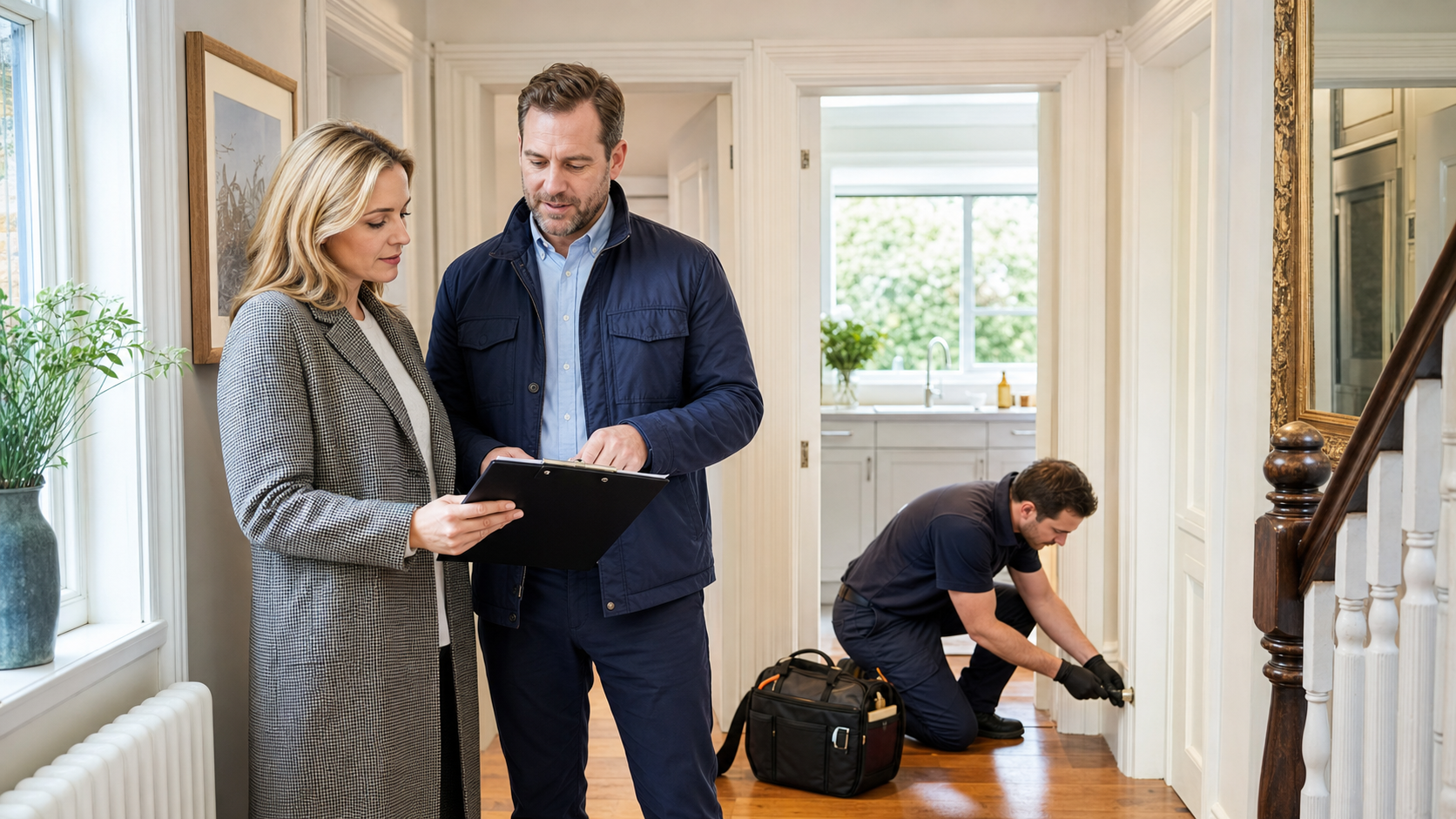
When mice appear in a rented London flat, the first argument is often about the invoice rather than the entry point. “Landlord or tenant?” has no universal one-line answer. Responsibility depends on the cause, the condition at the start of the tenancy, repair duties, the tenancy agreement, the occupier’s conduct and whether the infestation affects common parts or several homes. This practical guide explains how tenants, landlords and agents should respond, document evidence and restore a safe property without delaying urgent control.
Key Takeaways
- Report pests promptly in writing and preserve dated evidence.
- Landlords are generally responsible where structural disrepair, defective drains or pre-existing infestation is the cause.
- Tenants may be responsible where their actions or failure to manage waste directly caused the problem.
- The tenancy clause is relevant but cannot remove statutory repairing and safety duties.
- A professional pest inspection can identify likely causes and provide an evidence trail.
Table of Contents
- The Short Answer: Responsibility Follows the Cause
- Legal Framework in England
- What Tenants Should Do
- What Landlords and Letting Agents Should Do
- Common Scenarios and Who Usually Acts
- Evidence That Resolves Disputes
- When to Contact the Council or Seek Advice
- HMOs, Flats and Communal Areas
- Who Pays the Pest Control Bill?
- A 48-Hour Response Plan
- London Examples
- Frequently Asked Questions
- Related Articles
The Short Answer: Responsibility Follows the Cause
A landlord must keep rented property safe and address repair defects within their legal responsibility. If rats enter through a broken drain, mice use unrepaired holes around services, or pests were present when the tenant moved in, the landlord will usually need to organise the repair and control. In blocks, the freeholder or manager may control the external fabric, refuse room and communal pipework.
A tenant must take reasonable care of the home. Where accumulated food waste, unmanaged pet feed or conduct unique to the tenancy directly creates the infestation, the tenant may bear responsibility. Evidence matters: a few crumbs do not prove causation, and an old structural route does not become the tenant’s fault because the pest is first seen during the tenancy.
Many cases are shared. The landlord repairs entry points and the tenant follows preparation, laundry, waste and access instructions. Arguing over blame while mice breed in a kitchen or bed bugs move between HMO rooms increases the final cost.
Legal Framework in England
Under the Landlord and Tenant Act 1985, landlords have repairing obligations for the structure and exterior and installations for water, sanitation, heating and related services. The Homes (Fitness for Human Habitation) Act 2018 requires relevant rented homes to be fit; serious pest hazards can be part of that assessment. Duties depend on facts and legal status, so this guide is practical information, not individual legal advice.
Councils assess housing hazards through the Housing Health and Safety Rating System. Domestic hygiene, pests and refuse is one of the hazard areas. Where a serious hazard exists, the local authority can inspect and may take enforcement action. GOV.UK states that landlords must keep rented properties safe and free from health hazards.
The tenancy agreement can allocate everyday duties, but an unfair or broad clause does not automatically override statute. Commercial leases operate differently and often place wider repair and pest-management duties on the business tenant, so check the lease and obtain advice.
What Tenants Should Do
Report the issue to the landlord or agent as soon as evidence appears. Use email or the repair portal and include photographs, dates, rooms affected, sightings before move-in, neighbours with similar reports and any visible defects. Keep the reference number. A telephone call can start the response, but written confirmation protects both sides.
Do not commission major proofing, lift floors or apply pesticides without agreement unless an emergency requires immediate safety action. Avoid scattering bait or moving infested furniture through common corridors. Cooperate with reasonable access, preparation and follow-up; failure to provide access can undermine treatment and increase liability.
Continue reasonable hygiene: close bins, store food securely, clean spillages and manage pet food. This does not admit fault. It removes competing food and gives treatment the best chance. Preserve specimens or droppings safely for identification.
What Landlords and Letting Agents Should Do
Acknowledge promptly, assess urgency and inspect rather than debating from photographs alone. Ask whether the issue affects children, vulnerable residents, food areas or electrical wiring. In an HMO or block, check adjacent units and common parts. One flat may be reporting a building-wide problem.
Commission a competent contractor to identify pest, extent and likely routes. Authorise access to relevant voids, drains and communal areas. Pest treatment without repair is often temporary; repair without first controlling an active population can trap animals inside. Coordinate both workstreams.
Provide written appointment, preparation and re-entry instructions in accessible language. Retain reports, product records, photographs and completion evidence. Do not tell tenants to buy poison as the default response to rats or mice in structural voids.
Common Scenarios and Who Usually Acts
Mice entering through a long-standing pipe gap: landlord repairs and normally arranges control. Rats emerging from a defective private drain: landlord or building owner investigates and repairs. Cockroaches spreading through communal risers: freeholder or managing agent coordinates block inspection. Bed bugs reported days after move-in with evidence in several rooms: landlord should investigate pre-existing activity urgently.
Fleas after a tenant’s untreated pet infestation may point to tenant responsibility, while fleas present in an empty furnished property at check-in point elsewhere. Ants entering through ordinary seasonal routes require facts; a structural crack and widespread block activity differ from an isolated food spill.
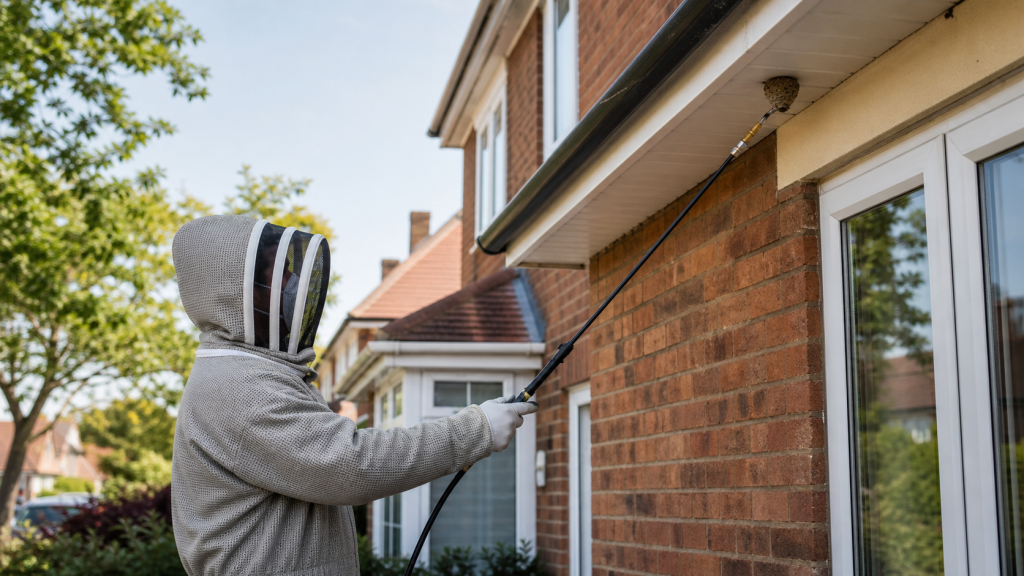
Wasps in a defective fascia, squirrels through a failed roof and woodworm in structural timber are commonly linked to building fabric controlled by the landlord or freeholder. Always check the lease or tenancy and the inspection evidence.
Evidence That Resolves Disputes
The inventory and check-in photographs establish starting condition. Repair history shows whether holes, damp or drains were previously reported. Contractor reports should distinguish observation from inference: “fresh mouse droppings beneath an unsealed communal riser” is stronger than “tenant has mice”.
Maintain a timeline of first report, acknowledgement, inspection, access offered, treatment visits, repairs and follow-up findings. Save messages and receipts. If residents deny access, record reasonable appointment offers and the operational effect.
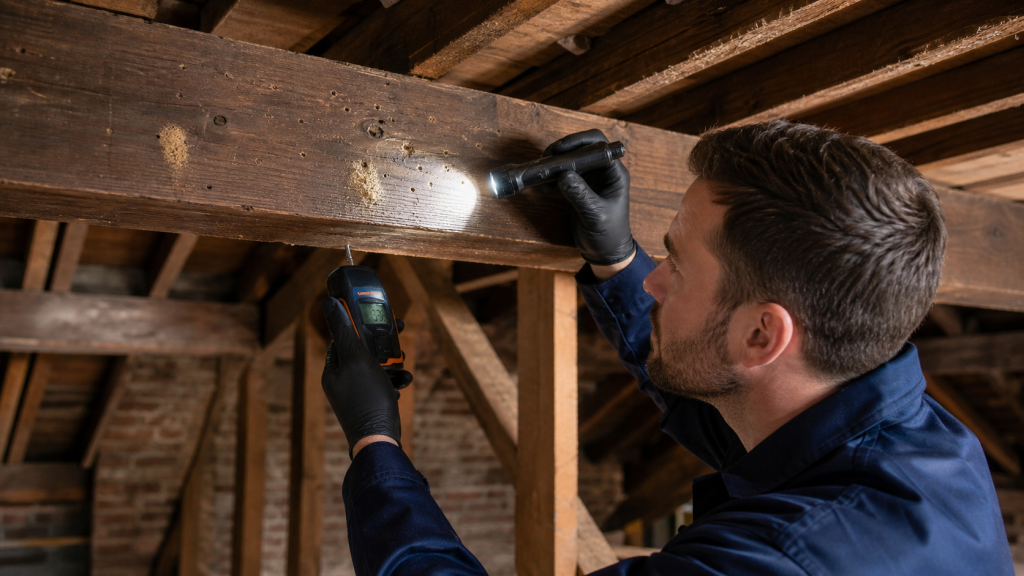
A Panther pest inspection can map entry points and activity. The technician should not decide legal liability, but objective findings help the parties allocate work sensibly.
When to Contact the Council or Seek Advice
If a landlord does not respond to a serious hazard, tenants can contact the local council’s private-sector housing or environmental health team. Borough procedures differ. Provide the written timeline and photographs. Do not withhold rent without qualified advice; GOV.UK warns tenants to keep paying agreed rent even during repair disputes.
Tenants can seek advice from Citizens Advice, Shelter or a housing solicitor. Landlords and agents should obtain professional legal advice where responsibility, access or enforcement is disputed. Emergency medical symptoms or dangerous electrics require the appropriate emergency route, not merely a pest appointment.
Council pest-control services vary: some treat certain pests at reduced cost, while others do not provide domestic treatment. Council treatment availability does not determine legal liability for the underlying defect.
HMOs, Flats and Communal Areas
In an HMO, treating only the room that complains can fail. Kitchens, bin stores, pipe risers and neighbouring bedrooms must be considered. The manager should maintain a reporting log and arrange coordinated access, particularly for cockroaches and bed bugs.
Leasehold blocks add another layer: the flat landlord may control internal finishes, while the freeholder controls structure, roofs, drains or common parts. The managing agent should identify the responsible repairing party without delaying containment.
Social landlords and councils have their own policies, but those policies sit alongside statutory duties. Residents should use the official repair process and escalate with evidence when agreed timescales are missed.
Who Pays the Pest Control Bill?
Payment should follow evidence and the legal allocation of repair or conduct. A landlord who commissions urgent work can reserve the question of recovery until the cause is established. Demanding payment before inspection may delay control and worsen building-wide damage.
If tenant conduct is well evidenced, the landlord should explain the basis, provide invoices and follow lawful recovery procedures rather than making arbitrary deductions. Deposit deductions can be challenged through the protection scheme. Fair wear, structural defects and pre-existing conditions should not be charged as tenant damage.
For landlords, a preventive pest management arrangement can be economical in HMOs and multi-site portfolios because inspections, reports and rapid call-outs create consistent evidence.
A 48-Hour Response Plan
Hour zero: photograph evidence, isolate food and report it. Within four hours, the agent triages risk and checks repair history. Within 24 hours, agree access and inspect urgent cases. Within 48 hours, issue a treatment and repair plan, including adjacent-property checks where necessary.
The plan should name who books the contractor, who provides access, what the tenant must prepare, when repairs occur and how success will be verified. For bed bugs, coordinate rooms before belongings move. For rodents, do not seal active routes blindly.
After the final visit, retain the report and add preventive work to the property maintenance schedule. Review bin capacity, drains, airbricks and service penetrations between tenancies.
London Examples
A mouse report in a Camden mansion block may trace to a shared heating riser; the managing agent must coordinate several flats. A rat in a Greenwich basement may enter from a redundant drain branch beneath an extension. A cockroach complaint in a Tower Hamlets HMO may require simultaneous kitchen and bedroom treatment.
In each case, the cheapest isolated call-out is not the cheapest solution. Access, proofing and sanitation must align across the building. Central London parking and concierge rules should be supplied when booking so technicians arrive with the correct permissions and equipment.
Discretion is important, but it should not prevent notification of residents whose cooperation is necessary. Share only operational information and follow data-protection requirements.
Inspection Checklist for a Rented Property
Inspectors should record the pest species, live and historic evidence, rooms affected, likely harbourages, food and water sources, structural openings, drain indicators, waste arrangements and activity in adjoining units. Photographs should have locations, and the report should separate confirmed facts from recommendations that need another trade. Note inaccessible areas such as sealed bath panels or occupied neighbouring flats.
The landlord or agent should then convert findings into named actions: pest contractor treats and monitors; plumber surveys the drain; builder seals the service void after control; tenant completes laundry or clears the agreed access zone; managing agent contacts adjacent leaseholders. Give each action a date. A vague instruction to “keep the flat cleaner” does not repair a hole and is not a treatment plan.
At follow-up, compare the same evidence points. Record whether droppings are fresh, monitors are active, burrows reopened or insects remain in traps. Close the case only when the agreed verification standard is met and proofing is complete. This approach protects residents, reduces repeat expenditure and gives both parties a defensible record if responsibility is later disputed.
Frequently Asked Questions
Is a landlord always responsible for pest control?
No. Responsibility depends on cause, repair duties, starting condition, tenancy terms and tenant conduct.
Can a landlord make the tenant pay?
Potentially where evidence shows the tenant caused the infestation, but statutory duties and fair recovery procedures still apply.
What if pests were present when I moved in?
Report immediately with dated evidence. A pre-existing infestation strongly points to landlord action.
Can I arrange treatment and deduct it from rent?
Do not do this without qualified advice and following the correct legal process. Keep paying rent unless advised otherwise.
Who handles pests in communal areas?
Usually the freeholder, managing agent or responsible landlord, depending on ownership and lease terms.
Does a tenancy clause settle the issue?
It is relevant but cannot automatically exclude statutory obligations or operate unfairly.
What if my landlord ignores rats?
Escalate in writing, contact the council’s housing or environmental health team and seek housing advice.
Are bed bugs the tenant’s fault?
Not automatically. They can arrive through travel, furniture or neighbouring units. Timing and inspection evidence are essential.
Related Pest Control Articles
- Pest Control for Businesses: UK Compliance
- Signs of Mice in a Kitchen
- How to Tell Neighbours You Have Bed Bugs
- Why London Properties Are Prone to Pests

Al Joel is a practical writer and long-term property maintenance specialist focused on real-world pest control, home safety and prevention advice. His guides translate common warning signs into clear next steps for homeowners, tenants, landlords and property managers.His approach begins with correct identification. A sighting in one room may originate from a neighbouring flat, service riser, drainage, roof space, delivery or communal waste area. Al explains how to preserve useful evidence, reduce food and water sources, avoid spreading activity and choose proportionate treatment.What readers can expectClear identification clues and practical inspection stepsSafe preparation, cleaning and aftercare guidancePrevention advice for homes, flats and commercial premisesHonest guidance on when DIY is reasonable and when professional help is the smarter optionWhen professional help makes senseRepeated sightings, activity in several rooms, uncertain identification, vulnerable occupants or signs involving food, electrics and shared building routes deserve a professional inspection. A lasting solution normally combines targeted treatment with proofing, hygiene and follow-up monitoring.Explore the Pest Library, learn how treatment works, or request property-specific advice.