Pest Control Advice · LONDON
How to Get Rid of Bed Bugs in the UK: A Professional London Guide
Finding a bed bug in a London bedroom is unsettling, but panic is what spreads an infestation. Carrying bedding through the property, sleeping in another room or setting off a shop-bought fogger can move insects into adjoining rooms…
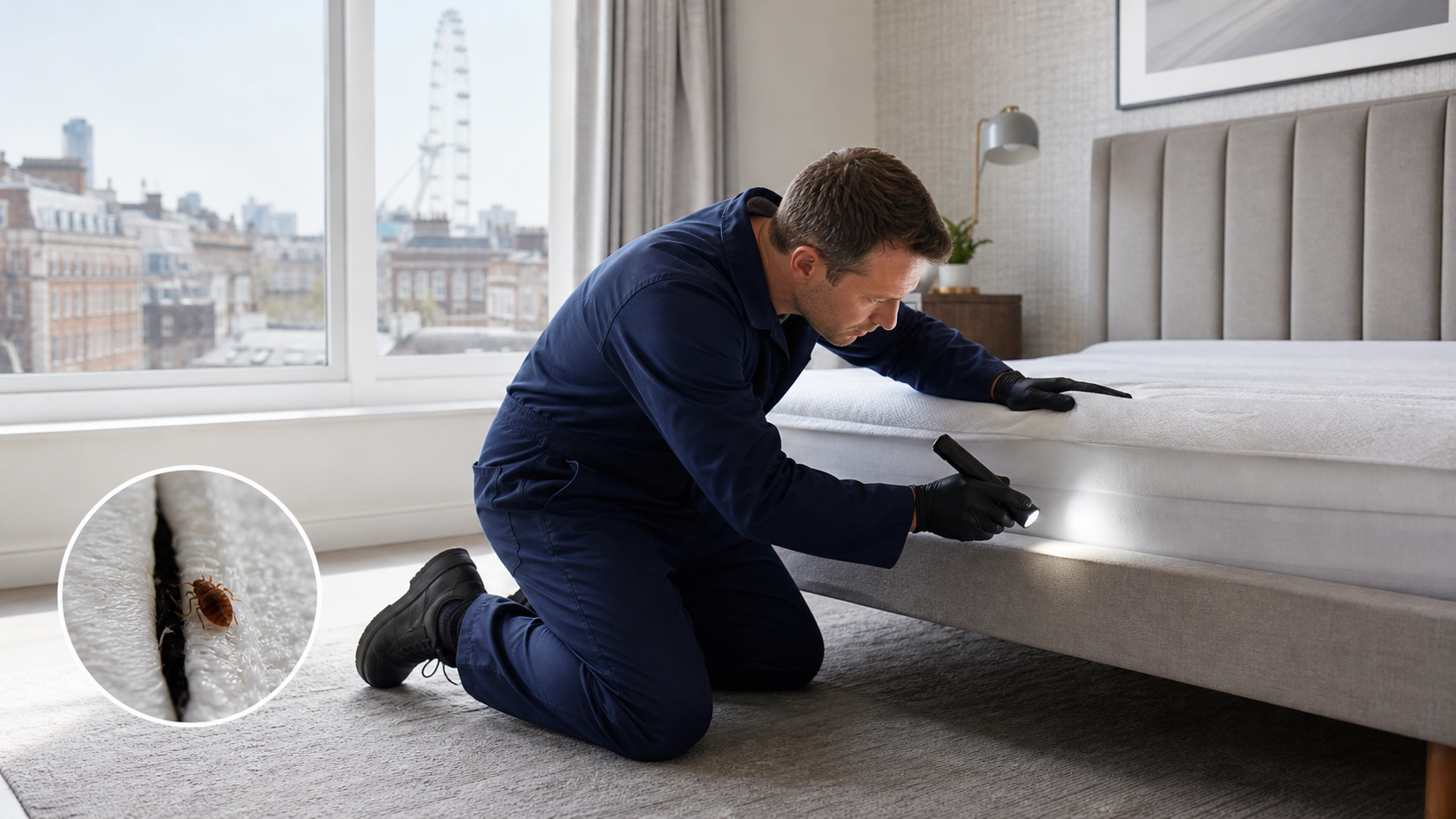
Finding a bed bug in a London bedroom is unsettling, but panic is what spreads an infestation. Carrying bedding through the property, sleeping in another room or setting off a shop-bought fogger can move insects into adjoining rooms and flats. This guide explains how to get rid of bed bugs in the UK using a measured inspection, containment and treatment plan. It reflects the realities of London housing: divan bases in compact bedrooms, Victorian floor voids, converted flats, HMOs, short-let turnover and luggage arriving through Heathrow, St Pancras and busy coach stations.
Key Takeaways
- Confirm the insect before treating: bites alone cannot prove bed bugs.
- Keep sleeping in the affected room unless a technician advises otherwise; moving rooms can disperse the population.
- Heat, residual insecticide and monitoring work best when selected from inspection evidence, not used as isolated tricks.
- Treat connected rooms and coordinate access in flats or HMOs where activity may cross service voids.
- Book professional bed bug treatment when live insects, eggs or repeated fresh bites are present.
Table of Contents
- Confirm That You Really Have Bed Bugs
- What to Do in the First 24 Hours
- Prepare the Room Without Spreading the Infestation
- Professional Bed Bug Treatment Options
- Bed Bugs in London Flats, HMOs and Rental Properties
- How Long Eradication Takes and What Success Looks Like
- Choosing a London Bed Bug Company
- Preventing Bed Bugs After Treatment
- A Practical London Bed Bug Action Checklist
- Frequently Asked Questions
- Related Articles
Confirm That You Really Have Bed Bugs
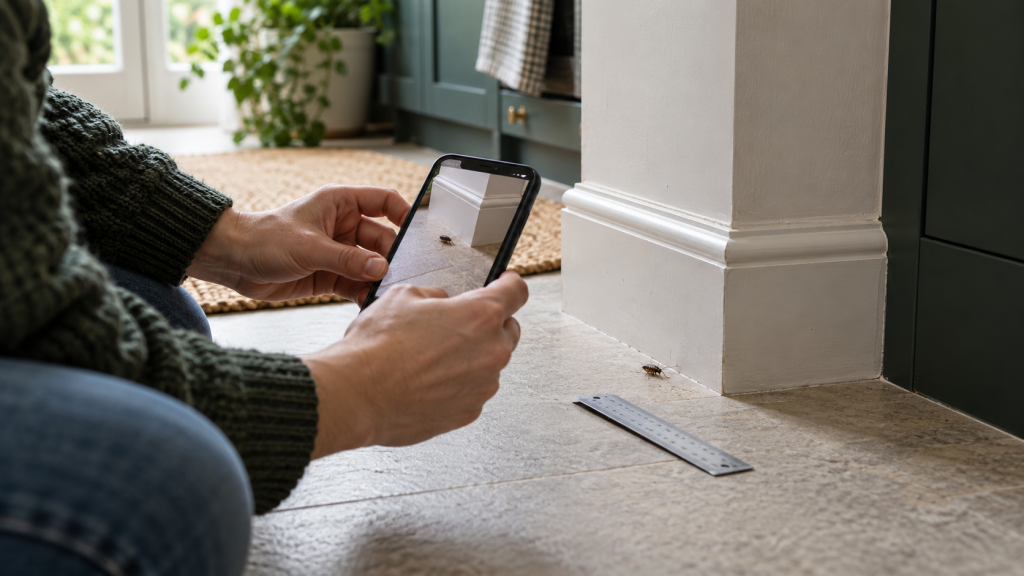
Adult bed bugs are flat, oval and usually 4–7 mm long. Unfed adults are brown; recently fed insects appear darker and more elongated. Nymphs are smaller and paler, while eggs are pearly white, about 1 mm long and cemented into cracks. The most useful evidence is not a skin mark but a combination of live insects, cast skins, eggs and black faecal spotting around harbourages.
Begin with the mattress piping, labels and tufts, then inspect screw holes, headboard joints, divan drawers, the underside of bedside furniture and the junction between skirting and carpet. In a London studio, also check the sofa bed. In a Victorian conversion, inspect gaps around radiator pipes and shared party-wall services. Use a bright torch and a thin card; do not dismantle electrical fittings.
Bites vary between people and can resemble flea bites, mosquitoes, eczema or contact dermatitis. Some residents show no visible reaction. Photograph physical evidence and capture a specimen in a sealed clear container for identification. If no insect evidence is found, a professional pest inspection is more useful than treating blindly.
What to Do in the First 24 Hours
Stop items leaving the room. Place used clothing and removable bedding directly into strong soluble or sealable bags before moving them to the washing machine. Mark treated and untreated bags clearly. Keep suitcases closed and off soft furnishings. Vacuuming can remove visible insects, but the vacuum contents must be sealed immediately and disposed of in an outside bin.
Do not throw the mattress onto the pavement. Apart from the cost and waste, dragging it through communal corridors can distribute bed bugs, and a replacement bed placed in the same untreated room will be reinfested. Do not spray rubbing alcohol, essential oils or agricultural products. These are unreliable and can create fire, poisoning or surface-damage risks.
Continue using the bed if it is safe to do so. Bed bugs follow carbon dioxide and body heat; moving to the sitting room often establishes a second harbourage. Pull the bed slightly from the wall, keep bedding from touching the floor and remove storage from beneath it. These steps support monitoring but are not a complete treatment.
Prepare the Room Without Spreading the Infestation
Preparation should be proportionate. Emptying every cupboard into the hallway is counterproductive. Work from the affected zone outwards, bagging textiles before movement. Wash suitable items at 60°C and tumble-dry on a hot setting for at least 30 minutes, following care labels. The NHS also advises sealed freezing for suitable non-washable items, but domestic freezers must maintain an adequately low temperature for long enough.
Books, electronics, framed pictures and delicate possessions require inspection rather than indiscriminate spraying. A technician may use targeted heat, controlled residual products or isolation depending on the item. Never put flammable aerosols, batteries or pressurised containers into a heat-treatment zone.
Provide access to bed frames, skirtings and furniture edges. Remove pets, aquariums and sensitive occupants as instructed. Tell the company about pregnancy, respiratory conditions, children and any previous pesticide use. Panther’s general treatment preparation guide explains the information a technician needs before arrival.
Professional Bed Bug Treatment Options
A residual insecticide programme uses products authorised for professional use, applied to verified harbourages and travel routes. It normally requires follow-up because eggs may hatch after the first visit and clutter or inaccessible voids can shelter survivors. Product rotation and correct dosing matter because bed bug populations can show insecticide resistance. More chemical does not mean a better result.
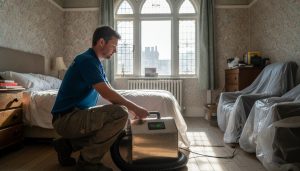
Professional heat treatment raises the temperature of the treatment zone to levels lethal to all life stages, while technicians monitor cold spots in dense furniture and wall-floor junctions. Heat is powerful, but it is a process rather than a space heater: incorrect airflow can leave refuges, damage possessions or push insects away from the hottest area.
The strongest plan may combine heat, targeted residual treatment, vacuuming, steam on suitable surfaces and interception monitoring. Fogging alone has poor penetration into screw holes and mattress seams and may cause dispersal. Read our guide to professional thermal eradication before comparing quotations.
Bed Bugs in London Flats, HMOs and Rental Properties
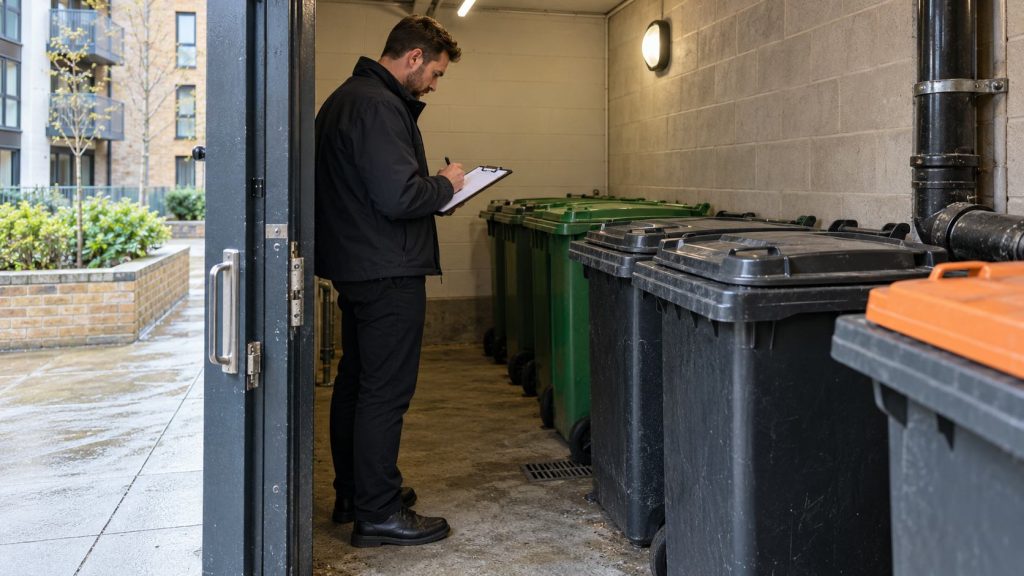
In mansion blocks, converted houses and purpose-built flats, bed bugs can move through pipe penetrations, corridor furniture or shared laundry routines. A single-room treatment may fail if the neighbouring unit is the source. Ask the managing agent to coordinate inspections above, below and beside the affected flat when evidence suggests wider movement. Discretion matters, but silence between connected households helps the pest.
Tenants should report evidence promptly in writing, attach dated photographs and avoid disposing of furniture without agreement. Responsibility depends on when and why the infestation arose, the tenancy terms and whether repair defects allowed spread. Our dedicated guide to landlord and tenant pest-control responsibility provides a practical evidence trail for London renters and property managers.
Short-let operators and hotels need a room-isolation protocol, staff training, encasements, documented inspections and a decision tree for guest reports. A complaint should trigger inspection of the reported room and adjacent rooms, not an automatic assumption that every skin mark is a bed bug bite.
How Long Eradication Takes and What Success Looks Like
A light, localised infestation can sometimes be resolved quickly, but no ethical operator can promise that every situation is identical. Treatment choice, room construction, access, preparation, insecticide resistance and activity in adjacent flats all affect the timeline. Conventional programmes commonly include at least one carefully timed follow-up.
After treatment, a few bites do not automatically prove failure because skin reactions can appear later. Conversely, the absence of bites is not enough where an occupant does not react. Use physical evidence: interceptor catches, live insects, fresh spotting and technician inspections. Keep a dated log rather than changing tactics every night.
Do not deep-clean treated edges or apply another pesticide unless instructed; this may remove residual deposits or contaminate monitoring. Vacuuming open floor areas and normal hygiene can usually continue. Follow the written post-treatment instructions supplied for the exact method used.
Choosing a London Bed Bug Company
Ask what the inspection covers, which rooms will be treated, how many visits are included, what preparation is required and what conditions apply to any guarantee. A credible quotation explains the method and limitations. It should not rely on a single mystery spray or promise permanent immunity without inspecting the property.
Look for trained, insured technicians, clear risk assessments and products authorised under UK pesticide rules. For heat, ask how temperatures are logged and how cold spots are managed. For chemical programmes, ask about follow-up timing, resistance management and re-entry instructions.
Panther Pest Control provides discreet London appointments, including difficult-access central locations, and can combine inspection, bed bug control and heat where evidence supports it. Give the technician an honest history of travel, second-hand furniture and previous treatments; it shortens diagnosis and avoids wasted visits.
Preventing Bed Bugs After Treatment
Bed bugs are hitchhikers, not a sign of poor hygiene. In hotels, keep luggage on a rack away from the bed and inspect mattress corners and the headboard before unpacking. On returning home, unpack near a hard, easy-to-inspect surface and process washable clothing promptly. Do not bring discarded street furniture into the home.
Mattress and divan encasements can simplify inspections when correctly fitted, but they do not repel bed bugs or replace treatment. Interceptor devices beneath bed legs provide useful early warning if the bed is isolated correctly. Inspect them regularly and record findings.
For landlords and accommodation operators, make reporting easy and non-punitive. Train cleaners to recognise spotting, skins and insects; retain photographs and room histories; and have a rapid-response supplier. Early, contained treatment is cheaper and less disruptive than denying a report until several rooms are involved.
A Practical London Bed Bug Action Checklist
First, photograph and preserve a specimen. Second, restrict movement of textiles and furniture. Third, bag laundry in the room and process it according to care labels. Fourth, inspect sleeping and seating areas with a torch. Fifth, contact the landlord or managing agent if the home is rented or connected to other units.
When booking, state the property type, floor, parking or access restrictions, number of bedrooms, known affected rooms, vulnerable occupants and treatments already attempted. In Westminster, Camden and parts of Kensington, loading restrictions can affect equipment arrival; accurate access information prevents delays.
Before declaring success, complete the agreed follow-ups and maintain monitoring through the period recommended by the technician. Reintroduce stored possessions methodically, keeping treated and untreated bags separate. If activity reappears, report the exact location and date rather than using an unplanned retail product.
Frequently Asked Questions
Can I get rid of bed bugs myself?
Laundry, vacuuming and containment reduce numbers, but established infestations are difficult to eliminate without professional inspection and treatment. Hidden eggs, inaccessible harbourages and insecticide resistance are common reasons DIY efforts fail.
What kills bed bugs instantly?
Direct professional steam or correctly delivered heat can kill exposed insects, and authorised insecticides can kill on contact, but instant kill of visible bugs is not eradication. The treatment must reach hidden adults, nymphs and eggs and include verification.
Should I sleep in another room?
Usually no. Moving sleeping locations can draw bed bugs into another room. Continue using the affected bed if safe unless your technician gives different instructions for a specific treatment.
Do I need to throw away my mattress?
Usually not. A sound mattress can often be treated and encased. Disposal may be recommended when it is badly damaged or cannot be treated safely, but it must be wrapped and labelled before removal.
How do bed bugs enter clean homes?
They travel in luggage, clothing, furniture and personal belongings, and may move between connected flats. Cleanliness does not prevent introduction.
Is one treatment enough?
Sometimes a properly monitored heat treatment resolves a contained problem, but many insecticide programmes require follow-up. The inspection and treatment specification should determine the schedule.
Are bed bug bites dangerous?
They are usually itchy and self-limiting, but scratching can lead to infection and some people have stronger reactions. Seek medical advice for severe swelling, breathing difficulty or signs of infection.
How much does bed bug treatment cost in London?
Cost depends on room count, property layout, infestation extent and treatment method. A site-specific quote is more reliable than a headline price that excludes follow-ups or preparation.
If you are unsure whether activity is current, arrange an evidence-led inspection before spending money on replacement furniture or uncoordinated treatments.
Related Pest Control Articles
- Bed Bug Heat Treatment London – Cost Guide
- How Common Are Bed Bugs in the UK?
- How to Protect Your Bed from Bed Bugs
- Bed Bugs vs Fleas

Al Joel is a practical writer and long-term property maintenance specialist focused on real-world pest control, home safety and prevention advice. His guides translate common warning signs into clear next steps for homeowners, tenants, landlords and property managers.His approach begins with correct identification. A sighting in one room may originate from a neighbouring flat, service riser, drainage, roof space, delivery or communal waste area. Al explains how to preserve useful evidence, reduce food and water sources, avoid spreading activity and choose proportionate treatment.What readers can expectClear identification clues and practical inspection stepsSafe preparation, cleaning and aftercare guidancePrevention advice for homes, flats and commercial premisesHonest guidance on when DIY is reasonable and when professional help is the smarter optionWhen professional help makes senseRepeated sightings, activity in several rooms, uncertain identification, vulnerable occupants or signs involving food, electrics and shared building routes deserve a professional inspection. A lasting solution normally combines targeted treatment with proofing, hygiene and follow-up monitoring.Explore the Pest Library, learn how treatment works, or request property-specific advice.