A strong localised odour
Record where and when this sign appears. Avoid disturbing useful evidence before inspection.

SPECIALIST SERVICE · LONDON RESPONSE
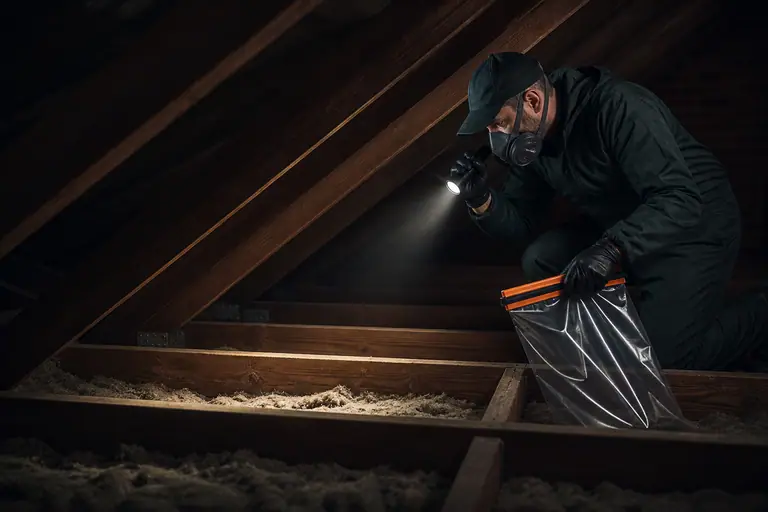
A dead animal in or around a building can cause persistent odour and attract insects, making careful location, removal and hygiene guidance important.
CASE TYPE / SPECIALIST SERVICES
Inspect the evidence.FIELD SIGNALS
Record where and when this sign appears. Avoid disturbing useful evidence before inspection.
Record where and when this sign appears. Avoid disturbing useful evidence before inspection.
Record where and when this sign appears. Avoid disturbing useful evidence before inspection.
Record where and when this sign appears. Avoid disturbing useful evidence before inspection.
INSPECTION MAP
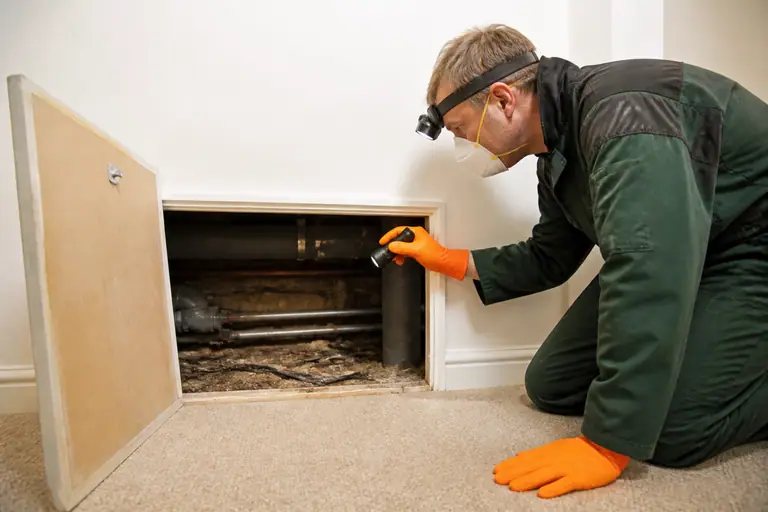
The technician traces odour and insect activity, checks accessible voids and establishes safe access before any removal is attempted.
CONTROL SEQUENCE
Narrow down the likely source and assess access and contamination.
Recover and contain accessible remains using appropriate handling precautions.
Advise on cleaning, residual odour, insect monitoring and entry-point repairs.
THE SERVICE, EXPLAINED
A localised odour and sudden fly activity can help narrow the source area.
The smell may strengthen with temperature and seem to move through ventilation or connected voids. Staining, maggots or adult flies gathering at one window can provide further evidence, but the precise location is not always obvious.
Record when and where the odour is strongest and whether rodent or bird activity occurred beforehand. Avoid spraying fragrance into voids because it can mask useful evidence without removing the source.
Inspection narrows the likely position while avoiding unnecessary opening of the building.
The technician follows odour and insect concentration, checks accessible lofts, subfloors, cupboards and external edges, and considers known pest routes. Safe access must exist before recovery is attempted.
Walls, ceilings and sealed ducts cannot be opened automatically. If building fabric must be removed, the owner may need to approve and arrange a suitable contractor before pest work can continue.
Accessible remains are handled with precautions appropriate to their condition and location.
The immediate area is controlled, remains are contained and disposal follows the applicable route. The exact service scope depends on animal size, decomposition, contamination and safe working space.
Large animals, public land, roads or regulated situations may fall to a local authority, landowner or specialist service. Panther should confirm responsibility before attendance.
Removing the source is the main step, but odour and secondary insects may not disappear instantly.
Contaminated material may need cleaning, removal or specialist remediation. Ventilation can help after recovery, while fly larvae or adults may require targeted monitoring and treatment if development has already begun.
Disinfectant cannot reliably reach contamination behind inaccessible finishes. The technician explains what was accessible and what further building or cleaning work remains.
Proofing should follow an understanding of how the animal reached the space.
Review damaged vents, eaves, service gaps, drainage defects and other confirmed access points. Repairs must suit the structure and should not trap a living animal inside.
Where rodents or birds caused the incident, continued monitoring may be appropriate. Waste, feeding pressure and nearby nesting opportunities should also be managed to reduce repeat access.
THE PANTHER METHOD
Establish the pest, the extent of activity and the routes it uses.
Reduce immediate activity and limit the chance of spread.
Apply a targeted method selected for the property and infestation.
Close the loop with follow-up measures and practical prevention.
DIRECT ANSWERS
Only where safe, practical access exists; opening building fabric may require a separate trade or owner approval.
Removal addresses the source, but residual odour can take time to clear depending on contamination and ventilation.
Flies may breed in animal remains, so a sudden localised increase can help indicate the source area.
Repair damaged vents, roof gaps and other animal access points once the source has been located.