Repeated webs in corners
Record where and when this sign appears. Avoid disturbing useful evidence before inspection.

CRAWLING PEST CONTROL · LONDON RESPONSE
Spider management combines removal of webs and harbourage with action on entry points and the insects that provide their food.
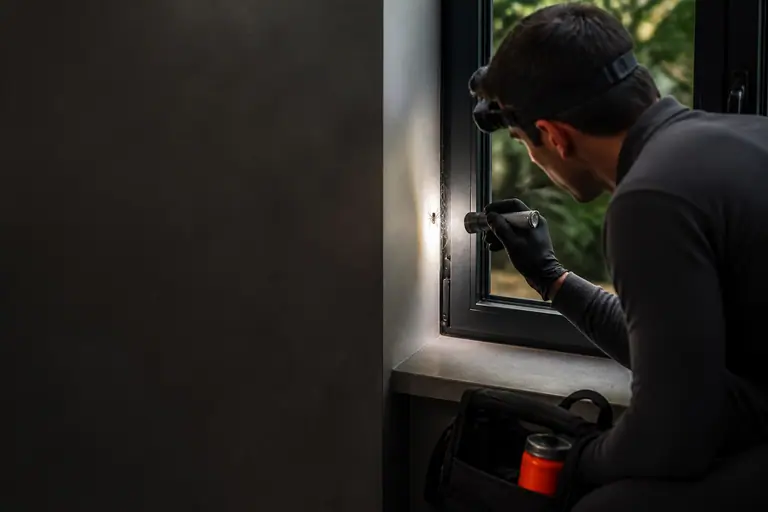
CASE TYPE / CRAWLING PESTS
Inspect the evidence.FIELD SIGNALS
Record where and when this sign appears. Avoid disturbing useful evidence before inspection.
Record where and when this sign appears. Avoid disturbing useful evidence before inspection.
Record where and when this sign appears. Avoid disturbing useful evidence before inspection.
Record where and when this sign appears. Avoid disturbing useful evidence before inspection.
INSPECTION MAP
Corners, window frames, service ducts, storage and exterior entry points are checked alongside the flying and crawling insects spiders feed on.
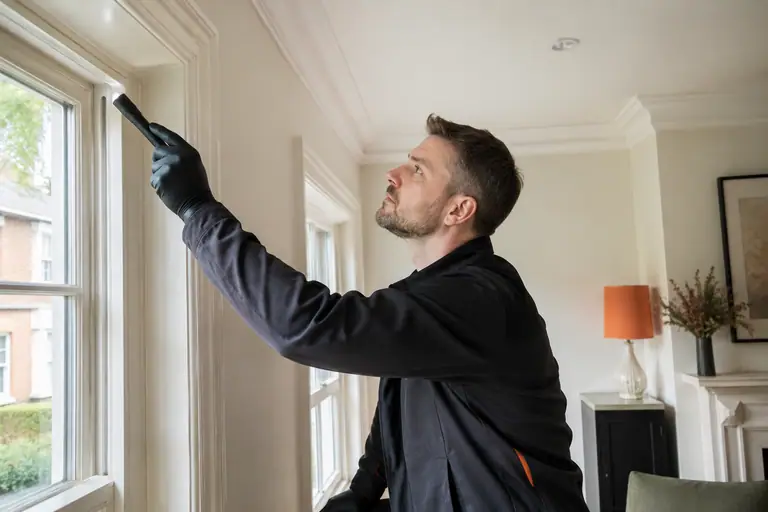
CONTROL SEQUENCE
Identify concentrated harbourage, webs, egg sacs and prey activity.
Remove accessible webbing and apply targeted control where justified.
Reduce insect attraction, seal gaps and keep storage and edges less disturbed.
THE SERVICE, EXPLAINED
Repeated spiders usually indicate suitable shelter, entry routes or a dependable supply of other insects.
Corners, window frames, basements, lofts and undisturbed storage provide web sites and protected egg-sac locations. Lights, open windows and gaps around services can also draw or admit the flying insects on which spiders feed.
One isolated spider may not justify treatment. Record repeated locations, web type and any concentration of flies or moths so the inspection can focus on the conditions supporting activity.
Removing a web deals with evidence, while the survey looks for the reason it returns.
The technician checks accessible edges, ducts, frames, storage and exterior openings. Web concentration and prey insects help identify where spiders are settling and which building interfaces need attention.
Some high or exterior areas may require separate access equipment. The inspection also distinguishes harmless occasional visitors from a recurring property-management problem.
Control combines physical removal, careful treatment and action on prey activity.
Accessible webs and egg sacs may be removed, followed by a targeted professional application where justified by the site assessment. The method must suit the surface, room use and exposure risk.
Blanket spraying is not a substitute for reducing entry and insect attraction. The technician explains treated zones, cleaning restrictions and any areas that could not be safely reached.
The practical priority is different in a bedroom, warehouse, shopfront or communal corridor.
At home, preparation may focus on windows, stored belongings and quiet furniture edges. Businesses may need attention to illuminated signage, delivery doors, ceiling voids and cleaning access.
Tell Panther about sensitive displays, food areas, public access and operating hours. This allows the treatment scope and safe working zone to be agreed before attendance.
Exclusion and insect reduction are the strongest long-term measures.
Seal suitable gaps after routes are assessed, maintain door and window screens and reduce exterior lighting attraction where practical. Regular vacuuming of quiet edges removes early webs and egg sacs.
Persistent fly, moth or crawling-insect activity should be identified rather than treated as a spider issue alone. Monitor the previous hotspots to confirm whether conditions have changed. Record the date and exact location of any returning web.
THE PANTHER METHOD
Establish the pest, the extent of activity and the routes it uses.
Reduce immediate activity and limit the chance of spread.
Apply a targeted method selected for the property and infestation.
Close the loop with follow-up measures and practical prevention.
DIRECT ANSWERS
Entry gaps, quiet harbourage and a steady supply of other insects can maintain activity.
It helps, but recurring spiders may require attention to egg sacs, entrances and prey insects.
Most spiders found in UK buildings are not considered a significant health risk, but avoid handling an unidentified spider.
Vacuum webs and egg sacs, reduce clutter, fit sound screens where suitable and limit insects around lights.