Silvery insects moving at night
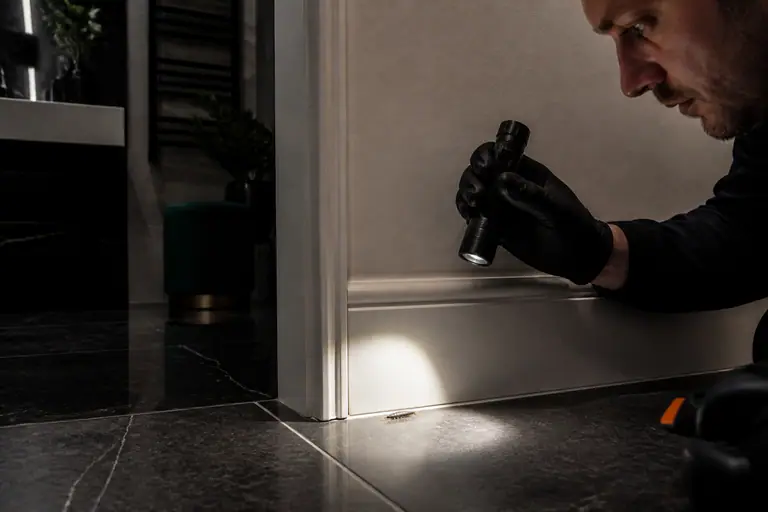
Record where and when this sign appears. Avoid disturbing useful evidence before inspection.

CRAWLING PEST CONTROL · LONDON RESPONSE
Silverfish favour humid, sheltered areas and feed on starchy materials, so treatment is strongest when moisture and harbourage are addressed together.
CASE TYPE / CRAWLING PESTS
Inspect the evidence.FIELD SIGNALS
Record where and when this sign appears. Avoid disturbing useful evidence before inspection.
Record where and when this sign appears. Avoid disturbing useful evidence before inspection.
Record where and when this sign appears. Avoid disturbing useful evidence before inspection.
Record where and when this sign appears. Avoid disturbing useful evidence before inspection.
INSPECTION MAP
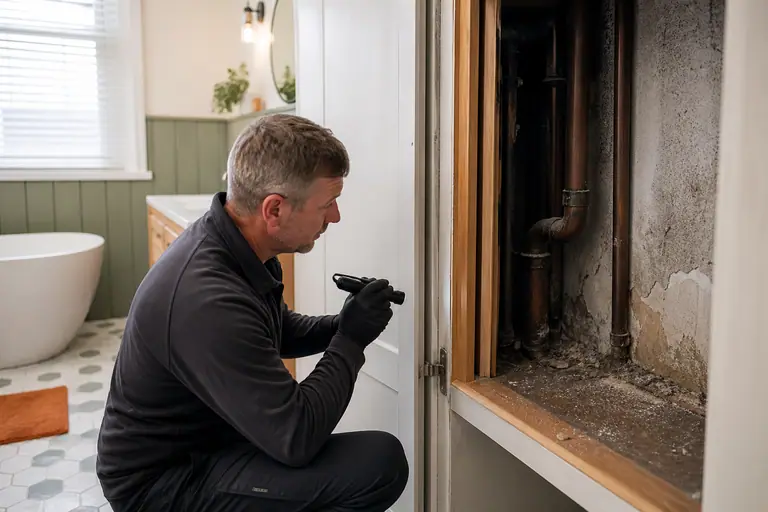
Humid rooms, pipework, leaks, cracks, stored paper and dark edges are checked to map activity and identify moisture sources.
CONTROL SEQUENCE
Inspect damp, dark harbourage and confirm the insect.
Treat cracks, edges and other confirmed activity zones as appropriate.
Improve ventilation, repair leaks and reduce dense paper or cardboard storage.
THE SERVICE, EXPLAINED
A quick-moving silver insect is useful evidence, but the surrounding conditions explain why it is there.
Silverfish are often noticed after lights are switched on in bathrooms, kitchens, cupboards and lower-ground rooms. Shed scales, yellow marks and irregular grazing on paper, wallpaper paste or stored materials can reveal quieter activity.
Photograph the insect and record the room, time and nearby moisture. Similar bristletails can be mistaken for silverfish, so identification should precede any broad treatment.
The survey connects sightings with humidity, shelter and movement routes.
The technician checks accessible pipework, cracked seals, boxed-in services, floor edges and stored paper or cardboard. Condensation, slow leaks and limited ventilation may create suitable conditions beyond the room where insects are seen.
In flats and managed buildings, service risers or moisture from an adjoining area may be relevant. Visible mould or building defects should be reported because pest treatment does not repair the underlying moisture source.
Treatment is directed into confirmed edges and harbourage rather than spread across open surfaces.
The selected method depends on room use, activity and access. Professional residual products, dusts or monitoring devices may be used in protected cracks and routes where appropriate.
Bathrooms, food areas and occupied rooms require careful placement and clear re-entry advice. Do not combine domestic sprays with the planned treatment, and keep treated edges undisturbed for the period specified.
Better access helps treatment reach the quiet places silverfish use.
Move loose items away from affected edges without transferring suspect cardboard or papers to other rooms. Report leaks, empty accessible sink cupboards and follow the supplied cleaning instructions.
Sensitive books, documents and collections should not be sprayed or discarded automatically. Discuss valuable materials before the visit so inspection and protection can be planned around them.
Lasting improvement depends on making the environment less humid and less sheltered.
Repair leaks, improve suitable ventilation and allow wet rooms to dry between use. Replace damaged seals where appropriate and avoid dense long-term storage directly against cold walls.
Monitor the original rooms and nearby service routes after treatment. A simple dated record of sightings helps show whether the local harbourage is declining or a wider moisture route still needs investigation.
THE PANTHER METHOD
Establish the pest, the extent of activity and the routes it uses.
Reduce immediate activity and limit the chance of spread.
Apply a targeted method selected for the property and infestation.
Close the loop with follow-up measures and practical prevention.
DIRECT ANSWERS
No. Humidity and suitable shelter are usually more important than general cleanliness.
They can graze on paper, wallpaper paste and some starchy or cellulose-based materials.
Bathrooms often provide the moisture, warmth and cracks silverfish prefer.
It may reduce activity, but persistent moisture can continue to support the conditions they need.