Pest Control Advice · LONDON
Rodent Marks on Loft Insulation: Is the Damage New?
A damaged patch of loft insulation cannot date itself. Learn which changes and surrounding signs help distinguish recent rodent activity from old disturbance.
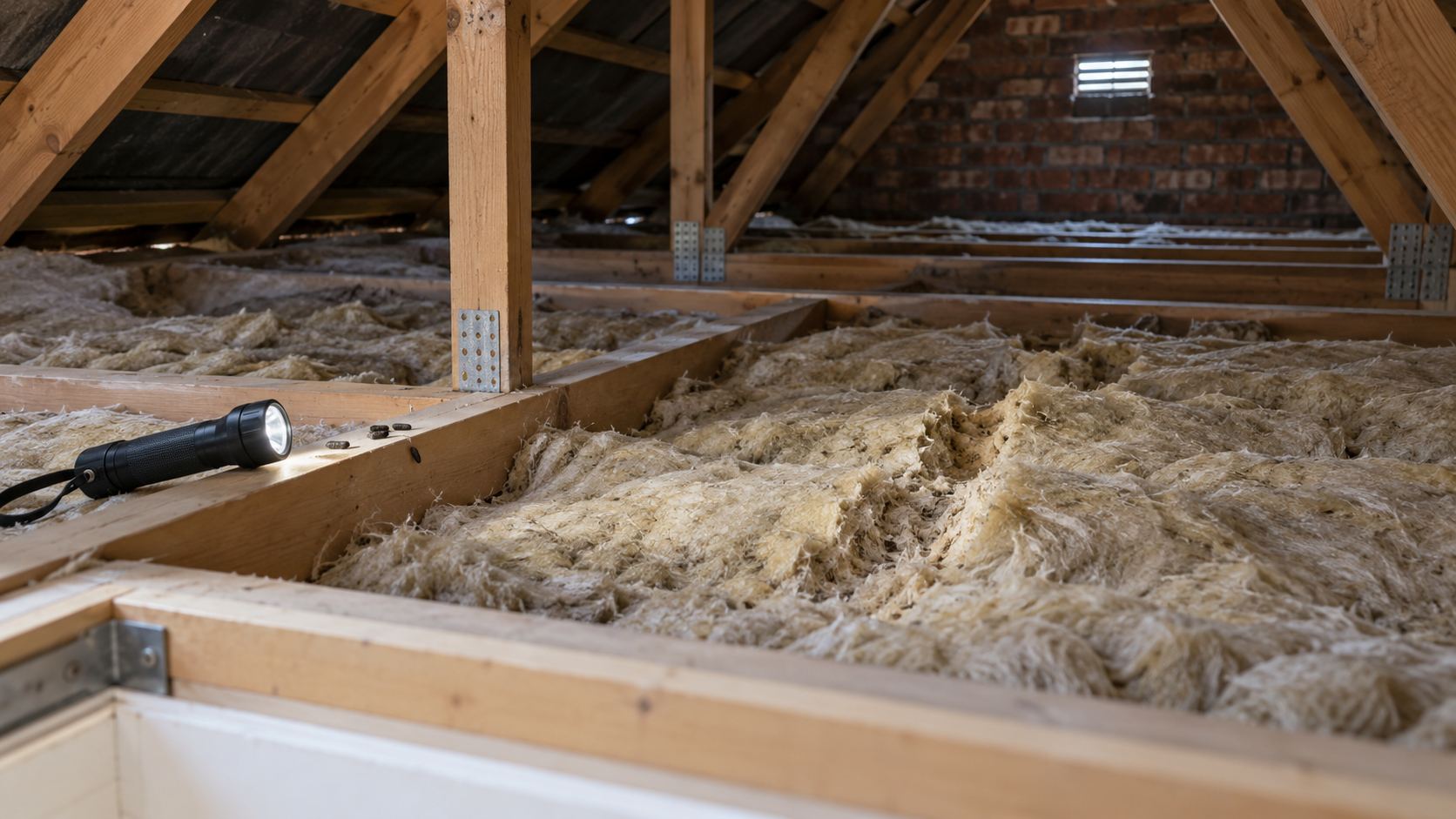
A torn patch of loft insulation is easy to notice when you go up for a suitcase or a Christmas box. What it cannot tell you, on its own, is when the damage happened. A mouse may have crossed the space last night; the same hollow could also have been left during earlier building work, by another animal, or by someone moving insulation to reach a cable.
The useful question is not simply “Is this chewed?” It is whether there is a pattern of new disturbance that connects the material to an accessible route and other evidence. You can record much of that pattern without pulling insulation apart. This guide is for a first look from safe access points; it is not a reason to enter an unsafe loft or handle suspect droppings.
Start with the last reliable observation
Think back to the last time this part of the loft was actually visible. “We have not been up there for a year” is different from “The insulation was flat when the electrician visited on Monday.” If the surface has not been checked for months, a damaged patch cannot be dated from its appearance alone. Note the date of any roof repair, cable installation, stored-box move or previous pest treatment. Those events can explain a new-looking channel or expose older marks that were previously hidden.
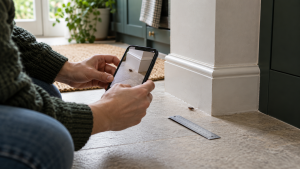
Photograph the whole bay between joists before taking close views. Include the hatch or another fixed landmark so you can find the same place again. Record whether the insulation is compressed, lifted, shredded, stained or missing. A single close crop of frayed fibres loses the context needed to judge how the material was disturbed. The site’s guide to photographing pest evidence gives a simple method for keeping location and scale in a useful record.
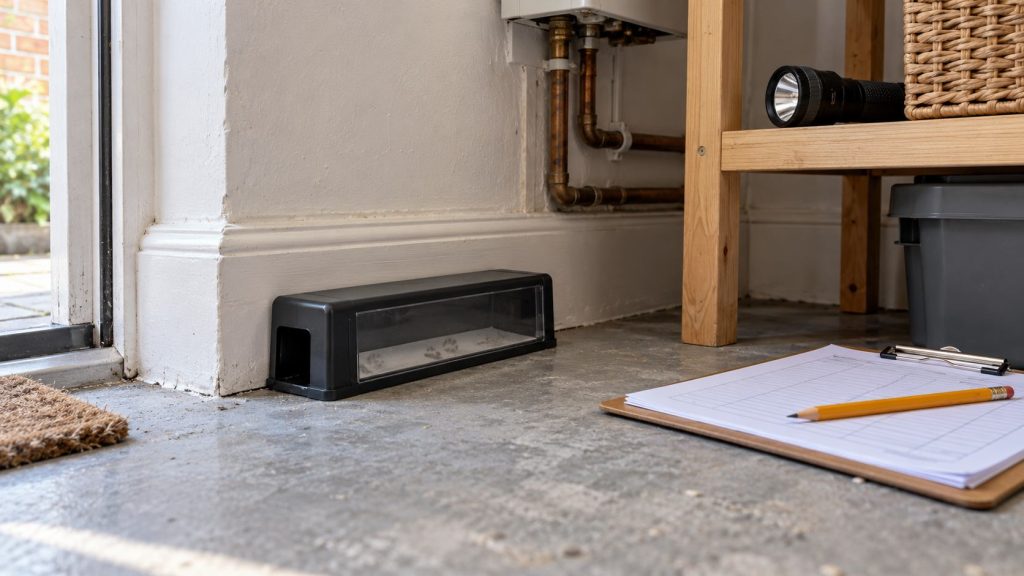
Make a small dated sketch if photographs do not show the layout clearly: hatch, walkable boarding, water tank, eaves, visible vents and the affected bay. Mark only what you can actually see. Avoid calling a dark speck a dropping or a hollow a nest until there is enough evidence to support that description. This matters when you later compare a new photograph with the first one.
What insulation can show, and what it cannot
Rodents can use soft insulation as cover and may disturb it while moving or gathering nesting material. A narrow run can form where an animal repeatedly passes along an edge. Small scraps gathered in a sheltered place can warrant closer investigation. Yet insulation can also slump under its own weight, be lifted for maintenance, or be blown and flattened during installation. Some older lofts have several layers from different insulation jobs, each with gaps and uneven surfaces.
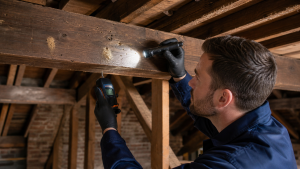
Look for a relationship between the suspect mark and a solid travel edge. Is there a line beside a wall plate, joist or pipe route? Does it lead towards an accessible opening or disappear into an inaccessible eave? A random depression in the middle of one bay tells less of a story than repeated disturbance along a consistent route. Do not assume that a neat tunnel proves a mouse: species identification needs more than a shape in wool.
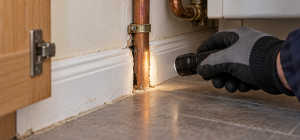
Check for other signs without reaching into the material. Droppings on exposed timber, fresh-looking gnawing on an accessible box, disturbed dust along a joist, or repeated sounds at a known time may strengthen the case for current activity. Absence of visible pellets does not settle it either. Bedford Borough Council notes that mice may run under loft insulation, leaving little obvious evidence on top. The point is to assemble independent clues, not to treat one clue as a verdict.
Judge freshness by change, not by colour alone
People often try to date a mark by whether it looks pale or dark. That is unreliable in a loft. Dust settles unevenly; light, damp and the type of insulation all alter appearance. A newly exposed section of old material can look bright, while fresh disturbance in a dusty corner can look dull. Even the condition of droppings varies with the environment. Do not pick them up or break one apart to test it.
A better comparison is a dated photograph of an undisturbed view followed by another photograph from the same safe position. Has a new channel appeared? Has a flap of insulation moved? Are there newly visible pellets on a previously clear board? If nothing changes, that does not prove the animal is gone, but it weakens the claim that the visible damage is actively growing. If the same line keeps changing, an inspection has a much clearer starting point.
Choose a sensible interval with the pest professional if you have one, especially where noise is intermittent. Do not repeatedly enter an unboarded loft just to collect photographs. You may be able to take the comparison from the hatch. If you cannot safely see the relevant bay, say so; uncertainty is better than a fall through a ceiling.
The site’s mouse and rat droppings guide explains what pellets may suggest, but in this setting their size or apparent colour should not be used as a clock. Position, repetition and identification by a competent inspector matter more.
Check the surroundings without disturbing the loft
Start outside from ground level. Look for displaced tiles, damaged soffits, loose service entries and branches touching the roof. These are possible access features, not proof that they lead to the disturbed insulation. Do not climb onto a roof or lean out of a window to confirm one. If a route may involve a neighbouring roof void in a terrace or block of flats, record that possibility for the owner or managing agent.
Inside, note whether stored boxes show fresh damage and whether the disturbance sits near a hatch, airing cupboard or service chase. A newly installed cable or pipe may explain why insulation was shifted. Ask the contractor whether it was left that way. Photograph labels or dated work records if you have them. Avoid moving boxes across suspect surfaces, as that can scatter evidence and confuse the next comparison.
Sounds can add context, but they are poor species labels. Roof timbers move with temperature, pipework clicks and wind can lift loose material. Note time, duration and location, and whether the sound repeats. Daytime activity might prompt consideration of other animals; it does not establish which one is present. British Pest Control Association guidance lists old nests, droppings and gnawing among loft signs worth investigating, rather than treating a single damaged patch as conclusive.
Know when to stop the inspection
Many lofts have only a narrow strip of boarding. Insulation often covers the spaces between ceiling joists; it is not a walking surface. Stay at the hatch if there is no safe route. Do not cross joists in poor light, stretch over a ceiling or move heavy items while trying to follow a possible run. If you see damaged wiring, keep clear and arrange an electrician’s assessment. A pest inspection and an electrical repair may need to be planned together, but one trade should not improvise the other’s work.
Do not sweep or vacuum suspected rodent droppings, nests or urine staining. UK Health Security Agency cleaning guidance warns that this can put infectious material into the air. Its page addresses pet rodents, so the exact cleaning plan for a dusty domestic loft should be agreed for that setting rather than copied mechanically. Avoid pulling up insulation merely to see what is beneath it. That can disturb contaminated material and erase the original pattern.
If insulation is wet, stained by a roof leak or near suspect electrical damage, those building problems deserve prompt attention in their own right. Pest control alone will not dry a roof or make a cable safe. If a large section may need removal, ask who will assess contamination, access, disposal and reinstatement before any work begins.
What a professional visit should resolve
A useful pest inspection should separate confirmed activity from possible routes and historic damage. Show the inspector your first photograph and any later comparison. Explain when the loft was last known to be clear, which work has been done, and which areas are unsafe or inaccessible. Ask whether the pattern suggests movement, nesting or simply displaced material, and what evidence supports that assessment.
The inspector may check accessible joists, roof edges, stored goods and connected rooms. They should explain what cannot be seen without extra access. If a species is uncertain, ask how it will be confirmed before proofing or treatment is specified. Sealing a suspected opening while animals may still be inside can shift activity into another void. A plan should account for current activity, access, monitoring and the eventual repair, not just the visible wool.
If mice are confirmed, the site’s mice control service describes an inspection-led approach that considers movement routes and proofing. Mention loft access when booking so the visit can be planned appropriately. An inaccessible bay may need a building professional to create safe access; that is a decision to make after the evidence has been reviewed.
Decide what to repair after activity is understood
Do not replace an entire loft’s insulation because one corner looks untidy. First establish the likely cause, whether there is current activity, and which section is actually affected. Material with contamination or significant damage may need specialist removal; another compressed patch may be a normal installation defect. A surveyor, insulation contractor or electrician may have a role depending on what is found.
Keep a record of the repaired area before new insulation covers it. Note the date, the person who did the work, and any access point repaired. If monitoring is part of the plan, agree where and when the result will be reviewed. A clean photograph after reinstatement gives you a reliable comparison next time someone enters the loft. Without that baseline, a later discovery can too easily be called “new” simply because nobody remembers the original condition.
The practical aim is a timeline supported by repeatable observations. A damaged patch is a prompt to investigate, not proof of a live infestation. If you need help deciding whether the loft signs justify a visit, use the contact page to describe the location, last known clear date, any repeated change and the access available.

Al Joel is a practical writer and long-term property maintenance specialist focused on real-world pest control, home safety and prevention advice. His guides translate common warning signs into clear next steps for homeowners, tenants, landlords and property managers.His approach begins with correct identification. A sighting in one room may originate from a neighbouring flat, service riser, drainage, roof space, delivery or communal waste area. Al explains how to preserve useful evidence, reduce food and water sources, avoid spreading activity and choose proportionate treatment.What readers can expectClear identification clues and practical inspection stepsSafe preparation, cleaning and aftercare guidancePrevention advice for homes, flats and commercial premisesHonest guidance on when DIY is reasonable and when professional help is the smarter optionWhen professional help makes senseRepeated sightings, activity in several rooms, uncertain identification, vulnerable occupants or signs involving food, electrics and shared building routes deserve a professional inspection. A lasting solution normally combines targeted treatment with proofing, hygiene and follow-up monitoring.Explore the Pest Library, learn how treatment works, or request property-specific advice.