Pest Control Advice · LONDON
Is that pipe gap letting rodents in? How to check safely
A pipe gap behind a kitchen unit might matter, but the opening alone proves little. Here is how to record the signs safely and decide which specialist should inspect or repair it.
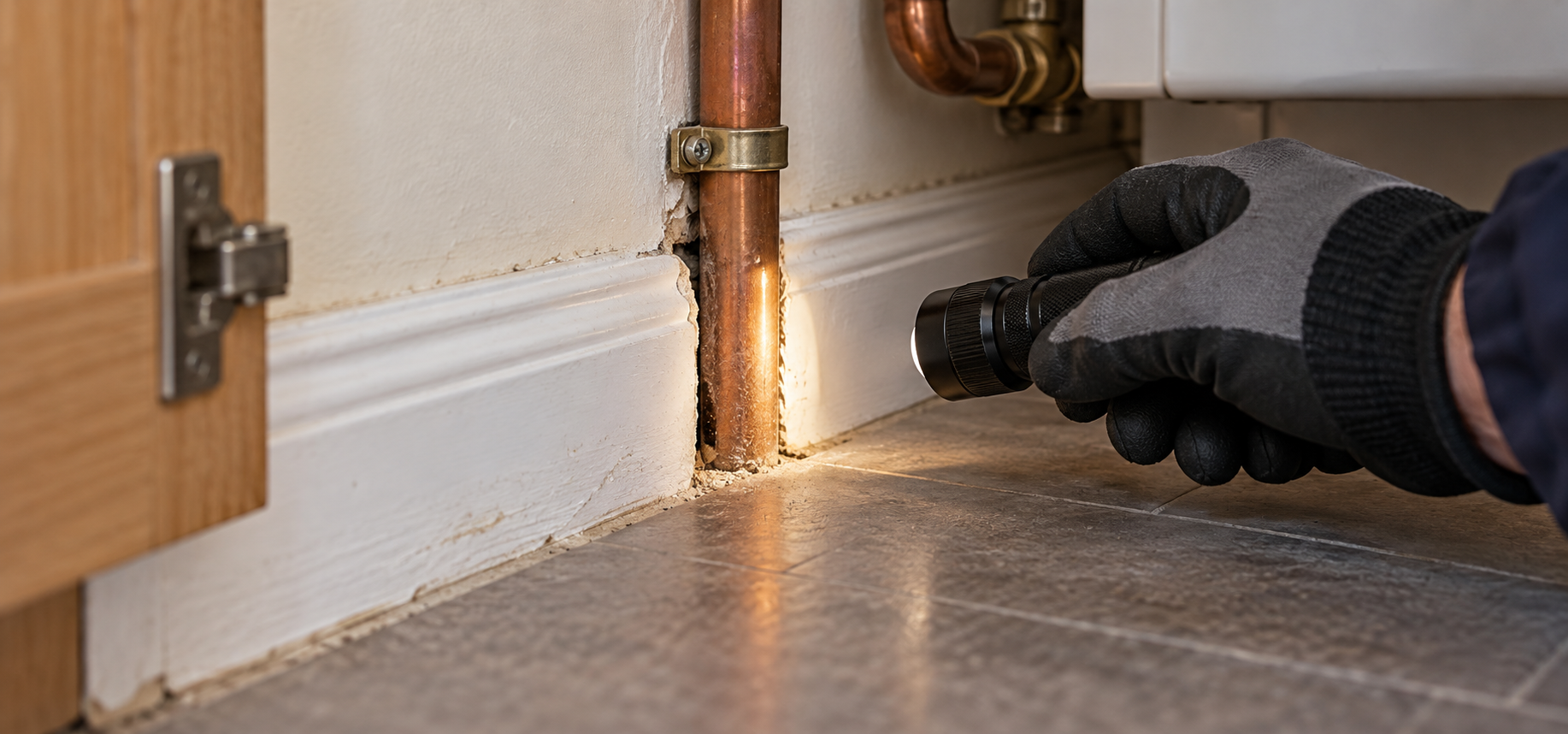
A gap around a pipe can look like an obvious answer when you hear movement behind a kitchen unit. It may be an entry route, an opening into a service void, or simply a space left for the pipe. The visible hole alone does not prove that mice or rats are using it. Before anyone seals it, the useful questions are where the opening leads, whether there is fresh evidence nearby, and who is qualified to work around that particular service.
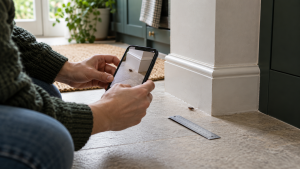
The sensible first step is observation: a photograph of the gap, a note of any nearby signs, and a clear picture of the pipe or appliance involved. That helps a pest inspector decide whether the opening is relevant, and lets a plumber, builder or Gas Safe registered engineer deal with the service itself when their trade is needed.
Why pipe routes deserve a closer look
Pipes often pass through cupboards, floors, external walls and shared service spaces. Installers may leave clearance around a pipe, and later repairs can leave an old opening unused. A mouse may exploit a route that connects those spaces, but a hole visible behind a sink can also end inside a sealed cabinet. The location gives you a lead, not a diagnosis.
Start by looking at the whole run rather than one attractive gap. Note where the pipe enters the room, whether it passes through a wall or floor, and whether another side is safely accessible. Water pipes may run behind a fitted unit before reaching a riser. A gas pipe may pass near a boiler, cooker or meter. Those distinctions matter because the safe person to inspect or repair each area may differ.
Local authority pest advice commonly points householders towards openings around pipes, cables and skirting boards when checking for mice. That is a reason to include penetrations in an inspection, not a reason to fill every visible space immediately. Portsmouth City Council’s mouse guidance describes pipe gaps among the places to check and emphasises food control alongside proofing.
Look for a pattern, not a single mark
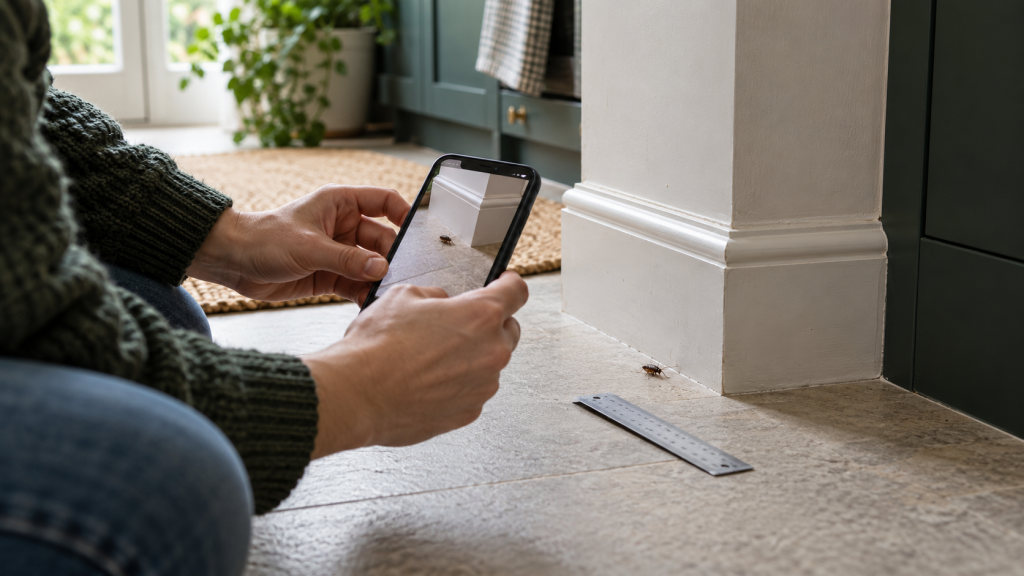
Use a torch from a comfortable position. Look for droppings, fresh gnawing, displaced insulation, greasy marks, disturbed dust, shredded material or repeated sightings close to the opening. Photograph the wider cupboard or wall first, then the pipe and gap, and finally any sign in place. A small ruler held beside a clean edge can provide scale if it does not touch contamination or wiring.
Ask when the signs appeared. A gap made during a recent plumbing repair may coincide with the first sighting, but the timing does not establish that the pipe route is the source. Check other likely routes such as a door threshold, damaged vent or neighbouring service penetration. If several openings connect to the same void, sealing one without understanding the others may only move activity to a different room.
Do not handle droppings to test whether they are fresh. Their appearance is an imperfect guide to age, especially in damp or dusty spaces. Record the date and location, then compare a later photograph taken from the same angle. The site’s guide to mouse and rat droppings can help organise observations, but an inspector should confirm the likely species from the full set of evidence.
Distinguish a water-pipe gap from a water leak
A cupboard below a sink may offer both an opening and a water source. Look for a damp shelf, staining, a dripping valve, swollen board or a musty smell. If the pipe or connection is leaking, the repair is a plumbing issue as well as a pest prevention issue. Covering a damp penetration with sealant can hide the leak and damage the surrounding material while leaving the underlying problem unresolved.
Make a note of what becomes wet and when: continuously, only while the tap runs, or after rain. Keep stored food and absorbent packaging away from the damp area. If there is an active leak, arrange an appropriate plumber and explain that the surrounding penetration also needs assessment for pest access. A useful photograph shows the whole fitting and the damaged surface, not just a close-up of the hole.
Some openings are intended to allow movement or inspection of a fitting. The person repairing the plumbing or building fabric should choose a suitable detail for that pipe and location. The pest controller can explain the access risk, but should not claim that an arbitrary bead of foam or sealant will be durable, watertight and compatible with the service.
Keep clear of gas fittings and ventilation
Gas pipework and appliances need a stricter boundary. Do not loosen a fitting, move a fixed boiler, remove a cover, block an air vent or pack material against a flue to take a photograph or close a suspected rodent route. The Health and Safety Executive’s domestic gas guidance says gas work must be done by a Gas Safe registered engineer who is competent for the particular work.
If a suspicious gap is beside a gas pipe, meter or appliance, document it from an accessible position and identify the service in your notes. Ask a Gas Safe registered engineer to assess any proposed work that could affect a gas fitting, appliance, flue or required ventilation. A pest inspector can then advise on evidence, access routes and coordination. This division of work prevents a simple proofing job from becoming an unsafe alteration.
If you suspect a gas leak or an unsafe appliance, treat that as an immediate gas safety problem rather than a pest appointment. Follow the current official emergency guidance and contact the gas emergency service. Do not spend time looking for droppings or applying filler. A rodent problem can be investigated after the area has been made safe.
Check the other side when it is safely available
A gap around a pipe through an external wall may be visible from a path or garden. Photograph the outside as well as the inside, noting the pipe’s position relative to doors, vents, paving and vegetation. Do not excavate, remove a meter-box component or reach behind a live service. If the outside is inaccessible, tell the inspector. The missing view is an important limitation, not a reason to guess.
In flats, a pipe may cross a communal riser, ceiling void or neighbouring unit. A tenant should avoid opening a shared service enclosure without authorisation. Report the exact location and evidence to the landlord or managing agent, and ask who controls access. If several properties share the route, a coordinated inspection is more useful than residents independently filling visible gaps on their side.
Check for redundant penetrations as well. An old pipe hole left after renovation may be a more plausible route than the closely fitted pipe beside it. Builders or maintenance staff may know which openings remain active and which can be closed. Bring that history to the inspection, particularly if the problem began after a kitchen refit or boiler replacement.
Decide when proofing should happen
Good proofing closes a confirmed route with a material and detail suited to the substrate and service. It also leaves ventilation, drainage and inspection access working as intended. The sequence matters. If rodents are active inside the structure, a technician may want to map movement and plan control before the final closure. Immediate sealing can conceal evidence, trap an animal or shift movement to another opening.
A person who can see only a small indoor hole should not assume the whole route has been closed. There may be a cavity, an inaccessible side or another opening along the same pipe run. Ask whoever completes the repair to explain which side was treated, what material was used, whether the service remains accessible, and what signs should be monitored afterwards. Record the finished work with a photograph for future maintenance.
Proofing is only one part of prevention. Accessible food, overflowing waste and persistent moisture can support continuing activity even after a neat repair. If you suspect an established infestation, arrange a pest inspection to identify the likely species, extent of activity and practical order of work. For a mouse-specific service, the site’s mice control page explains the professional route.
A short record for the contractor and pest inspector
Prepare one page of notes: address and room; pipe or appliance involved; first and latest sign; photographs of the room, opening and any droppings or damage; whether there is a leak; and any recent building work. Record what is observed separately from what is suspected. “Three droppings below the cold-water pipe on Tuesday” helps more than “rats are coming through the plumbing”. Include the name of the person who can provide access to a shared riser or locked cupboard.
Ask the pest inspector which routes have been confirmed, which remain possible, and what evidence would distinguish them. Ask the relevant trade whether the proposed repair affects water tightness, gas safety, ventilation or access for maintenance. Agree who will take the final photograph and when the area will be checked again. That turns a vague report into work that each person can verify.
That gap under the sink may turn out to be the route, or it may be the first place you happened to look. Keep the evidence, make the service safe, and let the inspection guide the repair. You can send the location and your observations through our contact page if you would like help planning the next step.

Al Joel is a practical writer and long-term property maintenance specialist focused on real-world pest control, home safety and prevention advice. His guides translate common warning signs into clear next steps for homeowners, tenants, landlords and property managers.His approach begins with correct identification. A sighting in one room may originate from a neighbouring flat, service riser, drainage, roof space, delivery or communal waste area. Al explains how to preserve useful evidence, reduce food and water sources, avoid spreading activity and choose proportionate treatment.What readers can expectClear identification clues and practical inspection stepsSafe preparation, cleaning and aftercare guidancePrevention advice for homes, flats and commercial premisesHonest guidance on when DIY is reasonable and when professional help is the smarter optionWhen professional help makes senseRepeated sightings, activity in several rooms, uncertain identification, vulnerable occupants or signs involving food, electrics and shared building routes deserve a professional inspection. A lasting solution normally combines targeted treatment with proofing, hygiene and follow-up monitoring.Explore the Pest Library, learn how treatment works, or request property-specific advice.