Pest Control Advice · LONDON
Rodent Damage to Cables: What to Do First
Suspected rodent damage to a cable is an electrical issue first. Learn what to avoid, what to record, and how an electrician and pest technician should work together.
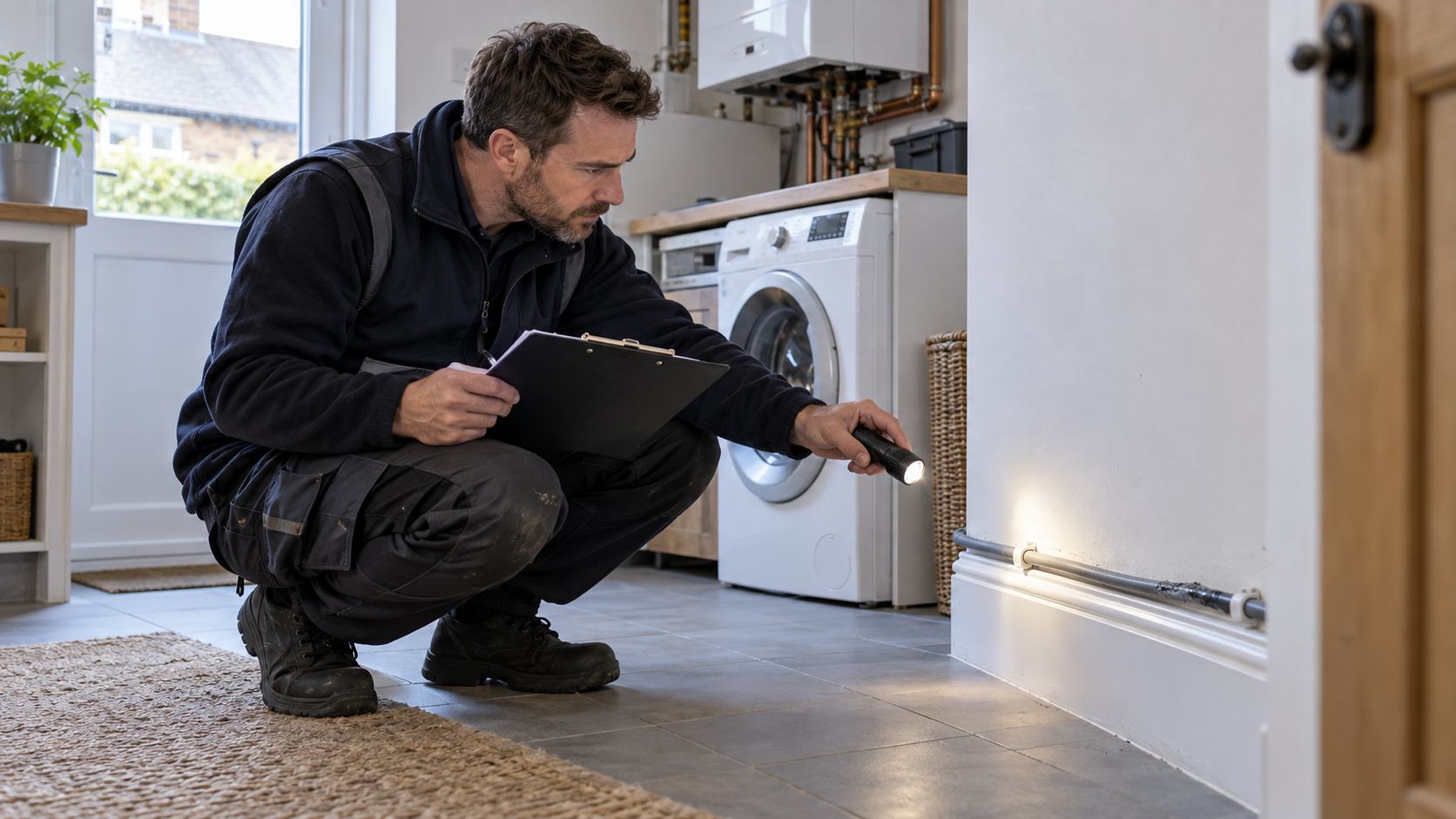
A cable with a roughened sheath behind a kitchen appliance can be easy to dismiss as an old scrape. If a mouse or rat may have reached it, however, the first decision is electrical, not pest-related. You cannot judge from the outside whether the insulation beneath the visible surface is sound. Do not test the appliance, move the cable to see the other side or cover the mark with tape. Keep people away and have the equipment or circuit assessed by a competent electrician.
This guide explains how to respond to suspected rodent damage in a UK home, flat or workplace: what to do immediately, what evidence to preserve and how the electrician and pest technician should coordinate. It does not teach electrical repairs. The Health and Safety Executive advises taking damaged electrical equipment out of use and having repairs carried out only by a competent person; that principle applies before anyone investigates whether a rodent caused the damage.
Make the area safe before investigating the pest
Stop using the affected appliance or area as soon as damage is suspected. Keep children and pets away from the cable. If you can safely use a normal switch or unplug an appliance without approaching the damaged section, do so; if the route or condition is uncertain, leave it alone and seek electrical advice. In a workplace, follow the site’s isolation and reporting procedure. Do not rely on a tripped breaker as proof that the cable is safe to touch.
Warning signs such as visible internal wires, scorching, heat, a burning smell, crackling or repeated tripping call for prompt electrical assessment. If there is smoke or fire, leave the area and follow the emergency procedure. Do not pour water on electrical equipment. The HSE’s electrical safety guidance says users should remove equipment from service when a cable is damaged or has been repaired with tape, and that repairs belong with a competent person.
A cable inside a wall, floor or service void deserves particular caution because you may not know which circuit supplies it. Do not open covers, lift floorboards or pull an appliance forward to photograph it. The HSE warns that cables can be hidden and that anyone uncertain whether a supply is off should consult a competent person. A pest inspection can wait until the immediate electrical risk is controlled.
Record only what you can see safely
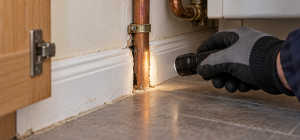
From a safe position, photograph the room and the exact place where the mark was seen. Note the appliance or circuit name if it is already known, when the damage was found, and whether there were earlier trips, noises or pest sightings. Do not move the cable to get a sharper image. A wide photograph helps the electrician find the area, while a close view taken without contact may help distinguish a nick from an irregular gnawed edge.
Keep the record factual. “Rough sheath near the dishwasher; breaker tripped twice this week” is more useful than “rats have destroyed the wiring” unless a rat and the damaged section have both been confirmed. Fraying can have several causes, including abrasion against an edge or a poor installation. The electrician assesses the cable’s condition; the pest professional investigates the animal evidence and access route. Neither conclusion should be guessed from one photograph.
Let the electrician determine the electrical scope
Explain exactly where suspected damage lies and which equipment was in use. Ask a competent electrician to assess the affected cable and any connected installation that needs checking. The electrician can decide whether to isolate, test, repair or replace components and when they may be used again. Do not ask a pest technician to pronounce wiring safe, and do not accept tape over a damaged sheath as an informal fix.
Where a contractor must inspect a concealed route, coordinate access so panels are opened and closed by the right trade. The HSE’s guidance on working near electricity stresses that checking isolation is a competent task and that unseen wiring may be present in walls and floors. If a wall or floor must be opened, check for other hazards as part of the contractor’s normal assessment. Keep a written record of the electrical findings and any restrictions on use.
For an appliance with a flexible lead, the result may be different from fixed wiring in a wall. The electrician or appropriate repair service should decide whether the item can be repaired or must be replaced. Do not plug it in “just to check” after a visual inspection. A successful power-on test is not a substitute for an electrical safety assessment.
Investigate why a rodent reached the cable
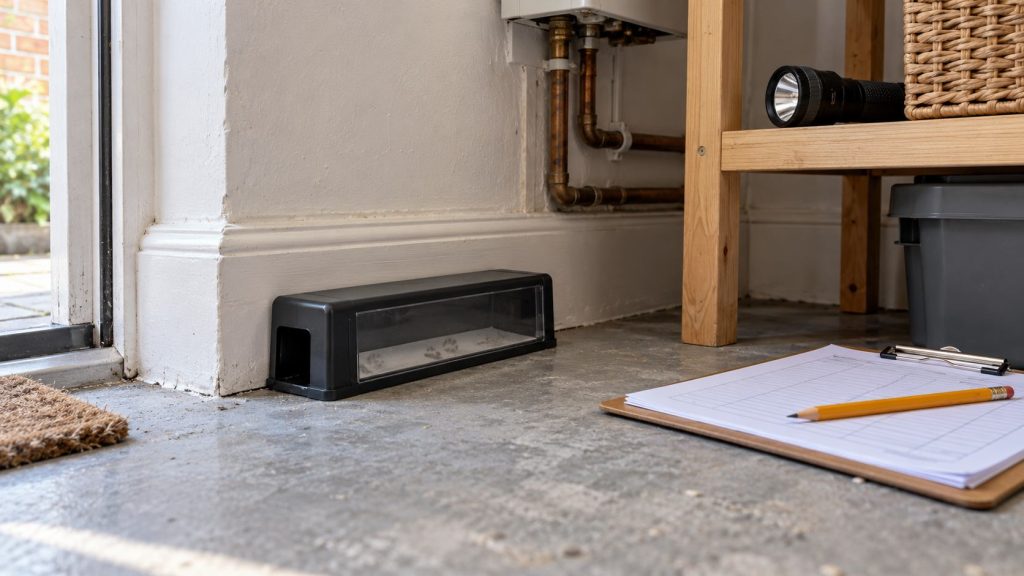
Once the electrical area has been made safe, look for pest evidence along the route without disturbing the cable or opening services yourself. Possible clues include droppings, gnawed packaging, nesting material and repeated sounds in the same void. A pest technician can inspect accessible edges, service penetrations and adjoining rooms, then decide whether the signs indicate mice, rats or something else. If you have only a damaged cable, be open to non-pest explanations.
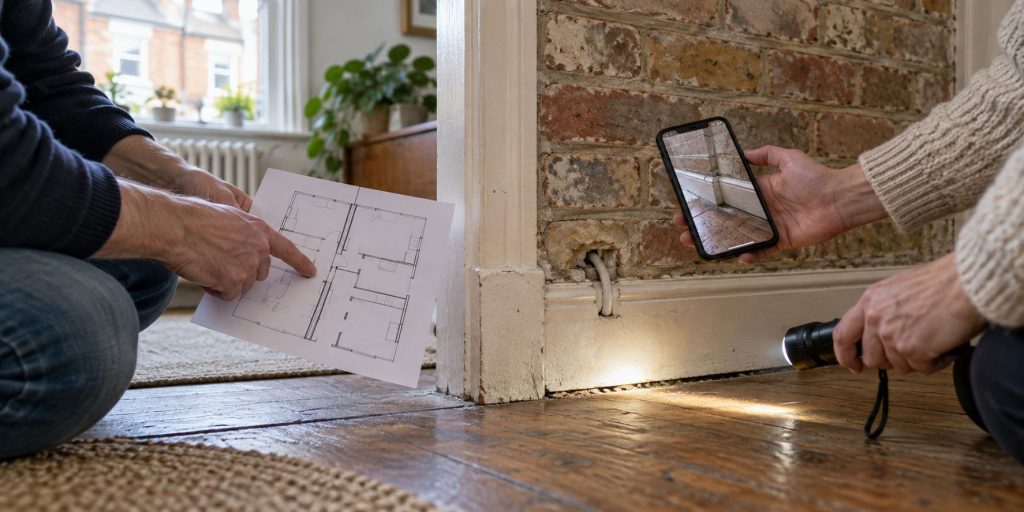
The route matters as much as the visible damage. In a flat, a cable may pass through a shared riser or the back of a fitted kitchen. In a house, the route may connect a utility room to an underfloor void or garage. Photograph accessible gaps, note doors and pipe entries, and share the electrician’s access information with the pest technician. The site’s pest inspection service can help establish the source before proofing work begins.
If droppings are present, leave them undisturbed and arrange appropriate cleaning. Do not sweep or vacuum dry material simply to see whether more appears tomorrow. The guide to mouse and rat droppings explains why size and appearance alone may not settle the identification. Keep the electrical report and pest report together, but label each finding by the professional who made it.
Coordinate repair, treatment and proofing
The order of work should be explicit. The electrician makes the damaged electrical item or circuit safe and advises on repair. The pest technician maps activity and recommends control and proofing. The building contractor closes confirmed access routes with appropriate materials, preserving required ventilation and service access. If these jobs overlap, hold a short conversation before boxing is replaced; otherwise a neatly repaired wall may conceal an untreated route.
Do not seal a hole while an animal may be trapped in a void. Equally, do not leave an access opening indefinitely because the cable has been repaired. Ask the pest technician what monitoring is needed to show that activity has declined and when proofing can be completed. If mice are confirmed, the mice control page sets out the inspection-led service; for confirmed rats, the rat control page covers the corresponding response.
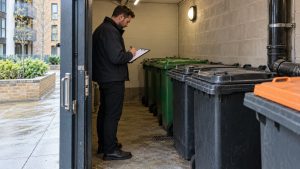
In shared buildings, the managing agent may need to provide access to risers, plant rooms or communal cupboards. One occupier cannot repair a route through an area they do not control. Record the permissions, the person arranging each visit and the date the route was closed. If a neighbour reports similar signs, combine the information into one building map rather than treating each flat as an isolated case.
Do not confuse a safe cable with a solved infestation
An electrician may replace the damaged section and return the appliance to service while mice still use the same void. Conversely, a pest treatment can reduce activity while an unsafe cable remains. Ask for separate completion evidence: an electrical report or repair confirmation, and pest monitoring that shows whether new signs have stopped. Only then can the property manager judge whether the incident is closed.
Take dated photographs of the repaired area from the same viewpoint as the first record. Keep any new gnaw marks, trips or sounds in a log, and report them promptly. Do not repeatedly remove covers or re-check a cable by touch. If activity resumes after proofing, revisit the route map and the adjoining spaces; a quiet week by itself may not demonstrate that every access point is closed.
Give occupants a clear, calm update
Tell affected occupants which appliance or area is out of use, who will assess it and how they should report a change. Avoid promising that a cable is safe before the electrician has confirmed it. In a workplace, make sure shifts and cleaning staff know about the restriction, not just the person who first noticed the damage. Put any isolation notice or barrier in place through the responsible site team.
After the inspection, share the practical outcome: what was damaged, what was repaired or replaced, whether a rodent was confirmed, which routes were addressed and when follow-up will take place. This prevents a rumour about “rats in all the wiring” from becoming the only record. If the source remains uncertain, state that and explain the next check. A factual update also helps a landlord or managing agent coordinate access without assigning blame.
A short checklist for the first day
Stop use of the affected item or area; keep people away; seek competent electrical advice; record the position without touching the cable; note any trips, heat or smell; preserve safe-to-view pest evidence; and arrange a pest inspection once the electrical risk is controlled. Give both professionals the same location and timeline. Do not improvise a taped repair, place poison near equipment or seal an unexplored service opening.
If you need help finding the animal’s route after the electrician has assessed the hazard, contact Panther Pest Control with the room, photographs and electrical findings. The best outcome is not merely a new cable: it is safe electrical work, a confirmed explanation for the damage where possible, a closed access route and monitoring that tests whether the problem has ended.

Al Joel is a practical writer and long-term property maintenance specialist focused on real-world pest control, home safety and prevention advice. His guides translate common warning signs into clear next steps for homeowners, tenants, landlords and property managers.His approach begins with correct identification. A sighting in one room may originate from a neighbouring flat, service riser, drainage, roof space, delivery or communal waste area. Al explains how to preserve useful evidence, reduce food and water sources, avoid spreading activity and choose proportionate treatment.What readers can expectClear identification clues and practical inspection stepsSafe preparation, cleaning and aftercare guidancePrevention advice for homes, flats and commercial premisesHonest guidance on when DIY is reasonable and when professional help is the smarter optionWhen professional help makes senseRepeated sightings, activity in several rooms, uncertain identification, vulnerable occupants or signs involving food, electrics and shared building routes deserve a professional inspection. A lasting solution normally combines targeted treatment with proofing, hygiene and follow-up monitoring.Explore the Pest Library, learn how treatment works, or request property-specific advice.