Local Pest Problems · LONDON
Living in Islington: How Urban Homes Can Reduce the Risk of Pest Problems
Al JoelAl Joel is a practical writer and long-term property maintenance specialist who focuses on real-world pest control, home safety, and prevention advice. His blog posts are written in a clear, no-nonsense style, based on hands-on experience rather…

How Urban Homes Can Reduce the Risk of Pest Problems
Living in Islington offers many advantages. From its period townhouses and leafy streets to busy high roads and excellent transport links, the area combines historic character with modern city life. Like many central London boroughs, however, Islington’s mix of dense housing, older buildings, and constant activity can sometimes create conditions where pest problems develop if properties are not carefully maintained.
Understanding how the local environment affects pest behaviour can help homeowners, tenants, and landlords reduce risks and respond appropriately when issues arise.
A closer look at Islington’s housing landscape
Islington is known for its architectural diversity. Georgian and Victorian terraces sit alongside converted flats, council housing, and newer apartment developments. While this variety adds to the area’s appeal, it also means that buildings can have very different structural characteristics.
Older properties may contain hidden voids, ageing brickwork, or original drainage systems that can allow pests to move unnoticed between properties. Converted flats often share walls, basements, or roof spaces, increasing the likelihood of pest movement if one area is affected. Newer developments, particularly those close to construction zones, can also experience temporary pest activity as habitats are disrupted.
In areas with high footfall, food outlets, and shared waste storage, rodents and insects are more likely to be present. These factors make routine property checks and early intervention especially important for Islington residents.
Common pest issues in urban London areas
Urban environments tend to support a predictable range of pests. In Islington, the most commonly encountered issues often include rodents, crawling insects, and seasonal pests.
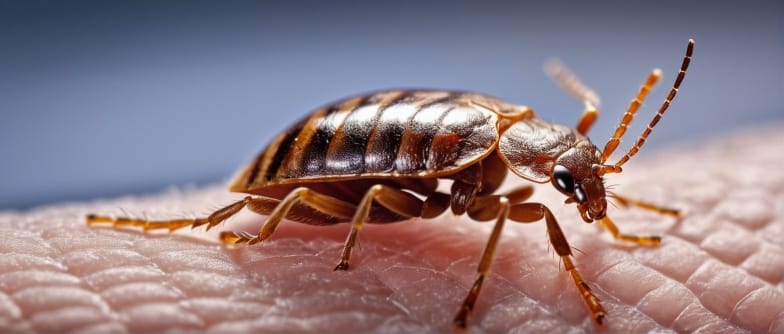
Rats and mice are attracted by warmth, shelter, and accessible food sources. They may enter properties through small gaps, damaged drains, or poorly sealed doors and vents. Insects such as ants and cockroaches are often linked to moisture, food residue, or structural gaps, while bed bugs can spread easily in areas with high residential turnover.
Seasonal changes can also influence pest behaviour. Colder months often push pests indoors in search of warmth, while warmer weather can increase insect activity and breeding cycles. Heavy rainfall may drive rodents out of burrows and into buildings through drainage systems or foundations.

Why early identification matters
One of the biggest challenges with pest problems is that early signs are often missed or ignored. Small issues can escalate quickly if left unaddressed, particularly in terraced or multi-occupancy buildings.
Droppings, unusual smells, scratching noises, or insect sightings may indicate a developing problem. Addressing these signs early helps limit damage, reduce health risks, and avoid disruption to neighbouring properties.
A measured, inspection-led approach is generally more effective than reacting only when an infestation becomes obvious. Understanding how pests are entering a property, what is attracting them, and where they are nesting allows for more targeted and responsible control methods.
Preventative steps for Islington properties
While no property can be completely pest-proof, there are practical steps residents can take to reduce risk. Keeping waste areas clean and secure, sealing visible gaps around doors and pipework, and managing moisture in basements or kitchens can all help limit pest access.
Good ventilation plays an important role, particularly in older buildings where damp conditions may develop. Regularly checking lofts, storage areas, and external walls can also help identify maintenance issues before they become larger problems.
For landlords and property managers, routine inspections are especially important. Shared buildings require coordination to ensure that issues in one flat do not affect others.

When professional pest control is appropriate
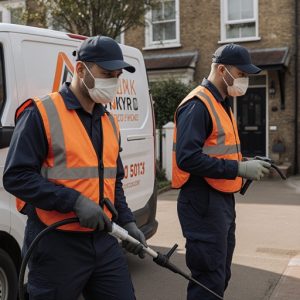
Despite preventative efforts, pest issues can still occur. In such cases, professional support can help assess the situation properly and apply suitable control measures. Effective pest control is rarely about a single treatment; it often involves a combination of inspection, targeted action, and advice on preventing recurrence.
For residents looking for pest control support in Islington, working with a service familiar with local property types and urban conditions can make a significant difference. Local knowledge helps ensure that treatments are proportionate, appropriate, and aligned with the specific challenges found in central London housing.
If you’re experiencing a pest issue or would like more information about services available in the area, you can find further details on pest control in Islington here:
Absolute Pest Control Islington | Vermin & Pest Services – Panther Pest Control

A balanced approach to long-term protection
Managing pests in a busy borough like Islington requires a balance between prevention and response. Understanding how local conditions, building types, and seasonal changes influence pest activity allows residents to make informed decisions about property care.
By staying attentive to early signs, maintaining buildings properly, and seeking professional guidance when needed, homeowners and tenants can help protect their living spaces and maintain a healthier indoor environment throughout the year.
Panther Pest Control works with homeowners, tenants, and landlords across Islington, offering practical pest control support based on local property types and conditions. Their approach focuses on careful inspections, targeted treatments, and clear guidance to help reduce the risk of recurring pest problems.

Al Joel is a practical writer and long-term property maintenance specialist who focuses on real-world pest control, home safety, and prevention advice. His blog posts are written in a clear, no-nonsense style, based on hands-on experience rather than theory. Al’s goal is simple: to help homeowners make safe, informed decisions and know when DIY is reasonable and when professional help is the smarter option.