Pest Control · LONDON
Found Droppings But No Pest? What It Really Means
Al JoelAl Joel is a practical writer and long-term property maintenance specialist who focuses on real-world pest control, home safety, and prevention advice. His blog posts are written in a clear, no-nonsense style, based on hands-on experience rather…

What It Really Means If You Find Droppings?
Found droppings in your home but no visible pests often means an active hidden infestation moving through concealed areas of your property that requires prompt attention to prevent escalation.
- Droppings are usually an early sign of hidden pest activity before sightings occur
- Pests commonly travel through walls, lofts, and behind appliances out of sight
- Consistent droppings indicate established movement routes and nesting nearby
- UK homes provide ideal hiding spaces through structural gaps and voids
- Delaying action can allow infestations to grow in size and spread further
Pest droppings found without seeing the source usually indicate that pests are already active within the property, moving through hidden areas rather than open spaces. These signs often appear early in an infestation and can easily be missed until activity becomes more established. Because pests are naturally cautious and avoid human contact, visual sightings are far less common than physical evidence.
In most cases, pests follow regular travel routes between nesting and feeding areas, leaving droppings along skirting boards, inside cupboards, behind appliances, and in other low-disturbance zones. These patterns suggest repeated movement rather than a single entry, meaning the infestation is already established. Understanding this behaviour is key to identifying the scale of the issue before it spreads further.
UK properties often provide multiple concealed spaces such as wall cavities, loft insulation, and floor voids, which allow pests to remain hidden for long periods. By the time droppings are noticed, the infestation may already be developing across more than one area. Acting early helps prevent further contamination, structural damage, and expansion into additional parts of the home.
What Pest Droppings Can Tell You About Hidden Infestation
Pest droppings are one of the most reliable indicators of activity inside a property, even when the pests themselves remain unseen. Their size, shape, and distribution can help identify the type of pest involved, whether it is mice, rats, or other common UK intruders. In many cases, droppings are the first and only visible sign of an infestation, making them a key focus during early detection. Understanding what you are looking at can provide valuable insight into the severity and location of the problem.
Different pests leave distinct traces, and recognising these patterns is essential when assessing rodent droppings identification UK. For example, mouse droppings are typically small and pellet-like, while rat droppings are larger and more blunt at the ends. The location of these droppings also matters, as they are usually found along walls, inside cupboards, or near food sources. Fresh droppings are darker and softer, indicating recent activity, while older ones become dry and brittle over time.
In addition to identifying the pest type, droppings can also reveal the level of infestation. A small number may suggest early activity, while larger clusters often indicate a well-established population. This is why professional pest controllers place significant emphasis on signs of pest infestation UK homes during inspections. Droppings are rarely random and often follow a clear pattern that points directly towards nesting areas or frequent travel routes within the property.
Why You See Evidence But Not the Pest Itself
It is very common to find droppings, smear marks, or damage without ever seeing the pest responsible. Most pests are naturally nocturnal and highly cautious, meaning they actively avoid human presence. Instead of moving openly, they travel through concealed routes such as wall cavities, pipework, loft insulation, and behind fitted units. This behaviour allows them to remain hidden while still leaving clear evidence of their activity.
In many UK homes, structural features unintentionally support this hidden movement. Gaps around pipes, floor voids, and cavity walls provide safe corridors that pests use repeatedly. This is why rodents in UK homes are rarely seen during the day, even when they are actively present. Their ability to adapt to tight, dark spaces makes detection difficult without specialist tools, even when the infestation is already established.
Another reason pests are not seen is their instinct to avoid risk. Rats and mice are particularly sensitive to changes in light, sound, and vibration, so they will often freeze or retreat long before a person notices them. This is why hidden pest activity signs such as droppings, scratching sounds, or gnaw marks are often more reliable indicators than visual sightings. By the time a pest is visible, the infestation is often already advanced or disturbed.
Where Pests Usually Hide After Leaving Droppings
Hidden Travel Routes Inside the Structure
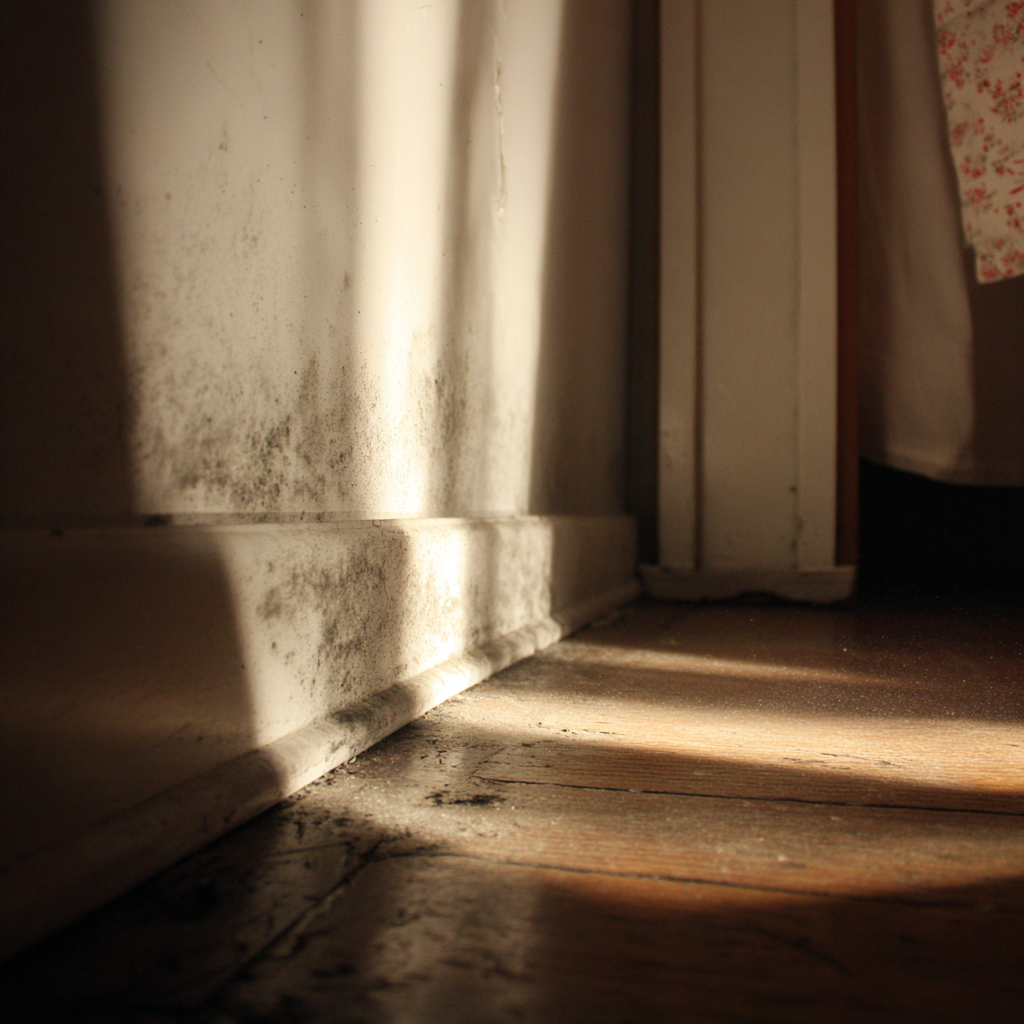
Once pests establish themselves inside a property, they rarely stay in open areas. Instead, they move through concealed routes that offer protection and consistent access to food sources. These pathways often include wall voids, ceiling spaces, and floor cavities, which allow pests to travel undetected for long periods. Droppings are commonly left along these routes rather than directly at the nest, making them an important clue for tracing movement.
Common Harborage Areas in UK Homes
In most cases, pests settle in areas that provide warmth, shelter, and minimal disturbance. These locations are often difficult for homeowners to inspect without specialist equipment. Typical hiding places include:
- Behind kitchen appliances such as cookers and fridges
- Inside loft insulation and roof voids
- Under floorboards and suspended floors
- Within wall cavities and partition spaces
Why These Areas Are Difficult to Inspect
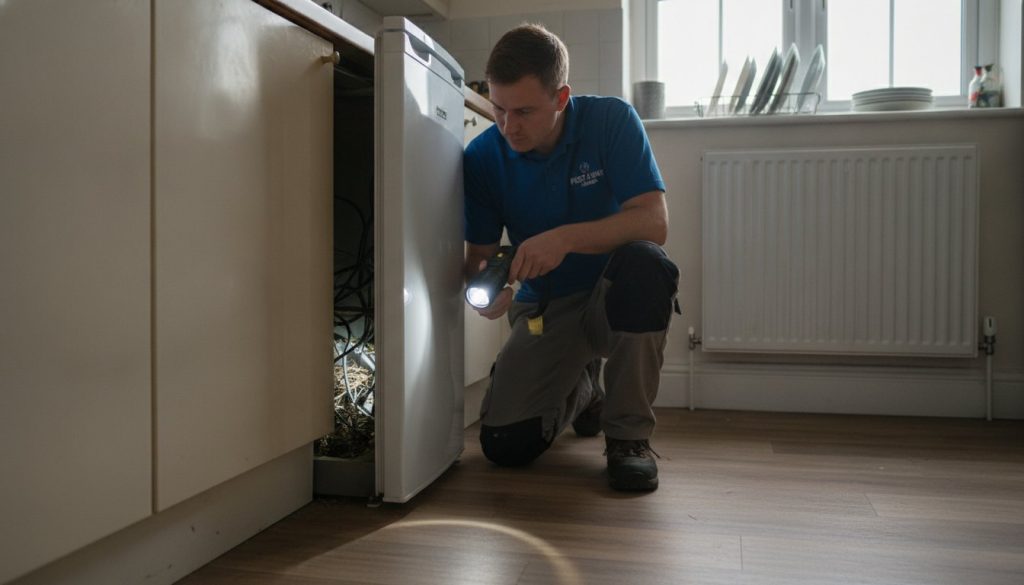
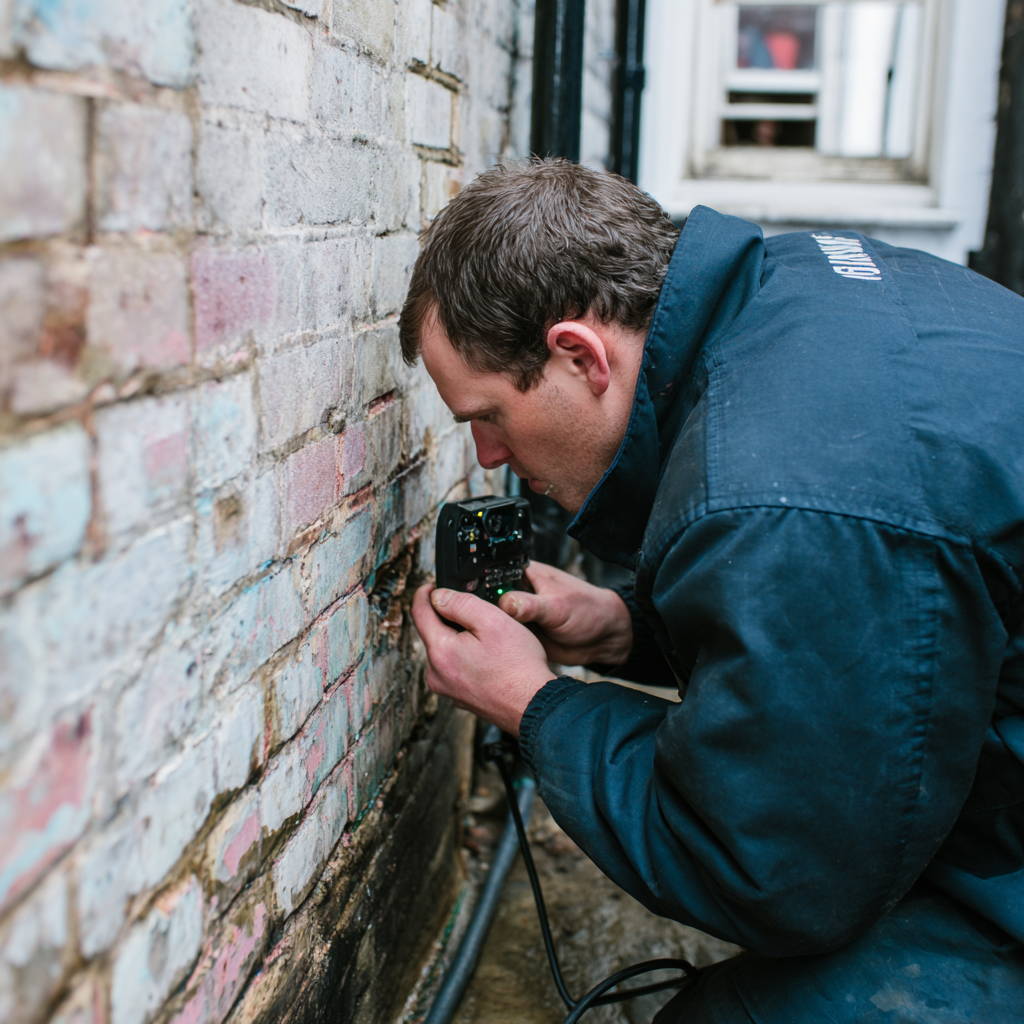
Many of these hiding locations are not easily accessible without dismantling parts of the property or using inspection tools. This is why infestations can persist unnoticed for extended periods. Professional pest controllers often rely on equipment such as probe cameras and inspection scopes to identify activity inside voids and tight spaces that cannot be seen directly. Without these tools, locating the exact source of the problem can be challenging.
How Droppings Help Trace Nesting Locations
Although pests hide effectively, they still leave behind patterns that can help trace their movements. The concentration of droppings often increases closer to nesting sites or feeding areas. By following these trails, professionals can narrow down likely entry points and harbourage zones. This method is a key part of identifying hidden pest nesting areas UK and ensuring treatment is accurately targeted.
How Fresh Droppings Indicate Active Pest Movement in Your Home
Understanding the Difference Between Fresh and Old Droppings
One of the most important clues in pest detection is the condition of the droppings themselves. Fresh droppings are usually dark, moist, and soft, indicating that pests have been active very recently. Over time, they dry out, becoming lighter in colour and more brittle. This distinction helps determine whether you are dealing with an ongoing issue or a past infestation that may have already died out or moved elsewhere.
Why Fresh Droppings Signal Ongoing Activity
When fresh droppings appear repeatedly, it is a strong indication that pests are still actively moving through the property. This often means there is a nearby food source or nesting site supporting continued activity. In many cases, homeowners underestimate this stage, assuming a small amount of evidence is insignificant. However, fresh evidence is one of the clearest signs of active rodent infestation UK and should not be ignored.
Where Fresh Droppings Are Commonly Found
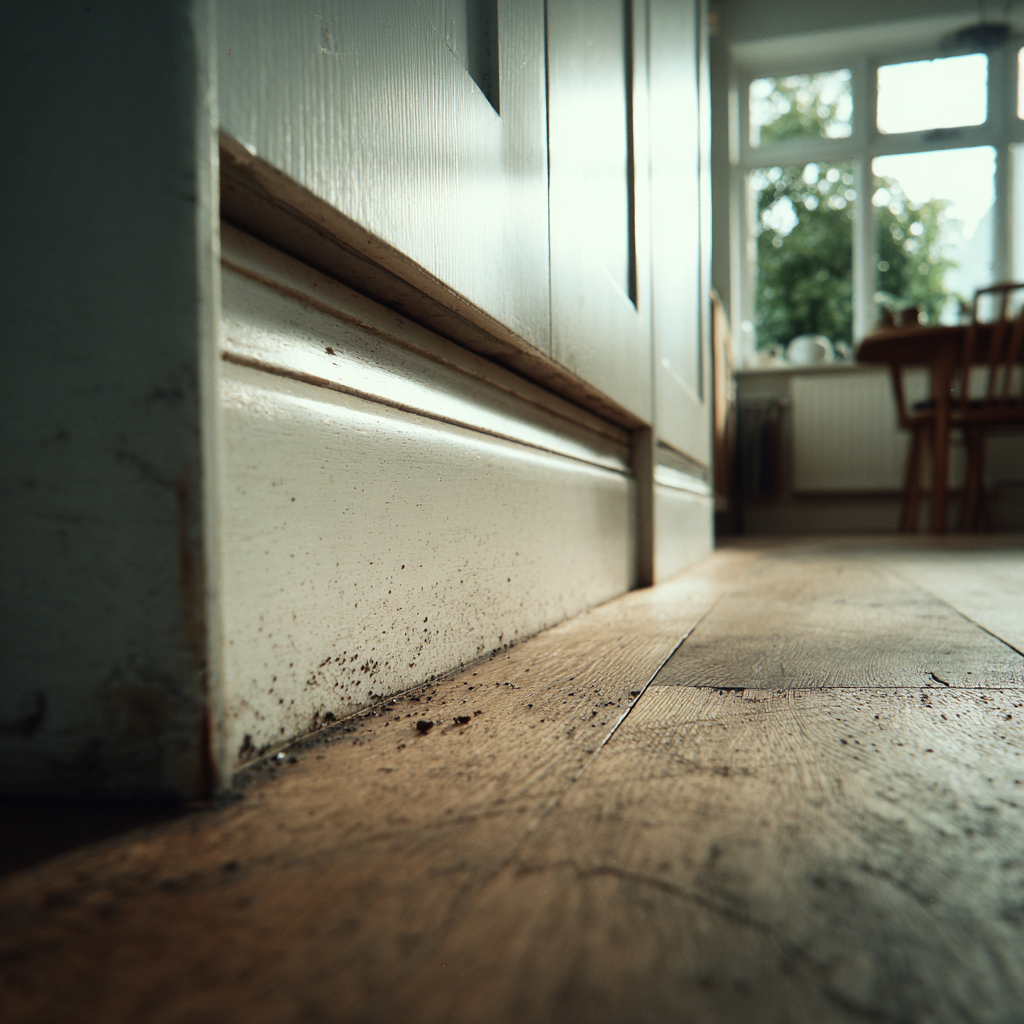
Fresh droppings are typically located along regular travel routes where pests feel safest. These areas often include kitchen cupboards, behind appliances, along skirting boards, and near entry points such as gaps around pipes. In some cases, droppings may also appear in lofts or basements where pests are nesting. The consistent appearance of new droppings in the same areas is a strong indicator that the infestation is established and ongoing.
Why This Stage Requires Immediate Attention
At this point, the infestation is no longer a minor issue. Active movement means pests are feeding, breeding, and expanding their presence within the property. This increases the risk of contamination, damage, and further spread into additional rooms or structural voids. Identifying fresh pest droppings meaning early allows for faster intervention before the problem escalates into a larger and more costly infestation.
Frequently Asked Questions
Common UK Pests That Leave Droppings Behind Without Being Seen
hy Some Pests Are Rarely Seen in Homes
Many infestations go unnoticed for long periods because the pests involved are naturally secretive and highly adaptive. They tend to avoid open spaces and instead rely on hidden routes within the structure of a property. This makes droppings one of the most reliable indicators of their presence, especially when visual sightings are rare or non-existent. In UK homes, this behaviour is particularly common due to warm indoor environments and easy access to food sources.
Most Common Pests Responsible for Hidden Droppings
Several pests are known for leaving evidence without being seen, especially in domestic settings. These include:
- House mice, which leave small pellet-like droppings in cupboards and along skirting boards
- Brown rats, which produce larger droppings often found near walls or in loft spaces
- Cockroaches, which leave small dark droppings in warm, hidden areas such as kitchens and boiler cupboards
Behaviour Patterns That Keep Pests Hidden
Each of these pests follows predictable but concealed movement patterns. Mice are agile climbers and can move through extremely small gaps, while rats are cautious and tend to travel along fixed routes close to walls. Cockroaches prefer warm, humid environments and typically remain hidden during the day. These behaviours contribute to the difficulty of spotting them directly, even when droppings are present in multiple areas of the property.
Why Droppings Are Often the First Warning Sign
Because these pests are rarely visible, droppings become the earliest and most consistent indicator of activity. Homeowners may only discover the issue when cleaning or moving items, revealing clusters of evidence in overlooked areas. Recognising common UK household pests droppings early can help prevent the infestation from spreading further and causing more significant damage over time.
Can Mice Climb Walls and Ceilings in UK Homes?
How Mice Move Through Vertical and Overhead Spaces
Mice are highly agile climbers and can easily navigate vertical surfaces within a property. Their small size, light body weight, and strong claws allow them to scale brickwork, pipes, cables, and rough internal walls. This means they are not restricted to floor level activity and can quickly access loft spaces, suspended ceilings, and upper cupboards. As a result, droppings may appear in unexpected elevated areas rather than only at ground level.
Common Routes Used in Domestic Properties
In UK homes, mice often exploit structural features to move between floors and rooms. These routes are usually hidden from plain sight, making detection difficult without inspection tools. Typical pathways include:
- Electrical cables running through walls and ceilings
- Pipework leading between kitchen and bathroom areas
- External brickwork with rough surfaces for grip
- Loft beams and roof insulation layers
Why Vertical Movement Increases Hidden Activity
Because mice can access multiple levels of a property, infestations often spread more widely than expected before being noticed. This behaviour allows them to avoid heavily trafficked areas while still accessing food sources. It also explains why droppings may appear in lofts, cupboards, or wall-adjacent shelving without any visible signs of entry points at ground level.
How Professionals Trace High-Level Activity
Locating mice in elevated or concealed spaces often requires specialist inspection methods. Pest control technicians may use tracking dust, UV light detection, or probe cameras to identify movement routes inside wall voids and ceiling spaces. These techniques help confirm mouse climbing behaviour UK homes and pinpoint nesting areas that would otherwise remain hidden during a standard visual inspection.
The Risks of Ignoring Droppings Even If You Never See the Pest
What Droppings Really Indicate About Infestation Levels
Even a small number of droppings is rarely insignificant. In most cases, it indicates that pests are already established somewhere within the property and actively moving between nesting and feeding areas. Because pests reproduce quickly and remain hidden, visible evidence often represents only a fraction of the actual activity taking place behind walls, under floors, or in loft spaces.
Health Risks Associated With Pest Contamination
Pest droppings can carry harmful bacteria and pathogens that may contaminate food preparation areas and surfaces. This is particularly concerning in kitchens, pantries, and storage spaces where contact with food is likely. Over time, contamination can spread beyond the initial area of activity, increasing the risk of illness and hygiene issues within the home. This is why health risks of rodent droppings UK should never be underestimated.
Property Damage Caused by Hidden Activity
Beyond health concerns, pests can also cause structural and material damage. Rodents may chew through wiring, insulation, and even timber, while also contaminating stored items with urine and droppings. These issues often develop gradually, making them difficult to detect until the damage becomes more severe. Ignoring early warning signs allows the infestation to expand unchecked.
Why Early Action Prevents Escalation
Acting quickly when droppings are first discovered can significantly reduce the scale of the problem. Early intervention limits breeding cycles, reduces contamination, and makes treatment more straightforward. In contrast, delaying action allows pests to spread into additional areas of the property, making hidden pest infestation risks UK much harder and more costly to resolve.
When Droppings Mean You Need Professional Pest Control
Warning Signs That Go Beyond Surface Evidence
Finding droppings on a single occasion may not always indicate a severe infestation, but repeated findings are a different matter. When droppings continue to appear in multiple locations, especially after cleaning, it suggests active and ongoing pest movement. This is often the point where the infestation is already established within hidden areas of the property rather than being limited to surface-level activity.
Limitations of DIY Inspection Methods
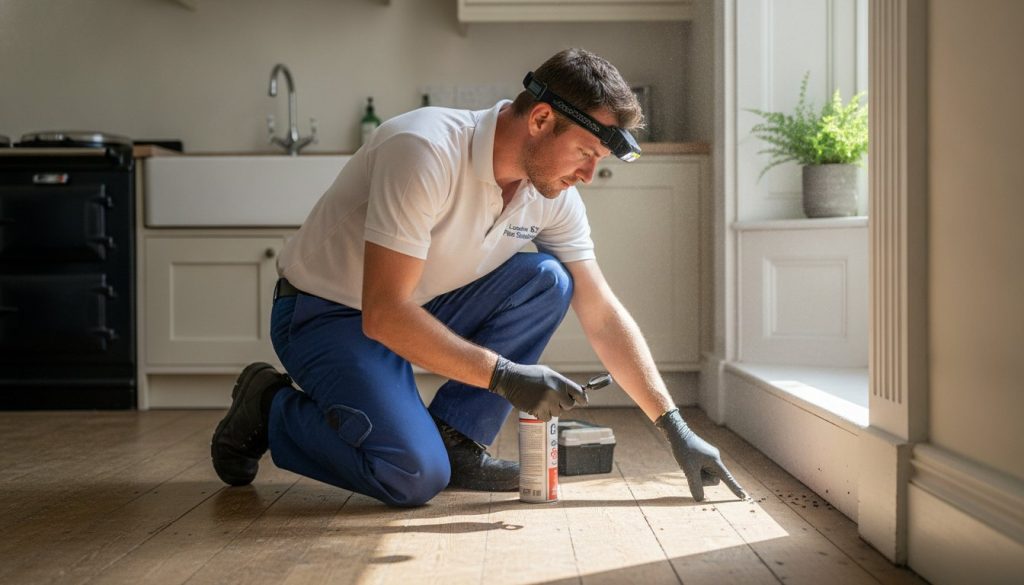
Most homeowners rely on visual checks, which are only effective in accessible areas. However, pests typically hide in structural voids that cannot be seen without specialist equipment. This makes it difficult to accurately assess the full extent of the problem. Professional pest controllers use tools such as inspection cameras, UV tracking lights, and monitoring dust to detect movement patterns that are not visible during a standard inspection.
Key Indicators That Require Expert Attention
There are several clear signs that professional intervention is necessary. These include:
- Repeated discovery of fresh droppings in different areas
- Droppings appearing alongside gnaw marks or grease trails
- Unexplained scratching or movement sounds at night
- Evidence found in lofts, wall cavities, or under floorboards
Why Professional Tools Make a Difference
Specialist pest control equipment allows technicians to identify the exact source of activity and assess how far the infestation has spread. This includes locating entry points, nesting areas, and travel routes that are otherwise inaccessible. Using methods such as pest inspection cameras UK and UV detection tools ensures that treatment is targeted, effective, and focused on eliminating the root cause rather than just visible symptoms.
Take Action Before the Problem Escalates
Why Early Response Matters in Pest Control
Droppings are one of the earliest and most reliable indicators of hidden pest activity, and responding quickly can make a significant difference in controlling the situation. When pests are still in the early stages of establishing themselves, treatments are typically more straightforward and less disruptive. Delaying action allows them to expand nesting areas, increase in numbers, and spread into multiple parts of the property.
How Small Signs Can Lead to Larger Infestations
What begins as occasional droppings can quickly develop into a full infestation if left unchecked. Pests reproduce rapidly and will continue to use the same travel routes as long as food and shelter are available. This is why even minimal evidence should be taken seriously, as it often reflects more extensive hidden activity within walls, lofts, or under flooring. Recognising early pest infestation signs UK homes helps prevent escalation.
The Value of Professional Intervention
Professional pest control provides more than just treatment; it ensures accurate identification and complete investigation of the problem. Technicians can locate entry points, nesting sites, and hidden movement routes using specialist tools that are not available to homeowners. This level of assessment is essential for ensuring that the infestation is fully resolved rather than temporarily suppressed.
Final Outcome When Action Is Taken Early
Addressing the issue promptly reduces the risk of contamination, structural damage, and ongoing pest activity. It also prevents the infestation from spreading to additional rooms or neighbouring properties. By acting at the first sign of droppings, homeowners can avoid more complex treatment processes and restore their property to a safe, hygienic condition more efficiently.
More From Panther Pest Control
Contact Us Today
Contact form
"*" indicates required fields

Al Joel is a practical writer and long-term property maintenance specialist who focuses on real-world pest control, home safety, and prevention advice. His blog posts are written in a clear, no-nonsense style, based on hands-on experience rather than theory. Al’s goal is simple: to help homeowners make safe, informed decisions and know when DIY is reasonable and when professional help is the smarter option.
Related Pest Control Articles
 Pest Control for Restaurants and Food Businesses in the UK: A Complete Guide to Compliance and Prevention
 How Mice Infestations Increase Hantavirus Risks and What You Can Do To Protect Your Home
 Are Rats Dangerous? Health Risks of Rat Infestations in Houses Explained
 Signs You Have a Pest Problem Before You See the Pest