Local Pest Problems · LONDON
How to Pest-Proof Your Home: A Room-by-Room Guide
Al JoelAl Joel is a practical writer and long-term property maintenance specialist focused on real-world pest control, home safety and prevention advice. His guides translate common warning signs into clear next steps for homeowners, tenants, landlords and property…

How to Pest-Proof Your Home: A Room-by-Room Guide
Keeping your home free from pests requires more than occasional treatments. A room-by-room approach helps you identify risks early and maintain a consistently protected environment. From kitchens to loft spaces, each area presents unique challenges that need targeted prevention strategies.
- Reduces the risk of infestations before they start
- Protects food, hygiene, and living spaces
- Creates a structured and proactive pest prevention routine
A well-planned pest-proofing strategy focuses on prevention, maintenance, and early detection. By addressing each area of your home individually, you can minimise entry points and eliminate the conditions pests rely on to thrive.
In residential properties, pest issues often begin in overlooked areas such as under appliances, inside wall gaps, or around pipe entry points. When prevention is inconsistent, even small vulnerabilities can quickly lead to larger infestations.
Homeowners who follow a structured pest-proofing routine tend to experience fewer issues long term. By combining regular checks with simple maintenance tasks, it becomes much easier to keep your home protected all year round.
This guide breaks down practical steps for each key area of your home, helping you stay ahead of potential pest problems with a clear and manageable approach.
Kitchen Hygiene and Food Protection Measures
Food Storage and Surface Discipline
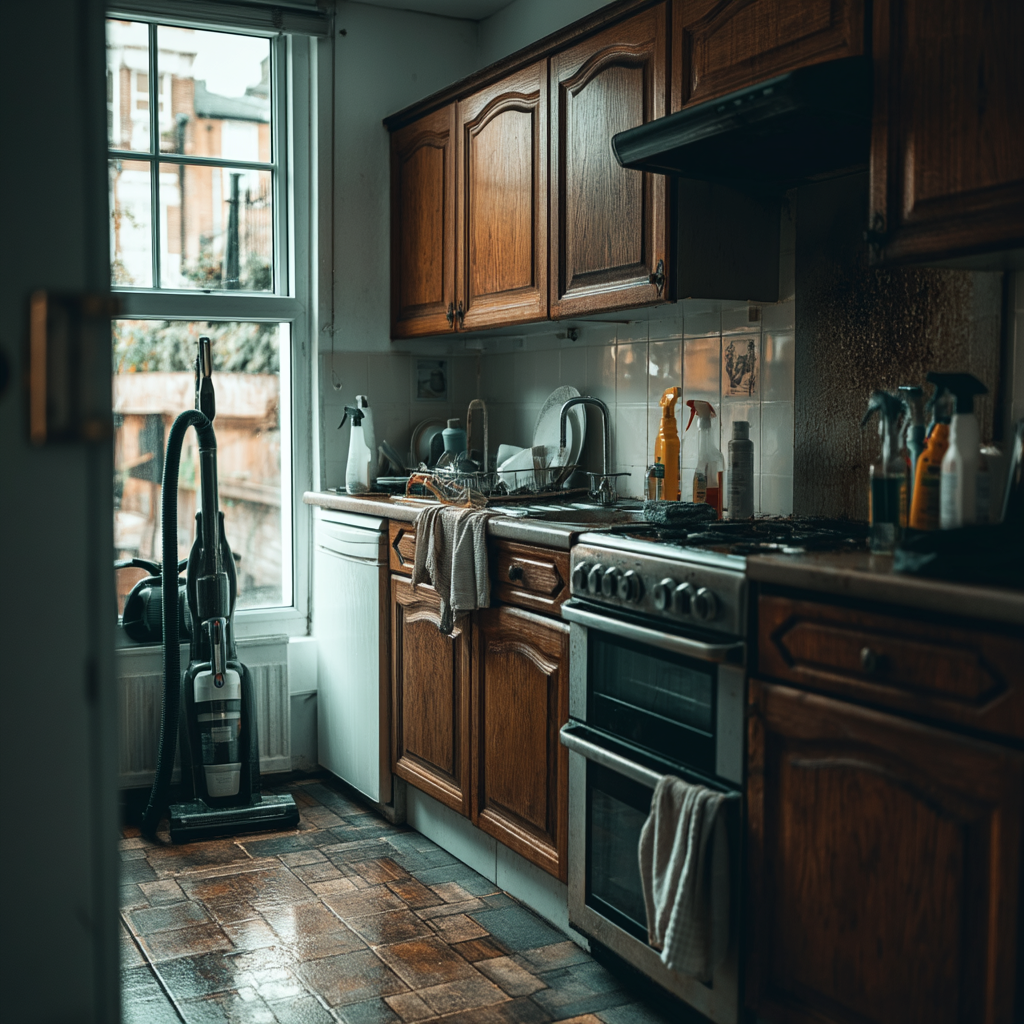
food storage control begins with strict containment of all consumables in airtight units, particularly in Victorian conversions and purpose-built flats where shared kitchens increase contamination risk. Worktops must be cleared after each use to eliminate scent trails that attract ants and rodents. In commercial office buildings, staff kitchenettes require scheduled wipe-down routines to prevent residue accumulation that supports early-stage infestations.
Waste Management and Bin Hygiene
waste control systems must be enforced through daily bin removal cycles and the use of tightly sealed lids to block odour dispersion. Mansion blocks often experience pest pressure from communal waste areas, especially during warmer months when rodent activity increases. Regular sanitation of bin interiors reduces biofilm buildup that can sustain recurring pest attraction patterns.
Hidden Appliance Risk Zones
appliance hygiene inspection focuses on concealed debris behind refrigerators, ovens, and integrated units where organic matter accumulates unnoticed in high-ceilinged townhouses and modern flats alike. These voids are primary nesting indicators when crumbs and grease are left unaddressed. Linking this inspection process with Mice Control ensures early detection of rodent movement before structural spread occurs.
Structural Sealing and Entry Point Prevention
entry point sealing targets micro gaps around pipework, window frames, and door thresholds that act as primary ingress routes in both residential and commercial properties. Victorian conversions are particularly vulnerable due to ageing structural joints and retrofitted utilities. Reinforcement aligned with Rat Control is applied after mapping access points using trace evidence such as droppings and grease marks.
Bathroom Moisture Control and Pest Prevention
Moisture Driven Pest Activity
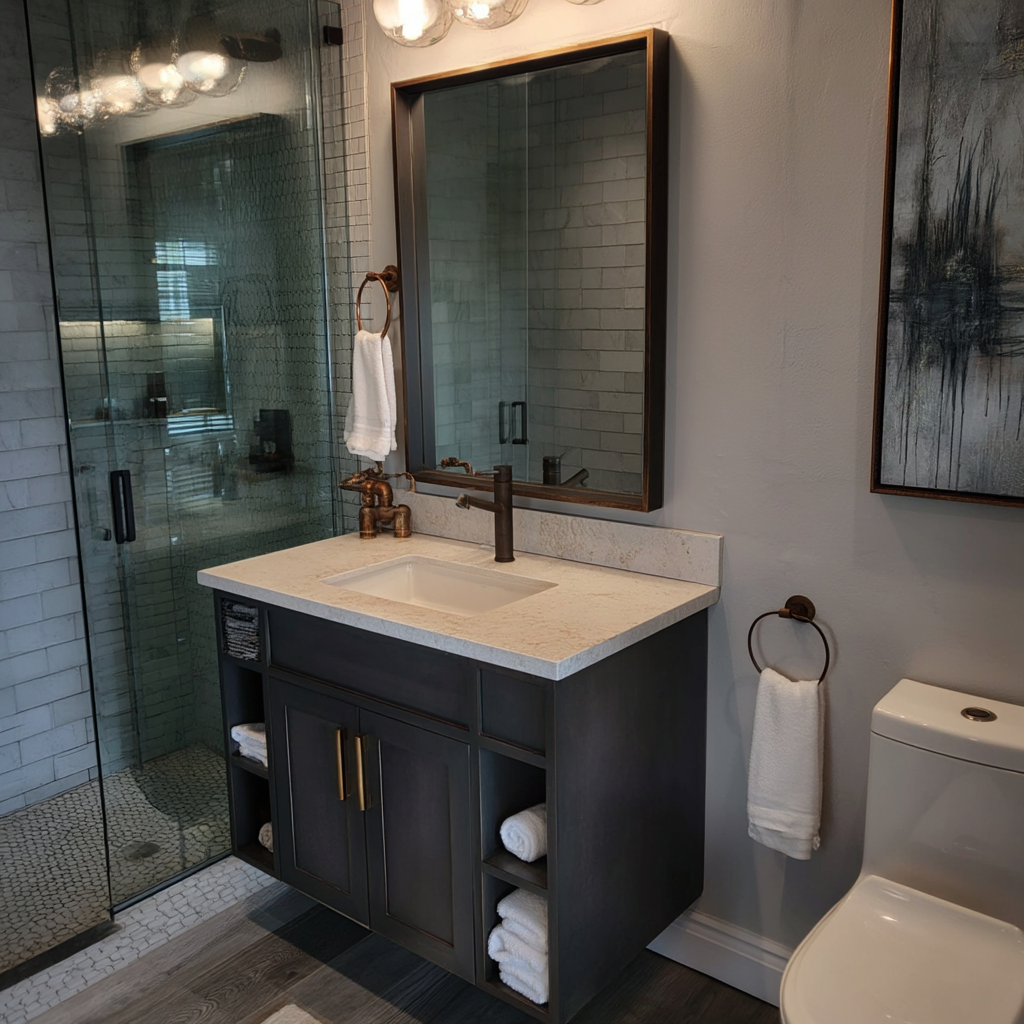
bathroom humidity control is essential because constant moisture in Victorian conversions, mansion blocks, and purpose-built flats creates ideal conditions for insects such as silverfish and cockroaches. Condensation buildup around tiled surfaces and enclosed en-suites allows pests to establish undetected harbourage zones. Linking moisture identification with Silverfish Control ensures early intervention before populations expand within sealed bathroom voids.
Leak Detection and Fixture Inspection
leak monitoring systems must be applied under sinks, around toilet bases, and behind concealed plumbing fixtures where slow drips often go unnoticed in high-ceilinged townhouses and commercial office washrooms. Even minimal water escape creates sustained humidity pockets that support pest survival cycles. Technicians prioritise moisture tracing as part of structured inspection routines before escalation occurs.
Pipe Sealing and Structural Gaps
pipe entry sealing is a critical control measure in mansion blocks where shared wall cavities allow pests to migrate between units through unsealed utility penetrations. Gaps around plumbing are assessed for width, material degradation, and movement traces. Integration with Cockroach Control supports targeted treatment once ingress routes have been confirmed through physical evidence mapping.
Ventilation and Humidity Regulation
bathroom ventilation management reduces pest attraction by maintaining low humidity levels using extractor fans and controlled airflow, particularly in enclosed flats and converted period properties where natural ventilation is limited. Damp reduction directly disrupts breeding conditions for moisture dependent pests. Routine airflow verification ensures long term suppression of environmental triggers that encourage infestation development.
Loft, Roof, and External Protection Tips
Loft Nesting Risk Conditions
loft pest risk assessment is critical because lofts and attic spaces in Victorian conversions, high-ceilinged townhouses, and mansion blocks provide stable warmth, shelter, and minimal disturbance that supports rodents, birds, and insects. These environments often remain unchecked for long periods, allowing early-stage infestations to develop unnoticed. Linking inspection findings with Nest Inspection ensures structured detection before nesting cycles become established.
Roof Integrity and Access Point Control
roof entry inspection focuses on identifying broken tiles, lifted flashing, and micro gaps along ridge lines that allow pest ingress into attic voids. Even minimal structural displacement in purpose-built flats or converted roof spaces can create repeated access routes for rodents. Technicians prioritise external-to-internal correlation checks to confirm whether activity traces align with active entry points before sealing works begin.
Insulation and Contamination Monitoring
insulation contamination tracking involves examining loft insulation for displacement, droppings, and shredded nesting material that indicate ongoing rodent or insect activity. In mansion blocks and shared roof structures, contamination patterns often spread across multiple adjoining units if not identified early. Integration with Rat Control supports targeted intervention once movement pathways through insulation layers are confirmed.
External Vent and Gutter Protection
external ventilation protection requires securing roof vents with fine mesh barriers while maintaining airflow, particularly in older Victorian conversions where original venting systems remain partially exposed. Blocked gutters create standing water conditions that attract pests and increase roofline activity. Routine clearance and mesh reinforcement reduce environmental attractants and limit structural access opportunities.
Perimeter Vegetation Management
external perimeter control involves trimming vegetation that touches building facades, preventing branches from acting as physical bridges for rodents and insects. This is especially important in high-density residential areas where gardens and shared courtyards surround mansion blocks and townhouses. Combining vegetation control with structural sealing creates a multi-layered barrier that reduces overall pest ingress risk.

Frequently Asked Questions
Contact Us Today
Contact form
"*" indicates required fields

Al Joel is a practical writer and long-term property maintenance specialist focused on real-world pest control, home safety and prevention advice. His guides translate common warning signs into clear next steps for homeowners, tenants, landlords and property managers.
His approach begins with correct identification. A sighting in one room may originate from a neighbouring flat, service riser, drainage, roof space, delivery or communal waste area. Al explains how to preserve useful evidence, reduce food and water sources, avoid spreading activity and choose proportionate treatment.
What readers can expect
- Clear identification clues and practical inspection steps
- Safe preparation, cleaning and aftercare guidance
- Prevention advice for homes, flats and commercial premises
- Honest guidance on when DIY is reasonable and when professional help is the smarter option
When professional help makes sense
Repeated sightings, activity in several rooms, uncertain identification, vulnerable occupants or signs involving food, electrics and shared building routes deserve a professional inspection. A lasting solution normally combines targeted treatment with proofing, hygiene and follow-up monitoring.
Explore the Pest Library, learn how treatment works, or request property-specific advice.
Related Pest Control Articles
 Pest Control for Restaurants and Food Businesses in the UK: A Complete Guide to Compliance and Prevention
 How Mice Infestations Increase Hantavirus Risks and What You Can Do To Protect Your Home
 Are Rats Dangerous? Health Risks of Rat Infestations in Houses Explained
 How Pest Infestations Start in London Homes (Real Entry Points Explained)