Local Pest Problems · LONDON
What Happens If You Ignore a Pest Problem (Real Risks Explained)
Al JoelAl Joel is a practical writer and long-term property maintenance specialist focused on real-world pest control, home safety and prevention advice. His guides translate common warning signs into clear next steps for homeowners, tenants, landlords and property…
Small issues grow into serious damage
Ignoring a pest problem might seem harmless at first. A few ants in the kitchen, scratching sounds in the walls, or a single mouse sighting can feel like minor inconveniences. However, pests rarely stay “minor” for long. Once they settle in, they multiply, spread, and cause a range of hidden and visible problems.
Understanding what actually happens when pests are ignored can help homeowners take faster action and avoid costly consequences.
Small signs today can become major damage tomorrow

Ignoring a pest problem is one of the most common mistakes homeowners make, and it often leads to serious consequences. What starts as a few droppings, strange noises, or an occasional insect sighting can quickly turn into a full infestation.
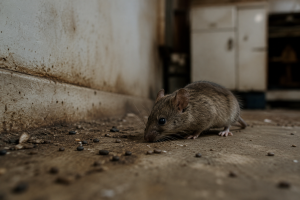
One of the biggest risks is rapid multiplication. Rodents like mice and rats reproduce quickly, especially in warm indoor environments. In just a few weeks, a small presence can turn into a growing nest hidden in walls, lofts, or under floors. Insects such as cockroaches and ants spread even faster, forming large colonies that are difficult to control once established.
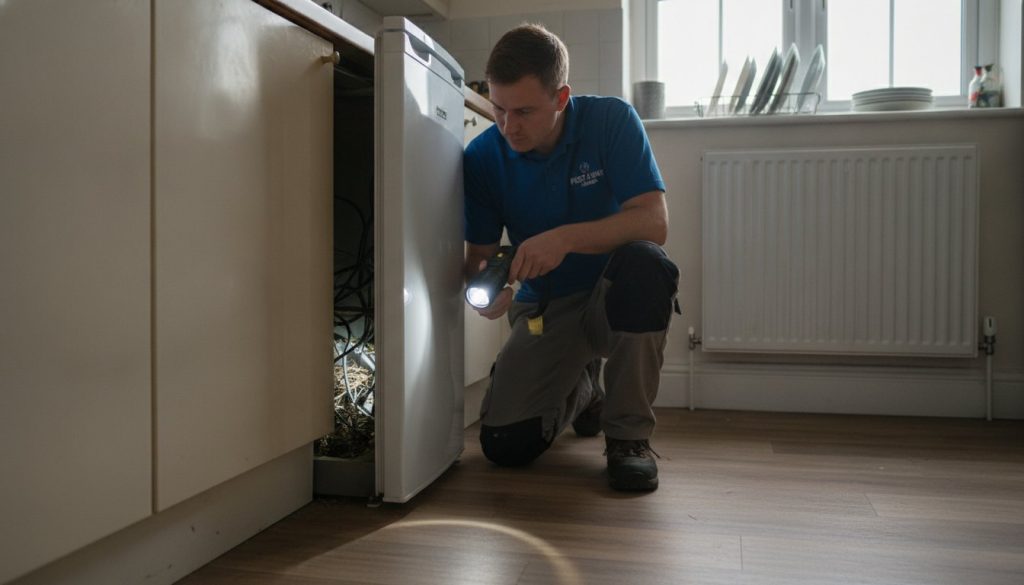
Another major issue is property damage. Rodents chew through wood, insulation, and even electrical wiring, increasing the risk of electrical faults or fire hazards. Over time, this damage becomes expensive to repair and often goes unnoticed until it becomes severe.
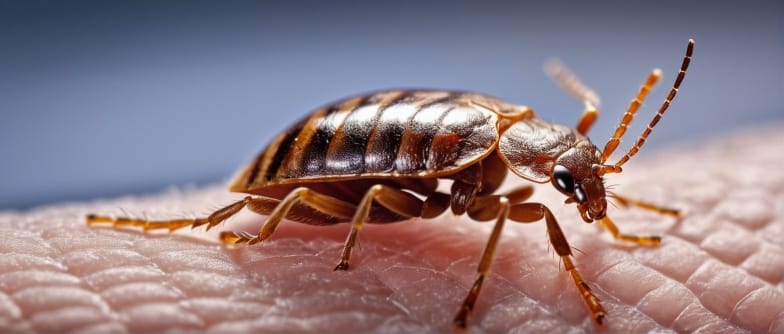
Health risks are also a serious concern. Pests can contaminate food and surfaces with bacteria through droppings and urine. This can lead to stomach issues, allergies, and respiratory problems, particularly for children and vulnerable individuals. Bed bugs add further discomfort by causing itching, irritation, and sleep disruption.
If left untreated, pests also spread throughout the home. What begins in the kitchen can quickly move into bedrooms, bathrooms, and storage areas through pipes, gaps, and hidden wall spaces. This makes the infestation harder to locate and eliminate.
The longer a pest problem is ignored, the more complex and costly it becomes to resolve. Early signs should never be dismissed, as quick action is the most effective way to prevent long-term damage.
Why delaying action makes the problem worse
Pests Don’t Disappear — They Multiply
One of the biggest risks of ignoring pests is how quickly they reproduce. Rodents, insects, and crawling pests all have fast breeding cycles. A single pair of mice can turn into dozens within a short time if conditions are favourable.
Cockroaches, ants, and bed bugs also expand rapidly, especially in warm indoor environments where food and shelter are easy to find. What starts as a small presence often becomes a full infestation within weeks or months.
The longer the delay, the harder it becomes to control.
Structural Damage to Your Property
Pests don’t just stay hidden — they actively damage homes.
Rodents are known for chewing through wood, insulation, plastic, and even electrical wiring. This can weaken structures and create serious fire hazards. Over time, this damage becomes expensive to repair.
Squirrels in lofts can also tear insulation and woodwork, while insects like termites (in some regions) can silently destroy timber structures without immediate signs.
Ignoring pests allows this damage to continue unnoticed.
Health Risks for You and Your Family
One of the most serious consequences of pest infestations is the impact on health. Rodents and cockroaches can carry bacteria that contaminate food surfaces and living areas.
Their droppings and urine can trigger allergies, asthma, and respiratory problems, especially in children and older adults.
Bed bugs, while not known for spreading disease, cause intense itching, skin irritation, and sleep disruption. Over time, this can affect mental well-being and daily performance.
The longer pests remain, the greater the exposure to these health risks.
Rapid Spread Throughout the Home
Pests rarely stay in one place. Once they find a food source or nesting area, they spread quickly throughout the property.
Ants create long trails between food sources and nests. Cockroaches move through pipes, drains, and wall gaps. Rodents travel through lofts, basements, and cavity walls.
This movement makes infestations harder to locate and treat over time. A problem that started in the kitchen can easily reach bedrooms, bathrooms, and storage areas.
Damage to Food and Contamination
Food contamination is one of the most common issues in ignored infestations. Pests often enter kitchens and storage areas in search of food.
Rodents chew through packaging, while insects contaminate surfaces with bacteria and droppings. Even sealed containers can be compromised if pests gain access.
Once food supplies are contaminated, they must be thrown away, leading to waste and additional cost.
Increasing Repair and Treatment Costs
The longer a pest problem is ignored, the more expensive it becomes to fix. Early infestations are usually easier and cheaper to treat. However, once pests multiply and spread, more extensive treatments are required.
In severe cases, structural repairs, rewiring, deep cleaning, and repeated treatments may be necessary. This turns a small issue into a major financial burden.
Acting early is always more cost-effective.
Emotional Stress and Disruption
Living with pests can be extremely stressful. Constant worry about seeing rodents or insects, hearing noises at night, or dealing with bites can affect sleep and daily comfort.
Many homeowners also feel embarrassed or anxious about infestations, especially if they spread to visible areas of the home.
Over time, this stress can impact overall quality of life.
Infestations Affect Neighbouring Properties
In urban areas, pest problems don’t stay isolated. Rodents and insects can move between connected buildings, flats, and shared walls.
Ignoring a pest issue doesn’t just affect your home — it can also contribute to spreading the problem to neighbours. This can lead to wider infestations across multiple properties, making control even more difficult.
Harder and Longer Treatment Process
The longer pests are left untreated, the more established they become. Nests grow larger, hiding spots increase, and populations spread deeper into hard-to-reach areas.
This means treatment takes longer, requires more visits, and becomes more complex overall. What could have been a simple treatment becomes a long-term control process.
Early Action Makes All the Difference
The key takeaway is simple: pest problems do not fix themselves. They grow silently and steadily until they become serious.
Early action prevents damage, reduces health risks, and keeps treatment simple and effective. Even small signs — like droppings, noises, or occasional sightings — should never be ignored.
The sooner a pest issue is addressed, the easier it is to control and eliminate.
Final Thoughts
Ignoring a pest problem is never a safe option. From property damage and health risks to financial costs and emotional stress, the consequences increase the longer action is delayed.
Understanding these risks helps homeowners make quicker decisions and protect their homes properly. Pest control is always most effective when handled early — before the problem has time to grow.
Request a free quote
Contact us today to request your free, no-obligation quote and take the first step toward a pest-free environment.

Al Joel is a practical writer and long-term property maintenance specialist focused on real-world pest control, home safety and prevention advice. His guides translate common warning signs into clear next steps for homeowners, tenants, landlords and property managers.
His approach begins with correct identification. A sighting in one room may originate from a neighbouring flat, service riser, drainage, roof space, delivery or communal waste area. Al explains how to preserve useful evidence, reduce food and water sources, avoid spreading activity and choose proportionate treatment.
What readers can expect
- Clear identification clues and practical inspection steps
- Safe preparation, cleaning and aftercare guidance
- Prevention advice for homes, flats and commercial premises
- Honest guidance on when DIY is reasonable and when professional help is the smarter option
When professional help makes sense
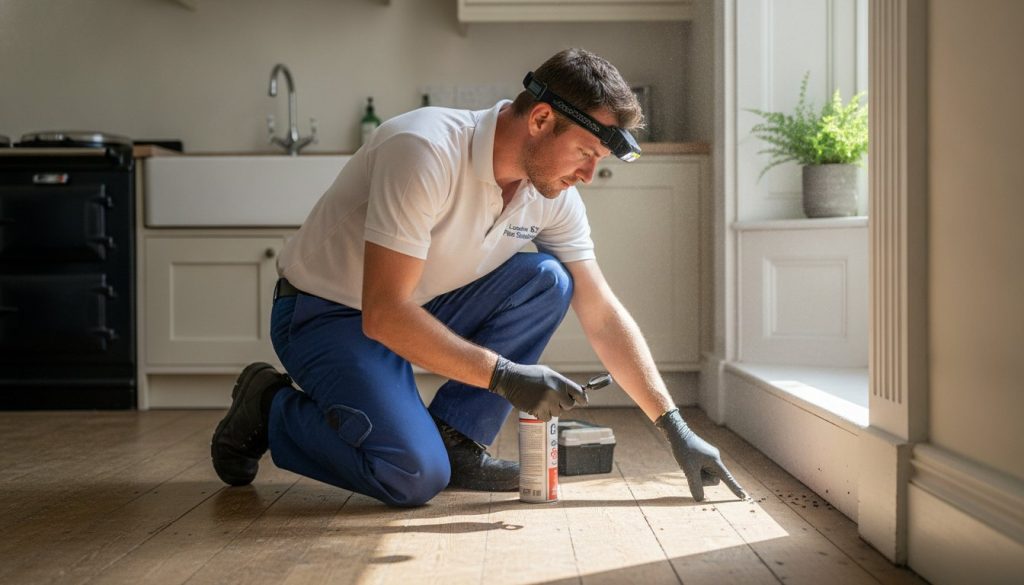
Repeated sightings, activity in several rooms, uncertain identification, vulnerable occupants or signs involving food, electrics and shared building routes deserve a professional inspection. A lasting solution normally combines targeted treatment with proofing, hygiene and follow-up monitoring.
Explore the Pest Library, learn how treatment works, or request property-specific advice.