Pest Control Advice · LONDON
Preparing Laundry and Soft Furnishings for Flea Control
A practical guide to preparing washable fabrics and upholstered furniture for a professional flea visit without mixing clean and suspect items.
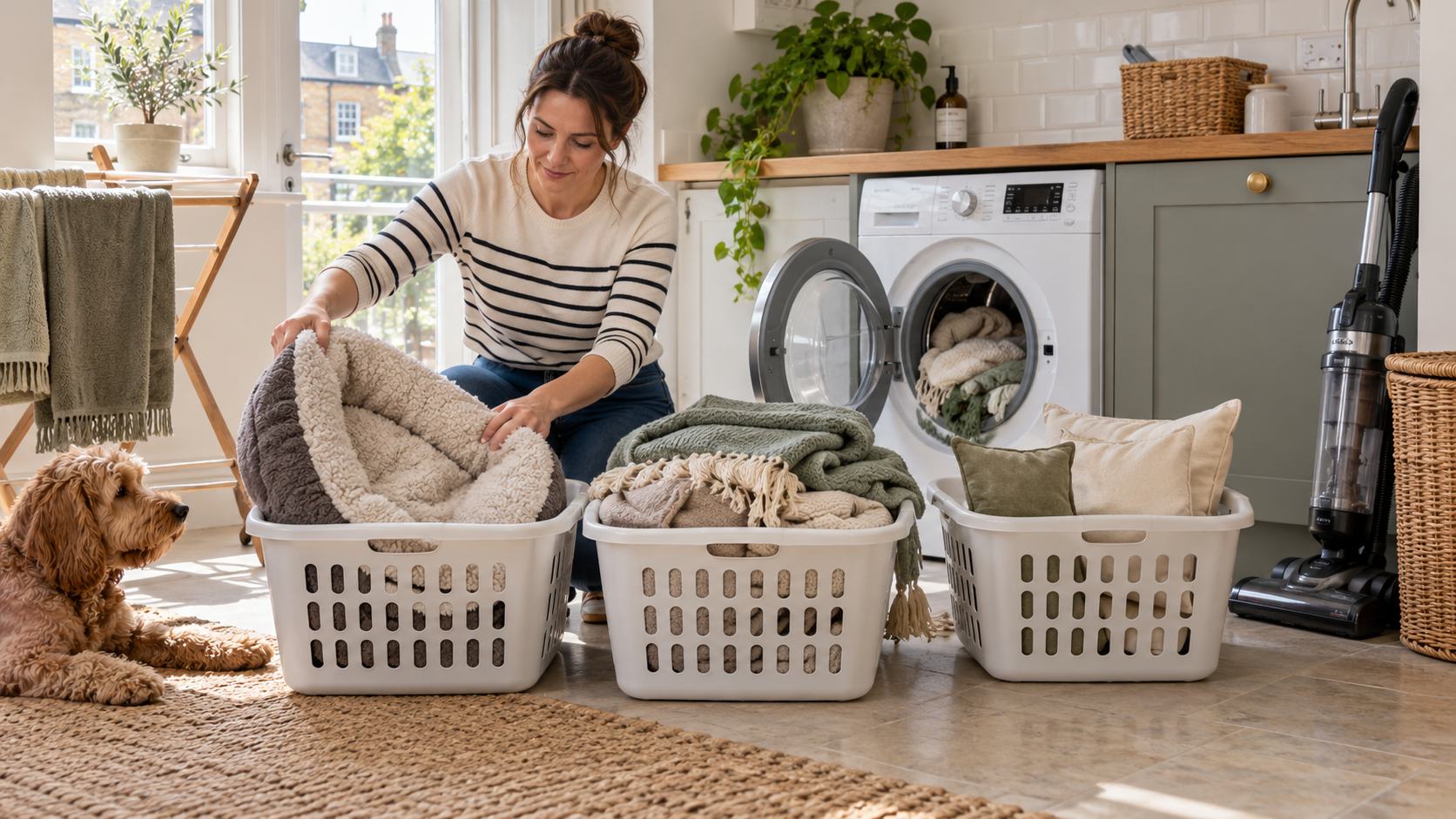
Preparing for flea treatment can turn an ordinary washday into a pile of bedding, throws and cushion covers. The temptation is to strip every room at once. That can leave clean and suspect items mixed together and make it harder for the technician to reach the floors and furniture that need attention. A short plan for what to wash, where to keep it and when to vacuum is more useful than frantic cleaning.
This guide focuses on laundry and soft furnishings before a professional flea visit in a UK home. It does not prescribe a chemical product or a fixed aftercare interval. Local councils give different timings because treatment methods vary. Use the written instructions from the company treating your property for the final preparation and re-entry details, and speak to your vet about treating a pet. The home and animal need to be considered together.
Get the treatment plan before starting the wash
Ask which rooms and surfaces the technician intends to inspect or treat, what must be moved, and what should stay in place. A treatment focused on carpets and skirting needs good floor access; a sofa may need cushions lifted or separated. If you have a pet’s favourite chair or sleeping spot, point it out. Do not assume every decorative cushion must be washed if it can instead be inspected or handled under the professional plan.
Write down the appointment time, any requirement to leave the home, when rooms may be used again and the cleaning restrictions afterwards. If a fish tank, reptile enclosure, bird cage or other sensitive animal is present, tell the technician before the visit. Cardiff Council’s flea preparation advice includes washing bedding and soft furnishings, vacuuming and coordinating pet treatment, but the company carrying out your treatment should specify the details for its method.
Sort fabrics by where they have been used
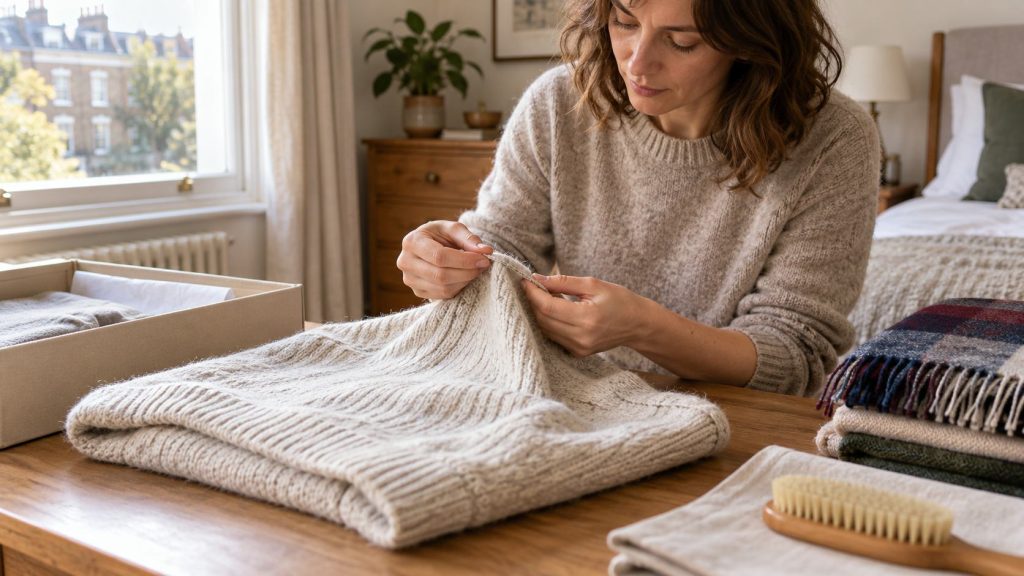
Start with pet bedding, blankets and washable covers in the rooms where the animal rests. Then consider sofa throws, removable cushion covers, human bedding and clothes left on the floor. Keep each group separate until it is cleaned. A washable cover is different from a whole upholstered cushion: check the care label before removing or heating anything. Do not force a large foam cushion into a machine or risk damaging a delicate fabric to meet an assumed temperature.
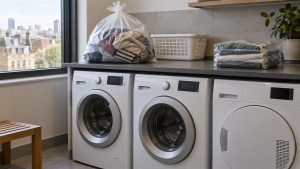
Make a simple list by room so nothing moves back to the wrong place. “Living-room dog blanket, cleaned and sealed” is more useful than an unlabelled bag. If you share laundry facilities, move items in closed bags or containers and keep the clean load separate on the return trip. Do not lay fresh laundry on the sofa or carpet that has not yet been treated.
Wash what the care label permits
Choose the hottest cycle the fabric label safely allows, and dry items thoroughly according to their instructions. Several councils advise washing pet bedding and other washable fabrics at high temperatures when suitable. Lambeth Council’s preparation guidance specifies 60°C for clothing and bedding in its service, while other fabrics may not tolerate that heat. Ask the technician how to handle non-washables rather than silently returning them to a cleaned room.
Bag clean, dry items in fresh bags or covered containers until the treatment area is ready for them. Reusing the same uncleaned laundry bag can defeat the effort of separating loads. Avoid overfilling the washer, since a crowded load may not wash or dry evenly. The point is a controlled flow from suspect to cleaned, not a single enormous load completed at any cost.
Set aside items whose labels say dry-clean only, do not tumble dry or cannot tolerate a hot wash. Photograph the care label and ask the technician what is sensible for those pieces. A favourite wool throw may need a different approach from a cotton pet blanket. Do not leave it in a forgotten pile at the back of a cupboard: either include it in the agreed plan or keep it contained until a decision has been made. This small inventory saves the same uncertain item from being moved around repeatedly.
Prepare the sofa and other upholstered furniture
Lift removable seat cushions only as directed and note which sofa they belong to. Vacuum seams, folds and the area beneath the furniture before treatment if the technician has asked for that. Do not carry cushions into bedrooms to create floor space. If furniture must move away from a wall, check that cables and appliance connections are not strained; ask for help with a heavy item. A chair that pets use daily deserves attention even if there is no visible flea on it.
For non-removable upholstery, follow the technician’s plan rather than adding a household spray. The fabric, treatment method and exposure of children or pets all matter. Photograph the position of furniture before moving it so it can be returned without covering a monitoring point. Keep throws and removable covers separately bagged until their cleaning is complete.
Vacuum before treatment, then follow aftercare
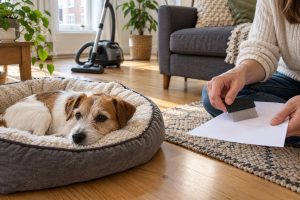
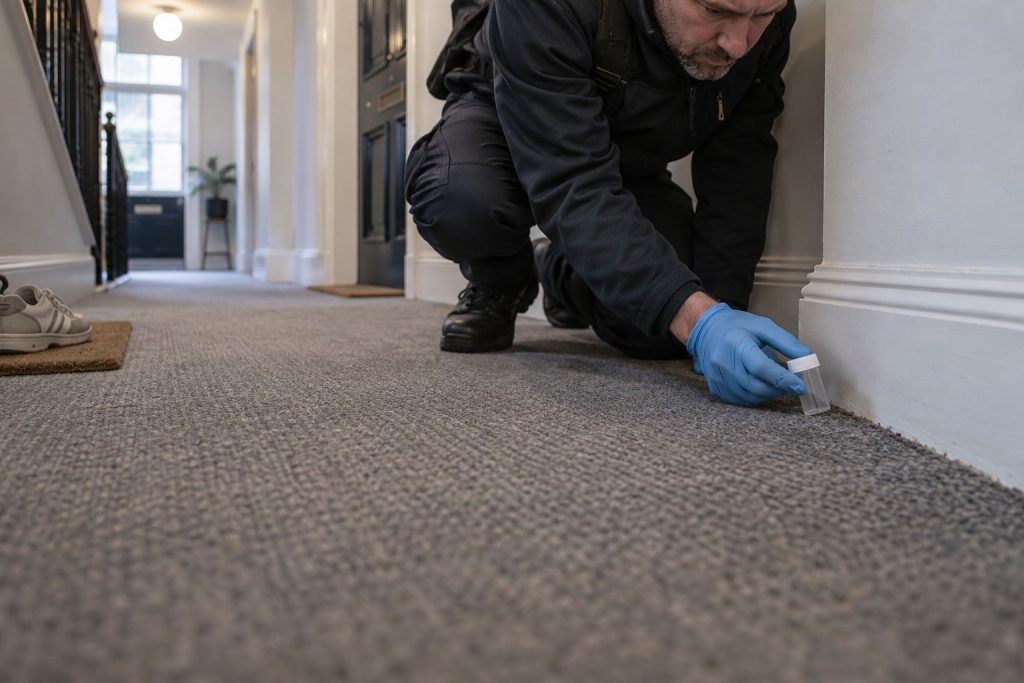
Vacuum carpets, rug edges, upholstered seams and skirting crevices before the appointment where access is safe. Pay attention to rooms where pets rest, not only the room where a person was bitten. Empty the vacuum waste into an outside bin promptly and clean the attachment as directed by the machine’s instructions. Coventry City Council’s flea guidance highlights upholstered furniture, under cushions and floor edges as useful areas to vacuum.
After treatment, cleaning advice can be different. Some residual applications need treated surfaces left undisturbed for a defined period. Do not copy a time interval from another council’s page: Lambeth, Cardiff and other services specify different schedules. Follow the written aftercare for the product and treatment used in your home, including when you may vacuum, mop, replace rugs and allow pets onto treated surfaces.
Coordinate pet care without improvising
If a cat or dog lives in the home, arrange veterinary advice on a suitable flea product and timing. Do not apply a household insecticide to an animal or assume a product safe for one species is safe for another. Wash or replace pet bedding as agreed, and remember where the pet spends time: a window seat, car seat or blanket in another room may be part of the picture. Tell the pest technician about all animals, including ones that visit regularly.
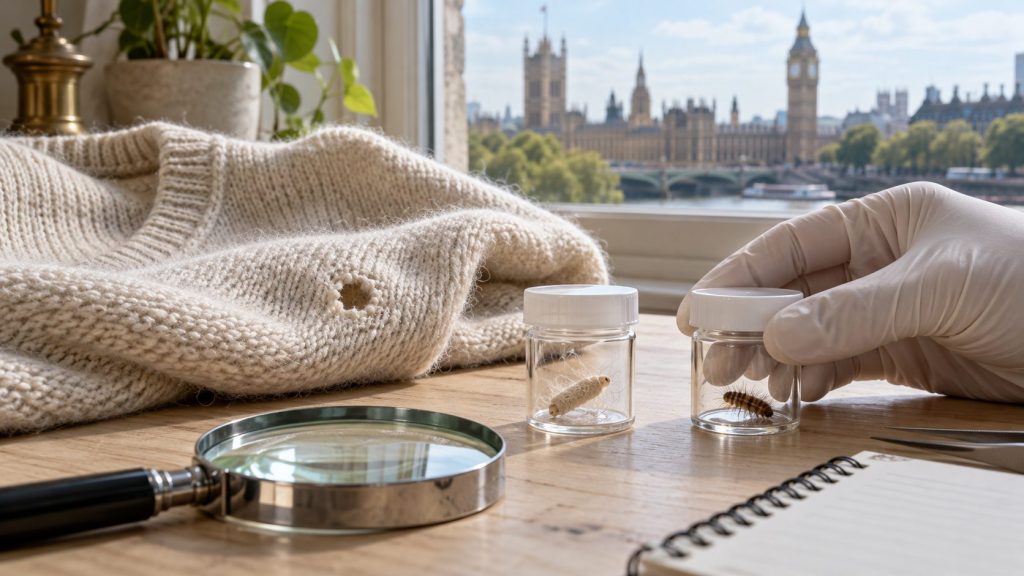
If there is no current pet, note whether a previous occupant had one or whether animals use a shared space. Flea activity can become noticeable after a property has been empty, so the source may not be obvious from today’s household. An inspection can help confirm the insect and identify where treatment is needed before every fabric in the house is washed unnecessarily.
Keep clean items clean during the visit
Choose a storage place away from the areas being treated, following the technician’s instructions. Sealed clean bedding should not be opened and spread on a treated floor while the room is still out of use. If bags must stay in the same room, ask where they can be placed so the technician can reach the perimeter. Keep a separate bag for used clothes worn during preparation.
Do not create an inaccessible wall of bags around the skirting. The treatment team needs to see and reach the surfaces in its plan. A brief walk-through before the appointment can identify remaining clutter, fragile items and furniture too heavy for you to move. Panther’s inspection-led process explains why preparation, treatment and follow-up are parts of one programme.
Check the result without resetting the room too soon
After the permitted re-entry time, follow the written advice about furniture and laundry. Put clean items back only when the area is ready. Record any fleas seen afterwards with the date and room; an immediate sighting does not always mean the treatment failed, but it should be reported in context. Ask when follow-up is planned and what level of activity is expected while remaining stages emerge.
Keep the list of washed items, pet treatment timing and rooms treated with the technician’s report. If activity continues, that record helps find a missed resting place or a source that has not been addressed. For property-specific preparation, use Panther’s contact page and mention pets, delicate furnishings and any shared laundry arrangements before the visit.

Al Joel is a practical writer and long-term property maintenance specialist focused on real-world pest control, home safety and prevention advice. His guides translate common warning signs into clear next steps for homeowners, tenants, landlords and property managers.His approach begins with correct identification. A sighting in one room may originate from a neighbouring flat, service riser, drainage, roof space, delivery or communal waste area. Al explains how to preserve useful evidence, reduce food and water sources, avoid spreading activity and choose proportionate treatment.What readers can expectClear identification clues and practical inspection stepsSafe preparation, cleaning and aftercare guidancePrevention advice for homes, flats and commercial premisesHonest guidance on when DIY is reasonable and when professional help is the smarter optionWhen professional help makes senseRepeated sightings, activity in several rooms, uncertain identification, vulnerable occupants or signs involving food, electrics and shared building routes deserve a professional inspection. A lasting solution normally combines targeted treatment with proofing, hygiene and follow-up monitoring.Explore the Pest Library, learn how treatment works, or request property-specific advice.