Pest Control Advice · LONDON
Bed Bugs in Shared Laundry Rooms: What Residents and Managers Should Do
A calm, evidence-led guide to communal laundry handling, reporting a suspected bed bug and deciding when professional inspection is needed.
A shared laundry room is a practical place to wash bedding, especially in a London block where individual flats have little space for a dryer. It can also make a suspected bed bug problem feel public. Residents may worry about using the machines; managers may wonder whether the whole room needs treatment. The sensible starting point is narrower. Bed bugs can travel on belongings, so the way laundry is carried, handled and collected matters. Finding one insect in the room, however, does not establish that the machines or every flat are infested.
This guide is for residents, caretakers and managing agents dealing with a report of possible bed bugs around communal washing facilities. It explains a careful laundry routine and a proportionate response to evidence in the room. If the main signs are beside a bed or sofa in a flat, arrange an inspection of the suspected source; cleaning the laundry room alone will not establish where the insects came from.
Why the room is a possible transfer point
Bed bugs do not seek out washing machines as a food source. They usually feed where people rest, then hide in nearby cracks and seams. The concern in a shared laundry is the journey between places: bedding, clothes, bags and baskets may come from a room with activity and be set down beside other people’s belongings. An insect can also be moved on a chair, a trolley or a coat. The US Environmental Protection Agency specifically advises caution in shared laundry facilities because bed bugs can hitchhike with items brought from home.
That possibility should not become a claim that a communal dryer is inherently unsafe. A properly used hot drying cycle can be part of managing affected textiles. The avoidable exposure is often on the bench or basket before and after the cycle, or in a bag reused for clean clothes. The useful question is: where were the items placed, and were untreated and clean items kept separate?
People sometimes assume a mark on a machine proves the insect came from that machine. It may not. A small brown insect needs identification, and a report should record the exact position, date and circumstances. Skin reactions alone are particularly uncertain. Panther’s bed bug treatment guide explains why physical evidence and the sleeping area remain central to an assessment.
Carry suspect laundry in a closed bag
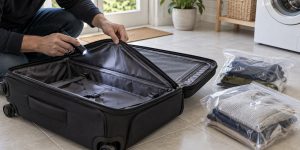
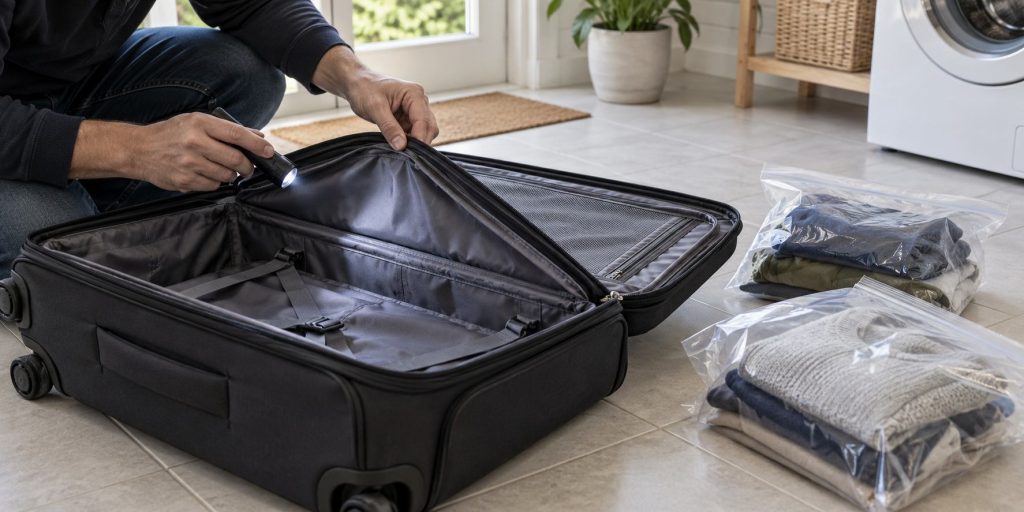
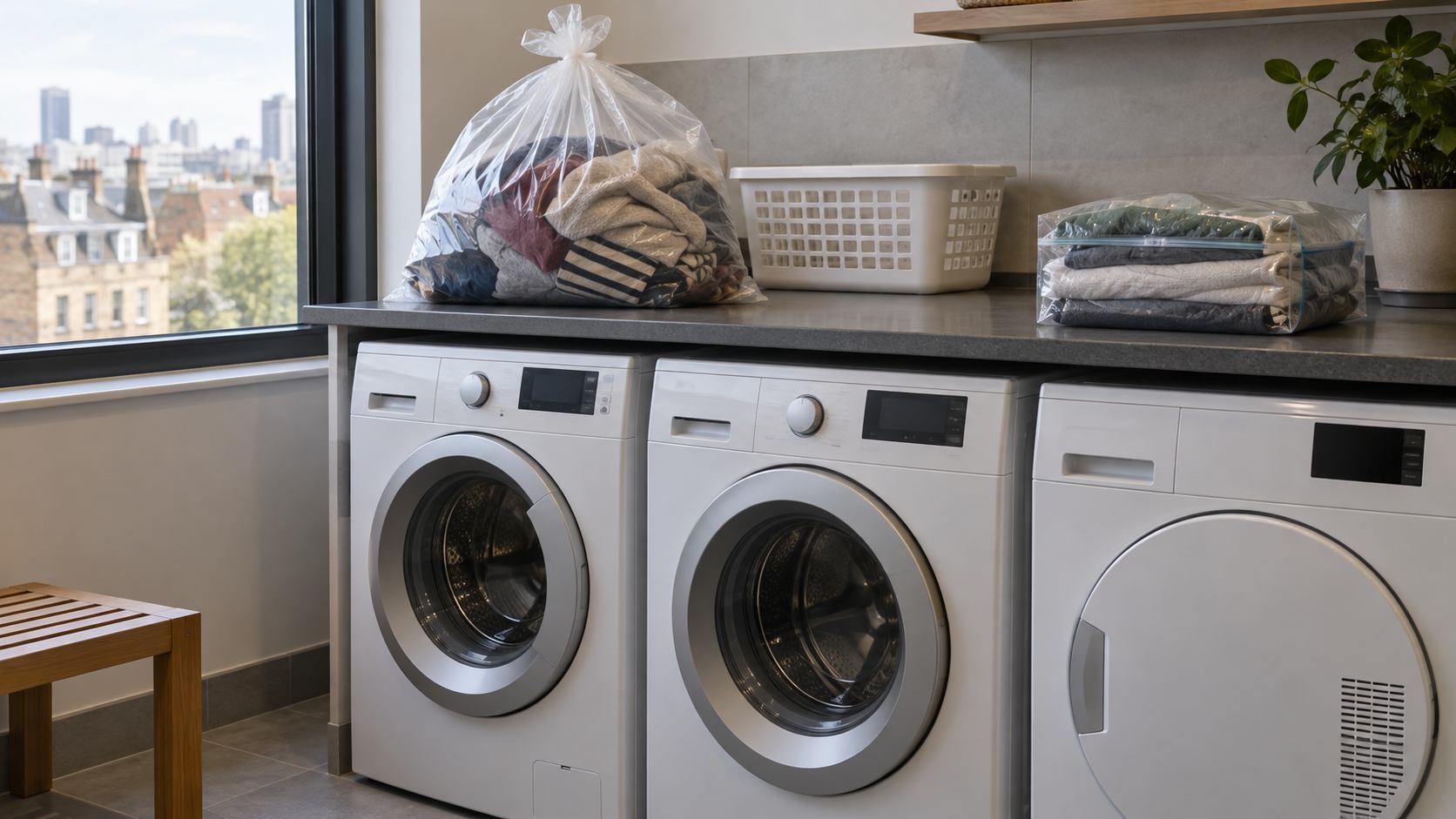
If clothing or bedding may have come from an affected room, put it into a sturdy bag in that room before taking it through the corridor or lift. Close the bag and carry it directly to the laundry. Do not drag loose sheets along a hallway, shake them into a communal basket, or leave an open hamper outside the flat while waiting for a free machine. These are simple handling choices that reduce opportunities for items to brush against shared surfaces.
At the washer, open the bag only when you are ready to load it. Tip or place the contents directly into the drum with as little handling as practical. Keep the used bag away from the surface where clean items will later sit. A washable fabric laundry bag can be washed with the load if its care instructions allow it; a disposable bag should be contained and disposed of appropriately. Prepare a new clean bag before the cycle ends so there is no temptation to put the finished load back into its original carrier.
Residents without a confirmed infestation can use the same tidy routine without treating ordinary washing as hazardous. Closed bags also prevent clothes being dropped on corridors and lift floors. If you are managing a building, make guidance short and practical. A notice that asks everyone to bag laundry and keep benches clear is more useful than one that names or blames a particular flat.
What washing and drying can, and cannot, do
For affected clothing and bedding that can tolerate it, the NHS advises a 60°C wash followed by hot tumble drying for at least 30 minutes. Follow fabric care labels and the machine instructions. A delicate cycle, a briefly warm dryer or a drum packed so tightly that the load cannot move should not be presented as equivalent. Where an item cannot tolerate the recommended settings, keep it contained and ask a pest professional about a suitable alternative rather than quietly returning it untreated to storage.
A hot cycle deals with suitable textiles in the load; it does not inspect a flat, treat a suitcase, or remove insects hiding in a bed frame. It also does not make a used carrier bag clean. Think of laundry as one controlled step within a wider plan. If activity is confirmed at home, ask the technician which items need handling and in what order. Unnecessary washing of every possession can overwhelm the shared machines and create more movement through the building.
Check whether a communal machine can actually run the intended programme and whether its dryer is working properly. Do not guess from a button label alone if the equipment is faulty. Tell the building manager about a defect. Where hot drying is unavailable, arrange a practical alternative for suitable items under professional guidance; avoid claiming that an ordinary air-dry will achieve the same result.
Keep the clean side genuinely separate
Before the wash finishes, inspect the bench or folding area you intend to use. The EPA’s shared-laundry guidance suggests checking baskets and tables and, if there is doubt, bagging dry clothes and folding them at home. Do not put clean laundry on a chair, the floor or a trolley that has just carried unwashed items. Transfer it into a fresh, closed bag or a clean container, then take it back to the flat. A resident may choose to fold at home even when the room looks clear; that is a practical habit, not evidence that the building has a problem.
If you use a communal plastic basket, look at its rim, handles and recesses before filling it. A basket from your own flat should be kept clean and separate from bags that have carried suspect textiles. Washable fabric bags need laundering as appropriate. These details are easy to miss because attention tends to focus on the machines themselves. Yet a load can leave a hot dryer and immediately be placed on an unchecked surface.
For laundry from a flat with confirmed activity, keep the distinction particularly clear. Mark bags for your own use if several people are helping, so nobody opens one to discover whether it contains clean or untreated bedding. Avoid leaving labelled bags in a public area; a discreet private system protects the resident’s privacy as well as the handling sequence.
If someone sees an insect in the room
Do not spray the whole room or close the laundry indefinitely on the strength of a description. If safe, capture the insect in a clear sealed container and take a photograph with something for scale. Record whether it was on a bag, a seat, a wall or inside a basket. Tell the caretaker or managing agent promptly and ask for identification. The EPA’s laundrette advice likewise puts identification and notifying management before a broad response.
A confirmed bed bug in a communal area calls for a focused investigation. Inspect the place where it was found and nearby seams or furniture, review how laundry is transported, and ask whether there is corroborating evidence in a dwelling. The source may not be identifiable from one insect alone. A manager should avoid guessing which resident brought it in, circulating names, or asking every household to undertake treatment without evidence. If multiple sightings occur, map their dates and positions so a technician can decide which connected spaces need access.
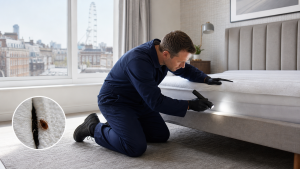
A stain, seed, beetle or fragment can resemble a bed bug at a glance. Our wider UK bed bug guide covers household signs and professional control. For a communal report, the key first step is retaining a usable specimen or clear image while preserving the location information.
What a managing agent should check
Start with a factual log: who reported the sign, when, exactly where, and whether a specimen or photograph exists. Note the condition of benches, seating, baskets and the machines. Check that residents have a way to report an issue privately and that a contractor can access the room without delay. Good communication matters because residents may stop reporting if a notice sounds accusatory.
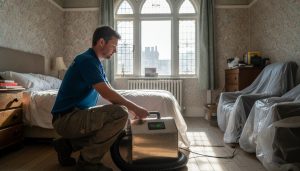
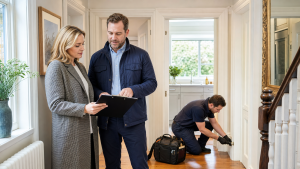
If the insect is confirmed, arrange a professional inspection with a clear scope. The inspector may examine the laundry area and, if evidence points that way, relevant flats or connected routes with appropriate permission. There is no sound basis for announcing that every flat is affected from a single corridor or laundry sighting. Equally, repeatedly treating the communal room while leaving a confirmed domestic source unaddressed is unlikely to resolve the movement of affected belongings.
Keep routine housekeeping sensible: remove abandoned textiles, keep benches and floor clear, and repair damaged surfaces where debris can accumulate. Do not use an unplanned insecticide application around electrical machines or residents’ clothes. Any treatment should follow identification, product instructions, access planning and the pest professional’s advice. If the room must be temporarily taken out of use, tell residents what the restriction is, who arranged it and when it will be reviewed.
How neighbours can communicate without blame
Bed bugs can be introduced through travel and belongings in clean as well as untidy homes. A notice that says “dirty laundry brought pests into this block” is both inaccurate and likely to suppress useful reports. A better message explains the shared routine: carry laundry in closed bags, use a clean carrier for finished loads, keep benches clear, and report a photographed or captured insect to the manager. It can also tell residents where to request help if they find signs at home.
Where a household has confirmed bed bug activity, the resident and manager should agree a private, workable route to laundry and professional inspection. The plan may need to consider disability, lift access, young children or a dryer that is out of order. Treating an individual as the problem will not fix those practical barriers. Detailed personal information need not be posted on a noticeboard for other residents to follow general handling advice.
For advice on what details help a first conversation, use Panther’s contact page. The most useful account gives the location, date, physical evidence, whether a flat has confirmed activity and which communal spaces can be accessed. That gives an inspector a starting map rather than a rumour.
A proportionate routine for the next wash
Bag items before leaving the flat; load the washer directly; use the appropriate wash and hot-dry settings for suitable affected fabrics; collect finished items in a fresh bag; and fold them in a clean place. If you see a possible insect, retain it for identification and notify management. If signs appear in a sleeping area, investigate that location rather than assuming the laundry room caused them.
The goal is a shared room people can keep using with confidence and a management response that follows evidence. Careful handling reduces opportunities for transfer. Identification and inspection establish whether treatment is needed, where it belongs and who needs to be involved.

Al Joel is a practical writer and long-term property maintenance specialist focused on real-world pest control, home safety and prevention advice. His guides translate common warning signs into clear next steps for homeowners, tenants, landlords and property managers.His approach begins with correct identification. A sighting in one room may originate from a neighbouring flat, service riser, drainage, roof space, delivery or communal waste area. Al explains how to preserve useful evidence, reduce food and water sources, avoid spreading activity and choose proportionate treatment.What readers can expectClear identification clues and practical inspection stepsSafe preparation, cleaning and aftercare guidancePrevention advice for homes, flats and commercial premisesHonest guidance on when DIY is reasonable and when professional help is the smarter optionWhen professional help makes senseRepeated sightings, activity in several rooms, uncertain identification, vulnerable occupants or signs involving food, electrics and shared building routes deserve a professional inspection. A lasting solution normally combines targeted treatment with proofing, hygiene and follow-up monitoring.Explore the Pest Library, learn how treatment works, or request property-specific advice.