Pest Control Advice · LONDON
Fleas After Pet Treatment: Why Bites May Continue
Understand why flea activity may continue after pet treatment and what evidence to check before changing the animal or home plan.
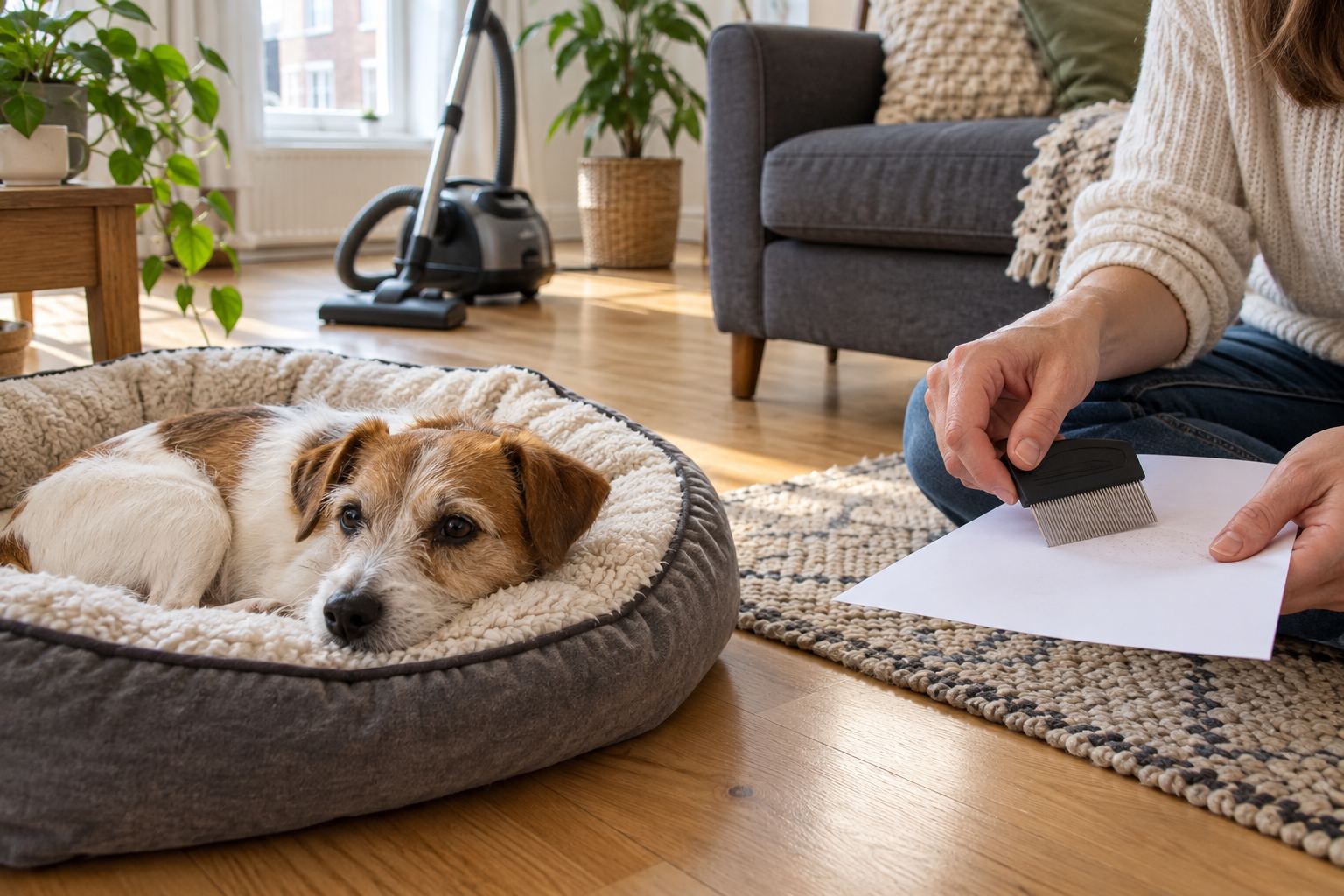
You treated the dog or cat, yet someone in the house is still finding itchy marks on their ankles. That does not automatically mean the product failed. Fleas have stages in the home as well as adults on an animal, and a new adult can emerge from a protected pupa after the pet has received treatment. The question is whether this is a short-lived part of a reducing problem, continued exposure from another source, or even a different cause of the marks. You need evidence and a coordinated plan, not another dose given in frustration.
This guide explains why bites may continue after animal treatment, what to check in the pet and property, and when to speak to a vet or a pest professional. For persistent jumping insects or a confirmed home infestation, Panther’s flea treatment service assesses the environmental part of the problem. The vet remains the person to advise on medicines for the animal.
The pet and the room are parts of one life cycle
Adult fleas feed on hosts, but eggs fall into the places the animal uses. Immature stages develop among fibres and debris in pet bedding, carpets, floor edges and upholstery. Pupae inside cocoons are especially well protected. The British Pest Control Association explains that eggs and pupae may continue developing after a property treatment; adults can emerge later and encounter a residual product. Treating only the pet may leave that reservoir in the home untouched.
The opposite problem also occurs: a property is treated but one pet is untreated or the animal medicine was not used as intended. A returning adult then has a host. PDSA advises treating the relevant pets in the household and the home, with products suitable for each species. Do not borrow a dog’s flea product for a cat. Some dog products containing permethrin are highly toxic to cats, and a vet should guide the choice and timing of animal treatment.
Not every new itchy mark represents a new flea bite from that morning. Skin reactions can appear or persist at different times, and marks have several possible causes. A caught jumping insect or flea dirt on a comb carries more weight than an ankle rash alone. Our pest inspection service can help when identification is uncertain, rather than treating a photograph of skin as a diagnosis.
First check that the animal treatment was used correctly
Look at the product record: name, species, animal’s weight range, date applied or given, and any bathing or other instructions. The appropriate interval depends on the medicine, so do not apply another dose early without speaking to the vet. If a spot-on went mainly onto fur rather than skin, the pet was washed soon afterwards, or the wrong weight band was used, ask the practice what to do. Do not compensate by combining products on your own.
Check every cat, dog or rabbit that shares the home with a vet’s advice. A visiting animal may matter too. Comb the pet over a pale surface, especially around the back end and base of the tail where practical, and look for an actual flea or dark flea dirt. PDSA suggests regular checks and warns that a pet with a flea allergy may itch severely even when few fleas are visible. If the animal has broken skin, hair loss, marked discomfort or seems unwell, contact the vet; a pest-control visit cannot treat those clinical issues.
Keep a short dated record rather than repeatedly combing the animal all day. Note live fleas found, the body area, any new symptoms and the treatment date. The vet can use that to distinguish a product problem, a heavy environmental challenge or another skin condition. Avoid declaring the medicine ineffective from one flea seen soon after application without checking the product’s expected action and the property’s status.
Find out where people are actually being bitten
Make a simple map of rooms and times. Are jumping insects seen beside the pet bed, under a sofa where the cat sleeps, or in a room that has been closed for weeks? Does activity begin when people walk across a particular carpet? An empty property can harbour immature stages from a previous animal and produce a sudden wave of adults when people return. These patterns help an inspector locate the environmental source.
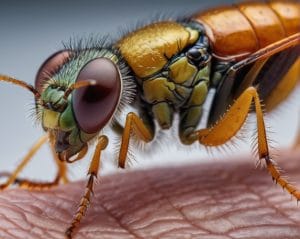
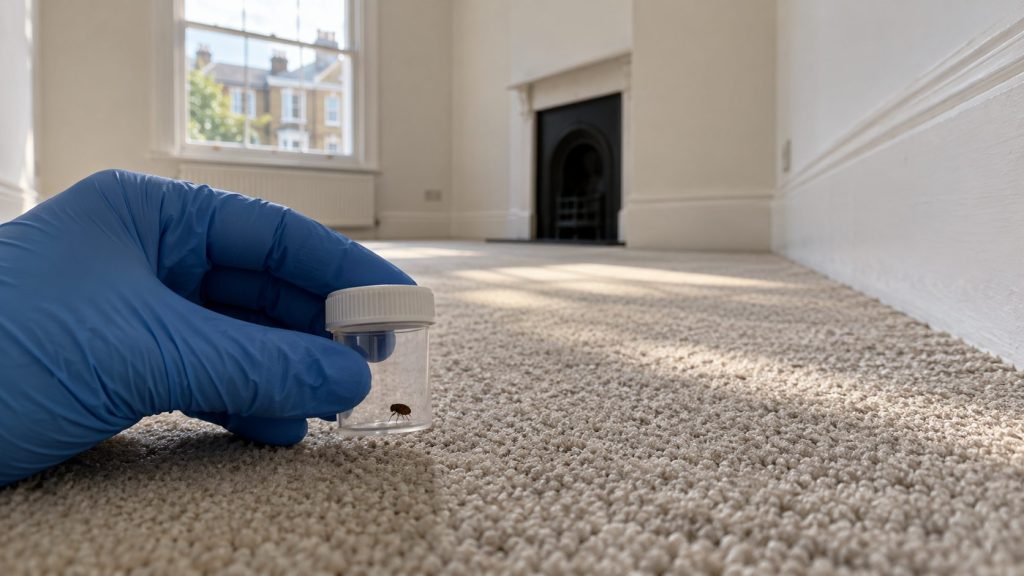
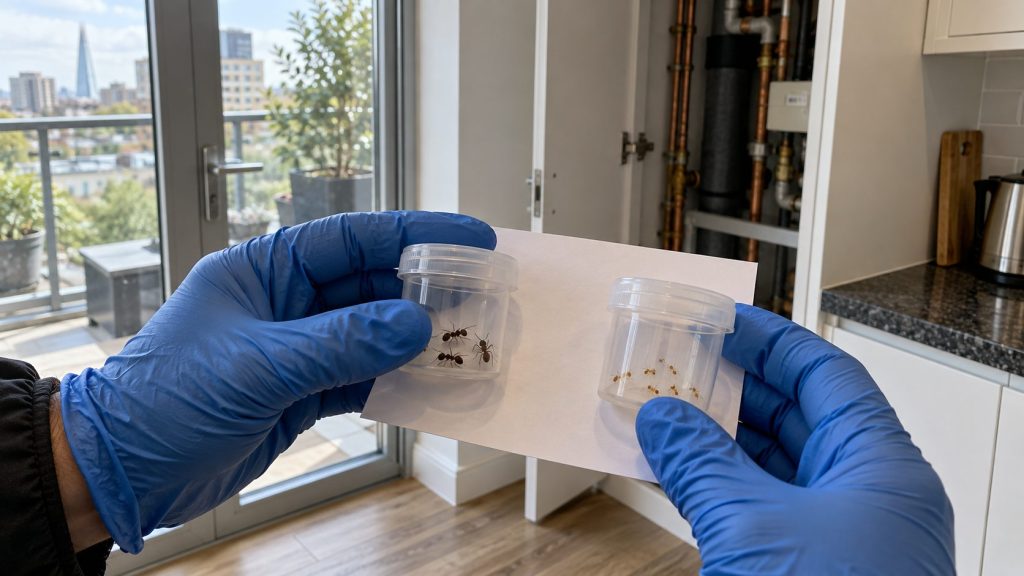
Photograph a suspect insect clearly or retain it in a sealed container. Fleas are small, dark and jump, but not every tiny speck on a rug is a flea. Check the pet’s bedding and nearby floor edges rather than assuming the whole house has an equal level of activity. If the marks occur only overnight in a bedroom and no flea or pet sign is found, ask for identification before narrowing the search. Other insects and non-insect causes can produce similar complaints.
When discussing the problem with a contractor, mention all pet resting places, not only the room where a person was bitten. Include rugs, furniture, stair carpets, vehicle use and any recent move or long vacancy. The point is to make the inspection focused, not to empty every cupboard before someone has established the pest.
Handle bedding and floors according to the stage of work
Before a property treatment, a technician may ask you to vacuum floors and furniture edges and wash suitable pet bedding. PDSA recommends regular vacuuming around pet bedding and under furniture and washing bedding at 60°C or hotter when the material allows it. Check labels and the animal’s needs. Put clean bedding somewhere it will stay clean rather than returning it to an untreated corner while the room is being prepared.
After a professional environmental treatment, follow the specific aftercare sheet. This is not the time to invent a universal vacuuming rule. The BPCA warns that washing or vacuuming treated carpets too soon can remove a residual insecticide; other treatment plans may direct carefully timed vacuuming to stimulate emergence. The correct schedule depends on the products, surfaces and method used in your home. Ask the technician to mark exactly what can be cleaned, when, and what should be left alone.
Do not layer supermarket sprays, powders, essential oils or foggers over a professional application. Extra products may create exposure for pets and people, interfere with the planned residual treatment, or miss the places where immature fleas develop. Tell the contractor about anything already used. If there are fish tanks, birds, cats, young children or respiratory sensitivities, raise these before the visit so the preparation and re-entry instructions are specific.
What ongoing activity can mean
A few fleas emerging from pupae after a home treatment can occur even when the work is progressing. What matters is the trend: are live fleas less frequent in the original hot spots, and is the pet staying free of new flea dirt? Keep observations dated and comparable. A rash that remains itchy after the last insect sighting is not a measure of the pest population. Seek medical advice for concerning human symptoms rather than using a pest article to treat a skin condition.
Steady or increasing catches, repeated live fleas on the pet, or activity spreading into rooms with no previous signs merits review. Possible explanations include an untreated pet, ineffective animal protection, a missed resting area, the wrong insect identification, or a property treatment that needs follow-up. The remedy depends on which explanation fits. A technician may need to reinspect and a vet may need to reconsider the animal plan; neither should guess solely from the number of bites.
Our flea preparation checklist covers the steps before a visit. Once work has been completed, your own service report governs cleaning and review. If the report gives a follow-up date, use it; if not, ask what level or pattern of new activity should trigger a call.
When the household has more than one possible source
A cat that visits a neighbour’s flat, a dog walker who uses several homes, or a newly adopted animal can change the exposure pattern. Wildlife nesting near the property may also deserve consideration if confirmed fleas persist without a resident pet. Record those possibilities without assuming blame. Identification of the insect and a survey of the actual activity are more useful than tracing every visitor from memory.
In rented accommodation, report the evidence in writing and retain photographs and treatment records. Coordinate access to affected rooms and any connected voids or vacant flats through the responsible party. An owner or manager may need to arrange professional work, but animal treatment still requires the pet owner’s veterinary plan. If several households report bites, do not assume the same insect in all flats until there is a specimen or physical evidence from each location.
Panther’s contact guidance explains the details that help with a first assessment: address, rooms, dates, pet history, visible insects and prior treatments. Giving that timeline allows the technician to judge whether activity began before or after the pet’s medicine and property work.
A practical check before changing the plan
Confirm the pet treatment and ask the vet if there is doubt about the dose, timing or species. Look for fleas or flea dirt on the animal. Record where and when jumping insects are found in the home. Follow the preparation or aftercare instructions for the property, keeping cleaning and new products within that plan. Then compare live activity over the agreed review period and report persistent evidence.
It is frustrating to see a flea after you have done the responsible thing for your pet. The next useful action is to find out whether an adult emerged from the environment, whether the animal is still exposed, or whether the suspected bite has another cause. Once those questions are answered, the vet and pest professional can close the loop on the two parts of the problem.

Al Joel is a practical writer and long-term property maintenance specialist focused on real-world pest control, home safety and prevention advice. His guides translate common warning signs into clear next steps for homeowners, tenants, landlords and property managers.His approach begins with correct identification. A sighting in one room may originate from a neighbouring flat, service riser, drainage, roof space, delivery or communal waste area. Al explains how to preserve useful evidence, reduce food and water sources, avoid spreading activity and choose proportionate treatment.What readers can expectClear identification clues and practical inspection stepsSafe preparation, cleaning and aftercare guidancePrevention advice for homes, flats and commercial premisesHonest guidance on when DIY is reasonable and when professional help is the smarter optionWhen professional help makes senseRepeated sightings, activity in several rooms, uncertain identification, vulnerable occupants or signs involving food, electrics and shared building routes deserve a professional inspection. A lasting solution normally combines targeted treatment with proofing, hygiene and follow-up monitoring.Explore the Pest Library, learn how treatment works, or request property-specific advice.