Pest Control · LONDON
How Long Do Rats Live? The Lifespan Of Pet Rats, Wild Rats
Al JoelAl Joel is a practical writer and long-term property maintenance specialist focused on real-world pest control, home safety and prevention advice. His guides translate common warning signs into clear next steps for homeowners, tenants, landlords and property…
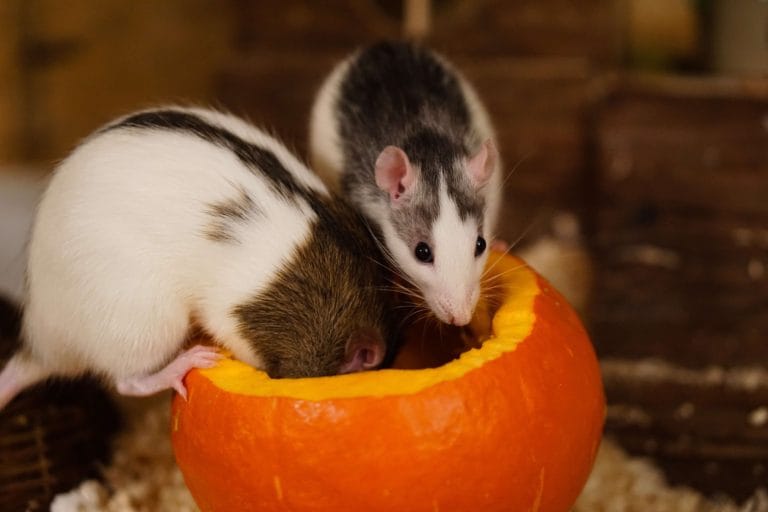
How Long Do Rats Live? The Lifespan of Pet Rats and Wild Rats
Rats are highly adaptable animals that can survive in a wide range of environments, from controlled indoor settings to harsh outdoor conditions. One of the most important factors in understanding rat behaviour—and the risk they pose in properties—is their lifespan and how quickly populations can grow.
The lifespan of a rat varies depending on whether it is kept as a pet or living in the wild. While pet rats often live in stable, protected conditions, wild rats face constant threats such as predators, limited food, and environmental stress, which significantly affects how long they survive.
This guide explains how long rats typically live, the key differences between pet and wild rat lifespans, and why this matters when dealing with rat activity in homes or commercial properties.
- Average lifespan of pet rats vs wild rats
- Factors that affect how long rats live
- How lifespan impacts population growth
- Why early control is important in infestations
If you’re dealing with rats or want to understand the risks more clearly, knowing how quickly their numbers can develop helps you take timely and effective action.
How Long Do Rats Live?
Rats don’t all live the same length of time. Their lifespan depends on a mix of species, environment, food availability, genetics, and threats. A well-fed rat living in safety will survive much longer than one exposed to predators, disease, or pest control measures. This difference is especially clear when comparing pet rats, wild rats, and sewer rats.
Because rats are omnivores and extremely adaptable, starvation is rarely what kills them first. So how long do rats actually live when food isn’t the main problem?
Average Lifespan of a Rat
Studies carried out in the UK estimate the average rat lifespan at around 1.8 years. Only a small percentage, roughly 5%, manage to live longer than three years. Most rats die earlier due to disease, predators, environmental stress, or pest control activity.
That said, a rat with access to shelter, food, water, and no immediate threats can sometimes live three years or more.
Rat Age Compared to Human Years
| Rat age (months) | Rat age (years) | Equivalent human age |
|---|---|---|
| 1.5 months (puberty) | 0.125 years | 12.5 years |
| 6 months (social maturity) | 0.5 years | 18 years |
| 12 months | 1 year | 30 years |
| 18 months | 1.5 years | 45 years |
| 24 months | 2 years | 60 years |
| 30 months | 2.5 years | 75 years |
| 36 months | 3 years | 90 years |
| 42 months | 3.5 years | 105 years |
| 48 months | 4 years | 120 years |
In the UK, rats considered pests usually live one to two years. Very few reach three. Unfortunately, their short lifespan doesn’t reduce the problem — rats reproduce rapidly, so a single rat can turn into a full infestation in a short time.
How Long Can Rats Live Without Food and Water?
Rats are resourceful and often store food, so cutting off food access doesn’t mean they die immediately.
Without food, most rats survive up to one week, sometimes close to two weeks if they have stored supplies.
Without water, rats can survive longer than people expect. They obtain moisture from food, which means they can last longer without water than without food, though dehydration still weakens them quickly.
How Long Do Rats Live After Eating Poison?
This depends entirely on the type of poison used.
Anticoagulants interfere with blood clotting and usually kill rats within 3–7 days.
Bromethalin affects the nervous system and acts faster, often within 1–2 days.
Vitamin-based poisons disrupt calcium balance and typically take several days to be fatal.
Poison is generally discouraged because rats often die inside walls, under floors, or in lofts, causing strong odours and secondary problems. There is also a real risk to pets, children, and wildlife that may come into contact with poisoned rodents.
How Long Do Pet Rats Live?
Domesticated rats live significantly longer than wild rats. With proper care, a pet rat typically lives between 2 and 4 years, and in rare cases up to five years.
Pet rats benefit from controlled diets, medical care, and protection from predators. However, many come from laboratory breeding lines, which makes them more prone to tumours and genetic illnesses, sometimes shortening their lifespan.
How Long Do Wild Rats Live?
Wild rats face constant danger. Predators like foxes, owls, cats, and birds of prey drastically reduce survival rates.
-
Black rats usually live around one year
-
Brown rats may live up to two years
-
Exceptional individuals may reach three years, but it’s rare
Even with food and shelter, wild conditions keep lifespan short.
How Long Do Sewer Rats Live?
Sewer rats live in extremely harsh environments filled with bacteria and toxins. While rats are surprisingly resilient, sewer conditions reduce their lifespan compared to surface-dwelling rats.
Contrary to popular belief, flushing a rat down the toilet does not kill it. Rats are strong swimmers and can survive in plumbing systems and even return through toilets.
Where Do Rats Go to Die?
It’s a common myth that rats leave homes to die after being poisoned. In reality, they usually die inside buildings, often in wall cavities or under floors. This leads to weeks of smell and sometimes structural damage to locate and remove the carcass.
Why Rat Lifespan Still Matters
Even though rats don’t live long, their rapid breeding cycle makes them one of the most persistent pest problems. Short lifespan doesn’t reduce risk — it increases it.
If rats are present, early action is critical. Panther Pest Control can identify nesting areas, entry points, and apply safe, effective rat control solutions before the problem escalates.
Find more blog posts:
- Is that pipe gap letting rodents in? How to check safely
- Rats in Communal Bin Stores: A Managing Agent Checklist
- How to Photograph Pest Evidence for Identification
- Pantry Pests in UK Homes: How to Find and Remove Stored Food Insects
- Pest Control in Rented Property: Landlord or Tenant Responsibility in the UK?
Gallery


Al Joel is a practical writer and long-term property maintenance specialist focused on real-world pest control, home safety and prevention advice. His guides translate common warning signs into clear next steps for homeowners, tenants, landlords and property managers.His approach begins with correct identification. A sighting in one room may originate from a neighbouring flat, service riser, drainage, roof space, delivery or communal waste area. Al explains how to preserve useful evidence, reduce food and water sources, avoid spreading activity and choose proportionate treatment.What readers can expectClear identification clues and practical inspection stepsSafe preparation, cleaning and aftercare guidancePrevention advice for homes, flats and commercial premisesHonest guidance on when DIY is reasonable and when professional help is the smarter optionWhen professional help makes senseRepeated sightings, activity in several rooms, uncertain identification, vulnerable occupants or signs involving food, electrics and shared building routes deserve a professional inspection. A lasting solution normally combines targeted treatment with proofing, hygiene and follow-up monitoring.Explore the Pest Library, learn how treatment works, or request property-specific advice.