All Pest Control · LONDON
Pantry Pests in UK Homes: How to Find and Remove Stored Food Insects
Discovering pantry moths, flour beetles, weevils and biscuit beetles can be unsettling, especially when the first evidence is small and the source is hidden. This practical guide explains how to recognise the problem, what usually causes it, which…
Discovering pantry moths, flour beetles, weevils and biscuit beetles can be unsettling, especially when the first evidence is small and the source is hidden. This practical guide explains how to recognise the problem, what usually causes it, which actions are safe to take yourself and when a professional inspection is the sensible next step. It is written for UK properties, with particular attention to the connected buildings, shared services and older construction commonly found across London.
Reliable pest control starts with correct identification and source removal. Treating a visible insect or rodent without understanding how it arrived may give temporary relief, but rarely prevents the next sighting. A structured response protects people, pets, food, belongings and the building while avoiding unnecessary pesticide use.
Key takeaways
Confirm the pest before choosing treatment. Look for the source in kitchen cupboards, utility rooms and dry-food stores, not only where it was first seen. Record dates, locations, photographs and changes in activity. Avoid random sprays or baits that can scatter activity. Combine treatment with cleaning, proofing and follow-up monitoring. Early evidence makes an inspection faster and helps distinguish a live infestation from historic damage.
Why the problem develops
pantry moths, flour beetles, weevils and biscuit beetles thrive when food, moisture, warmth and shelter overlap. Common routes include contaminated dry goods, opened packets and food transferred into unclean containers. In London, adjoining walls, pipe chases, floor voids and busy delivery routes create a connected environment. The pest may be visible in one room even though the source is elsewhere. Season, central heating, renovation, drainage defects and changes to refuse collection can all change activity suddenly.
Signs to check
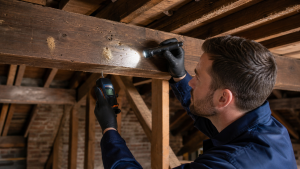
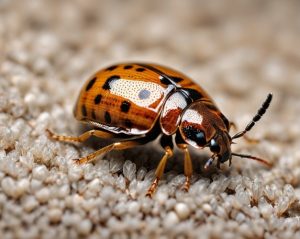
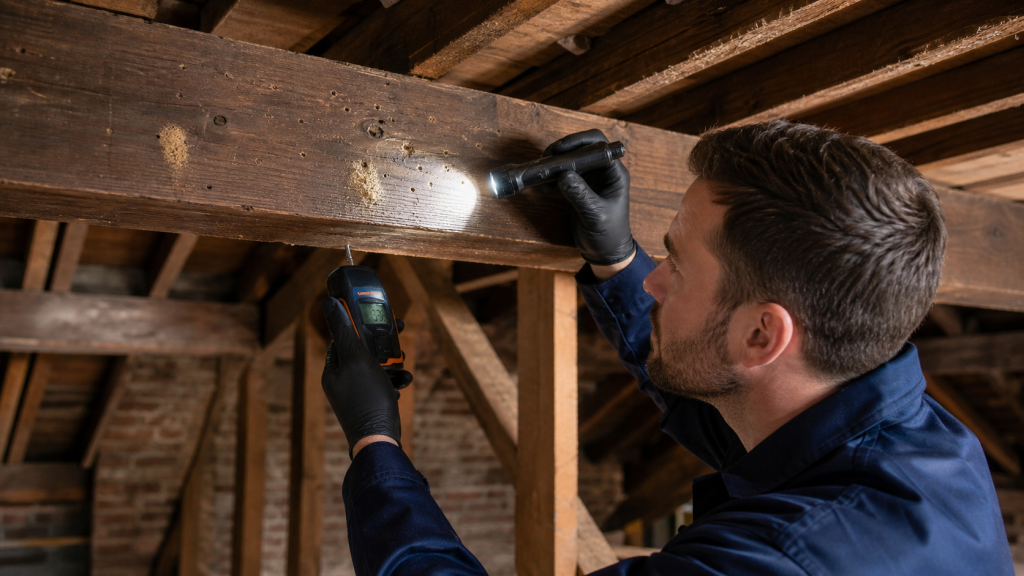
Useful clues include webbing in flour, tiny beetles in packets, larvae on cupboard corners and adult moths at dusk. Inspect methodically with a torch, starting at the complaint and working along edges, pipes, cupboards and sheltered junctions. Photograph evidence beside a ruler for scale. Fresh droppings, live larvae, repeated sightings and a growing pattern deserve faster attention than a single old mark. Do not handle droppings, nests or unknown insects with bare hands.

Why quick DIY fixes fail
Retail products may help a minor, correctly identified problem, but they are often used in the wrong place or at the wrong stage. Surface spray can kill exposed individuals while leaving eggs, larvae, nests or harbourages untouched. Loose poison can endanger children, pets and wildlife. Repellent products can move insects through wall voids. Sealing a gap before confirming whether animals remain inside can move the problem elsewhere.
Health, hygiene and property risks
The main concern is food waste, repeat infestation and contamination across several cupboards. Risk depends on the species, infestation size, the people using the property and the location. Protect food, wash hands after inspection and keep children away from traps or contaminated areas. Pest technicians diagnose infestations, not medical conditions. Anyone with breathing difficulty, a severe allergic reaction or rapidly worsening symptoms should seek appropriate medical advice.
Professional inspection
A useful inspection is evidence-led. The technician should ask when and where activity began, inspect likely routes, identify contributing conditions and explain what is confirmed. The recommended programme is product-by-product inspection, disposal, vacuuming, monitoring and targeted treatment. It should state preparation, safety precautions, expected progress and follow-up. Success is measured through declining monitor counts, no fresh signs and closed routes rather than one quiet day.
Step-by-step response
First document the evidence. Reduce accessible food, water and waste without spreading contaminated items. Protect vulnerable people and pets. Check connected routes including pipes, vents, skirting gaps, drains and deliveries. Use monitoring before broad chemical treatment. Complete every follow-up appointment. Seal confirmed entry points with durable materials only when it is safe and the active route has been understood.
Cleaning without spreading pests
Cleaning supports control, but timing matters. Vacuum edges and hidden debris with a crevice tool where appropriate, empty the machine outdoors into a sealed bag and clean the attachment. Do not carry uncovered bedding, food or textiles through the property. After treatment follow the written aftercare: food surfaces may need immediate cleaning, while treated edges may need to remain untouched. Re-entry periods vary by product and method.
Prevention
Prevention is a routine, not a one-off repair. Store vulnerable goods in sound containers, rotate stock, keep waste areas clean, correct moisture defects and inspect deliveries or second-hand items. Fit door brushes and screens where appropriate. Seal gaps around services with materials suited to the building and pest; expanding foam alone is rarely rodent-proof. Keep a simple monthly inspection record.
Shared buildings
In flats and commercial premises, share factual reports promptly. A neutral message describing location and evidence is more useful than blame. Managing agents should keep a central log so patterns across floors and risers become visible. Coordinated access is often necessary because treating one unit while the source remains in a bin room, drain, roof or neighbouring void leads to reinfestation.
When to call a professional
Arrange an inspection when activity repeats, the species is uncertain, more than one room or property is involved, vulnerable occupants are present or DIY work has not produced a sustained decline. Urgent help is appropriate where food preparation, electrics, healthcare or childcare are affected, or where a nest presents an immediate safety risk. Panther Pest Control can provide an evidence-based plan for London homes and businesses.
Questions and answers
How quickly should activity stop? It depends on the pest and method; some activity can increase briefly after treatment. Should you clean before a visit? Remove ordinary waste and provide access, but keep useful evidence. Is treatment safe for children and pets? Tell the technician about occupants, pets, pregnancy, allergies and aquariums, then follow exclusion instructions. Can the source be next door? Yes, especially with shared walls, drains, ducts or roofs. Will one visit be enough? Established infestations usually need follow-up.
Final advice
If you suspect pantry pests UK, act early without panic. Preserve evidence, reduce food and water, prevent spread and arrange correct identification. A plan built around inspection, targeted control, proofing and monitoring is safer and more dependable than repeated guesswork. Continue recording activity until the agreed monitoring period ends, because the absence of a sighting for a day or two does not always prove that the source has been removed.
For pantry pests UK, practical decisions should follow evidence rather than assumptions. Check how the property is used, whether the activity changes by time of day, and whether repairs or access are needed beyond the immediate treatment. Clear records help residents, technicians and property managers judge progress, avoid duplicated work and choose the least disruptive effective response.
For pantry pests UK, practical decisions should follow evidence rather than assumptions. Check how the property is used, whether the activity changes by time of day, and whether repairs or access are needed beyond the immediate treatment. Clear records help residents, technicians and property managers judge progress, avoid duplicated work and choose the least disruptive effective response.
For pantry pests UK, practical decisions should follow evidence rather than assumptions. Check how the property is used, whether the activity changes by time of day, and whether repairs or access are needed beyond the immediate treatment. Clear records help residents, technicians and property managers judge progress, avoid duplicated work and choose the least disruptive effective response.

Al Joel is a practical writer and long-term property maintenance specialist focused on real-world pest control, home safety and prevention advice. His guides translate common warning signs into clear next steps for homeowners, tenants, landlords and property managers.
His approach begins with correct identification. A sighting in one room may originate from a neighbouring flat, service riser, drainage, roof space, delivery or communal waste area. Al explains how to preserve useful evidence, reduce food and water sources, avoid spreading activity and choose proportionate treatment.
What readers can expect
- Clear identification clues and practical inspection steps
- Safe preparation, cleaning and aftercare guidance
- Prevention advice for homes, flats and commercial premises
- Honest guidance on when DIY is reasonable and when professional help is the smarter option
When professional help makes sense
Repeated sightings, activity in several rooms, uncertain identification, vulnerable occupants or signs involving food, electrics and shared building routes deserve a professional inspection. A lasting solution normally combines targeted treatment with proofing, hygiene and follow-up monitoring.
Explore the Pest Library, learn how treatment works, or request property-specific advice.