Pest Control Advice · LONDON
Bluebottles Indoors: Finding a Hidden Source
A UK guide to tracing a sudden indoor bluebottle problem without assuming the window is the source or opening unsafe building voids.
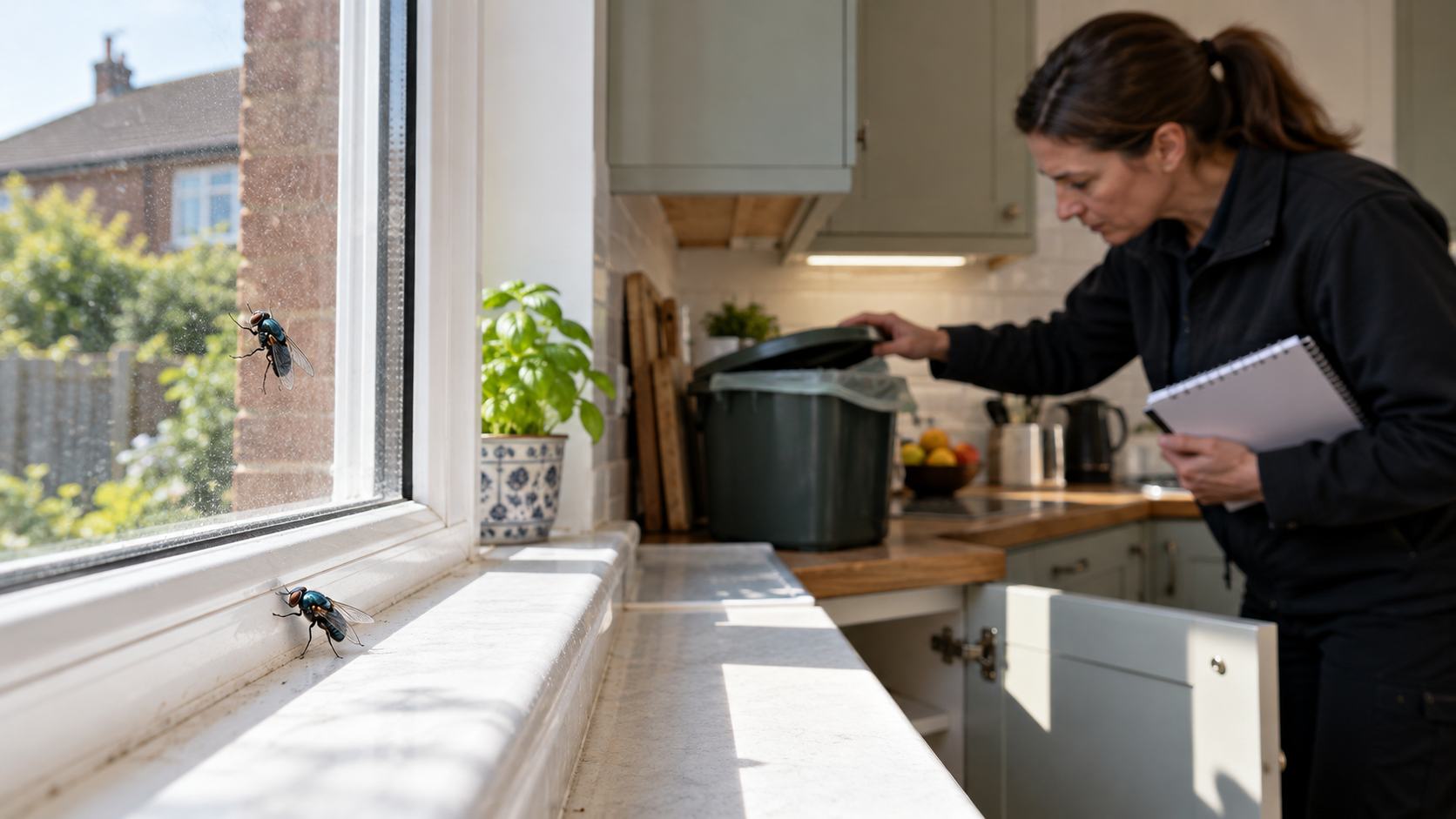
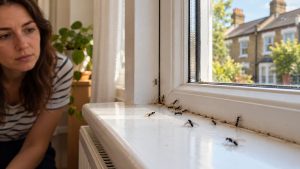
Two or three bluebottles at a window may simply have flown in. A dozen appearing in the same room over several days raises a different question: where are they developing or entering? The window is often where adult flies collect because they move toward light, not where the source lies. Searching only the sill can leave a bin, food spill or inaccessible void untouched.
This guide gives UK householders and property managers a way to narrow the search without opening unsafe spaces. Bluebottles are associated with decaying organic material, but a sudden indoor group does not prove that an animal has died in the wall. Rubbish, food waste and an outside source can also be relevant. Identify the fly if possible, record the pattern and inspect ordinary accessible places before arranging specialist access.
Confirm what you are seeing
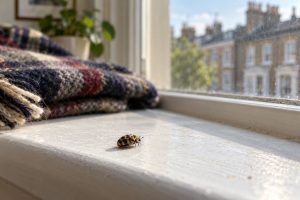
Bluebottles are larger, buzzing flies with a metallic blue sheen. A photograph showing the whole insect, not merely a blur against the glass, helps distinguish them from cluster flies, houseflies or smaller drain flies. The British Pest Control Association’s bluebottle guide describes their appearance and their association with rotting animal material and waste. If identification is uncertain, keep a specimen in a closed container rather than choosing control from the first guess.
Record how many appeared, on which dates and in which rooms. A single insect after the back door was open has a different meaning from a daily group emerging in an upstairs landing. Note whether flies are seen outside at the same time. Avoid claiming a hidden carcass simply because the insects are in one room; they may have travelled from elsewhere before gathering at the brightest window.
Check ordinary food and waste sources first
Inspect kitchen and utility bins, including the underside of lids and the floor beneath them. Look for forgotten meat or fish packaging, a spill under an appliance, pet food or waste held in an open bag. Check that the outside bins close and are not positioned beside an open kitchen window. Dispose of spoiled material using the property’s usual waste process, clean accessible surfaces and record whether new flies appear afterwards.
Do not overlook a cupboard that looks tidy from the front but contains an old bag at the back. In shared premises, ask about collection dates and missed pickups. A recently cleaned kitchen can still receive adults from a contaminated external bin or a service route. The first pass is about ruling out straightforward sources safely before any wall or floor is opened.
Use the first appearance point as a clue
Ask where the first fly was seen before it reached the window. Did it emerge near a fireplace, bath panel, ceiling light or floor edge? Were there noises or an odour in that area beforehand? Make a simple room plan and mark the earliest reported positions. If the group is confined to one upstairs room while windows were closed, that points the inspection differently from flies entering whenever the garden door opens.
Lewisham Council’s fly information sheet notes that large numbers can be linked to infested food or a dead animal and lists lofts, old fireplaces, underfloor spaces and behind panels as possible places to check. Those are investigation leads, not instructions to crawl into a loft or remove a fixed bath panel. Record accessible evidence and let a competent contractor assess a concealed space.
In a block of flats, compare reports without assuming that the flat with the most flies contains the source. A service shaft, shared bin area or roof space may connect several units, and adults can move toward a particular window. Ask residents to report the first room and date, not just the total caught. If only one unit is affected, check its ordinary waste sources before asking neighbours for access. A small factual map is more respectful and more useful than a building-wide message that suggests an unconfirmed carcass in someone’s home.
Inspect only spaces you can reach safely
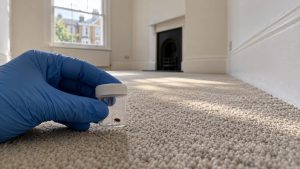
From normal access points, look around the loft hatch, cupboard edges, chimney breast, appliance plinths and service penetrations. Use a torch and photograph staining, larvae or a repeated route without touching unknown material. Do not enter an unsafe loft, disturb insulation, dismantle a light fitting or move a heavy appliance to follow a fly. There may be electrical, structural or hygiene hazards unrelated to the insects.
If there is a strong smell or visible material in a void, restrict access and arrange appropriate help. A pest technician may need to coordinate with a builder, plumber or other trade depending on the location. The site’s pest inspection service can help establish whether the fly pattern supports a hidden source and where safe access is worthwhile.
Consider a dead animal without assuming one
A sudden indoor appearance of many bluebottles can be associated with a dead rodent or bird in a concealed area. Thanet Council’s pest advice describes this as a common explanation and mentions underfloor and chimney locations. But the number of flies is not a diagnosis on its own. Look at the timing, room pattern, any odour and whether ordinary waste sources have been excluded.
If a carcass is found, do not handle it without considering hygiene and access. Follow the contractor’s advice on removal and cleaning, and investigate how the animal entered. Simply collecting adult flies may reduce the nuisance without addressing the source. If the source cannot be reached, an inspector can explain the likely course and what signs would warrant further opening of the building fabric.
Protect food and reduce the immediate nuisance
Keep food covered, clean food-contact surfaces that flies have reached and remove exposed waste. Screens on suitable windows can reduce incoming insects while the source is investigated. A hand-held fly swat or contained trap may help with adults in an ordinary room, but it will not resolve larvae developing in waste or a void. Avoid indiscriminate aerosol use near food, pets, aquariums or electrical fittings.
In a food business, use the premises’ food-safety procedure, protect stock and call the responsible pest contractor promptly. Record where flies were seen in relation to food handling. A domestic kitchen also benefits from a factual record, but the response can be proportionate to the evidence. If you cannot tell whether the insects are bluebottles, the pest library is a starting point for the identification question.
Review the pattern after a source is removed
Keep a daily count for a short agreed period, using the same rooms and times. A few adults may still appear after a source is cleared because development had already begun elsewhere in the material. The trend matters more than a single quiet day. If numbers stay high or a new room becomes involved, widen the search and check whether another waste or access route remains.
Do not close the investigation solely because the smell fades. Odour changes as material dries, while flies may still be emerging from pupae nearby. Likewise, a clean bin does not rule out an unrelated void source. Keep observations brief and specific: “three adults at the landing window on Tuesday, one on Wednesday after the bin was cleaned” allows a technician to judge whether the pattern is falling. If a contractor opens an area, ask them to record what was actually found and where.
Photograph any repair or clean-up before the area is closed again. If a dead animal entered through a damaged vent or chimney route, arrange an appropriate repair without blocking required ventilation. Panther’s inspection-led process links source finding, control and follow-up rather than treating visible adults alone.
When to request help
Ask for an inspection when many flies appear despite closed windows and cleared waste, when the likely source is in an inaccessible void, when an odour or larvae are present, or when food-handling areas are affected. Tell the inspector the rooms, dates, counts, window positions, waste checks and any earlier animal activity. That information can shorten the search and reduce unnecessary opening of walls or floors.
To arrange a property-specific assessment, use the contact page with a clear photograph of one fly and a short timeline. The most useful outcome is a located and safely managed source, followed by a check that new adults have stopped appearing. A window full of flies is a signal to investigate, not a map of where the problem began.

Al Joel is a practical writer and long-term property maintenance specialist focused on real-world pest control, home safety and prevention advice. His guides translate common warning signs into clear next steps for homeowners, tenants, landlords and property managers.His approach begins with correct identification. A sighting in one room may originate from a neighbouring flat, service riser, drainage, roof space, delivery or communal waste area. Al explains how to preserve useful evidence, reduce food and water sources, avoid spreading activity and choose proportionate treatment.What readers can expectClear identification clues and practical inspection stepsSafe preparation, cleaning and aftercare guidancePrevention advice for homes, flats and commercial premisesHonest guidance on when DIY is reasonable and when professional help is the smarter optionWhen professional help makes senseRepeated sightings, activity in several rooms, uncertain identification, vulnerable occupants or signs involving food, electrics and shared building routes deserve a professional inspection. A lasting solution normally combines targeted treatment with proofing, hygiene and follow-up monitoring.Explore the Pest Library, learn how treatment works, or request property-specific advice.