Pest Control Advice · LONDON
Bed Bugs in a Sofa: How to Inspect Without Spreading Them
A sofa inspection guide for UK homes: where bed bugs may hide, what signs deserve closer checking and how to avoid spreading them before professional treatment.
A dark mark along a sofa seam can change how comfortable a sitting room feels. It may be a bed bug sign, or it may be ordinary dust, a stain or another insect. The sensible next step is a careful inspection that keeps the furniture in place and preserves anything you find. Carrying the sofa through the flat or spraying it before you know what is there can make the situation harder to assess.
This guide is about the sofa itself: where to look, how to record evidence and what to avoid while you arrange identification. It is not a full treatment plan. Bed bugs can live in furniture as well as beds, and the NHS guidance notes that they can be difficult to eliminate without professional help. If you find a convincing sign, ask for a property-wide assessment rather than assuming the sofa is the only harbourage.
Prepare the room without moving the sofa
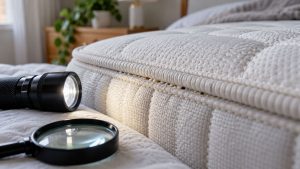
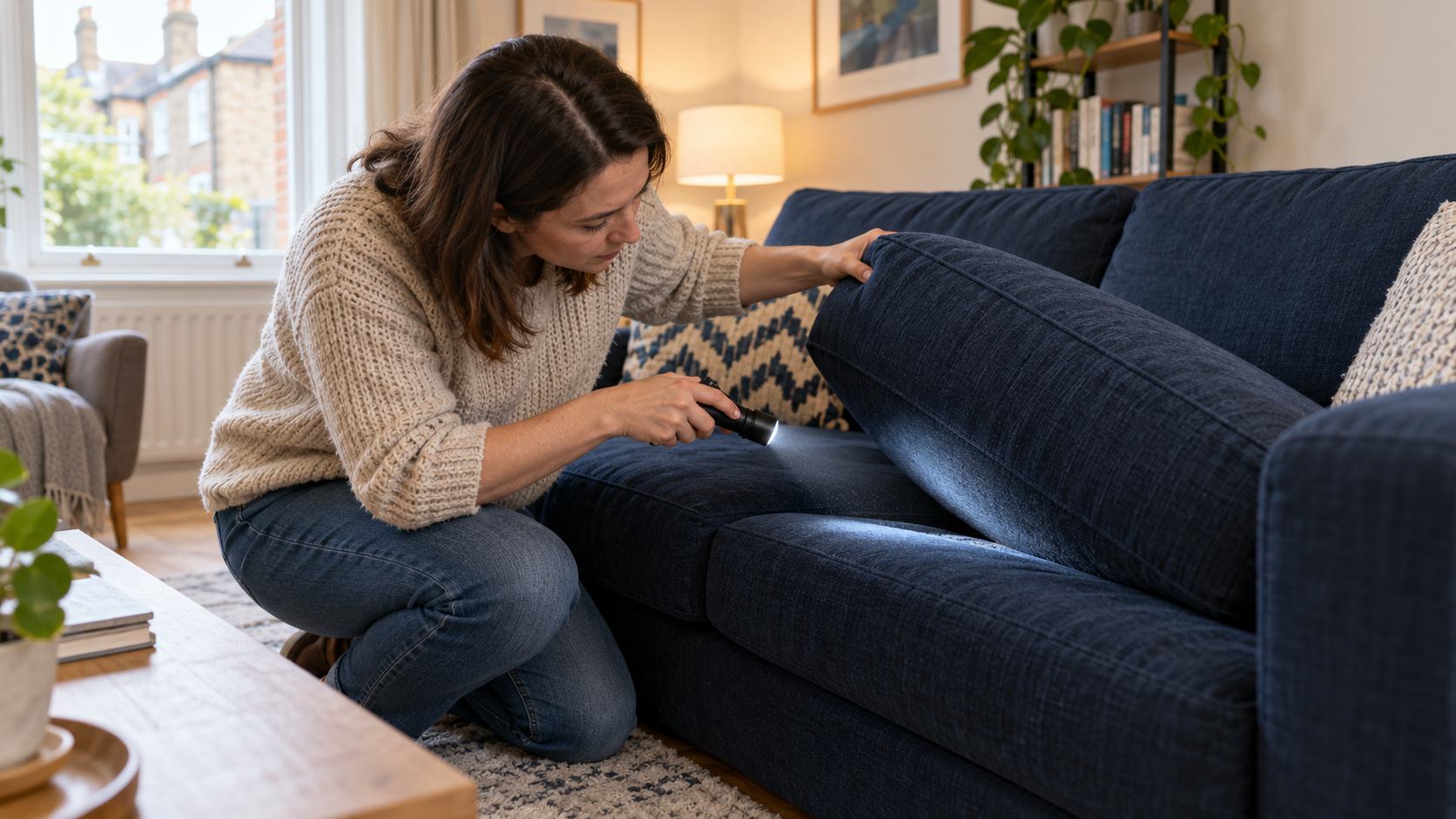
Give yourself good light, a torch and a phone camera. Have a small clear container or sealable bag ready if an insect can be collected safely for identification. Put a clean sheet of paper nearby for notes. Keep the sofa where it is while you inspect it. A large upholstered item can brush door frames, clothing and other furniture on its way out; moving it before a plan is agreed may spread insects or lose the location clues a technician needs.
Avoid placing cushions on a bed or carrying them to another room. If you need floor space, work on one cushion at a time and return it to the sofa. Ask anyone sharing the home not to swap throws and blankets between rooms until you know what the evidence means. In a flat, tell the managing agent about a confirmed problem so adjoining areas can be considered, but do not tell neighbours that the source is definitely next door without evidence.
Look at seams, folds and the frame in order
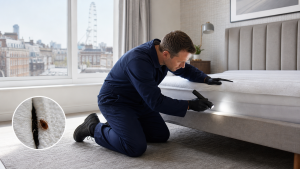
Start with the visible edges of the seat cushions, especially piping, seams, zip areas and labels. Lift a removable cushion gently and look at the underside and the crevice where it rested. Then inspect the arms, back cushions, fabric folds and the junction between upholstery and frame. The US Environmental Protection Agency lists seams of chairs and couches and spaces between cushions among possible hiding places. A systematic route is more useful than turning the sofa over at once.
If the sofa can be safely tilted without straining or damaging it, ask another adult to help and look at the lower frame, feet and dust cover. Do not cut upholstery, remove staples, open electrical components in a recliner or force a heavy sofa onto its back. A technician can examine inaccessible joints with appropriate equipment. Photograph the exact seam before and after lifting a cushion so the location remains clear.
Check the immediate surroundings as a separate step: the wall behind the sofa, skirting, side table, nearby curtains and any blanket stored beside it. The aim is not to search every room in one anxious afternoon. It is to establish whether the sofa has signs and whether any signs extend beyond it. For a broader treatment overview, see Panther’s bed bug guide for UK homes.
Know what a useful sign looks like
Look for a live insect, pale shed skins, tiny eggs or dark spotting concentrated around a seam or join. The EPA’s identification guide describes these physical signs and notes that dark spots may mark fabric. A single black dot is not a diagnosis. Ink, food, mould and other insects can leave confusing marks, while a sofa with no visible signs may still need inspection if there is strong evidence elsewhere.
Photograph a suspected insect with the seam and a safe size reference in view. If you can collect it without crushing it or carrying it around the home, seal it in a small container and label the date and room. Do not treat a bite pattern as proof of where an insect lives. The NHS notes that bed bugs can hide in many places, including furniture, clothing and behind pictures; the site of a skin reaction does not locate the harbourage.
Keep the distinction between a suspected sign and a confirmed identification in your notes. “Two dark specks beneath left seat cushion, no live insect seen” is precise. “Sofa infested” may be premature. If evidence is ambiguous, a professional inspection can examine the sofa and the rooms around it before treatment is chosen.
Avoid the actions that make inspection harder
Do not spray a general insecticide over the upholstery, tip a powder into seams or apply a household heat source. Products can be unsuitable for a fabric or for the way the sofa is used, and ad hoc heat can damage furniture or create a fire risk. Follow the product label and a technician’s plan if treatment is recommended. Do not dismantle a recliner mechanism or put a steamer near electrics.
Do not put the sofa on the pavement as the first response. It may not need to be discarded, and an untreated item left outside could be taken into another home. If disposal is necessary, agree how to contain and label it so it is not reused. The EPA’s treatment preparation guidance advises keeping potentially infested items in the same room while they are assessed, to reduce spread.
Vacuuming can remove visible insects or debris, but it is not a stand-alone cure and it may erase evidence if done before photographs. If a professional advises vacuuming, ask where and how to do it, how to handle the vacuum contents and whether any treated surfaces should remain undisturbed. A rushed clean can make the sofa look better while leaving harbourages untouched.
Decide what can stay in use while you wait
If a bed bug is confirmed, ask the pest professional how to use the room before the visit. You may be advised to avoid moving to a different sleeping or sitting area, because changing routine can change where insects search for a host. The answer depends on the layout, other evidence and treatment plan. Do not invent a rule that every sofa must be sealed or abandoned immediately.
Keep throws, cushions and small items with the affected room unless instructed otherwise. If an item must be moved for laundering, use a sealed bag or container and follow the technician’s preparation instructions. Clean items should be kept separate from suspect ones. The focus is controlled handling, not filling every room with bags that nobody can track.
Give the technician a clear sofa map
Mark which side, cushion and seam produced each sign. Note when the sofa was acquired, whether it was second-hand, whether it has been moved recently and whether anyone has slept on it. Mention any evidence from a bed, armchair or adjoining flat, but separate that from assumptions about where the insects arrived. Send a small set of clear photographs and offer access to all relevant resting areas.
The British Pest Control Association’s bed bug code of practice calls for a thorough survey before treatment and specifically includes sofas and beds among resting areas to inspect. Ask the technician to explain what was confirmed, which areas will be treated, what preparation is needed and when to review the result. Panther’s bed bug treatment service can provide a property-specific plan.
Check progress after the visit
Keep the sofa in its agreed position and follow written aftercare. Some covers or seams may need to remain accessible for follow-up; other items may need to be left undisturbed for a stated period. Ask before cleaning treated edges or replacing cushions in a different order. Record fresh signs with dates and photographs from the same seam so a technician can compare them with the original inspection.
Do not declare success because there was no bite or sighting for one night. Equally, a single mark after treatment does not automatically mean the programme has failed. Report what you found and let the technician interpret it alongside monitors and the work done elsewhere in the home. If you need identification or a visit, use the contact page and include your sofa map, images and the dates of any previous treatment.

Al Joel is a practical writer and long-term property maintenance specialist focused on real-world pest control, home safety and prevention advice. His guides translate common warning signs into clear next steps for homeowners, tenants, landlords and property managers.His approach begins with correct identification. A sighting in one room may originate from a neighbouring flat, service riser, drainage, roof space, delivery or communal waste area. Al explains how to preserve useful evidence, reduce food and water sources, avoid spreading activity and choose proportionate treatment.What readers can expectClear identification clues and practical inspection stepsSafe preparation, cleaning and aftercare guidancePrevention advice for homes, flats and commercial premisesHonest guidance on when DIY is reasonable and when professional help is the smarter optionWhen professional help makes senseRepeated sightings, activity in several rooms, uncertain identification, vulnerable occupants or signs involving food, electrics and shared building routes deserve a professional inspection. A lasting solution normally combines targeted treatment with proofing, hygiene and follow-up monitoring.Explore the Pest Library, learn how treatment works, or request property-specific advice.