Pest Control Advice · LONDON
After Bed Bug Heat Treatment: What Should You Monitor?
The evening after heat treatment cannot prove every hiding place is clear. Set a baseline, check the same monitors and know when fresh evidence needs a follow-up.
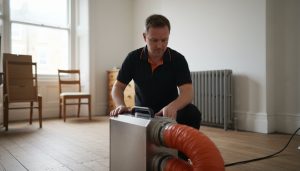
The heaters have gone, the room has cooled, and you can use the bed again. It is tempting to call the job finished that evening. A professional heat treatment may have reached every planned hiding place, but the next few weeks still need an agreed way to check the result. Heat has no lasting protective effect against a bug missed in an untreated item or one brought in later.
Monitoring is not a nightly hunt through every drawer. It is a small set of repeatable observations at known places, interpreted alongside the treatment record. This guide explains what to record, how to avoid confusing old marks with fresh activity, and when to bring the technician back. Follow the aftercare instructions for your actual treatment if they differ from general advice here.
Begin with the treatment handover
Before rearranging the room, read the technician’s record. Which rooms and items were inside the heated zone? Were luggage, a sofa, a divan drawer or a sealed bag excluded? Were any slower-heating areas identified and monitored? The answers matter more than a generic promise that “heat kills everything”. The British Pest Control Association’s bed bug code stresses competent heat work, attention to cold spots and written post-treatment instructions. Ask for clarification if the scope or limits are not clear.
Write down the date treatment ended, when the room was released for use, and any follow-up appointment already booked. Note whether heat was combined with a residual product, steam or another method. Cleaning and re-entry rules can differ, so do not assume the room can be vacuumed or washed exactly as you would after heat alone. If the technician has placed monitors, note their positions before anyone moves furniture.
Make a list of items that left the room before heating and how each was dealt with. An untreated suitcase returned two days later is a different explanation for a new insect than a bug seen beside a bed leg that never left the treatment zone. A useful record does not need to assign blame; it needs to preserve the sequence.
Set a baseline you can repeat
Take a few clear photographs after the room is safe to enter: the mattress piping, accessible headboard joints, bed legs, nearby skirting and any place that had confirmed activity. Include a wider view for location before the close view. Old dark spotting, cast skins and damage do not disappear simply because the insects have been killed. If you record them now, you are less likely to mistake the same mark for a new sign next week.
Choose a short log with four columns: date, place checked, what was found, and whether a photograph or specimen exists. Record “no new sign seen in the two interceptors and the headboard joint” rather than “room clear”. The first statement describes an observation; the second implies a conclusion about places you did not inspect. Keep the check at a frequency agreed with the technician, and check the same positions each time.
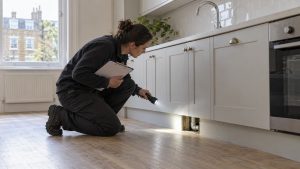
Do not dismantle electrical outlets or fixed furniture to improve a photograph. A limited, consistent view is more useful than an exhaustive search that changes the room. If a suspicious particle appears, photograph it in place with scale and context. The site’s pest inspection service can then work from a location that can actually be found again.
Use interceptors as records, not as guarantees
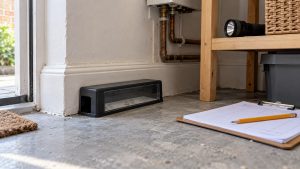
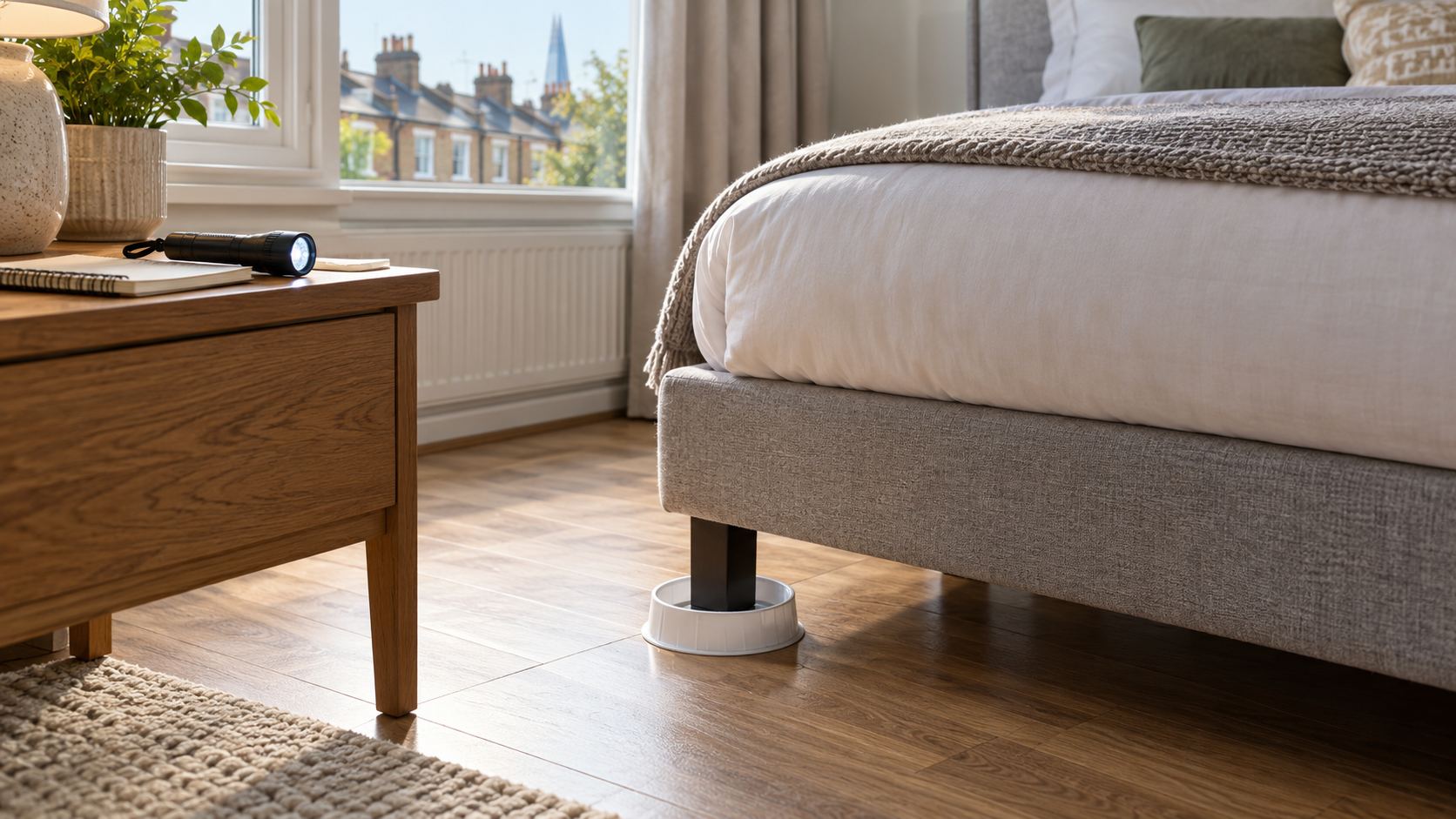
Interceptor cups beneath bed legs can help show whether crawling insects are moving onto or away from the bed. The US Environmental Protection Agency includes monitoring devices among ways to check whether control has worked. Position and maintenance matter: a cup that has shifted, filled with dust or has a blanket bridging the bed to the floor may give a misleading result. Use the device and placement instructions provided for your bed and floor, especially where the bed base has several supports.
At each check, photograph or record the contents before clearing a device as directed. A small insect in a cup is not automatically a bed bug. If possible, retain it safely for identification; do not flatten it beyond recognition. An empty cup is encouraging but does not prove that nothing remains in an inaccessible joint, a chair or a room outside the monitored route. Keep the monitor where it was placed unless the technician asks for a change.
If the bed is moved, a rug is added or a cable begins touching the frame, record that change. Bed bugs can take different paths. A monitor works best when it is part of an inspection plan, not a decorative ring beneath one leg. Where a divan base has no suitable legs, ask the technician about another monitoring arrangement rather than improvising a device that will not sit securely.
Separate old material from new physical evidence
Heat may leave dead insects, empty egg cases, shed skins and existing marks in place. Their discovery after treatment does not automatically mean the treatment failed; you may simply have looked at a seam that was not previously visible. Compare with your baseline and note whether the sign is genuinely new or newly noticed. Do not date an old stain from its colour alone.
A live, correctly identified bed bug is different. Record the date, exact position and whether the insect was moving; capture a clear image or a specimen if you can do so without spreading it. The EPA’s guide to finding bed bugs emphasises physical signs and explains why a small population is difficult to detect. One live insect warrants prompt contact with the provider, but it does not by itself reveal whether the source is a missed refuge, an excluded item or a fresh introduction.
New dark spots near a previous harbourage, repeated live sightings, or catches in more than one monitor deserve the same prompt report. Send the before-and-after photographs together. Avoid spraying the location before the technician has seen it, since that can obscure the pattern and complicate any planned follow-up. The site’s wider bed bug treatment guide covers control methods; this log is specifically for judging what happens after a completed heat cycle.
Do not use bites as the sole scorecard
Skin marks can appear or remain after the day of treatment, and people react differently. They also have other causes. An itchy morning may be worth noting, but it is not as strong as a live, identified insect or a new pattern of physical signs. Record the date and where you slept, then look for independent evidence without repeatedly stripping the room apart. If the skin reaction is severe, spreading or persistent, seek medical advice separately from the pest inspection.
Equally, a week without bites is not proof of eradication. Someone may not react visibly to a bite, and a small number of insects may avoid the places you checked. That is why the follow-up appointment and monitoring plan matter even when the room feels normal. The EPA’s integrated management guidance specifically recommends monitoring devices to help check that activity has ended.
Protect the treated scope from a new introduction
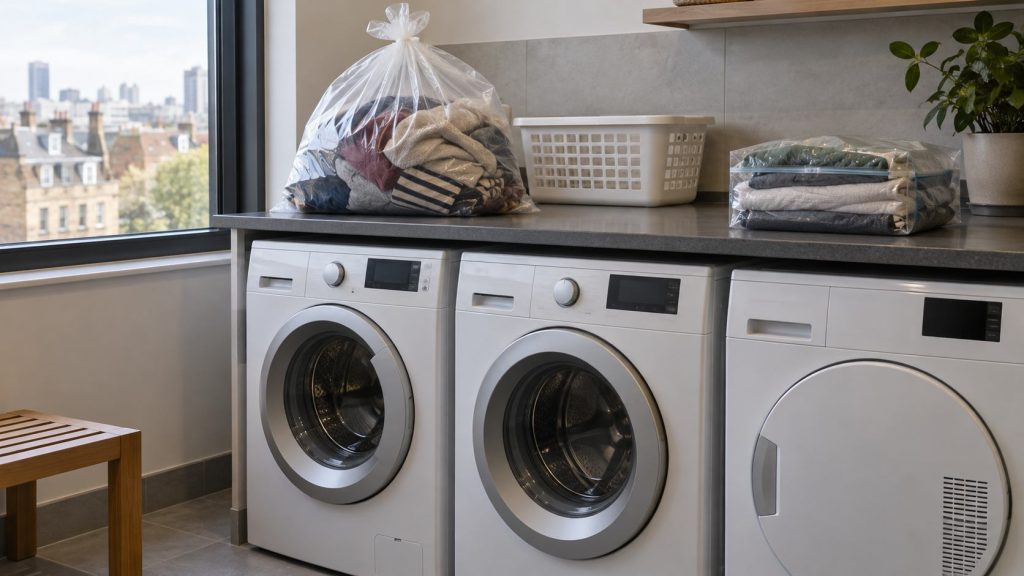
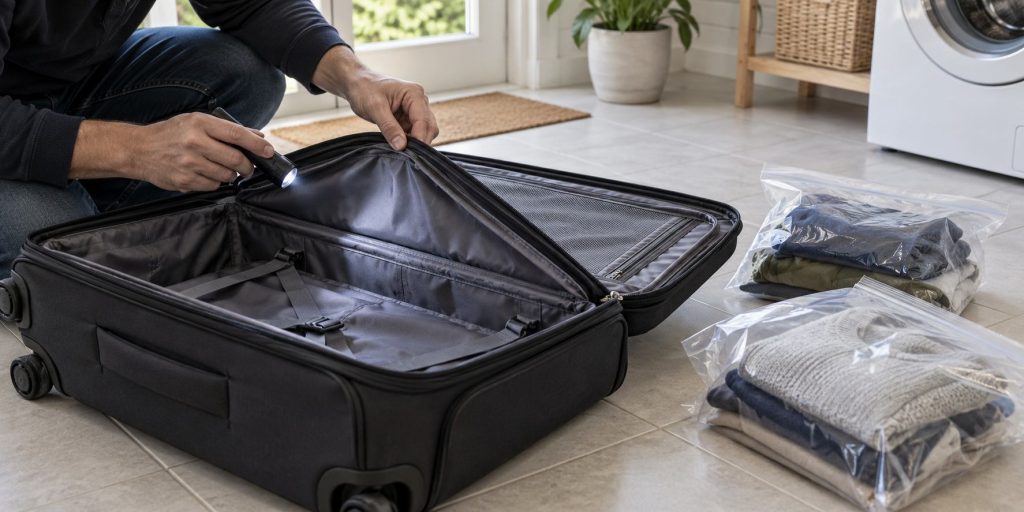
Keep untreated items separate until their handling has been agreed. This includes belongings removed for heat sensitivity, a bag stored in another room, or luggage that returns from travel. Do not carry soft furnishings between rooms because one room has now been heated. If a room outside the treated scope had possible signs before treatment, mention it during follow-up; it may need its own inspection. A heat cycle cannot cover an area that was never included in the plan.
When a visitor, delivery or second-hand item enters the home, record anything relevant without turning daily life into a quarantine exercise. Reintroduction is a possibility, not an automatic explanation for every post-treatment finding. The location and timing of a new sign can help the technician assess it. The company’s heat treatment page describes the treatment scope and the need to watch for possible reintroduction after the room cools.
In a managed building, share evidence through the landlord or managing agent if activity may involve another unit or shared furniture. A report that states the room, date, identified specimen and treated scope is more useful than an accusation that a neighbour caused a return. Ask the provider whether connected rooms were part of the original assessment.
Know when the follow-up should change the plan
Agree a follow-up date with the provider rather than waiting for certainty from one quiet night. University of Minnesota Extension guidance for pest professionals recommends a further inspection after treatment to confirm elimination and notes that missed hiding places can explain failures. The interval and action for your property should come from its treatment specification, the extent of the original problem and any new evidence.
At the follow-up, ask the technician to review the treatment record, inspect the same locations and identify any captured insects. If activity remains, the question is where it survived or entered: a cold spot, an untreated item, an adjacent room or a new introduction. That distinction determines whether another heat cycle, a different targeted method or a scope change makes sense. Do not assume that repeating the identical treatment without investigating the source will solve it.
Keep copies of the report, dated photographs and a brief log until the provider confirms the programme is complete. Ask what would trigger another call after that point and whether any monitors should stay in place. For a confirmed return or a question about the agreed plan, use the contact page and include the treatment date, room, exact sign and the clearest evidence you have.
The goal is a fair assessment of the result. Heat can be highly effective when the target areas reach and hold the required conditions, but the evening after treatment cannot establish what has happened in every refuge or untreated possession. A stable room setup, a few well-placed checks and a planned professional review give you a much sounder answer than either instant reassurance or panic at an old mark.

Al Joel is a practical writer and long-term property maintenance specialist focused on real-world pest control, home safety and prevention advice. His guides translate common warning signs into clear next steps for homeowners, tenants, landlords and property managers.His approach begins with correct identification. A sighting in one room may originate from a neighbouring flat, service riser, drainage, roof space, delivery or communal waste area. Al explains how to preserve useful evidence, reduce food and water sources, avoid spreading activity and choose proportionate treatment.What readers can expectClear identification clues and practical inspection stepsSafe preparation, cleaning and aftercare guidancePrevention advice for homes, flats and commercial premisesHonest guidance on when DIY is reasonable and when professional help is the smarter optionWhen professional help makes senseRepeated sightings, activity in several rooms, uncertain identification, vulnerable occupants or signs involving food, electrics and shared building routes deserve a professional inspection. A lasting solution normally combines targeted treatment with proofing, hygiene and follow-up monitoring.Explore the Pest Library, learn how treatment works, or request property-specific advice.