 020 3404 5177
Reliable Pest Control in Brixton for Residential and Commercial Properties
Brixton properties experience consistent pest pressure due to dense housing layouts and mixed-use buildings, especially where older Victorian conversions and modern flats share structural vulnerabilities. Effective pest management requires targeted inspection techniques that identify entry points, nesting zones, and food source access across varied building types.
- Rodent activity common in basement flats, communal bin stores, and service voids beneath purpose-built apartments
- Bed bug spread frequently linked to high-turnover rental accommodation and multi-occupancy housing
- Insect infestations often driven by warm internal pipework, kitchens, and poorly sealed skirting boards
- Seasonal wasp and ant activity increases in loft spaces and roof voids during warmer months
Detailed Inspection and Infestation Diagnosis in Brixton
Panther Pest Control
Structural survey of building fabric
Inspection begins with a detailed assessment of building construction, focusing on how pests exploit gaps in older Brixton housing stock. Victorian brickwork, internal stud walls, and suspended timber floors are examined for signs of movement trails, grease marking, and entry abrasions.
Attention is also given to shared structural elements in converted flats and terraces, where pests often travel between adjoining units through concealed service routes and poorly sealed voids.
Rodent movement tracing
Rodent activity is mapped through droppings distribution, gnaw damage, and runway patterns along skirting lines and pipework channels. In Brixton properties, these routes frequently extend between basements, kitchens, and communal refuse areas.
Insect activity detection
Insect infestations are identified through pinpoint residue spotting, nesting debris, and egg case presence in sheltered areas such as mattress seams, behind headboards, and within kitchen cabinetry.
Risk evaluation and treatment planning
Once all evidence is collected, infestation severity is assessed in relation to property layout, occupancy levels, and structural vulnerability. This determines whether localised treatment or full-structure intervention is required to prevent recurrence and cross-contamination.
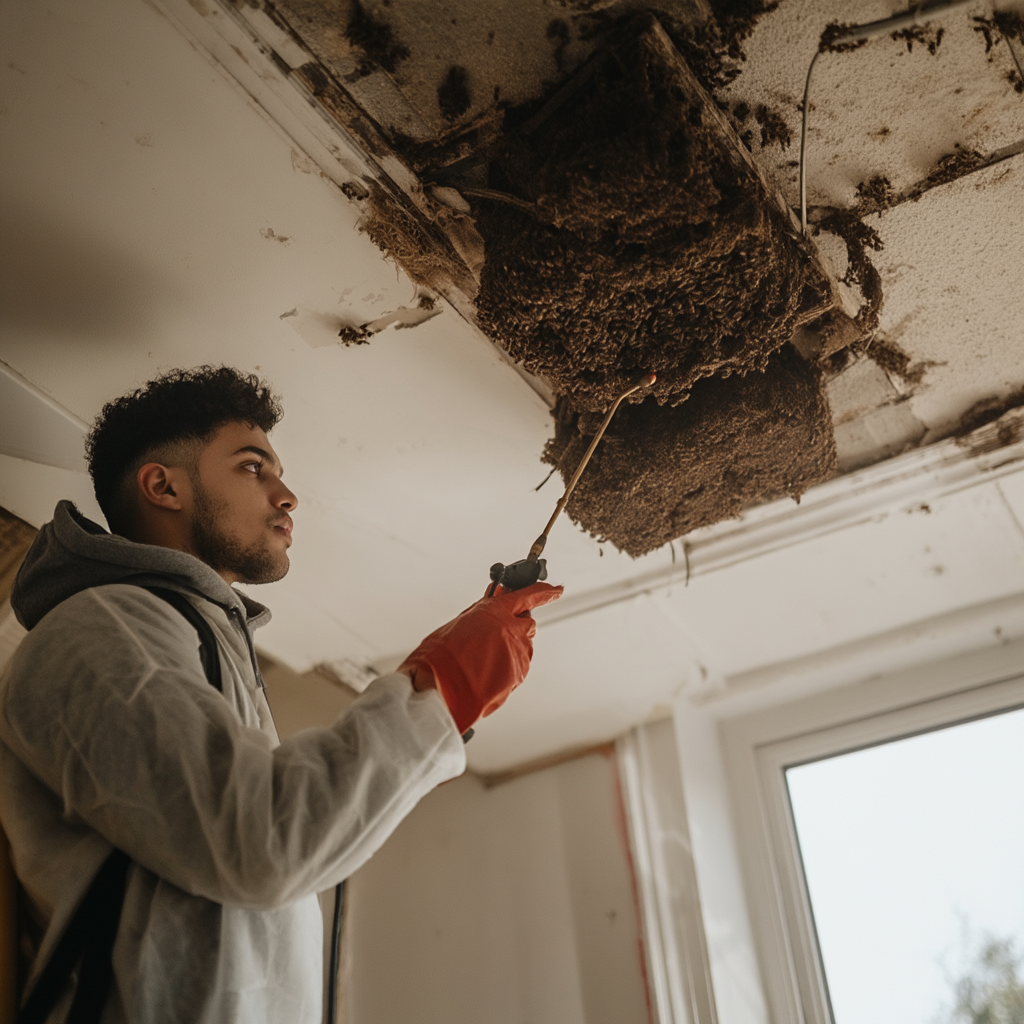
Where aerial nesting pests are identified around roof edges, gutters, or loft voids, targeted intervention such as wasp control is deployed to neutralise colonies and prevent aggressive swarm activity impacting residents and neighbouring properties.
Panther Pest Control’s Comprehensive Bed Bug Control Strategies in Brixton
Initial infestation mapping
Bed bug control in Brixton begins with a structured inspection of sleeping areas, focusing on mattresses, bed frames, and nearby soft furnishings. Technicians identify tell-tale signs such as blood spotting, faecal staining, and shed skins, which indicate active harbourage zones.
Room-by-room risk assessment
Each room is assessed individually to determine the spread of infestation, especially in high-density housing such as converted Victorian flats and shared accommodation. Particular attention is given to skirting lines, electrical sockets, and wall junctions where bed bugs commonly migrate.
Heat and chemical treatment selection
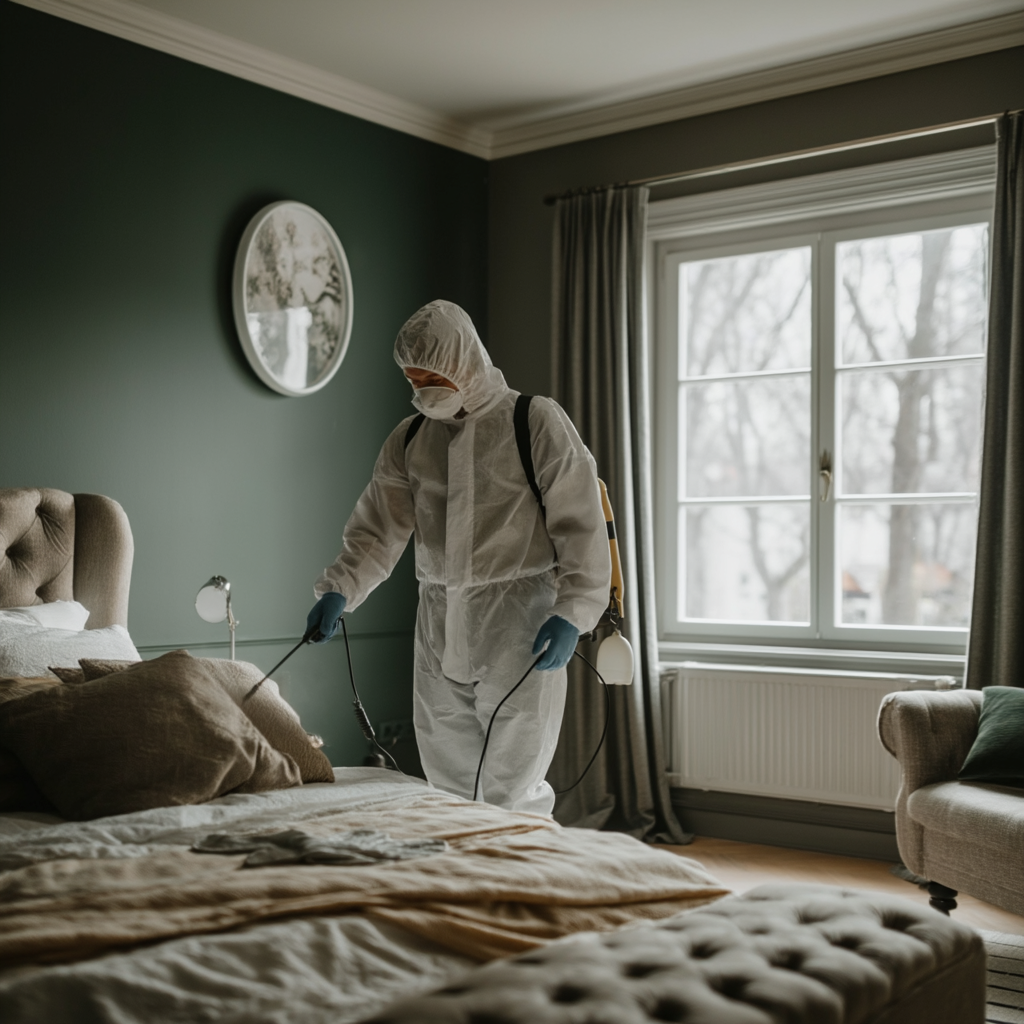
Depending on severity, a combination of residual insecticides and controlled heat application is selected to target all life stages. Heat treatment is especially effective in Brixton properties where infestations are embedded within upholstered furniture and structural crevices.
Targeted application in harbourage zones
Treatment is applied directly into known hiding areas including bed frames, mattress seams, headboards, and surrounding furniture. This ensures contact with eggs and nymphs that are often resistant to surface-level treatments.
Containment and spread prevention
Movement pathways between rooms are treated to prevent cross-contamination, particularly in multi-occupancy buildings. Encasements and barrier applications help restrict further spread while active treatment eliminates existing populations.
Follow-up inspection and clearance verification
Follow-up visits are essential to confirm full eradication, as bed bug life cycles can allow delayed hatching after initial treatment. Re-inspection ensures no residual activity remains and that Brixton properties remain protected from reinfestation.

Marieta Lazarova 
The treatment was carried out in a professional manner and the technician answered all of my questions patiently. Thanks to their expertise, I can now enjoy a pest-free home. Highly recommend!
Brixton Frequent Questions
How quickly can pest infestations be dealt with in Brixton homes?
Most pest issues in Brixton are assessed within 24 hours, particularly in high-risk housing such as basement flats and converted Victorian terraces. Treatment speed depends on infestation severity and how widely pests have spread across shared structural areas.
What pests are most commonly found in Brixton properties?
The most frequent infestations include rodents, bed bugs, cockroaches, and ants. These are often linked to dense housing layouts, communal waste storage, and internal voids that allow pests to move between adjoining flats and commercial units.
Will I need to leave my property during treatment?
In many cases, occupants can stay in the property while treatment is carried out. However, methods such as heat treatment or certain space-based applications may require temporary evacuation to ensure full effectiveness and safety compliance.
What Our Customer Say`s
These are some of the responses from our customers who are very satisfied
Booked property fumigation of an entire house and was quite happy with the service. I expected it to take much longer that it actually took, so that was a nice surprise. I will recommend to everyone needing the job done swiftly.
I would have been nice if the world worked in a way that if you once get bed bugs and get rid of them they never reappear, but it doesn’t. I’ve had to call for bed bug treatment two times in the last five years and have trusted Panther Pest Control both times. They get the job done without any hassle, plus the prices are budget-friendly.
Excellent 5-star service from Georgi! Quick and efficient, was solution-focused as this was a mid-tenancy clean so had all my stuff in the flat still – he offered nothing but solutions, would 100% book him again!
Cockroaches were everywhere! It was terrifying! We must not have noticed the infestation at first because when we did see it it was a nightmare. We were so grossed out we called the first company that popped up online and booked an emergency service. We couldn’t be more grateful! Thank you!
The treatment was carried out in a professional manner and the technician answered all of my questions patiently. Thanks to their expertise, I can now enjoy a pest-free home. Highly recommend!
The pest infestation in our home went out of control completely. There were only spiders first but then we started seeing other crawling insects as well. Since the treatment was done, I haven’t noticed any invaders, yet!
Prices And Deals from Panther Pest Control

Rodent Control Plans & Pricing in Brixton
Our rodent control plans include professional treatment and follow-up inspections to help eliminate rats and mice while reducing the risk of future infestations.
| 1-Month Plan | Price |
|---|---|
| 1-Bedroom Property | £205 |
| 2-Bedroom Property | £215 |
| 3-Bedroom Property | £240 |
Includes: Initial treatment plus one follow-up inspection within 30 days. Ideal for recent rodent activity.
| 3-Month Plan | Price |
|---|---|
| 1-Bedroom Property | £285 |
| 2-Bedroom Property | £295 |
| 3-Bedroom Property | £320 |
Includes: Initial treatment and two follow-up visits over three months. Recommended for persistent or recurring rodent infestations.
“`
Frequently Asked Questions
Do you provide pest control services for parks or recreational areas in Brixton?
Yes, we offer pest control for public spaces like parks, ensuring the safety and comfort of visitors.
Do you offer pest control for public transportation facilities?
Yes, we provide pest control for public transportation hubs, focusing on maintaining hygiene and safety standards.
Can I customize my pest control service plan?
Yes, we offer customizable service plans to fit your specific needs, whether for residential, commercial, or specialized environments.
How flexible are your service schedules?
We offer flexible scheduling options, including evenings and weekends, to accommodate your needs.
Panther Pest Control: Serving the Brixton Community
Meet Our Experts

Local Wasp and Insect Specialist in Brixton
Wasp activity can increase rapidly during the warmer months, particularly around lofts, rooflines, wall cavities and garden structures. Early intervention is often the safest and most effective way to prevent a small nest from developing into a larger infestation.
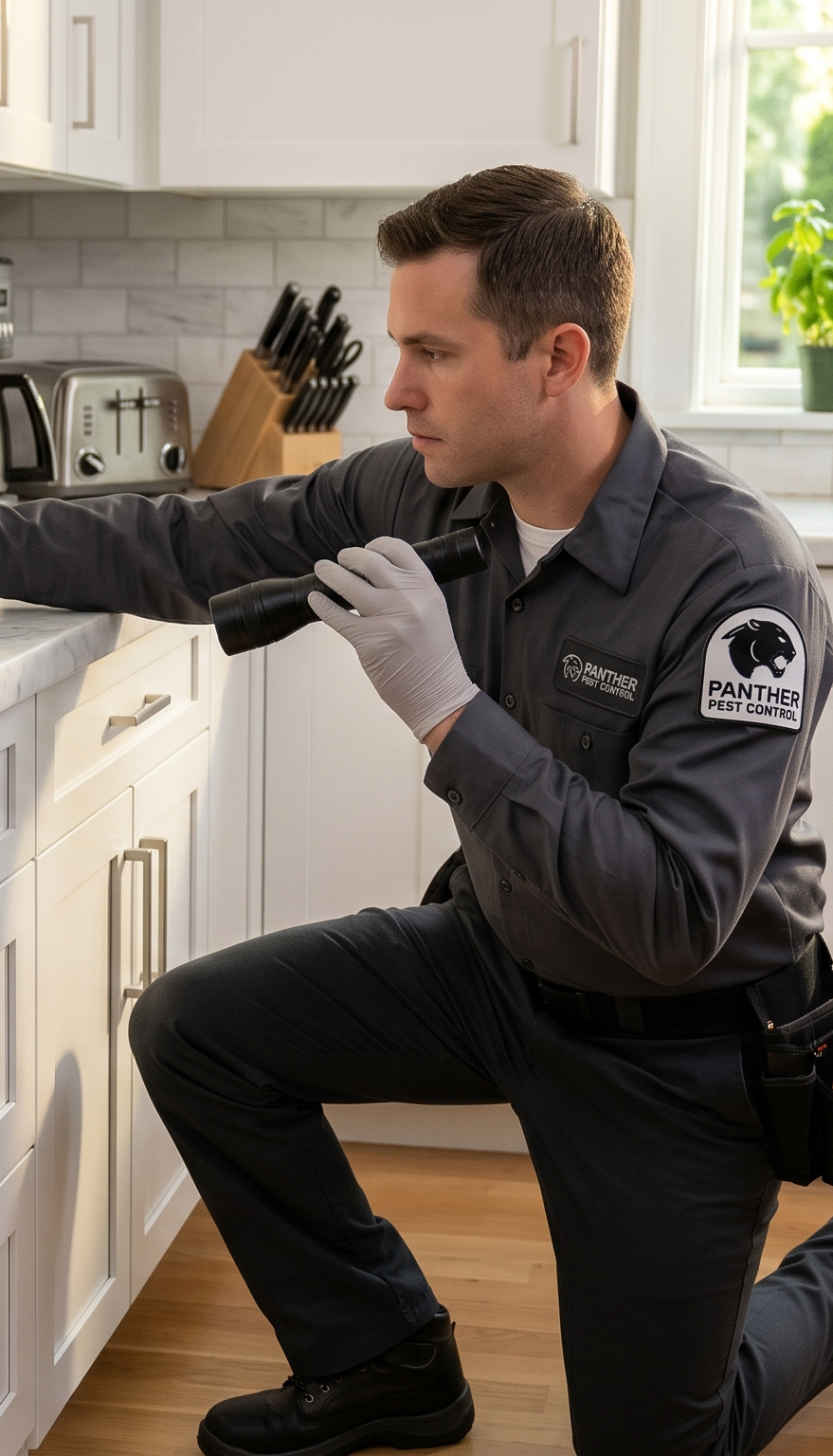
Alexander Clarke is one of Panther Pest Control’s experienced insect technicians, specialising in wasp nest treatments, flying insect control and the identification of active nesting sites. He has worked on a wide range of residential and commercial pest control projects throughout London and the surrounding areas.
🐾 Local pest pressure
Pest risk points near Brixton
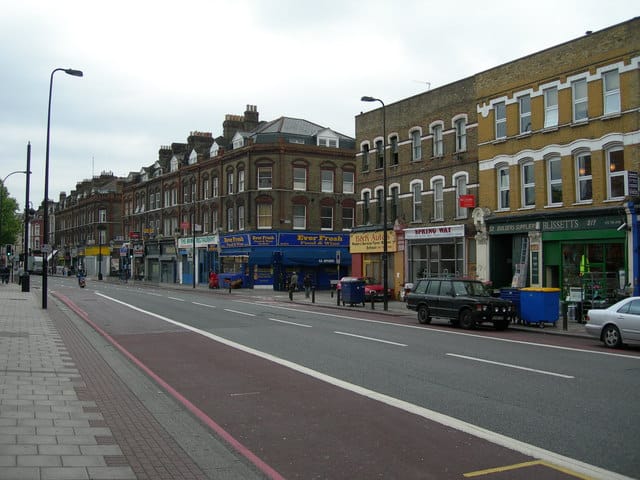
Our pest control technicians regularly work across Brixton, covering homes, shops, commercial buildings, green spaces and busy local streets where pest activity can develop.
Residential streets
Homes & flats
Terraced houses, flats and converted buildings often need checks for mice, rats and insects.
Local coverage
Restaurants and shops
Commercial premises
Food waste, storage rooms and rear access points can increase pest pressure.
Business support
Gardens and bin areas
Outdoor risk points
Bins, gardens and shared outdoor spaces can attract rodents and seasonal insects.
Prevention advice
Blocks of flats
Shared buildings
Communal entrances, risers and service voids can allow pest movement between units.
Discreet visits
Lofts and wall voids
Entry points
Small gaps around pipes, rooflines and vents can allow mice, rats and squirrels inside.
Proofing checks
Nearby green spaces
Seasonal activity
Parks and overgrown areas can increase rodent, ant, flea and wasp activity in warmer months.
Seasonal risk
✓ Local technicians in Brixton
✓ Same-day pest control visits
✓ Rodent, insect & bird proofing
✓ Discreet treatment for homes & businesses
Local pest knowledge matters. We consider nearby food sources, gardens,
transport links, building type and access points around Brixton before recommending treatment.
Pest Control Brixton
Postcode coverage: SW2, SW9
Other locations we cover nearby: Brixton
Request a free quote
Contact us today to request your free, no-obligation quote and take the first step toward a pest-free environment.
