Category Archives: All Pest Control

How to Get Rid of a Wasp Nest Safely: UK and London Expert Guide

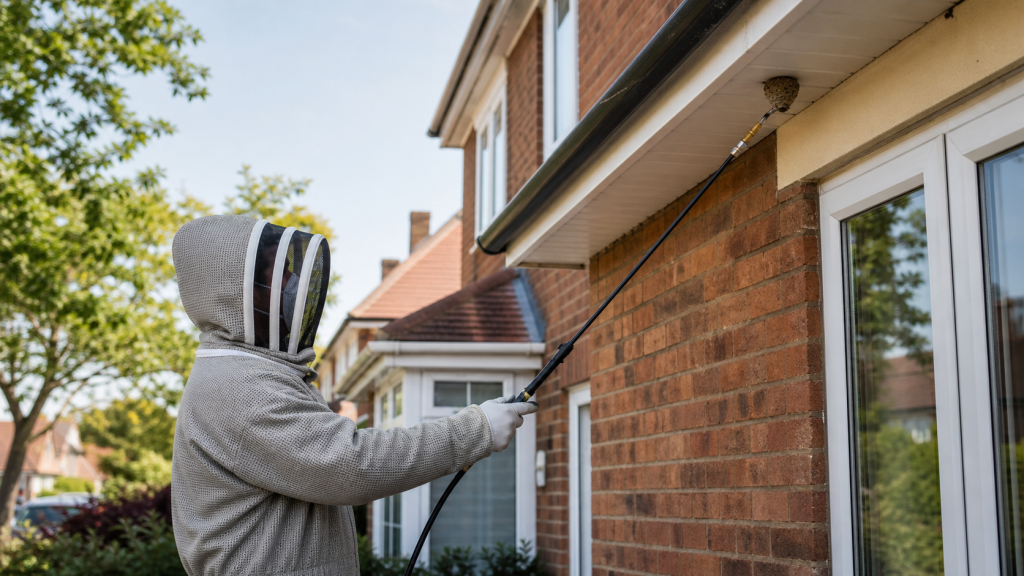
Professional wasp nest treatment at the eaves of a London house

A wasp nest beside a London doorway, loft hatch or children’s play area needs a calm risk assessment, not a hurried attack with an aerosol. Wasps defend the nest entrance, and treatment at height or inside a cavity can expose occupants, neighbours and passers-by. This guide explains how to identify an active nest, when it can be left alone, what safe professional removal involves and how to prevent repeat nesting without harming bees or blocking live insects into the building.Key TakeawaysConfirm wasps, bees or hornets before treatment; the correct response differs.Keep people and pets away from the flight path and never block an active entrance.Avoid ladders, fire, water and improvised chemicals.Professional treatment is most appropriate near occupied areas, at height, inside cavities or where allergy risk exists.Book wasp control for a site-specific assessment.Table of ContentsIs It a Wasp Nest, Bee Nest or Hornet Nest?Decide Whether the Nest Needs TreatmentWhat Not to DoHow Professional Wasp Nest Treatment WorksLofts, Wall Cavities, Roofs and Ground NestsWasp Control for London BusinessesPreventing Wasp Nests Next SeasonPractical London Access and TimingAfter Treatment: Verification and ProofingBooking Checklist for Wasp Nest RemovalFrequently Asked QuestionsRelated ArticlesIs It a Wasp Nest, Bee Nest or Hornet Nest?Common wasps and German wasps form grey-brown paper nests made from chewed wood fibres. Workers have a narrow waist and bright yellow-and-black markings. A steady stream entering one hole every few seconds is stronger evidence than several wasps feeding on flowers. Early nests can be golf-ball sized; mature nests hidden in lofts or wall cavities may become much larger.Honey bees are hairier and brown-gold, while many solitary bees use individual holes without forming a defensive colony. Bumblebees are robust and furry and often nest beneath sheds or in old rodent holes. Bees are valuable pollinators, and relocation or tolerance may be more appropriate. Send a clear photograph before booking if identification is uncertain.The native European hornet is larger, with chestnut and yellow colouring, but is not automatically more aggressive away from its nest. Any suspected Asian hornet should be reported through the current official route because it is an invasive species. Do not approach it for a close photograph.Decide Whether the Nest Needs TreatmentA nest high in an unused tree at the far end of a large garden may be left until the colony naturally dies in autumn. Wasps do not reuse the same nest the following year. Treatment becomes proportionate when the entrance is beside a door, window, school area, café terrace, loft access, maintenance route or a household member with a known severe allergy.In terraced streets, consider the public footway and neighbours. A technician treating a front elevation in Islington or Westminster may need a controlled working area so pedestrians do not enter the flight line. Nest location, access height and the possibility of wasps emerging indoors determine the method.If anyone develops breathing difficulty, facial or throat swelling, dizziness or collapse after a sting, call 999. For ordinary local reactions, follow NHS advice. Pest technicians assess the nest; they do not provide medical diagnosis.What Not to DoDo not block the entrance with foam, mortar or tape while the colony is active. Trapped wasps can chew alternative routes into bedrooms, ceiling voids or neighbouring rooms. Proofing comes after confirmed inactivity. Do not strike the nest or shine a bright lamp into the entrance at close range.Never burn a nest, pour petrol into a cavity or direct a hose at roof eaves. Fire spreads through dry loft materials, water damages electrics and neither provides controlled exposure. Retail aerosols sprayed from a ladder combine fall risk with defensive wasps.Do not assume night makes DIY work safe. Activity is lower, but the colony remains present and poor visibility increases mistakes. Professional protective equipment, access planning and labelled products are the relevant controls.How Professional Wasp Nest Treatment WorksThe technician confirms species, entrance, nest position, access and nearby hazards. A surface nest may be removed into a sealed container when safe. A concealed nest is usually treated through the established entrance using an authorised insecticide delivered so returning workers contact the deposit.Technicians wear suitable protective clothing and keep occupants away. Long-reach equipment can reduce work at height. Where access equipment is necessary, the quotation should explain it. Treatments follow the product label, risk assessment and COSHH controls; indiscriminate spraying around the garden is not professional practice.Activity often reduces quickly, but returning workers may remain visible for a period. Follow the written advice on exclusion time and when the entrance can be sealed. A nest should not be opened immediately after treatment merely to satisfy curiosity.Lofts, Wall Cavities, Roofs and Ground NestsA loft nest may hang from a rafter or sit deep in insulation. Do not enter if wasps are emerging around the hatch. Close the hatch, keep the room below clear and tell the technician about water tanks, fragile ceilings and restricted boarding. Read our guide to a wasp nest in a loft.For cavity nests, the visible hole is a doorway, not necessarily the nest itself. Sealing it first can redirect the colony through vents and service penetrations. After control, repair failed pointing, fascia joints and pipe gaps with materials appropriate to the building.Ground nests in compost, borders or old burrows are easy to step on during gardening. Mark the area from a safe distance, stop mowing and keep pets away. Do not excavate an active colony.Wasp Control for London BusinessesRestaurants, pubs, bakeries and food markets attract foraging wasps even when the nest is off-site. Keep external bins clean and closed, rinse sugary recycling, clear spillages promptly and use screened preparation areas. Electronic fly killers are not a substitute for locating a nearby nest.For a Soho pub or Borough Market supplier, treatment timing must protect customers and avoid contaminating food. The pest contractor should coordinate access before opening, document products and advise staff when the area can return to use. Commercial sites may benefit from seasonal surveys under a pest management contract.Record sting incidents, nest reports and corrective work. Where workers face a known risk, the employer’s health-and-safety assessment should consider first-aid arrangements and vulnerable employees.Preventing Wasp Nests Next SeasonInspect eaves, soffits, airbricks and sheds in late winter, when old nests are inactive. Repair damaged fascia and fine gaps while preserving ventilation. Fit insect mesh designed for vents rather than blocking them. Keep roof repairs weatherproof; a blob of foam is rarely durable.In spring, a queen may build a tiny open nest. Early professional assessment is simpler than dealing with a mature colony in August. Fake paper nests and ultrasonic products are unreliable substitutes for maintenance.Reduce foraging pressure by managing waste and fallen fruit. Keep compost covered, clean barbecue residue and do not leave sugary drinks open. Prevention cannot remove every wasp from a garden, and it should not: wasps are predators of many other insects.Practical London Access and TimingCentral London properties often have nests above conservatories, light wells or narrow rear alleys where ordinary ladders cannot be used safely. Send photographs from ground level and describe parking, gate width, roof access and whether scaffolding is present. This allows the company to bring suitable equipment.Peak call volume is usually during warm summer weather when colonies are large. A same-day promise is useful only if the operator can reach and treat the actual entrance. Ask whether the quote includes difficult access, a return visit and removal of a visible nest.In conservation areas, proofing repairs should respect original brick, timber and ventilation details. Pest control makes the colony inactive; a roofer or builder may be needed for permanent fabric repair.After Treatment: Verification and ProofingObserve from indoors or well outside the flight line. A substantial reduction is expected, but weather and nest position affect the timeline. Contact the provider if organised traffic continues beyond the advised period rather than applying another product.Once inactivity is confirmed, remove an accessible nest if required and safe, then clean residues according to instructions. Old concealed nests are often harmless and can remain if removal would damage the structure.Seal entry defects only after confirmation. Photograph the repair and add the location to an annual spring inspection list. If wasps now appear inside, close the room and contact the technician because the route may have changed.Booking Checklist for Wasp Nest RemovalProvide the address, nest height, entrance location, indoor or outdoor activity, allergy concerns and any product already used. State whether access crosses a neighbour’s land or public pavement and whether pets, children or customers use the area.Ask for the treatment method, access charge, expected activity after treatment, guarantee conditions and whether physical removal is included. Confirm that the operator is insured and uses authorised products.Keep windows nearest the entrance shut during attendance, move vehicles or furniture that obstruct access and follow re-entry instructions. Do not stand outside to watch the treatment.Seasonal Behaviour and Why Timing Changes the JobIn early spring, a solitary queen searches lofts, sheds and eaves and builds the first cells herself. At this stage the nest is small and worker traffic may be intermittent. By early summer, workers take over nest building and food collection. In late summer the colony can contain thousands of wasps, and the balance shifts from collecting protein for larvae to seeking sugary foods. That is why pub gardens and bins can suddenly become busy in August even when staff have changed nothing.Cold weather ends the annual colony, but warm sheltered London roof voids can remain active later than exposed rural nests. Do not assume a calendar date proves inactivity. Watch the entrance on a mild day and use professional inspection where the route enters an occupied cavity. Queens found indoors during winter may simply be overwintering individuals rather than evidence of a functioning nest.Treatment planning also depends on weather. Heavy rain and strong wind affect flight, access equipment and product application. A responsible operator may reschedule a hazardous roof treatment rather than rush it. For businesses, agree a safe time window and temporary exclusion zone in advance so a weather change does not collide with customers or deliveries.Once the seasonal problem is resolved, do not seal every small opening indiscriminately. Victorian and Edwardian roofs need ventilation, and blocked air flow can contribute to condensation and timber decay. Use insect-resistant vent mesh and competent building repairs. Photograph the original entrance, the completed treatment and the final repair; this creates a useful maintenance record for landlords, facilities managers and future technicians.Frequently Asked QuestionsHow much does wasp nest removal cost in London?Price depends on access, height, nest position and whether specialist equipment or a return visit is needed. Obtain a site-specific quote.Will wasps return to the same nest?No. A colony dies and the paper nest is not reused, although a suitable roof void may attract a new queen nearby next year.Can I block the entrance?Not while the nest is active. Blocking can force wasps into the building. Seal only after control and confirmed inactivity.How quickly does treatment work?Activity often falls within hours, but returning workers may be seen for longer. Follow the technician’s stated verification period.Should a nest always be removed?No. An inaccessible inactive nest can often remain without harm. Removal is useful when accessible, contaminated or obstructing repairs.Are wasps protected in the UK?Common wasps are not generally protected, but treatment should still be necessary, targeted and environmentally responsible. Bees require different consideration.What if the nest is in a rented property?Report it promptly to the landlord or agent. Responsibility depends on the tenancy, cause, location and repair obligations.Can wasps damage a house?They scrape wood fibres for nest material but usually do not consume structural timber. The greater issue is access through existing defects and indoor emergence.Related Pest Control ArticlesWasp Nest in LoftQueen Wasp Compared with a Normal WaspDealing with Wasp StingsSeasonal Pest Calendar UK

Signs of Woodworm in UK Homes: Identification, Treatment and Prevention

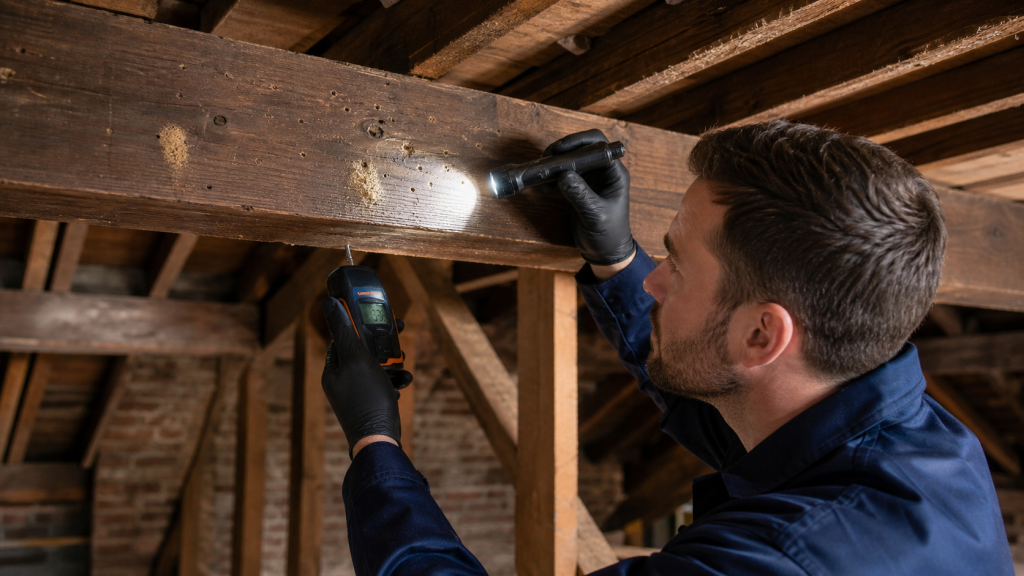
Timber specialist inspecting woodworm holes in a Victorian London loft

Small round holes in a floorboard or loft beam are often called woodworm, but the holes may be decades old and the beetles long gone. Treating every hole wastes money; ignoring fresh activity in damp structural timber can allow avoidable damage. This London-focused guide explains how to identify active wood-boring insects, distinguish common species, investigate moisture, specify treatment and decide when a structural timber specialist is required.Key TakeawaysExit holes alone do not prove an active infestation; look for fresh frass and new seasonal emergence.Correct species identification matters because hole size, timber preference and risk differ.Moisture control is part of treatment, especially in poorly ventilated lofts, cellars and suspended floors.Structural timbers require assessment of residual strength, not simply surface spraying.Arrange professional woodworm treatment after an evidence-led inspection.Table of ContentsWhat Woodworm Actually MeansHow to Tell If Woodworm Is ActiveCommon UK Wood-Boring BeetlesA Professional Woodworm InspectionWhy Damp and Ventilation MatterWoodworm Treatment OptionsDIY Treatment: Limits and SafetyWoodworm in Floors, Lofts, Furniture and Listed BuildingsComparing Woodworm Surveys and QuotesA Practical Four-Week Monitoring PlanFrequently Asked QuestionsRelated ArticlesWhat Woodworm Actually MeansWoodworm is a description of the larval stage of several wood-boring beetles, not one species. Larvae live inside timber, feed and create tunnels, then adult beetles emerge through flight holes. The life cycle can take years, so damage may continue unseen before the brief adult emergence season.In London houses, the common furniture beetle is the usual suspect. Deathwatch beetle is associated with old, damp hardwood in historic structures, while house longhorn beetle has a more restricted distribution and can cause serious structural damage. Powder-post beetles favour certain hardwoods. Identification changes the inspection scope and treatment.Old reclaimed boards and antique furniture often carry historic holes. An inspector considers hole dimensions, shape, frass texture, timber type, moisture and distribution rather than diagnosing from one photograph.How to Tell If Woodworm Is ActiveFresh frass is the strongest everyday clue. It may appear as pale dust or gritty pellets beneath holes during the emergence season. New holes have clean, sharp edges and unweathered wood inside; old holes are dark, dusty or coated by previous finishes. Beetles, dead adults near windows and larvae exposed during repairs add evidence.Mark and photograph suspect areas, clean existing dust and recheck. White paper beneath furniture or beams makes new frass visible. Do not inject household insecticide into random holes; it destroys evidence and rarely reaches larvae throughout the timber.Activity is commonly noticed from spring into summer, but heated buildings can alter timing. Absence of frass on one winter inspection does not prove inactivity. A professional may recommend seasonal monitoring before treatment where risk is low.Common UK Wood-Boring BeetlesCommon furniture beetle exit holes are typically round and around 1–2 mm, with gritty bun-shaped frass. It attacks sapwood in furniture and building timbers, especially where moisture is elevated. Damage can look extensive at the surface while sound heartwood remains, so strength needs physical assessment.Deathwatch beetle makes larger round holes and coarse bun-shaped pellets. It is strongly associated with damp, decayed hardwood in older buildings. London churches, historic houses and timbers embedded in wet masonry require conservation-aware diagnosis rather than a blanket spray.House longhorn beetle produces larger oval holes and extensive internal galleries, often with ribbed frass. Suspected structural activity demands specialist attention. Powder-post beetles produce very fine flour-like frass in starch-rich hardwood. Misidentification is a common cause of failed treatment.A Professional Woodworm InspectionThe survey should cover all accessible faces of affected timber, not just the decorative hole. The technician maps distribution, probes suspect areas, checks moisture and ventilation, looks for fungal decay and records inaccessible zones. Roof leaks, plumbing faults and blocked airbricks may be more urgent than insecticide.In a Victorian terrace, inspect the loft at eaves and chimney abutments, joist ends built into external walls and suspended ground-floor voids. In converted flats, establish who controls structural timbers and whether access is needed through another demise.Paint, varnish, insulation and stored belongings affect inspection and treatment. The report should state limitations and distinguish confirmed active infestation from historic evidence. Ask for photographs, species reasoning and a clear treatment boundary.Why Damp and Ventilation MatterMany wood-boring larvae perform better in timber with raised moisture. A leaking roof, condensation in an over-insulated loft, blocked sub-floor vents or damp masonry around joist ends can maintain suitable conditions. Killing beetles without fixing water ingress invites recurrence and leaves decay untreated.Moisture meters are useful screening tools but readings require correct interpretation for timber species, surface salts and temperature. A single number is not a full damp survey. Trace the source: rain penetration, plumbing, ground moisture, condensation or previous wetting.Restore ventilation without chilling the home or compromising fire separation. Roofers, plumbers, damp specialists and structural engineers may be required alongside pest control. Clear responsibilities prevent each trade treating only its own symptom.Woodworm Treatment OptionsFor accessible active common furniture beetle, a professional may apply an authorised water-based insecticide to cleaned bare timber. Coverage, absorption and product label determine success. Painted or varnished surfaces may need preparation, and treatment should not be sprayed indiscriminately over finished living areas.Local injection or specialist methods may be used for thick, inaccessible or high-risk elements, depending on species and construction. Heat can be suitable for selected objects or controlled spaces, but temperatures must reach the insect throughout the timber without damaging finishes or historic fabric.Severely weakened timber may need strengthening or replacement specified by a competent structural professional. Chemical treatment cannot restore lost cross-section. The plan should separate eradication, moisture repair and structural work.DIY Treatment: Limits and SafetyA retail product can be appropriate for a small, confirmed active area of accessible non-structural timber if its label permits the use. Wear specified protective equipment, ventilate and protect people, pets and aquariums. More product, mixing brands or using agricultural chemicals is unsafe.DIY is unsuitable where species is uncertain, structural beams are affected, activity is widespread, timber is damp or rotten, the property is listed, or access requires lifting floors and disturbing insulation. Surface brushing over varnish provides false reassurance.Do not sand or drill suspect historic painted timber without considering lead paint and asbestos in adjacent materials. A pest problem does not remove normal refurbishment hazards.Woodworm in Floors, Lofts, Furniture and Listed BuildingsFloorboards may show historic holes from a period when the sub-floor was damp. Inspect joists and ventilation before replacing boards. For furniture, isolate the item for monitoring but do not wrap damp timber in plastic; specialist treatment should preserve joints and finishes.Loft timbers often show old common furniture beetle holes concentrated near past leaks. Fresh frass below roof slopes deserves prompt roof inspection. Remove only enough insulation for safe access and replace it correctly afterwards.Listed buildings require methods compatible with heritage significance. Contact the conservation officer where consent may be needed for timber replacement or fabric alteration. Retain samples and records; unnecessary removal of historic timber is irreversible.Comparing Woodworm Surveys and QuotesA useful quotation names the likely species, states whether activity is confirmed, defines the treatment area, explains preparation and aftercare, lists exclusions and addresses moisture. A generic whole-house spray based on a few old holes is not a diagnosis.Ask how inaccessible timbers will be assessed, whether floor lifting is included, what guarantee conditions apply and who is responsible for reinstatement. Guarantees often depend on keeping timber dry and completing recommended building repairs.Panther Pest Control can inspect and specify woodworm treatment in London. Provide property age, survey findings, leak history, access information and photographs when booking.A Practical Four-Week Monitoring PlanWeek one: photograph holes, vacuum existing frass and place clean paper beneath suspect areas. Check gutters, roof coverings, plumbing and vents. Week two: inspect paper and window sills for beetles, noting exact locations.Week three: compare new evidence with the original map and obtain species identification. For structural areas or clear fresh activity, do not wait for the full month; arrange a survey immediately. Week four: decide between continued monitoring, targeted treatment and building repair.After treatment, retain the map and dated photographs. Fresh holes are uncommon immediately because the life cycle is long; follow the surveyor’s monitoring period. Correct moisture and recheck annually at the start of emergence season.London Case Example: Holes in a Victorian LoftConsider a top-floor flat in Fulham where a buyer’s survey reports “possible woodworm” in rafters. The visible holes sit below an old slipped slate, but the roof was repaired ten years earlier. A poor response would be to spray every accessible beam before establishing whether anything remains alive. A better survey photographs the distribution, cleans a small monitoring area, measures moisture, checks for recent beetles and examines whether the holes continue beneath newer cut surfaces.If holes are dark and filled with paint, no new frass appears through the emergence season and timber moisture is normal, the reasonable outcome may be a written record and monitoring. If pale frass accumulates beneath sharp-edged holes near a persistently damp eaves section, the plan changes: repair the roof defect, expose sufficient timber, identify the beetle and treat the active zone. If probing shows soft or significantly reduced joists, a structural engineer or experienced timber contractor must assess load capacity.This distinction matters during property transactions. Mortgage valuers sometimes request a timber report, but buyers should ask whether the inspection was invasive, which areas were inaccessible and whether quoted work is precautionary or evidence-based. Sellers should not wipe away fresh deposits immediately before a visit; dated evidence helps the specialist reach a defensible conclusion.Documentation, Guarantees and AftercareKeep the survey, product data, treatment plan, moisture readings, photographs and invoice with the property records. A certificate that says only “woodworm treated” is less useful than a plan showing the exact timbers, species assessment and access limitations. Future owners can then distinguish known historic holes from genuinely new activity.After treatment, maintain roof coverings, gutters, plumbing and ventilation. Do not enclose damp timber behind impermeable finishes. Follow instructions before reoccupying, redecorating or replacing insulation. Inspect during the next emergence season and report new frass in a previously clean area with a photograph and date.A guarantee is not a substitute for maintenance or structural repair. Read exclusions for leaks, inaccessible areas and untreated finished surfaces. The most valuable contractor is the one who is willing to say that treatment is not currently justified when evidence is historic.Frequently Asked QuestionsDoes every woodworm hole need treatment?No. Many holes are historic. Treatment should follow evidence of current activity, species and risk.What does fresh woodworm dust look like?It varies by species from fine flour-like powder to gritty or pellet-like frass. Fresh pale deposits beneath clean-edged holes deserve investigation.Can woodworm destroy a house?Severe long-term activity can weaken timber, but risk depends on species, moisture, timber and remaining cross-section. Structural assessment is required where strength is questioned.When do beetles emerge?Many common species emerge in spring and summer, although heated indoor conditions can shift timing.Can I paint over treated timber?Usually after the stated drying and curing period, but follow the product and contractor instructions because coatings affect future inspection and retreatment.Is woodworm treatment safe around children and pets?Professional products can be used safely when label controls, exclusion and ventilation instructions are followed. Declare vulnerable occupants and aquariums before work.Who pays for woodworm in a leasehold flat?It depends on the lease, whether structural or demised timber is affected and the cause. Notify the freeholder or managing agent before invasive work.How much does treatment cost?Cost depends on area, access, species, preparation and structural or damp repairs. An inspection-based quotation is essential.Where access is unsafe or evidence affects load-bearing timber, stop DIY work and obtain coordinated pest, building and structural advice before altering the fabric.Related Pest Control ArticlesHidden Pests That Damage UK HomesHow to Prepare Your Home for Pest ControlChemical Pest Control MethodsPest Inspection Service

Pest Control in Rented Property: Landlord or Tenant Responsibility in the UK?

Landlord and tenant reviewing a pest control inspection in a London rental property

When mice appear in a rented London flat, the first argument is often about the invoice rather than the entry point. “Landlord or tenant?” has no universal one-line answer. Responsibility depends on the cause, the condition at the start of the tenancy, repair duties, the tenancy agreement, the occupier’s conduct and whether the infestation affects common parts or several homes. This practical guide explains how tenants, landlords and agents should respond, document evidence and restore a safe property without delaying urgent control.Key TakeawaysReport pests promptly in writing and preserve dated evidence.Landlords are generally responsible where structural disrepair, defective drains or pre-existing infestation is the cause.Tenants may be responsible where their actions or failure to manage waste directly caused the problem.The tenancy clause is relevant but cannot remove statutory repairing and safety duties.A professional pest inspection can identify likely causes and provide an evidence trail.Table of ContentsThe Short Answer: Responsibility Follows the CauseLegal Framework in EnglandWhat Tenants Should DoWhat Landlords and Letting Agents Should DoCommon Scenarios and Who Usually ActsEvidence That Resolves DisputesWhen to Contact the Council or Seek AdviceHMOs, Flats and Communal AreasWho Pays the Pest Control Bill?A 48-Hour Response PlanLondon ExamplesFrequently Asked QuestionsRelated ArticlesThe Short Answer: Responsibility Follows the CauseA landlord must keep rented property safe and address repair defects within their legal responsibility. If rats enter through a broken drain, mice use unrepaired holes around services, or pests were present when the tenant moved in, the landlord will usually need to organise the repair and control. In blocks, the freeholder or manager may control the external fabric, refuse room and communal pipework.A tenant must take reasonable care of the home. Where accumulated food waste, unmanaged pet feed or conduct unique to the tenancy directly creates the infestation, the tenant may bear responsibility. Evidence matters: a few crumbs do not prove causation, and an old structural route does not become the tenant’s fault because the pest is first seen during the tenancy.Many cases are shared. The landlord repairs entry points and the tenant follows preparation, laundry, waste and access instructions. Arguing over blame while mice breed in a kitchen or bed bugs move between HMO rooms increases the final cost.Legal Framework in EnglandUnder the Landlord and Tenant Act 1985, landlords have repairing obligations for the structure and exterior and installations for water, sanitation, heating and related services. The Homes (Fitness for Human Habitation) Act 2018 requires relevant rented homes to be fit; serious pest hazards can be part of that assessment. Duties depend on facts and legal status, so this guide is practical information, not individual legal advice.Councils assess housing hazards through the Housing Health and Safety Rating System. Domestic hygiene, pests and refuse is one of the hazard areas. Where a serious hazard exists, the local authority can inspect and may take enforcement action. GOV.UK states that landlords must keep rented properties safe and free from health hazards.The tenancy agreement can allocate everyday duties, but an unfair or broad clause does not automatically override statute. Commercial leases operate differently and often place wider repair and pest-management duties on the business tenant, so check the lease and obtain advice.What Tenants Should DoReport the issue to the landlord or agent as soon as evidence appears. Use email or the repair portal and include photographs, dates, rooms affected, sightings before move-in, neighbours with similar reports and any visible defects. Keep the reference number. A telephone call can start the response, but written confirmation protects both sides.Do not commission major proofing, lift floors or apply pesticides without agreement unless an emergency requires immediate safety action. Avoid scattering bait or moving infested furniture through common corridors. Cooperate with reasonable access, preparation and follow-up; failure to provide access can undermine treatment and increase liability.Continue reasonable hygiene: close bins, store food securely, clean spillages and manage pet food. This does not admit fault. It removes competing food and gives treatment the best chance. Preserve specimens or droppings safely for identification.What Landlords and Letting Agents Should DoAcknowledge promptly, assess urgency and inspect rather than debating from photographs alone. Ask whether the issue affects children, vulnerable residents, food areas or electrical wiring. In an HMO or block, check adjacent units and common parts. One flat may be reporting a building-wide problem.Commission a competent contractor to identify pest, extent and likely routes. Authorise access to relevant voids, drains and communal areas. Pest treatment without repair is often temporary; repair without first controlling an active population can trap animals inside. Coordinate both workstreams.Provide written appointment, preparation and re-entry instructions in accessible language. Retain reports, product records, photographs and completion evidence. Do not tell tenants to buy poison as the default response to rats or mice in structural voids.Common Scenarios and Who Usually ActsMice entering through a long-standing pipe gap: landlord repairs and normally arranges control. Rats emerging from a defective private drain: landlord or building owner investigates and repairs. Cockroaches spreading through communal risers: freeholder or managing agent coordinates block inspection. Bed bugs reported days after move-in with evidence in several rooms: landlord should investigate pre-existing activity urgently.Fleas after a tenant’s untreated pet infestation may point to tenant responsibility, while fleas present in an empty furnished property at check-in point elsewhere. Ants entering through ordinary seasonal routes require facts; a structural crack and widespread block activity differ from an isolated food spill.Wasps in a defective fascia, squirrels through a failed roof and woodworm in structural timber are commonly linked to building fabric controlled by the landlord or freeholder. Always check the lease or tenancy and the inspection evidence.Evidence That Resolves DisputesThe inventory and check-in photographs establish starting condition. Repair history shows whether holes, damp or drains were previously reported. Contractor reports should distinguish observation from inference: “fresh mouse droppings beneath an unsealed communal riser” is stronger than “tenant has mice”.Maintain a timeline of first report, acknowledgement, inspection, access offered, treatment visits, repairs and follow-up findings. Save messages and receipts. If residents deny access, record reasonable appointment offers and the operational effect.A Panther pest inspection can map entry points and activity. The technician should not decide legal liability, but objective findings help the parties allocate work sensibly.When to Contact the Council or Seek AdviceIf a landlord does not respond to a serious hazard, tenants can contact the local council’s private-sector housing or environmental health team. Borough procedures differ. Provide the written timeline and photographs. Do not withhold rent without qualified advice; GOV.UK warns tenants to keep paying agreed rent even during repair disputes.Tenants can seek advice from Citizens Advice, Shelter or a housing solicitor. Landlords and agents should obtain professional legal advice where responsibility, access or enforcement is disputed. Emergency medical symptoms or dangerous electrics require the appropriate emergency route, not merely a pest appointment.Council pest-control services vary: some treat certain pests at reduced cost, while others do not provide domestic treatment. Council treatment availability does not determine legal liability for the underlying defect.HMOs, Flats and Communal AreasIn an HMO, treating only the room that complains can fail. Kitchens, bin stores, pipe risers and neighbouring bedrooms must be considered. The manager should maintain a reporting log and arrange coordinated access, particularly for cockroaches and bed bugs.Leasehold blocks add another layer: the flat landlord may control internal finishes, while the freeholder controls structure, roofs, drains or common parts. The managing agent should identify the responsible repairing party without delaying containment.Social landlords and councils have their own policies, but those policies sit alongside statutory duties. Residents should use the official repair process and escalate with evidence when agreed timescales are missed.Who Pays the Pest Control Bill?Payment should follow evidence and the legal allocation of repair or conduct. A landlord who commissions urgent work can reserve the question of recovery until the cause is established. Demanding payment before inspection may delay control and worsen building-wide damage.If tenant conduct is well evidenced, the landlord should explain the basis, provide invoices and follow lawful recovery procedures rather than making arbitrary deductions. Deposit deductions can be challenged through the protection scheme. Fair wear, structural defects and pre-existing conditions should not be charged as tenant damage.For landlords, a preventive pest management arrangement can be economical in HMOs and multi-site portfolios because inspections, reports and rapid call-outs create consistent evidence.A 48-Hour Response PlanHour zero: photograph evidence, isolate food and report it. Within four hours, the agent triages risk and checks repair history. Within 24 hours, agree access and inspect urgent cases. Within 48 hours, issue a treatment and repair plan, including adjacent-property checks where necessary.The plan should name who books the contractor, who provides access, what the tenant must prepare, when repairs occur and how success will be verified. For bed bugs, coordinate rooms before belongings move. For rodents, do not seal active routes blindly.After the final visit, retain the report and add preventive work to the property maintenance schedule. Review bin capacity, drains, airbricks and service penetrations between tenancies.London ExamplesA mouse report in a Camden mansion block may trace to a shared heating riser; the managing agent must coordinate several flats. A rat in a Greenwich basement may enter from a redundant drain branch beneath an extension. A cockroach complaint in a Tower Hamlets HMO may require simultaneous kitchen and bedroom treatment.In each case, the cheapest isolated call-out is not the cheapest solution. Access, proofing and sanitation must align across the building. Central London parking and concierge rules should be supplied when booking so technicians arrive with the correct permissions and equipment.Discretion is important, but it should not prevent notification of residents whose cooperation is necessary. Share only operational information and follow data-protection requirements.Inspection Checklist for a Rented PropertyInspectors should record the pest species, live and historic evidence, rooms affected, likely harbourages, food and water sources, structural openings, drain indicators, waste arrangements and activity in adjoining units. Photographs should have locations, and the report should separate confirmed facts from recommendations that need another trade. Note inaccessible areas such as sealed bath panels or occupied neighbouring flats.The landlord or agent should then convert findings into named actions: pest contractor treats and monitors; plumber surveys the drain; builder seals the service void after control; tenant completes laundry or clears the agreed access zone; managing agent contacts adjacent leaseholders. Give each action a date. A vague instruction to “keep the flat cleaner” does not repair a hole and is not a treatment plan.At follow-up, compare the same evidence points. Record whether droppings are fresh, monitors are active, burrows reopened or insects remain in traps. Close the case only when the agreed verification standard is met and proofing is complete. This approach protects residents, reduces repeat expenditure and gives both parties a defensible record if responsibility is later disputed.Frequently Asked QuestionsIs a landlord always responsible for pest control?No. Responsibility depends on cause, repair duties, starting condition, tenancy terms and tenant conduct.Can a landlord make the tenant pay?Potentially where evidence shows the tenant caused the infestation, but statutory duties and fair recovery procedures still apply.What if pests were present when I moved in?Report immediately with dated evidence. A pre-existing infestation strongly points to landlord action.Can I arrange treatment and deduct it from rent?Do not do this without qualified advice and following the correct legal process. Keep paying rent unless advised otherwise.Who handles pests in communal areas?Usually the freeholder, managing agent or responsible landlord, depending on ownership and lease terms.Does a tenancy clause settle the issue?It is relevant but cannot automatically exclude statutory obligations or operate unfairly.What if my landlord ignores rats?Escalate in writing, contact the council’s housing or environmental health team and seek housing advice.Are bed bugs the tenant’s fault?Not automatically. They can arrive through travel, furniture or neighbouring units. Timing and inspection evidence are essential.Related Pest Control ArticlesPest Control for Businesses: UK ComplianceSigns of Mice in a KitchenHow to Tell Neighbours You Have Bed BugsWhy London Properties Are Prone to Pests

How Mice Infestations Increase Hantavirus Risks and What You Can Do To Protect Your Home

Pest Control for Restaurants and Food Businesses in the UK: A Complete Guide to Compliance and Prevention

Clothes Moths in UK Homes: How to Get Rid of Them Fast

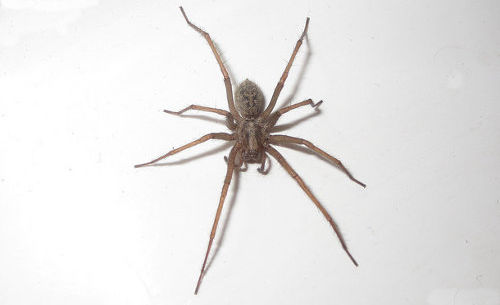
Common Types of Spiders Found in the UK

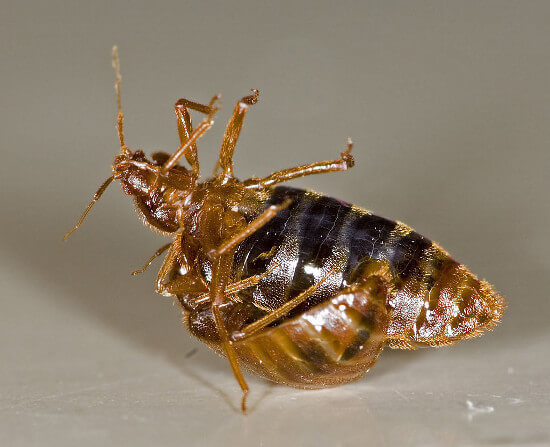
Bed Bugs Facts & Myths

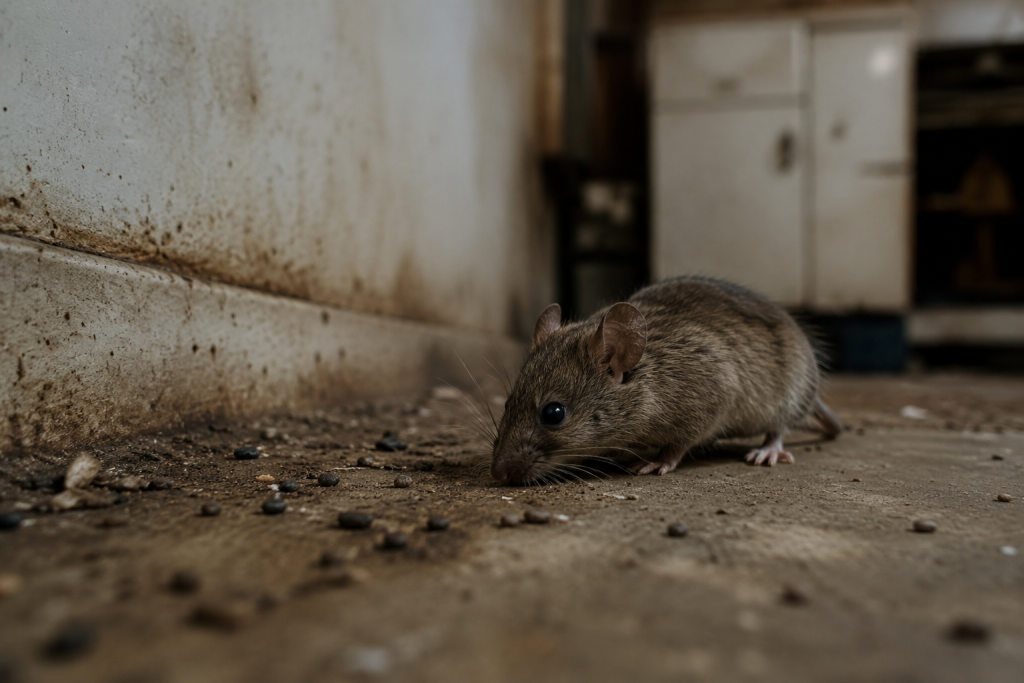
How And Why Do Rats Enter Your Kitchen

Mouse And Rat Droppings 101

Chat