All Pest Control · LONDON
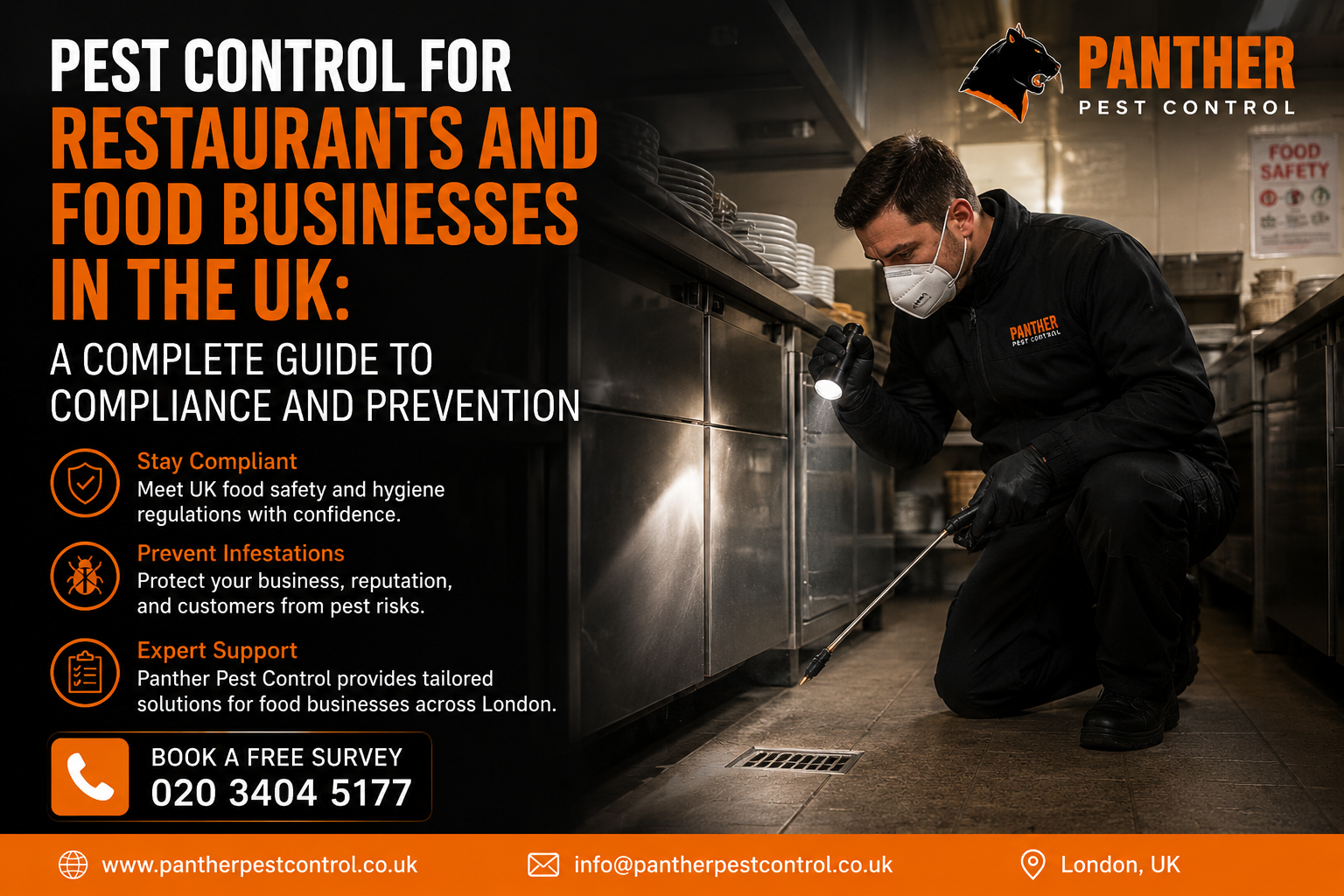
Pest Control for Restaurants and Food Businesses in the UK: A Complete Guide to Compliance and Prevention
Al JoelAl Joel is a practical writer and long-term property maintenance specialist who focuses on real-world pest control, home safety, and prevention advice. His blog posts are written in a clear, no-nonsense style, based on hands-on experience rather…
Pest Control for Restaurants and Food Businesses in the UK: A Complete Guide to Compliance and Prevention
- UK restaurants and food businesses must meet strict hygiene, safety, and legal standards
- Pests such as rodents, cockroaches, flies, and stored product insects pose a major risk to food safety
- Infestations can damage reputation and lead to enforcement action from environmental health officers
- Effective pest control requires prevention, monitoring, and regular inspections, not just reactive treatment
Pest control in food businesses is essential for maintaining compliance and protecting public health. A structured, proactive approach helps reduce risks, prevent contamination, and ensure ongoing food safety standards are consistently met.
"*" indicates required fields
Why Kitchens Attract the Most Common UK Household Pests
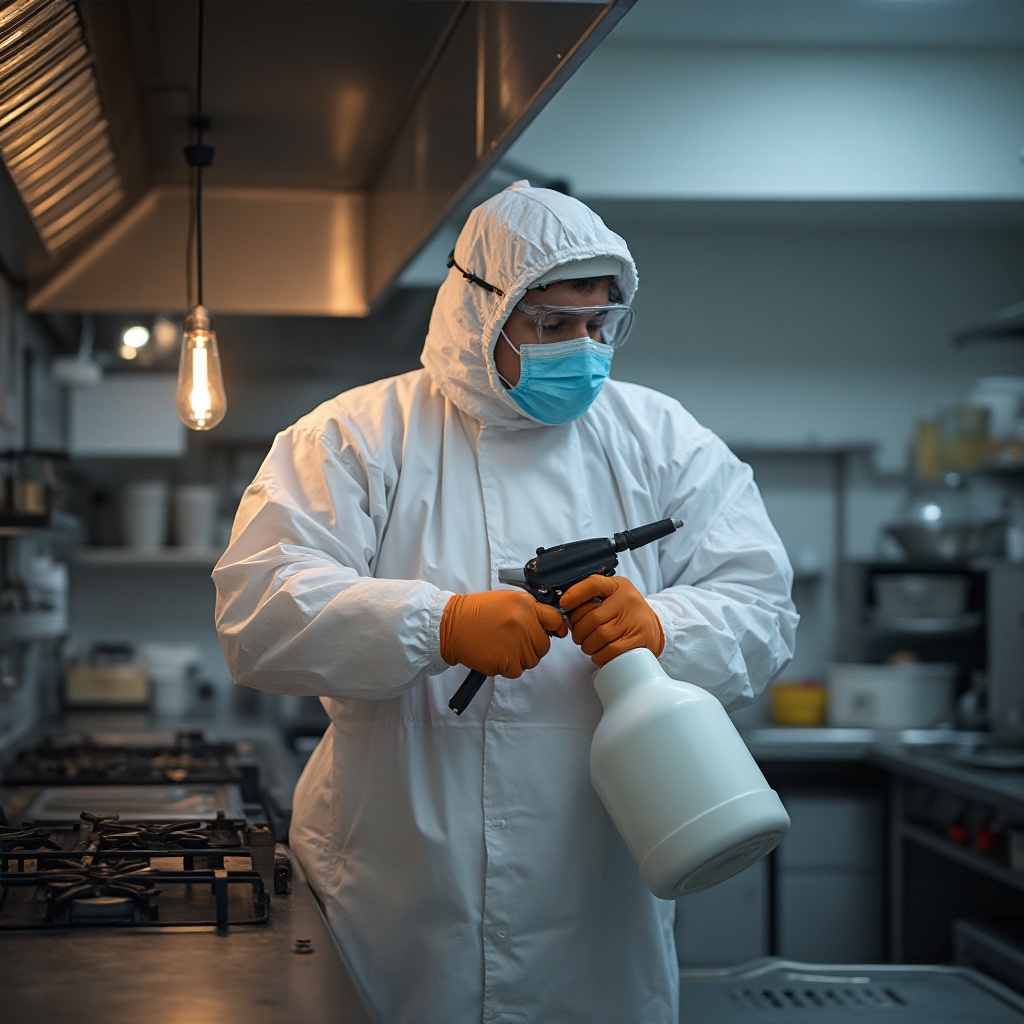
Pest control is a fundamental requirement for any restaurant or food business operating in the UK. Food premises are held to strict hygiene and safety standards, and even a minor pest issue can quickly escalate into a serious compliance problem. Environmental health officers regularly inspect commercial kitchens, and any evidence of pests can result in warnings, fines, or even closure.
Pests such as rodents, cockroaches, flies, and stored product insects are especially problematic in food environments. They contaminate ingredients, spread bacteria, and can compromise entire batches of food. This not only creates a direct health risk for customers but also increases the likelihood of food poisoning outbreaks and legal consequences for the business.
Beyond health and legal risks, pest infestations can severely damage a restaurant’s reputation. In the food industry, customer trust is critical, and even a single pest sighting can lead to negative reviews, loss of repeat business, and long-term brand damage. In today’s digital environment, reputation loss can spread quickly and be difficult to recover from.
For these reasons, pest control should always be proactive rather than reactive. Regular inspections, preventative treatments, and strong hygiene practices help ensure that pest problems are identified and controlled early. This approach protects both the business and its customers while supporting ongoing compliance with UK food safety regulations.
Common Pests Found in Commercial Kitchens and Food Premises
Flies, including house flies and drain flies, are frequently found in food premises where waste handling or drainage is not properly managed. They can transfer bacteria from contaminated surfaces onto exposed food, creating a direct health risk. Stored product insects, such as beetles and moths, are also common in dry goods storage areas, where they infest flour, grains, and packaged ingredients.
Each of these pests presents unique challenges, but all share one key issue: they can compromise food safety and hygiene standards very quickly. This makes early identification and effective control essential in any commercial food setting.
How Pests Enter Restaurants and Food Preparation Areas
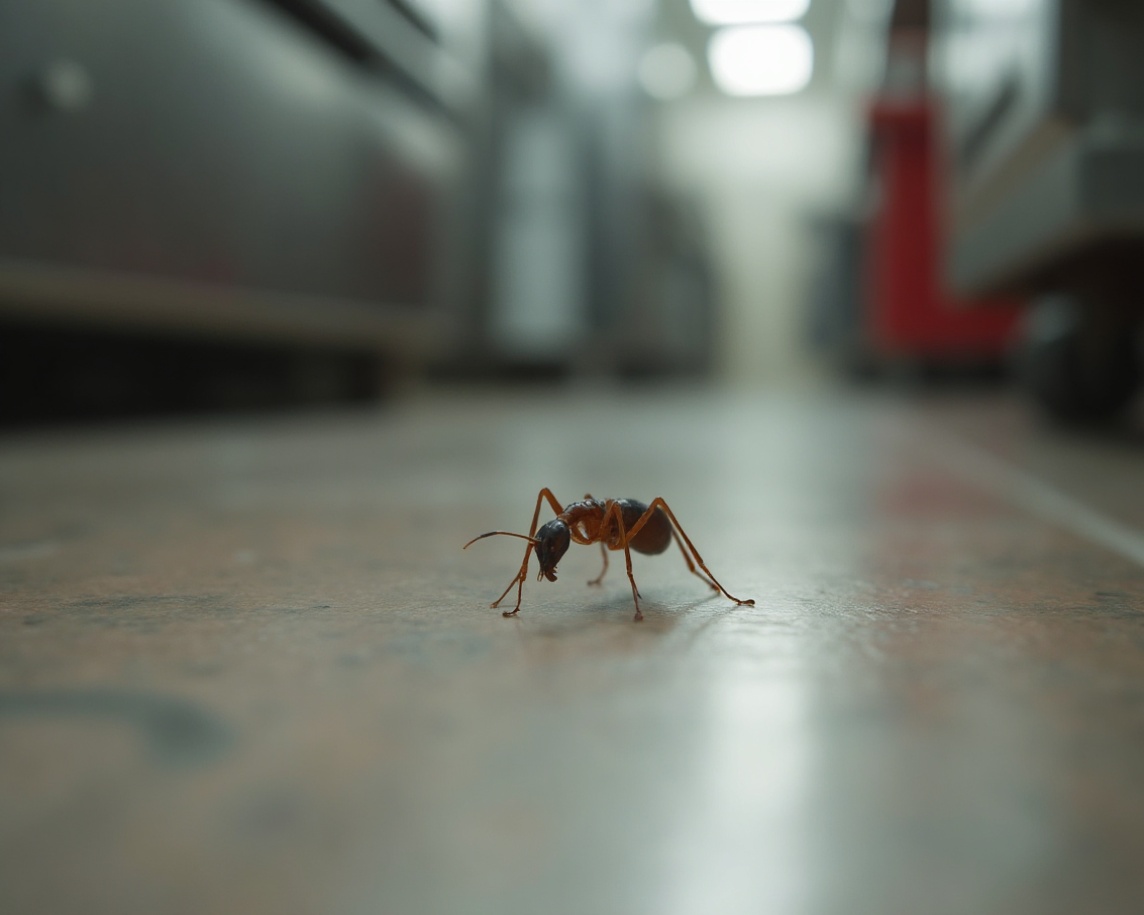
Pests can enter restaurants and food preparation areas in a variety of subtle and often overlooked ways. One of the most common entry points is through structural gaps in the building, such as cracks in walls, broken tiles, gaps around pipes, and poorly sealed doors or windows. Rodents in particular can squeeze through very small openings, making even minor building defects a serious risk.
Deliveries and incoming stock are another major source of pest entry. Infested packaging, crates, or food supplies can introduce insects such as beetles, moths, or cockroaches directly into storage areas. Once inside, these pests can spread quickly from dry storage rooms into kitchens and preparation zones if not detected early.
Waste management areas also attract pests and can act as a gateway into the main premises. Overflowing bins, unsealed waste containers, and poorly maintained external disposal areas create strong attraction points for rodents and flies. If these areas are close to entrances or loading bays, pests can easily move indoors.
Finally, pests can also be introduced through human activity, including staff belongings, deliveries from suppliers, or even neighbouring businesses in shared buildings. Without proper controls in place, these multiple entry routes make it easy for infestations to develop and spread unnoticed.
Health Risks and Food Safety Dangers Linked to Pest Infestations
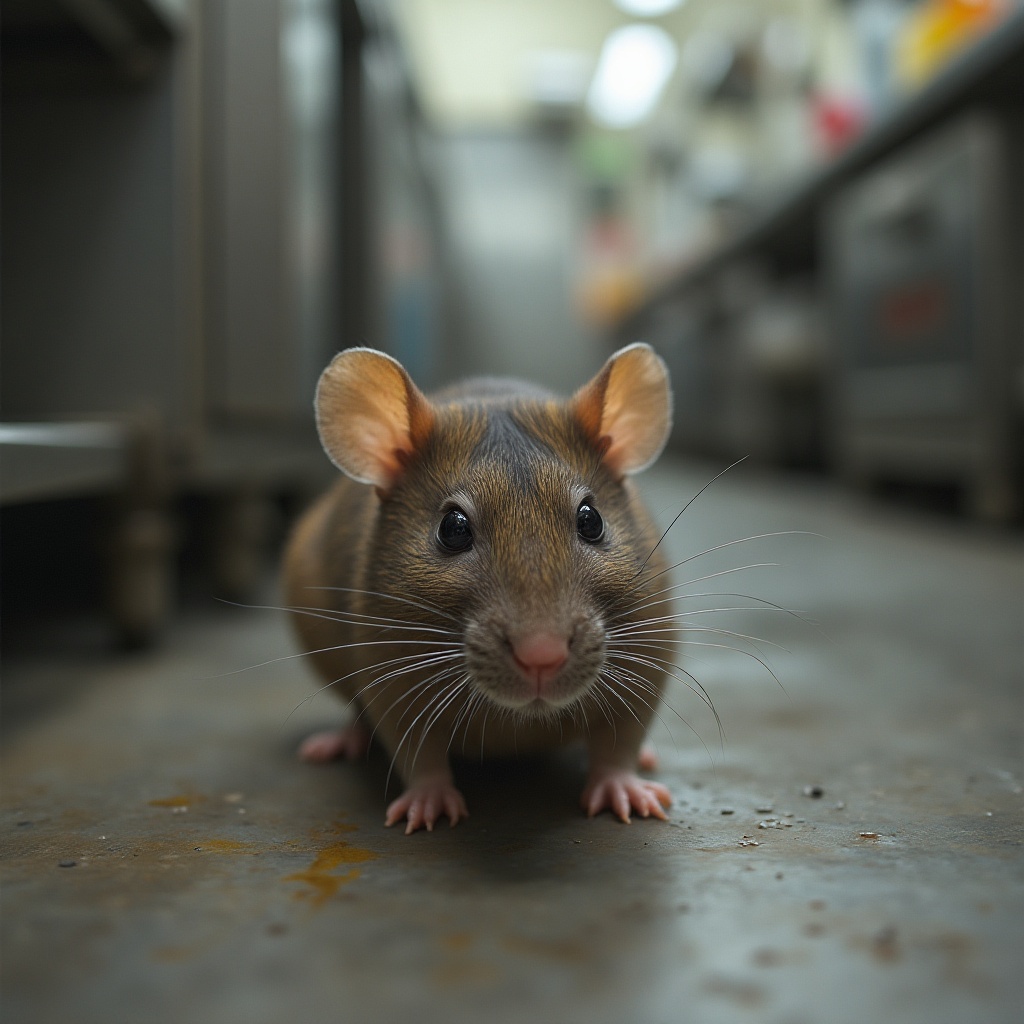
Pest infestations in restaurants and food businesses pose serious health risks because many pests carry harmful bacteria and pathogens. Rodents, for example, can spread diseases such as salmonella and leptospirosis through their droppings, urine, and contact with food preparation surfaces. Even minimal contamination can make food unsafe for consumption and lead to severe public health concerns.
Cockroaches are also a significant threat in commercial kitchens as they move through drains, waste areas, and food surfaces, picking up and spreading bacteria along the way. Their presence is strongly associated with poor hygiene conditions and can result in failed health inspections. In some cases, cockroach allergens can also trigger asthma and allergic reactions in staff and customers.
Flies present another major risk because they feed on waste materials before landing on exposed food or food preparation surfaces. This creates a direct route for contamination, increasing the likelihood of foodborne illnesses. Stored product insects can also lead to food spoilage, making ingredients unsafe or unfit for use, which results in financial losses for the business.
Overall, pest infestations compromise both food safety and hygiene standards, increasing the risk of outbreaks, customer illness, and regulatory action. Maintaining strict pest control measures is essential to prevent contamination and ensure that food served to customers remains safe and compliant with UK regulations.
Legal Requirements and UK Food Hygiene Regulations for Pest Control
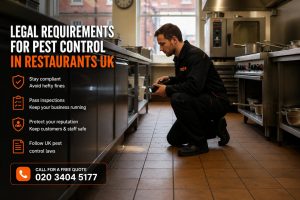
Food businesses in the UK are legally required to maintain high standards of hygiene under food safety legislation, which includes effective pest control as a core requirement. Environmental health officers conduct routine inspections to ensure that premises are free from pest activity and that appropriate preventative measures are in place. Failure to comply can result in enforcement notices, fines, or even closure of the business.
Under UK food hygiene regulations, food business operators must identify potential pest risks and implement controls to prevent infestations. This includes keeping premises clean, storing food correctly, managing waste effectively, and ensuring that the building structure is maintained to block pest entry points. A documented pest control plan is often expected during inspections.
Businesses are also expected to work with professional pest control providers where necessary, especially in higher-risk environments such as restaurants, cafes, and food production sites. Regular inspections, monitoring systems, and treatment records are commonly required as evidence of compliance. These records demonstrate that the business is actively managing pest risks rather than responding only after problems occur.
Ultimately, compliance with UK food safety regulations is not optional. It is a legal responsibility that directly impacts the ability to operate. Effective pest control is a key part of this compliance framework, helping businesses protect customers, maintain hygiene standards, and avoid regulatory penalties.
Warning Signs of a Pest Problem in a Restaurant or Commercial Kitchen
Effective Pest Prevention Strategies for Food Businesses
Preventing pest infestations in restaurants and food businesses starts with maintaining exceptionally high standards of cleanliness. Regular cleaning of all food preparation surfaces, storage areas, and hard-to-reach spaces helps remove food residues that attract pests. Special attention should be given to areas behind equipment, under appliances, and around waste disposal points.
Proper waste management is also essential in reducing pest activity. All bins should be sealed, emptied frequently, and kept away from entry points to the kitchen where possible. External waste storage areas should be clean, well-maintained, and secured to prevent rodents and flies from accessing food waste.
Structural maintenance plays a key role in prevention. Sealing gaps around pipes, repairing damaged walls or flooring, and ensuring doors and windows close properly can significantly reduce entry points for pests. Installing door sweeps and fly screens can also provide an extra layer of protection in high-risk areas.
Regular inspections and monitoring are equally important for long-term control. Routine checks allow early detection of potential issues before they develop into full infestations. Many food businesses also benefit from working with professional pest control services to implement scheduled visits and preventative treatments, ensuring ongoing protection and compliance with UK hygiene standards.
Professional Pest Control Solutions and Ongoing Maintenance Plans

Al Joel is a practical writer and long-term property maintenance specialist who focuses on real-world pest control, home safety, and prevention advice. His blog posts are written in a clear, no-nonsense style, based on hands-on experience rather than theory. Al’s goal is simple: to help homeowners make safe, informed decisions and know when DIY is reasonable and when professional help is the smarter option.
Related Pest Control Articles
 How Mice Infestations Increase Hantavirus Risks and What You Can Do To Protect Your Home
 Are Rats Dangerous? Health Risks of Rat Infestations in Houses Explained
 Commercial vs Residential Pest Control: What’s the Difference?
 Legal Requirements for Pest Control in Restaurants UK: A Compliance Checklist