Pest Control · LONDON
24/7 Pest Control: Eradicating Bed Bugs, Fleas, Carpet Beetles, and Moths Properly
With London recording a 30% rise in bed bug cases as of March 2026, the reality of living in high-density flats often means sharing your space with...

With London recording a 30% rise in bed bug cases as of March 2026, the reality of living in high-density flats often means sharing your space with unwanted guests. You might wake up with rows of itchy welts or discover that a favourite wool rug in a Kensington flat has been shredded by larvae. When you’re facing an infestation, you need a bed bugs fleas moths treatment London service that focuses on long-term eradication; not temporary fixes. Whether it’s the physical anxiety of being bitten or the financial hit of ruined designer clothing, these pests require a professional response to stop them spreading between rooms.
We understand that discovering an infestation feels like an immediate crisis that demands urgent action. It’s exhausting to lose sleep wondering what’s crawling in the carpet or damaging your furniture. This guide explains how to identify whether your pests are targeting your health or your belongings and outlines exactly how our local technicians use professional-grade methods to clear your home. You’ll discover how we deliver results through proper inspections; not guesswork, ensuring your property is protected and your peace of mind is restored for good.
Key Takeaways
- Learn to distinguish between blood-feeding pests that cause physical distress and textile pests that target your expensive property.
- Understand why professional bed bugs fleas moths treatment London is vital for tackling insecticide-resistant strains found in high-density urban areas.
- Discover why shop-bought sprays often cause a “scattered effect,” pushing infestations deeper into wall voids and making them harder to clear.
- Identify the hidden nesting sites, from electrical sockets to skirting boards, where pests survive and multiply out of sight.
- Protect high-value investments by recognising the early signs of moth and carpet beetle damage before your wardrobes or rugs are ruined.
Emergency Pest Identification: Is it Your Skin or Your Skirting Boards?
If you’ve woken up with itchy red welts or discovered jagged holes in a favourite wool jumper, you’re likely facing one of London’s four most common domestic invaders. In high-density areas like Fulham or Islington, identifying the exact culprit is the difference between a successful eradication and a wasted weekend with ineffective shop-bought sprays. You need to know if the pest is targeting your blood or your belongings. Identifying the exact culprit is the first step in a proper bed bugs fleas moths treatment London.
To better understand how these pests can be managed, watch this helpful video:
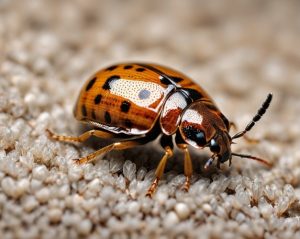
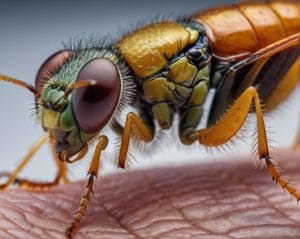
We categorise these pests into two distinct groups: blood-feeders and textile pests. Bed bugs and fleas belong to the first group, requiring a host to survive. A comprehensive overview of bed bugs reveals that these insects are experts at hitchhiking into London homes via luggage or second-hand furniture. Textile pests, including carpet beetles and moths, focus on keratin-rich fabrics like wool, silk, and leather. Misidentifying a carpet beetle casing for a bed bug nymph leads to applying the wrong chemicals, which is why we prioritise proper inspections; not guesswork.
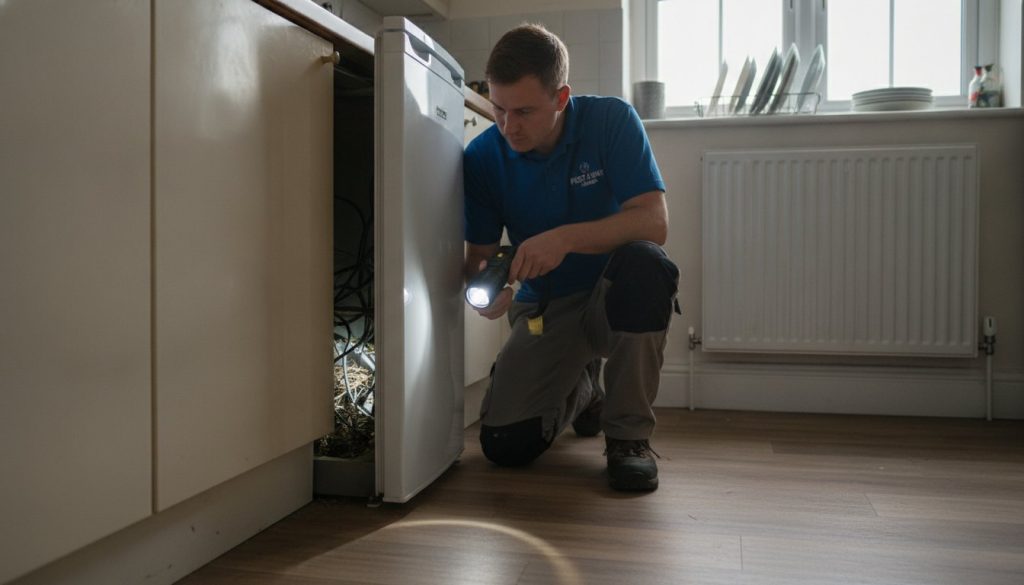
Our local technicians often find bed bugs tucked into the crevices of a headboard or hidden behind electrical sockets. In contrast, moths and carpet beetles prefer the dark, undisturbed areas behind heavy wardrobes or under the sofa. If you are in a Fulham terrace, these pests can travel through shared floor voids into neighbouring properties within days. This is a common issue in Victorian conversions where structural gaps are plentiful.
The Symptoms of an Active Infestation
Look for blood spots on your sheets or small, dark spots of excrement that look like black pepper. These are clear signs of bed bugs. For textile pests, you might find sand-like frass on the carpet edge or tiny silken tubes under furniture. Bed bugs often emit a sweet, musty odour when an infestation is established, whilst carpet beetles leave behind “fuzzy” brown shed skins. Finding a casing is a visual confirmation of a textile problem; not a biting insect.
Why Timing Matters for London Residents
Speed is critical. Reproduction rates in warm London flats are aggressive. A single female flea can lay up to 50 eggs a day, which hatch in as little as two to ten days depending on the temperature. This rapid escalation means a minor nuisance becomes a full-blown crisis in under a fortnight. Proper bed bugs treatment or moth control must happen before the larvae migrate into the structure of the building. Delaying professional intervention only increases the final cost of restoration.
Eradicating the Blood-Feeders: Professional Bed Bug and Flea Treatments
Waking up with bites in a shared Clapham flat is a distinct kind of stress. You need a fast solution; not a temporary fix. Professional bed bugs fleas moths treatment London services exist because these insects are biological experts at evasion. Bed bugs don’t just stay on the mattress; they retreat into bed frames, behind wallpaper, and even inside electrical sockets. This behaviour is why many people struggle with the difficulties of DIY bed bug treatments, as shop-bought sprays can’t reach these deep harbourage points.
Fleas present a different challenge. Whilst owners often focus on the pet, that’s only 5% of the problem. The remaining 95% consists of eggs, larvae, and pupae buried deep within your carpet fibres or floorboard gaps. Treating the animal without treating the environment is a cycle of failure. We focus on breaking the life cycle properly; not just killing the adults you see jumping. For those in high-density housing, a coordinated bed bugs fleas moths treatment London strategy is often necessary to stop pests moving through wall voids into neighbouring rooms.
Bed Bug Heat Treatment versus Chemical Sprays
Choosing the right method depends on your property and the severity of the infestation. Our heat treatment service is the gold standard for instant results. It raises the room temperature to a level that is lethal to all life stages, including the eggs. This is essential for high-value furniture where you can’t risk chemical residues. Alternatively, a traditional bed bug treatment London using residual insecticides provides long-term protection. These sprays stay active on surfaces, catching any insects that emerge from hiding days later.
The Flea Eradication Process
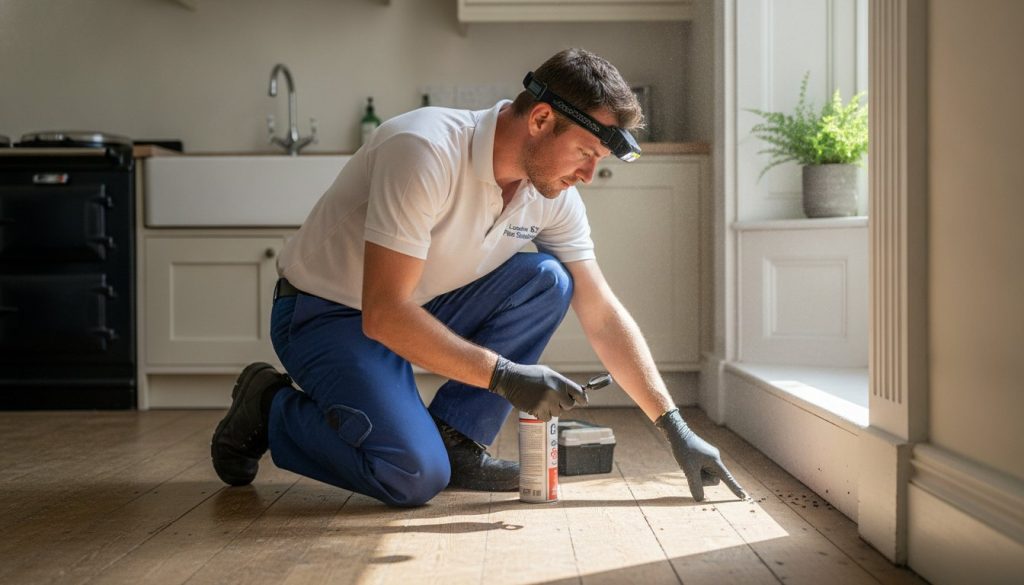
Preparation is the most overlooked part of the job. We ask customers to vacuum thoroughly and clear floor spaces before we arrive. This vibration actually encourages flea pupae to emerge, making them vulnerable to our treatment. Cheap foggers from the chemist often fail because the mist doesn’t penetrate deep-pile carpets. It’s a surface fix for a deep-seated problem. Once we’ve applied the professional insecticide, it’s vital to let it settle properly; don’t vacuum for at least 14 days to ensure the residual effect works. If you’re unsure which method fits your home, you can always speak directly to a technician for advice.

Stopping the Fabric-Destroyers: Carpet Beetle and Moth Control
Whilst blood-feeders cause physical distress, fabric-destroyers like carpet beetles and moths represent a significant financial threat. We’ve seen £2,000 Persian rugs and bespoke wool suits ruined in under a month because an infestation was left to thrive in undisturbed corners. Unlike bed bugs that stay close to their host, these pests seek out keratin. They live in the dark gaps under heavy furniture, inside piano felt, or along the edges of skirting boards. Getting a professional bed bugs fleas moths treatment London service is about protecting your investments; not just cleaning a carpet.
The damage often goes unnoticed until you move a sofa or open a seasonal wardrobe. By then, the larvae have already matured and spread. Effective management requires Controlling fabric-destroying pests at the source. This involves deep-reach insecticides that penetrate the fibres where larvae hide, combined with professional-grade pheromone monitoring to ensure the breeding cycle is truly broken properly.
The Varied Carpet Beetle: London’s Silent Destroyer
The Varied Carpet Beetle is a common issue in older London properties. Their larvae, often called woolly bears, are small, hairy, and remarkably destructive. We frequently find that the primary source of these beetles isn’t the room itself, but abandoned bird nests in the eaves or chimneys of the building. In terraced houses, they migrate through floor voids and ventilation ducts to find food. A proper pest inspection identifies these entry points so we can treat the breeding ground; not just the symptoms on your rug.
Moth Control: Protecting Your Wardrobe and Carpets
It’s a common misconception that flying moths are the problem. In reality, the adult moths don’t eat your clothes; it’s their larvae that do the damage. Whether you’re dealing with the Case-Bearing or the Common Clothes moth, they prefer dark, humid areas like the back of a wardrobe or behind a radiator. We focus our treatment on these hidden zones, applying residual insecticides that kill the larvae upon contact. Professional pheromone traps are used for monitoring activity levels and identifying species; they aren’t a tool for total eradication on their own. For high-value textiles, we often recommend our heat treatment service to ensure every egg is destroyed without damaging delicate fabrics.
Why Shop-Bought Sprays Fail in London’s Complex Properties
When you discover an infestation, the first instinct is often to grab a can from the local hardware shop. In London’s complex properties, this is usually the start of a long and expensive failure. Supermarket sprays are typically low-concentration pyrethroids. This is why a proper bed bugs fleas moths treatment London requires professional-grade intervention. Because bed bugs in the capital have developed significant resistance to these chemicals, retail sprays don’t kill the colony properly. Instead, they create a “scattered effect.” The irritant in the spray causes the insects to retreat deeper into the structure of your home, moving into wall voids or behind skirting boards where they are even harder to reach.
London’s architectural history adds another layer of difficulty. In a Victorian terrace in Camden or a converted flat in Islington, the gaps between original floorboards and the hollow spaces behind lath-and-plaster walls provide perfect sanctuary for pests. DIY kits are designed for surface contact; they cannot penetrate these structural voids. A professional bed bugs fleas moths treatment London service uses pressure-driven equipment and growth regulators to ensure the entire population is neutralised; not just the ones visible on the carpet. Safety is also paramount. Amateur use of strong chemicals in poorly ventilated flats can be hazardous to pets and children if not handled with professional discipline.
The False Economy of DIY Pest Control
Many homeowners spend £50 to £100 on multiple cans of spray and “smoke bombs” only to find the problem returns two weeks later. This is a false economy. You aren’t just paying for the chemical; you’re paying for the expertise to apply it where it actually matters. Amateur application also carries a high risk of property damage, such as staining expensive carpets or damaging the finish on antique furniture. You can check our transparent pricing to see how a single professional visit compares to the mounting cost of failed DIY attempts.
Professional Equipment and Training
Our technicians have access to “Professional Use Only” products that are strictly regulated and far more effective than retail alternatives. These have a stronger residual effect, meaning they continue working for weeks after application. In a Victorian conversion with complex layouts and shared ventilation, a homeowner’s spray simply cannot reach the breeding sites. We use specialist sprayers and PPE to ensure even coverage in the tightest London spaces. We don’t just spray surfaces; we hunt for the entry points and harbourage sites that amateur eyes miss. If you’ve tried shop-bought solutions without success, book a professional inspection today to get the job done properly.
Same-Day Professional Pest Control: Getting Your Peace of Mind Back
Discovering an infestation that bites your family or destroys your property is an immediate crisis. You don’t need a vague appointment window or a scripted response from a call centre. You need a fast, clinical solution. Our commitment to 24/7 emergency call-outs within the M25 area ensures that you get immediate relief when you need it most. A professional bed bugs fleas moths treatment London is about restoring safety to your home; not just applying a temporary fix that fails within a fortnight.
Our local technicians understand the practicalities of working in the capital. We often deal with difficult parking in narrow residential streets or complex access issues in high-rise apartment blocks. We also prioritise discretion. We know that privacy is paramount in London’s closely-packed neighbourhoods, so we work efficiently to resolve the problem without drawing unnecessary attention. Every job follows a logical progression from a thorough initial inspection to the final preventative advice, ensuring the infestation is cleared properly.
Speak Directly to a Technician
We believe in direct technical accessibility. This is why we reject the call centre model entirely. When you ring our team, you speak directly to a technician who can provide expert advice based on real field experience. We offer same-day visits for urgent infestations in Islington, Fulham, or Clapham. Getting an expert on-site within hours is the most effective way to stop pests from spreading between rooms or into neighbouring flats.
The Final Guarantee and Proofing
A proper pest inspection is only the beginning of our service. Once the extermination is complete, we provide clear, actionable advice on preventative proofing. This might include identifying entry points in Victorian floorboards or suggesting habitat management to keep your home pest-free permanently. We stand by our workmanship with a clear follow-up policy. If the pests return within our guarantee period, we’ll return to finish the job. Professional intervention is the only reliable way to break the cycle of infestation and protect your home for the long term.
Secure Your Home and Belongings Today
Don’t let an infestation dictate how you live or sleep in your own home. Whether it’s the physical stress of bites or the threat to your designer textiles, professional intervention is the only way to stop the cycle. We’ve completed 20,000+ jobs properly across the capital, understanding exactly how pests move through Victorian terraces and modern flats alike. You need a bed bugs fleas moths treatment London service that uses proven methods; not guesswork. By choosing professional eradication, you protect your furniture from larvae damage and ensure your family can rest without fear.
Speak directly to a technician, not a call centre, to get immediate, expert guidance on your specific situation. We offer a 24/7 emergency response within the M25 area to ensure no infestation is left to escalate. Reclaiming your peace of mind starts with a single call to a local expert who values your safety and property. Book your same-day pest eradication in London today and get your home back to normal.
Frequently Asked Questions
Can bed bugs live in carpets like carpet beetles do?
Bed bugs can hide in carpet pile, but they don’t eat the fibres like carpet beetles. They use carpets as a transit route or a temporary hiding spot if the bed frame is overcrowded. Whilst carpet beetles live and breed within the rug, bed bugs stay close to where you sleep. A proper bed bugs fleas moths treatment London addresses both the flooring and the furniture to ensure no survivors remain in the pile.
Is it possible to have both fleas and bed bugs at the same time?
It’s entirely possible and more common than many Londoners think. We often see dual infestations in properties with high tenant turnover or where pets are kept in shared buildings. Fleas usually target your ankles and lower legs, whilst bed bugs bite your upper body and arms at night. Our technicians identify both during the initial inspection to ensure the chemical rotation covers both species effectively.
How do I know if I have carpet beetles or moths eating my rug?
Look for the specific type of debris left behind to identify the culprit. Carpet beetles leave behind small, hairy, brown shed skins and jagged holes in the fabric. Moths leave behind silken tubes or webbing that looks like dusty patches. If the damage is concentrated in dark, undisturbed areas under the sofa, it’s likely a fabric-destroyer. We use pheromone traps to confirm the species before starting any extermination process.
Can I stay in the house during a professional bed bug or flea treatment?
You must vacate the property for at least four to six hours during and after the application. This allows the insecticide to settle and dry properly on all surfaces. We advise that pets, especially fish and birds, are removed or protected according to our safety guidelines. Once the technician gives the all-clear, you can return to a safe environment. We prioritise your family’s safety; not just the speed of the job.
How long does it take for professional carpet beetle treatment to work?
The adult beetles and active larvae are killed almost immediately upon contact with our professional-grade spray. However, the full eradication takes longer because the residual insecticide needs to catch larvae emerging from eggs in the following days. You’ll typically see a total cessation of activity within 14 days. We don’t offer quick fixes that only kill the adults; we ensure the entire lifecycle is broken properly.
What is the fastest way to get rid of fleas in a London flat?
The most efficient method is a combination of intensive vacuuming and professional residual insecticide. In a warm London flat, flea pupae can remain dormant for months; the vibration of a vacuum cleaner encourages them to hatch so they hit the treatment. This approach is faster than any shop-bought fogger. We often clear infestations in a single visit when the property is prepared according to our specific technician checklist.
Are the chemicals used for moth control safe for my pets?
Our professional insecticides are safe for pets once they have completely dried. We use products regulated under COSHH standards that are designed specifically for domestic use. You’ll need to keep cats and dogs out of the treated rooms for a few hours until the surfaces are touch-dry. This ensures they don’t ingest the product while grooming. We always provide a full safety briefing before we start any work in your home.
Do I need to throw away my mattress if I have bed bugs?
You don’t need to dispose of your mattress in 95% of cases we attend. Professional heat treatment or targeted residual sprays can penetrate the seams and tufts to kill every insect and egg. Throwing it away often spreads the infestation through the corridors of your building. We save our customers the cost of new furniture by using methods that clear the bed bugs where they hide. It’s about proper extermination; not unnecessary waste.

Al Joel is a practical writer and long-term property maintenance specialist focused on real-world pest control, home safety and prevention advice. His guides translate common warning signs into clear next steps for homeowners, tenants, landlords and property managers.
His approach begins with correct identification. A sighting in one room may originate from a neighbouring flat, service riser, drainage, roof space, delivery or communal waste area. Al explains how to preserve useful evidence, reduce food and water sources, avoid spreading activity and choose proportionate treatment.
What readers can expect
- Clear identification clues and practical inspection steps
- Safe preparation, cleaning and aftercare guidance
- Prevention advice for homes, flats and commercial premises
- Honest guidance on when DIY is reasonable and when professional help is the smarter option
When professional help makes sense
Repeated sightings, activity in several rooms, uncertain identification, vulnerable occupants or signs involving food, electrics and shared building routes deserve a professional inspection. A lasting solution normally combines targeted treatment with proofing, hygiene and follow-up monitoring.
Explore the Pest Library, learn how treatment works, or request property-specific advice.