All Pest Control · LONDON
Everything To Know About Green Pest Control
Al JoelAl Joel is a practical writer and long-term property maintenance specialist focused on real-world pest control, home safety and prevention advice. His guides translate common warning signs into clear next steps for homeowners, tenants, landlords and property…
Everything To Know About Green Pest Control
Green pest control focuses on reducing pest activity while minimising impact on people, pets, and the environment. Instead of relying only on traditional chemical treatments, it uses a combination of targeted methods, prevention, and lower-toxicity solutions to manage pests more responsibly.
This approach is becoming increasingly popular in both residential and commercial settings, especially where safety, sustainability, and long-term prevention are priorities. It doesn’t mean pests are ignored or left untreated—it means the problem is handled in a more controlled and considered way.
- What green pest control actually means in practice
- How eco-friendly treatments work
- When green methods are effective—and when they’re not
- How to reduce pest problems without heavy chemical use
If you’re looking for a more balanced way to deal with pests, understanding how green pest control works can help you choose the right approach for your property and situation.
What Is Green Pest Control?
Green pest control is a structured approach to managing pests that focuses on effectiveness, safety, and long-term prevention, rather than relying purely on heavy chemical use. The aim is not to avoid treatment altogether, but to use targeted, lower-impact methods that reduce risks to people, pets, and the wider environment while still solving the problem properly.
At its core, green pest control is based on a simple principle: pests are attracted to conditions, not just spaces. Instead of treating only the visible issue, the focus is on identifying why pests are present in the first place and addressing those underlying factors. This includes things like access points, food sources, moisture, and hidden harbourage areas where pests can settle and reproduce.
In practical terms, this approach is often referred to as integrated pest management (IPM). Rather than a single treatment, it combines multiple strategies to achieve control in a more controlled and sustainable way. This typically starts with a detailed inspection, followed by a plan that prioritises prevention and targeted intervention.
One of the key elements of green pest control is physical control. This involves making changes to the property to reduce the likelihood of pests entering or settling. Examples include sealing gaps around doors and windows, blocking entry points around pipes, improving ventilation, and removing cluttered areas where pests can hide. These measures are often highly effective because they deal directly with the conditions pests depend on.
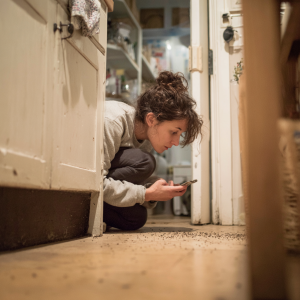
Another important component is environmental management. Pests are drawn to food and water, so controlling these factors makes a significant difference. This might involve improving waste management, storing food in sealed containers, fixing leaks, and maintaining cleaner surfaces—especially in kitchens, storage areas, and communal spaces. By removing these attractants, pest pressure is reduced naturally over time.
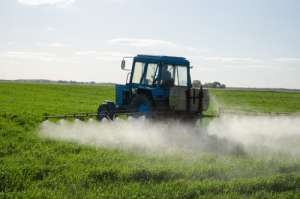
Where treatment is required, green pest control uses targeted, low-toxicity solutions rather than broad, indiscriminate spraying. These treatments are applied only where needed, such as in cracks, crevices, or known activity zones. The idea is to minimise exposure while still delivering effective results. In many cases, modern products are designed to be highly specific to certain pests, which further reduces impact on non-target species.
Monitoring also plays a key role. Instead of a one-off treatment, green pest control often includes ongoing observation and adjustment. This might involve checking bait stations, tracking activity levels, or revisiting specific areas to ensure the problem is under control. This approach helps prevent reinfestation and ensures that any new activity is dealt with early.
It’s important to understand that green pest control does not mean weaker results. When applied correctly, it can be just as effective as traditional methods, particularly for common pests such as rodents, cockroaches, ants, and crawling insects. However, there are situations where stronger intervention may still be required, especially in cases of severe infestation or where pests pose a direct health risk. In these cases, a balanced approach is used—combining targeted treatments with preventative measures.
This method is widely used in environments where health, safety, and compliance are critical. This includes homes with children or pets, restaurants and food businesses, offices, healthcare settings, and rental properties. In these environments, reducing chemical exposure while maintaining control is often a priority.
Another advantage of green pest control is its long-term effectiveness. Traditional treatments may deal with the immediate problem, but if the underlying conditions remain, pests are likely to return. By focusing on prevention and environmental changes, green pest control helps create a setting where pests are less likely to establish themselves again.
From a practical perspective, the success of this approach depends on consistency and attention to detail. Small factors—such as a gap under a door, a leaking pipe, or food left accessible overnight—can all contribute to ongoing pest activity. Addressing these details makes a measurable difference over time.
At Panther Pest Control, green pest control is applied as part of a measured, situation-based approach. The focus is always on using the most appropriate method for the specific issue—whether that involves preventative work, targeted treatment, or a combination of both. The goal is not just to remove pests temporarily, but to reduce the conditions that allow them to return, ensuring a more stable and long-term solution.
In summary, green pest control is about working with the environment rather than against it. By combining inspection, prevention, targeted treatment, and monitoring, it provides a practical way to manage pests effectively while reducing unnecessary impact. For many properties, it offers a balanced solution that prioritises both results and responsibility.

Al Joel is a practical writer and long-term property maintenance specialist focused on real-world pest control, home safety and prevention advice. His guides translate common warning signs into clear next steps for homeowners, tenants, landlords and property managers.
His approach begins with correct identification. A sighting in one room may originate from a neighbouring flat, service riser, drainage, roof space, delivery or communal waste area. Al explains how to preserve useful evidence, reduce food and water sources, avoid spreading activity and choose proportionate treatment.
What readers can expect
- Clear identification clues and practical inspection steps
- Safe preparation, cleaning and aftercare guidance
- Prevention advice for homes, flats and commercial premises
- Honest guidance on when DIY is reasonable and when professional help is the smarter option
When professional help makes sense
Repeated sightings, activity in several rooms, uncertain identification, vulnerable occupants or signs involving food, electrics and shared building routes deserve a professional inspection. A lasting solution normally combines targeted treatment with proofing, hygiene and follow-up monitoring.
Explore the Pest Library, learn how treatment works, or request property-specific advice.