Pest Control · LONDON
Commercial vs Residential Pest Control: What’s the Difference?
Al JoelAl Joel is a practical writer and long-term property maintenance specialist focused on real-world pest control, home safety and prevention advice. His guides translate common warning signs into clear next steps for homeowners, tenants, landlords and property…

Different properties, different pest challenges
Pest control is not a one-size-fits-all service. While the goal is always the same—removing pests and preventing them from returning—the way it’s done can vary significantly depending on the type of property.
Understanding the difference between commercial and residential pest control helps property owners, landlords, and business managers choose the right approach for their situation. Each environment presents its own challenges, risks, and treatment requirements.
Why pest control isn’t the same everywhere

Pest control is essential for both homes and businesses, but the approach used can vary significantly. Understanding the difference between commercial vs residential pest control helps ensure the right treatment is applied for each environment.
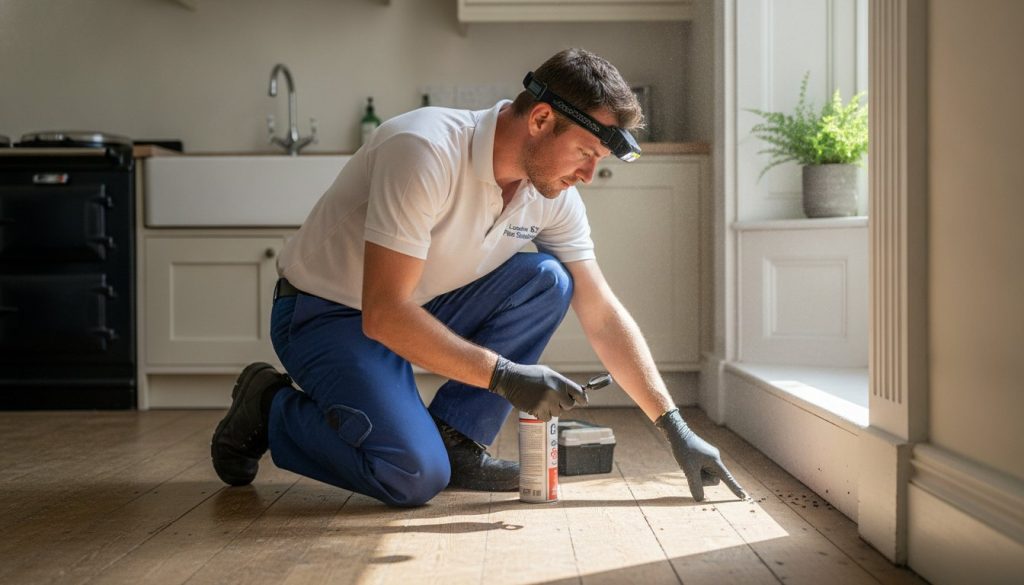
Residential pest control focuses on individual homes, flats, and small properties. The main goal is to create a safe, comfortable living space by removing pests quickly and preventing them from returning. Common issues include mice, ants, cockroaches, bed bugs, and wasps. Treatments are usually targeted and carried out in specific areas like kitchens, lofts, or bedrooms.
In residential settings, technicians often work around family routines, pets, and furniture. This means treatments are designed to be effective while minimising disruption. Prevention advice is also a key part of the service, such as sealing entry points and improving hygiene practices.
Commercial pest control, however, operates on a larger and more complex scale. It covers offices, restaurants, warehouses, retail stores, and industrial sites. These environments often have higher foot traffic and more food storage areas, making them more vulnerable to infestations.
Because of strict health and safety regulations, commercial pest control usually involves ongoing monitoring and scheduled visits. Businesses must also maintain compliance records, especially in food-related industries.
Another major difference is risk. In homes, pests are mainly a comfort and hygiene issue. In businesses, infestations can lead to reputational damage, legal issues, and financial loss.
Overall, residential pest control is more reactive and targeted, while commercial pest control is structured, preventative, and continuous. Both are essential, but they require very different strategies to be effective.
Two environments, two very different challenges

Why pest control differs between property types
At a basic level, pest control always involves inspection, treatment, and prevention. However, the scale, complexity, and urgency can vary greatly between homes and commercial spaces.
Residential properties are usually smaller, more contained, and focused on living spaces. Commercial environments, on the other hand, often involve larger areas, higher foot traffic, stricter regulations, and increased risk of contamination or reputational damage.
Because of this, pest control strategies must be adapted to suit each setting.
Residential pest control: focused and targeted
Residential pest control is typically designed for houses, flats, and rental properties. The focus is on creating a safe, comfortable living environment while resolving pest issues efficiently.
Common residential pest issues
Homeowners and tenants commonly deal with:
- Rodents such as mice and rats
- Ant infestations in kitchens
- Cockroaches in damp areas
- Bed bugs in bedrooms and furniture
- Wasps nesting in lofts or gardens
These infestations usually develop in specific areas rather than across entire buildings.
How residential pest control works
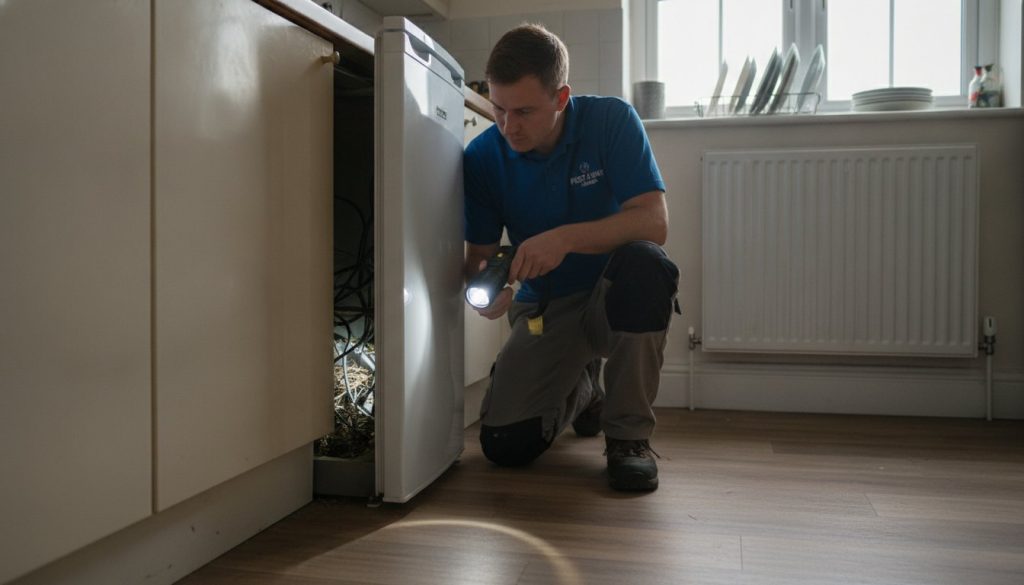
In most homes, the process starts with a detailed inspection. This includes checking kitchens, bathrooms, lofts, and entry points such as gaps around pipes or doors.
Once the problem is identified, treatment is applied using appropriate methods such as:
- Bait stations for rodents
- Targeted insecticides for crawling insects
- Traps in high-activity areas
The focus is on treating the affected areas while minimising disruption to daily life.
Challenges in residential settings
Residential pest control often involves:
- Limited access to hidden areas
- Shared walls in flats or terraced homes
- Risk of pests spreading between neighbouring properties
- Balancing treatment with safety for children and pets
Because of these factors, prevention—such as sealing entry points—is a key part of long-term control.
Commercial pest control: larger scale and higher stakes
Commercial pest control covers a wide range of environments, including offices, restaurants, warehouses, shops, and industrial facilities.
These settings are more complex due to their size, usage, and regulatory requirements.
Common commercial pest issues
Businesses often face:
- Rodents in storage and waste areas
- Cockroaches in kitchens and food preparation spaces
- Flies in high-traffic or food environments
- Stored product pests in warehouses
Infestations can spread quickly in these environments due to constant activity and access to food sources.
How commercial pest control works
Commercial pest control usually follows a more structured and ongoing approach.
The process often includes:
- Regular inspections and monitoring
- Installation of bait stations and traps across the site
- Scheduled treatments and maintenance visits
- Detailed reporting and compliance records
Unlike residential services, commercial pest control is often ongoing rather than a one-time treatment.
Compliance and health regulations
One of the biggest differences in commercial pest control is the need to meet strict health and safety standards.
Businesses, especially in food-related industries, must comply with regulations that require:
- Evidence of pest control measures
- Regular inspections
- Documentation of treatments
Failing to manage pests properly can result in fines, closure, or damage to reputation.
Key differences between commercial and residential pest control
While both services aim to control pests, there are clear differences in how they are approached:
Scale of treatment
Residential: Smaller, localised areas
Commercial: Large spaces, multiple zones
Frequency
Residential: Often one-off or occasional visits
Commercial: Ongoing contracts with regular inspections
Complexity
Residential: Simpler layouts and fewer variables
Commercial: Complex environments with high activity
Risk level
Residential: Focus on comfort and safety
Commercial: Includes legal, financial, and reputational risks
Methods used
Residential: Targeted treatments in specific areas
Commercial: Integrated pest management across the entire site
Why a tailored approach matters
Using the wrong type of pest control approach can lead to ineffective results.
For example, treating a commercial kitchen the same way as a domestic kitchen would not meet hygiene standards or regulatory requirements. Similarly, applying commercial-scale treatments in a home environment may be unnecessary and disruptive.
Each setting requires a tailored strategy that considers:
- Property layout
- Pest type
- Level of infestation
- Safety requirements
- Long-term prevention
The role of prevention in both settings
Whether residential or commercial, prevention is a critical part of pest control.
This includes:
- Sealing entry points
- Managing waste effectively
- Maintaining cleanliness
- Monitoring high-risk areas
In commercial settings, prevention is often more structured, while in residential properties, it relies more on homeowner habits and maintenance.
Choosing the right pest control service
Understanding the difference between commercial and residential pest control helps ensure the right service is chosen.
Homeowners typically need:
- Fast, targeted treatment
- Minimal disruption
- Clear prevention advice
Businesses require:
- Ongoing pest management
- Compliance support
- Regular monitoring and reporting
Selecting the correct approach ensures better results and reduces the risk of recurring infestations.
Final thoughts
Commercial and residential pest control may share the same goal, but they operate in very different ways. Homes require focused, practical solutions, while businesses need structured, ongoing management to meet higher standards and larger-scale challenges.
Recognising these differences helps property owners and businesses respond more effectively to pest issues and maintain long-term protection.
Whether it’s a small home or a large commercial space, the key to successful pest control is using the right strategy for the environment.
Request a free quote
Contact us today to request your free, no-obligation quote and take the first step toward a pest-free environment.

Al Joel is a practical writer and long-term property maintenance specialist focused on real-world pest control, home safety and prevention advice. His guides translate common warning signs into clear next steps for homeowners, tenants, landlords and property managers.
His approach begins with correct identification. A sighting in one room may originate from a neighbouring flat, service riser, drainage, roof space, delivery or communal waste area. Al explains how to preserve useful evidence, reduce food and water sources, avoid spreading activity and choose proportionate treatment.
What readers can expect
- Clear identification clues and practical inspection steps
- Safe preparation, cleaning and aftercare guidance
- Prevention advice for homes, flats and commercial premises
- Honest guidance on when DIY is reasonable and when professional help is the smarter option
When professional help makes sense
Repeated sightings, activity in several rooms, uncertain identification, vulnerable occupants or signs involving food, electrics and shared building routes deserve a professional inspection. A lasting solution normally combines targeted treatment with proofing, hygiene and follow-up monitoring.
Explore the Pest Library, learn how treatment works, or request property-specific advice.