Pest Control · LONDON
Pest Control for Businesses: Keeping Commercial Premises Compliant in the UK
Al JoelAl Joel is a practical writer and long-term property maintenance specialist focused on real-world pest control, home safety and prevention advice. His guides translate common warning signs into clear next steps for homeowners, tenants, landlords and property…

Keeping Commercial Premises Pest Control Compliant in the UK
Maintaining effective pest control in commercial premises is not just about hygiene, it is a legal requirement across many UK industries. Poor pest management can lead to failed inspections, reputational damage, and even closure orders if compliance standards are not met.
- Helps businesses meet UK food safety and hygiene regulations
- Reduces risk of contamination and business disruption
- Supports compliance during audits and inspections
A structured pest control programme ensures your business remains aligned with regulatory expectations. In practice, this means regular monitoring, documentation, and preventative treatments tailored to your environment.
From experience working across London commercial sites, the most common issues arise when pest control is reactive rather than preventative. Businesses that invest in routine inspections and proper reporting tend to avoid compliance problems and maintain better operational continuity, which is why many turn to Panther Pest Control for structured, ongoing support.
For many sectors, especially food-related businesses, pest control is a critical part of daily operations. It is not enough to simply deal with pests when they appear. You need a system that identifies risks early and demonstrates clear compliance at all times, backed by a provider like Panther Pest Control that understands commercial requirements.
Food safety and hygiene regulations
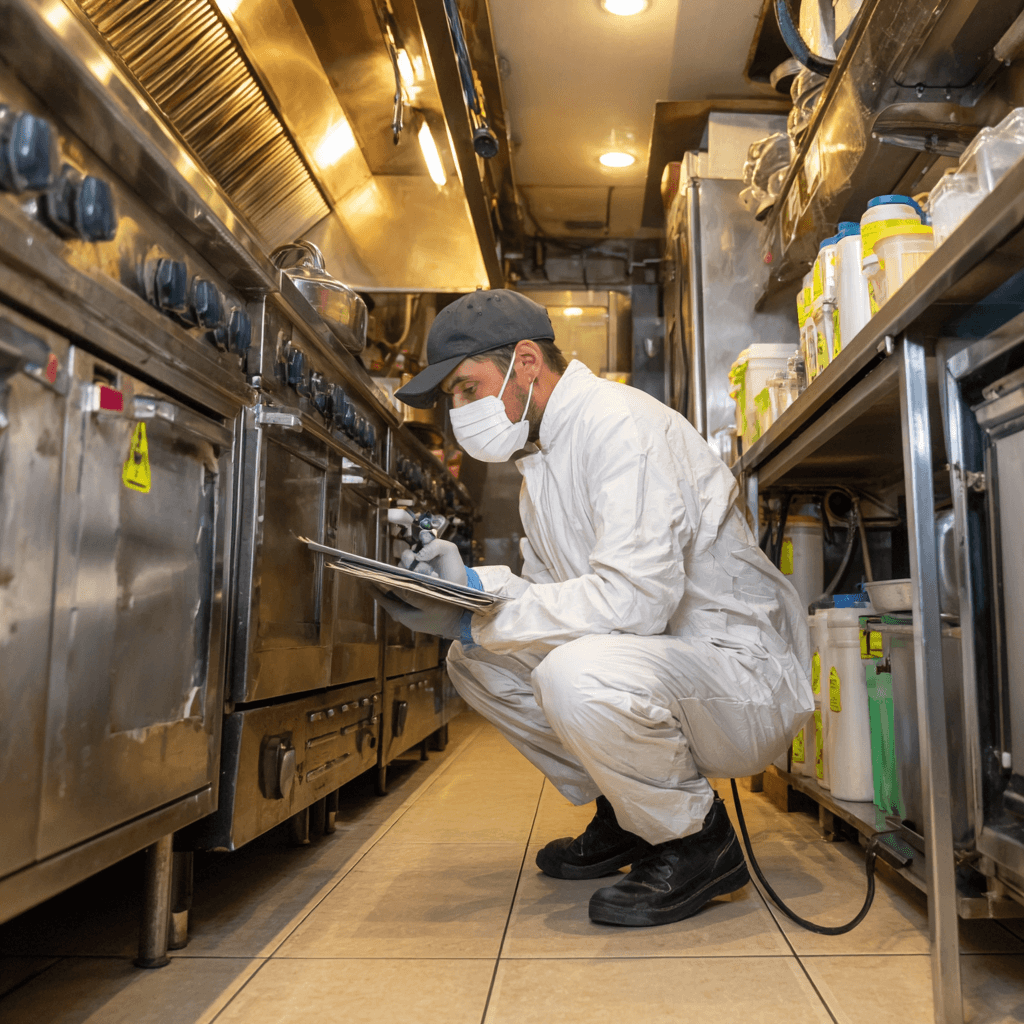
Food safety regulations in the UK are designed to protect consumers and ensure that businesses operate to a consistent standard. Pest control plays a major role in meeting these legal requirements, which is why regular pest inspection services are essential for identifying risks early.
Commercial kitchens, food processing facilities, and hospitality venues must comply with strict hygiene standards. Pest activity can lead to contamination of food, surfaces, and equipment, which can quickly result in enforcement action from local authorities.
Regulations require businesses to implement preventative pest control measures rather than relying on reactive treatments. This includes sealing entry points, maintaining cleanliness, and scheduling regular professional inspections.
Documentation is also essential. Inspectors expect to see clear evidence of pest control activity, including treatment records, risk assessments, and service reports. Without this, even a clean premises can fail an inspection.
In practice, food businesses benefit from integrating pest control into their wider food safety management systems. This ensures that pest risks are identified, monitored, and addressed as part of a structured compliance approach.
Pest control requirements for different industries
Different industries face different levels of pest risk, and UK regulations reflect this variation. For example, food businesses are held to stricter standards compared to office environments.
Warehouses and logistics facilities often deal with rodents due to stored goods and large open spaces. Regular inspections and baiting programmes are commonly required to prevent infestations.
Healthcare environments require a higher level of control due to the vulnerability of patients. In these settings, pest control must be discreet, highly regulated, and supported by detailed reporting.
Retail businesses, particularly those handling food or waste, must ensure that pest control is consistent and well documented. Even small issues can escalate quickly if not addressed.
Office buildings typically face lower risk but still require basic pest prevention measures. This includes waste management, access control, and occasional monitoring to prevent infestations.
Understanding industry-specific requirements allows businesses to implement targeted pest control strategies that align with compliance expectations.
When DIY Isn’t Enough: The Benefits of Professional Mice Control
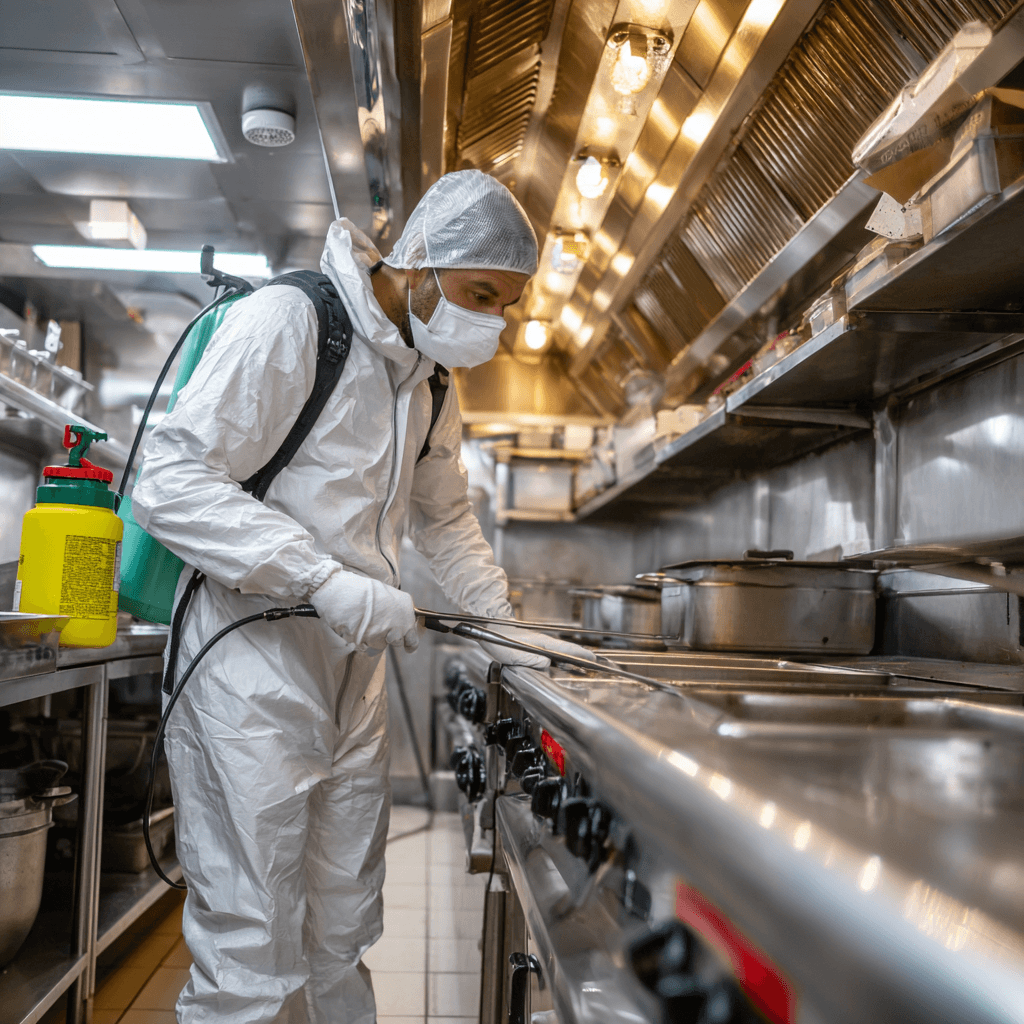
Food safety and hygiene regulations in the UK are designed to protect consumers and ensure that all businesses maintain consistently high standards. For food businesses, professional pest control plays a critical role in achieving and maintaining compliance with these legal requirements. Regular pest inspection services are essential for identifying potential risks early and preventing infestations before they develop.
Commercial kitchens, food processing facilities, restaurants, and hospitality venues must comply with strict hygiene and food safety regulations. Even minor pest activity can lead to contamination of food, preparation surfaces, and equipment, which may result in serious consequences, including enforcement action, fines, or closure by local authorities.
To remain compliant, regulations require businesses to adopt preventative pest control measures rather than relying solely on reactive treatments. This includes sealing entry points, maintaining high standards of cleanliness, implementing proper waste management, and scheduling regular inspections with a qualified pest control provider.
Accurate documentation is also a key requirement. Environmental health officers expect to see clear evidence of ongoing pest management, including service reports, treatment records, and risk assessments. Without proper documentation, even premises that appear clean and compliant may fail a food hygiene inspection.
In practice, the most effective approach for food businesses is to integrate pest control into their wider food safety management system. This ensures that pest risks are continuously monitored, properly managed, and addressed as part of a structured and proactive compliance strategy.
Frequently Asked Questions

Al Joel is a practical writer and long-term property maintenance specialist focused on real-world pest control, home safety and prevention advice. His guides translate common warning signs into clear next steps for homeowners, tenants, landlords and property managers.
His approach begins with correct identification. A sighting in one room may originate from a neighbouring flat, service riser, drainage, roof space, delivery or communal waste area. Al explains how to preserve useful evidence, reduce food and water sources, avoid spreading activity and choose proportionate treatment.
What readers can expect
- Clear identification clues and practical inspection steps
- Safe preparation, cleaning and aftercare guidance
- Prevention advice for homes, flats and commercial premises
- Honest guidance on when DIY is reasonable and when professional help is the smarter option
When professional help makes sense
Repeated sightings, activity in several rooms, uncertain identification, vulnerable occupants or signs involving food, electrics and shared building routes deserve a professional inspection. A lasting solution normally combines targeted treatment with proofing, hygiene and follow-up monitoring.
Explore the Pest Library, learn how treatment works, or request property-specific advice.
Related Pest Control Articles
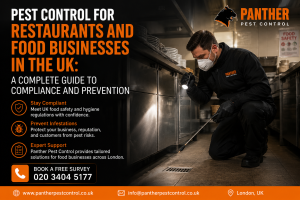 Pest Control for Restaurants and Food Businesses in the UK: A Complete Guide to Compliance and Prevention
 Commercial vs Residential Pest Control: What’s the Difference?
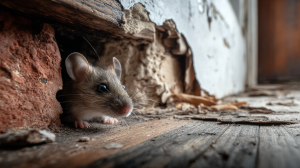 Are Rats Dangerous? Health Risks of Rat Infestations in Houses Explained
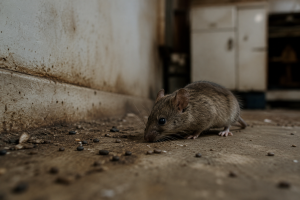 How Mice Infestations Increase Hantavirus Risks and What You Can Do To Protect Your Home