a lower-ground-floor period flat
Inspection considers dark skirting edges and seldom-moved furniture.

LOCAL COVERAGE · LONDON RESPONSE
Arrange a local pest-control visit in Fulham for a house, flat or commercial site. We assess what is happening, where it may be travelling and which treatment is appropriate.
PEST CONTROL IN FULHAM
THE SERVICE, EXPLAINED
In SW6 lower-ground and converted homes, moth activity can remain beneath rugs, fitted units and quiet skirting edges long before adults become noticeable.
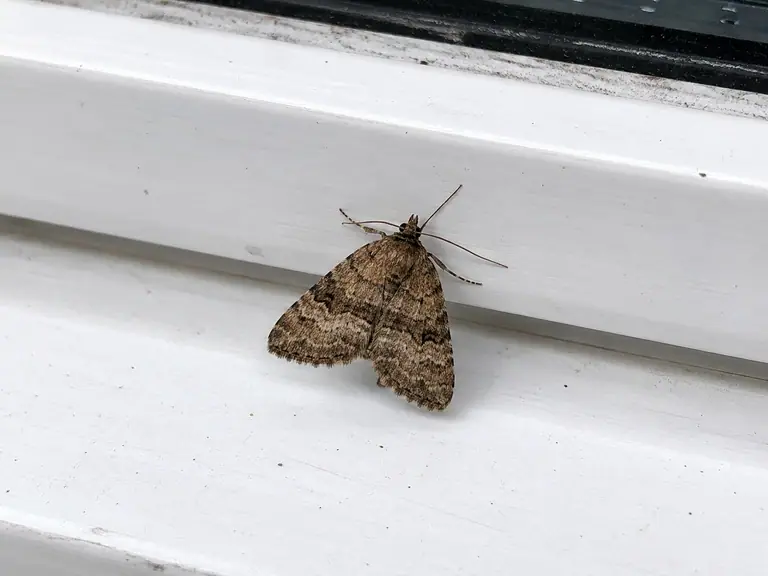
Fulham mixes period terraces divided into flats, mansion blocks, compact family homes, riverside apartments and a strong hospitality sector. Textile pests thrive in a different part of that landscape from rodents or cockroaches. Clothes moth larvae depend on natural fibres and undisturbed shelter, while adult moths may fly into halls or living rooms and distract attention from the actual source.
Inspection follows damage rather than the most visible adult. Wool carpets, rugs, clothing, upholstered furniture and stored natural materials are checked for larvae, webbing, cases and grazing. Furniture edges and fitted joinery deserve attention, particularly in lower-ground rooms where storage changes less often. The technician distinguishes active feeding from old holes so preparation is proportionate.
A moth-control plan may combine detailed vacuuming, item handling, targeted treatment and monitoring. Customers receive instructions suited to fabric care and are not told to discard whole wardrobes automatically. Unaffected rooms are checked according to risk rather than treated for convenience. Where carpet continues beneath a fitted unit, the access limitation and available options are explained.
Fulham landlords and furnished-rental managers benefit from recording which items belong to the property and which preparation falls to the occupant. Restaurants and commercial premises require a separate inspection model based on species and source. Appointments across SW6 can be arranged subject to access, with enough time allowed to inspect the quiet edges that a surface-level visit would miss.
COMMON LOCAL SCENARIOS
Inspection considers dark skirting edges and seldom-moved furniture.
Access, storage and connected spaces are checked.
larvae and webbing found beneath a wool rug
The response is planned around SW6 access and building use.
FROM FIRST SIGN TO CONTROL PLAN
An SW6 resident lifts the corner of a living-room rug and discovers loose fibres, webbing and two pale larvae beside the skirting. Adult moths had previously been noticed near the hallway light.
The rug stays in the room and is rolled only after advice, preventing loose material from being carried through the flat. The resident photographs the edge, checks garment labels and lists other wool items nearby. Heavy furniture remains in place until the inspection plan is clear.
The technician confirms active larval feeding beneath the rug and finds matching damage where the fitted bookcase meets the carpet. Hallway storage and bedroom wardrobes show no larval signs. Adult sightings near the light had obscured a concentrated living-room source at floor level.
Preparation focuses on the affected textiles and accessible perimeter. The rug is handled according to its care requirements, the floor edge is vacuumed in a controlled sequence and targeted treatment reaches the confirmed harbourage. Monitors are placed in the living room and one comparison area without treating every cupboard.
Follow-up finds no fresh webbing and the comparison monitor remains clear. The bookcase edge is rechecked before cleaned items return. The Fulham scenario shows why moth treatment should follow larvae and damage: chasing adults through the hallway would not have addressed the stable feeding site beneath the rug.
The resident also keeps a dated record for the landlord-owned rug and photographs the fitted edge after cleaning. That shared record separates historic fibre loss from any fresh activity and avoids repeated handling of delicate textiles merely because an adult moth enters the room.
PANTHER CONTROL MATRIX
Select the closest match. The panel shows the first practical response — without making you identify the pest perfectly.
PANTHER RAPID RESPONSE
Call the London team. Describe what you have noticed and where it is happening.
NEARBY COVERAGE
DIRECT ANSWERS
Not reliably. Adults can fly away from the larval source, so damage and harbourage need direct inspection.
Preparation should match the confirmed scope. You will receive instructions for affected textiles and access areas.
Often there are handling or cleaning options, depending on its material and condition. Follow the care-specific advice.
For furnished items, fitted carpets or inaccessible joinery, landlord or agent coordination may be useful.
LOCAL PRICE GUIDE
Use these guide prices to understand common treatment starting points; the final quote follows the property and pest details.
| Service | Price from | Typical basis | Notes |
|---|---|---|---|
| Wasp nest treatment | From £89 | Accessible nest treatment | Nest position and safe access affect the final price. |
| Fly control | From £184 | Treatment plan | Source, affected area and method influence the quote. |
| Flea and moth control | From £184 | Treatment plan | Preparation, coverage and follow-up needs affect the quote. |
| Carpet beetle control | From £184 | Treatment plan | Treatment depends on the affected materials and rooms. |
| Pest inspection | From £62 | Inspection visit | Property type and access may affect scope. |
Property size, infestation spread, access, treatment method and the visits required can change the final price.
View all pest control prices or call 020 3404 5177 for the appropriate scope.