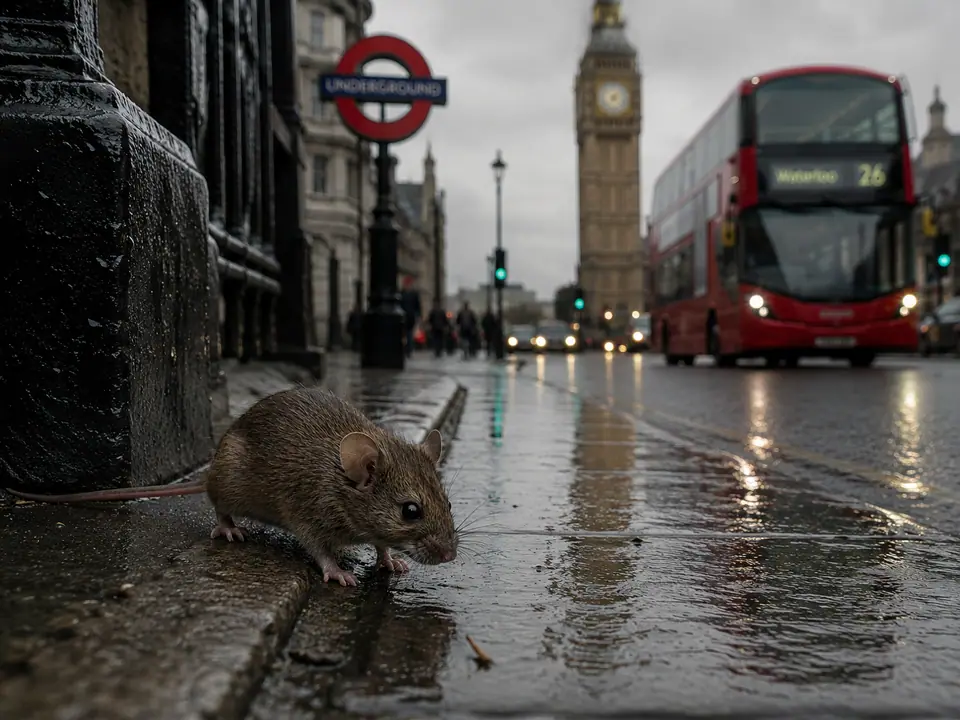
Cost of Bird Netting Installation London: 2026 Professional Pricing Guide

Professional bird netting involves securing high-grade polyethylene mesh across building voids to prevent pigeons and gulls from nesting. For a property owner in a narrow Kensington mews, this often means balancing the need for a bird-free balcony against the logistical headache of street access. We help London residents move past temporary fixes by installing durable, council-compliant proofing that stands up to the city’s persistent avian pressure. Last Tuesday, a landlord in Marylebone found that a cheap netting job on their Victorian terrace had already collapsed; it left a pigeon trapped behind the mesh and fresh guano across the windowsills.

It’s frustrating to pay for expensive cleaning services every month only for the mess to return within days. You want a permanent fix that doesn’t ruin the aesthetic of your building or fall foul of local council standards. This guide provides a clear breakdown of the cost of bird netting installation London property owners can expect in 2026. We’ll focus on what actually drives the price, from the specific mesh size required for different species to the reality of using cherry pickers in tight central London streets. You’ll understand why professional tensioning is the only way to avoid recurring maintenance bills and ensure your property remains protected for the long term.

Key Takeaways

  • Understand why building geometry and specific bird pressure determine the total price of professional exclusion.
  • Discover how height and restricted street access influence the cost of bird netting installation London for commercial and residential properties.
  • Compare the long-term value of professional tensioning against the hidden legal and repair costs associated with amateur DIY netting.
  • Identify which access methods, from scaffolding to cherry pickers, offer the most efficient solution for your building’s facade.
  • Learn how a technical survey separates material costs from labour to provide a transparent, bespoke quote.

What Determines the Cost of Bird Netting Installation in London?

Professional bird netting is a bespoke exclusion service designed to permanently deny pigeons access to ledges, balconies, and lightwells across London. Whether you are managing a block of flats in Croydon or a retail unit in Soho, the cost is dictated by building geometry and bird pressure. This approach is for landlords, commercial managers, and homeowners tired of the constant cycle of guano cleaning. A recent project involved netting a recessed balcony on a third-floor flat in Fulham to stop pigeons nesting in the rafters, which had become a significant health concern for the residents.

To better understand how these systems are tensioned and installed, watch this helpful video:

The Difference Between Residential and Commercial Pricing

Residential netting typically addresses specific nuisance areas like balconies or small lightwells. These jobs often have simpler access requirements, allowing for a faster turnaround. In contrast, commercial pest control projects cover large-scale roof areas or complex HVAC plant protection. You’ll find that commercial quotes are more comprehensive. They often include long-term maintenance or monitoring clauses to ensure the integrity of the net above heavy machinery or high-traffic zones. Whilst a flat in Croydon might have easy ladder access, a retail unit in Soho often requires coordination with local councils for pavement permits or specialist lifting equipment.

Why One-Size-Fits-All Quotes Don’t Work

Bird pressure dictates the material choice. Heavy nesting sites require a different gauge of net compared to areas where pigeons only perch occasionally. Mesh size is another critical variable. A 50mm mesh works for pigeons, but smaller birds like sparrows require a 19mm mesh. This smaller mesh uses more material per square metre, which increases the price. The final cost of bird netting installation London property owners receive also depends on the number of stainless steel fixings and the complexity of the tensioning wires. A professional install uses a perimeter wire system secured with M6 masonry bolts and barrel strainers to keep the mesh taut. Amateur jobs often skip these components, leading to sagging nets that trap birds and look unsightly. You can check our prices page for a general idea of visit fees, but the final quote always reflects these technical specifics.

Primary Factors Influencing Your Bird Proofing Quote

The total price you’ll pay depends heavily on the footprint of the area. We measure by the square metre, but the complexity of the building’s shape often matters more than the raw size. A flat, square roof is straightforward. A tiered Victorian facade with multiple decorative ledges requires intricate cutting and more fixings. Height is the next major driver. UK law requires specific safety measures for work at height. If we can’t reach the area with a ladder, the cost of bird netting installation London property owners face will increase to cover cherry pickers or scaffolding. The bird species also dictates the mesh weight. Pigeons are heavy and determined; they require a robust 50mm net that won’t stretch under pressure.

Building materials play a significant role in the final quote. Old Victorian brickwork, common in areas like Greenwich, is often porous and brittle. We cannot simply screw into these surfaces without risking structural damage. These jobs require resin-fixed anchors to ensure the tensioned wire doesn’t pull the bricks out. Modern cladding on newer developments requires different, non-invasive clips that preserve the building’s warranty whilst maintaining a secure perimeter. If you are unsure which fixings your property needs, you can book a technical inspection to assess the masonry condition.

Material Quality: UV-Stabilised Polyethylene vs. Cheap Alternatives

We exclusively use UV-stabilised polyethylene netting. London’s weather is unpredictable, and untreated plastic nets become brittle and snap after just one summer of sun exposure. Our nets are designed to last over a decade. We pair this with non-corrosive stainless steel perimeter wires. Galvanised steel might be cheaper, but it rusts quickly in the city’s damp climate, leading to unsightly orange streaks on your stonework. It’s also worth noting that flame-retardant netting is often a legal requirement for public buildings or areas near fire escapes. This standard adds to the material cost but is essential for compliance with professional bird netting standards.

The Essential Pre-Installation Clean-up

A common mistake is assuming we can install netting directly over existing mess. This is a significant health and safety risk. Pigeon guano carries pathogens like Psittacosis and Salmonella. Our technicians cannot work in an environment where dried droppings can become airborne. We include specialist biocidal cleaning in our process to neutralise these risks before the first fixing is drilled. This involves saturating the area with professional-grade disinfectants and removing all nesting debris. Skipping this step is not an option; it protects both our staff and your residents from respiratory issues. If your property has significant buildup, speak with our team to discuss the cleaning requirements for your specific site.

Cost of Bird Netting Installation London: 2026 Professional Pricing Guide

Access Methods: Comparing Costs for London’s Unique Architecture

Access is typically the single largest variable in any London bird netting quote. Whilst the mesh itself has a predictable price point, the method used to reach your roof or balcony determines the final bill. Many property owners focus on the material, but the reality of working in a congested city means that logistics often outweigh the cost of the netting. For a mid-level office block in the City, we might spend more time coordinating street access than actually drilling fixings. This is why a site survey is non-negotiable. We need to see if we can reach the area safely using ladders or if the height requires specialist machinery.

Scaffolding remains the most expensive option but is often necessary for extensive structural work on older buildings. If you’re already renovating a Victorian terrace in Chelsea, it’s sensible to install netting whilst the towers are up. However, for a standalone bird proofing job, the cost of bird netting installation London technicians provide can be reduced by opting for more mobile solutions. Powered access, such as cherry pickers or Mobile Elevating Work Platforms (MEWPs), is fast and efficient for buildings up to six or seven storeys. The constraint here is ground space. If your property sits on a narrow street with no pavement clearance, a cherry picker isn’t an option.

The “London Tax”: Permits and Logistical Hurdles

The “London Tax” isn’t a literal government levy; it’s the accumulation of permit fees required to work on the capital’s streets. If we need to park a cherry picker on a public road in Camden or Westminster, we must apply for a Pavement Licence. These permits can take weeks to process and add significant administrative costs. Parking suspensions are another hidden factor. Suspending a single parking bay for a one-day job can add hundreds of pounds to the project. We often recommend rope access (abseiling) to bypass these expensive council permits. Since our technicians descend from the roof, we don’t need to block the pavement or pay for parking, making it the most cost-effective choice for high-rise commercial pest control projects.

Choosing the Right Access for Your Property Type

Your building’s age and design dictate the safest access path. Victorian terraces often have recessed rear lightwells that are impossible to reach from the street. These jobs frequently require internal access through the property or small-scale scaffolding towers in the garden. In contrast, modern office blocks are usually equipped with tested eyebolts on the roof. This allows our team to use abseiling techniques immediately, which significantly lowers the labour time. Industrial units in areas like Park Royal or Dagenham are often the simplest to quote for. These buildings typically have wide access roads and high ceilings, allowing us to use a scissor lift internally or externally without the need for complex street permits or abseil rigs.

Hidden Costs: Why DIY Netting Often Leads to Expensive Repairs

It’s tempting to look at a £50 net online and assume the job is simple. It isn’t. We’re frequently called to properties where a landlord has attempted a DIY fix, only to find pigeons have simply flown behind the sagging mesh. This results in a double expense. You pay for the initial materials and then pay again for the professional removal and re-installation. The true cost of bird netting installation London property owners should consider includes the engineering required to keep the system under permanent tension. Without a stainless steel perimeter wire and barrel strainers, a net is just a loose trap. It lacks the rigidity needed to repel a determined pigeon.

Incorrect fixings cause more than just aesthetic issues. Standard plastic wall plugs often fail under the wind load of a large net. When they pull out, they take chunks of masonry with them. In London’s soft Victorian brickwork, this leads to spalling and water ingress. Repairing a damaged facade is far more expensive than the initial saving of a cheap installation. We use resin-anchored fixings specifically designed for the substrate of your building. This ensures the net remains secure without compromising the brickwork, even in the high winds experienced on top-floor balconies.

The Legal and Ethical Risks of Incorrect Installation

Under the Wildlife and Countryside Act, it’s an offence to trap birds in a way that causes unnecessary suffering. A poorly tensioned net is a death trap. Professional London bird control solutions and legal compliance require the use of specific zippers for maintenance access. These allow engineers to reach light fittings or HVAC units without cutting the mesh. Cutting a net destroys its structural integrity. It often leads to gaps where birds become fatally entangled, creating a distressing situation for residents and a potential legal headache for the property manager.

Long-term Savings: Netting vs. Constant Cleaning

Consider the long-term economics of bird proofing. A Soho restaurant we recently surveyed was spending over £1,200 annually on professional guano removal from their rear extraction vents. Pigeons were nesting in the ductwork, causing hygiene risks and foul smells in the kitchen. After a one-off netting installation, those recurring cleaning bills vanished. Bird proofing protects the structural integrity of your gutters and stonework from the acidic nature of pigeon droppings. It’s a pragmatic investment that usually pays for itself within eighteen months. If you’re tired of the constant cleaning cycle, request a professional quote to secure your property permanently.

Bespoke Bird Netting Solutions from Panther Pest Control

Our approach begins with a technical survey. We don’t guess when assessing structural protection. Every property in London presents unique challenges, from high-wind exposure on Greenwich penthouses to the cramped lightwells of Soho. By assessing bird pressure and access constraints first, we ensure the solution is permanent. You’ll receive a transparent quote that clearly separates material costs, labour, and specific access requirements. This level of detail allows you to see exactly where your investment goes. Our technicians are fully trained in working at height and follow rigorous health and safety protocols to protect your property and the public. We prioritise safety over speed, ensuring every anchor point is tested before the first section of mesh is unrolled.

What to Expect During Your Installation

The process is methodical. On arrival, our team performs a final safety check of all access equipment, whether it’s a cherry picker or an abseil rig. We then move into the tensioning phase. This is the most critical part of the job. We secure a stainless steel perimeter wire using M6 masonry bolts or resin anchors, ensuring it’s rock-solid. Only once the frame is perfectly taut do we attach the UV-stabilised mesh. We don’t use plastic ties that snap; we use stainless steel hog rings to fuse the net to the wire. Finally, we conduct a gap inspection. We check every corner and fixing point to ensure even the smallest sparrow can’t find a way through. This meticulous approach prevents the sagging and entrapment issues common with amateur installations.

Getting Your Accurate London Bird Netting Quote

Over-the-phone estimates are often inaccurate for complex London architecture. A simple balcony in Fulham might look easy, but hidden structural issues or restricted pavement access can change the scope of the work. We prefer a site visit to provide a definitive cost of bird netting installation London property managers can rely on. A physical inspection allows us to identify the exact bird species and the level of nesting pressure. To prepare for our visit, ensure we have access to all affected areas, including rooftops or rear courtyards. This allows us to spot potential hurdles early and avoid delays on the day of installation. If you’re ready to end the cycle of pigeon mess, request a professional bird proofing survey for your London property. We provide decisive results that stand up to the city’s toughest bird problems. This isn’t a temporary deterrent; it’s a structural upgrade that secures your building for the next decade.

Secure Your Property Against Avian Intrusion

Effective bird proofing is about more than just hanging a net. It requires a technical understanding of building geometry and bird behaviour. Whilst the initial cost of bird netting installation London property owners face is driven by access logistics and material quality, it remains the only permanent way to stop the cycle of recurring cleaning bills. A professionally tensioned system protects your masonry from acidic damage and ensures you remain compliant with UK wildlife legislation. Cheap nets fail; professional tensioning lasts.

Our expert technicians understand the specific needs of London’s Victorian terraces and modern glass developments. We include comprehensive guano removal and sanitisation with our service, ensuring your property is safe from the moment we finish. With 24/7 emergency response available across the M25, we are ready to restore the security of your home or business at any time. Don’t settle for a sagging DIY fix that traps birds and damages your brickwork. Get a Transparent Bird Netting Quote for Your London Property and enjoy a clean, bird-free environment today.

Frequently Asked Questions

How much does bird netting installation cost per square metre in London?

The total cost depends on the mesh size and the complexity of the building facade. Pigeon netting is generally more affordable than sparrow netting because the larger 50mm mesh requires less material. However, the raw square metre rate is rarely the final price. In a city like London, the cost of bird netting installation London property owners pay is heavily influenced by access requirements, such as whether we need to use abseiling teams or cherry pickers to reach high-level ledges safely.

Will bird netting affect the appearance of my London property?

Professional netting is designed to be virtually invisible from street level. We use translucent or stone-coloured UV-stabilised polyethylene mesh that blends into the background of Victorian brickwork or modern glass. Unlike bulky DIY solutions, our systems use a discreet stainless steel perimeter wire. This keeps the net perfectly flat and taut, ensuring it doesn’t sag or flutter in the wind, which is usually what makes poor installations stand out.

How long does a professional bird netting installation last?

A correctly installed system typically lasts for 10 years or more. We exclusively use high-grade materials that stand up to the city’s environmental pressures. The combination of UV-stabilised mesh and stainless steel fixings prevents the system from becoming brittle in the sun or rusting in the damp climate. This longevity makes it a pragmatic one-off investment compared to the recurring expense of cleaning guano from balconies and lightwells every few months.

Do I need planning permission for bird netting in London?

In most cases, bird netting is considered a “permitted development” and doesn’t require formal planning permission. It’s a non-permanent addition designed for building maintenance. However, if your property is in a highly regulated conservation area or a specific borough with strict aesthetic codes, it’s sensible to check with your local council. We often work with property managers to ensure installations meet the discreet standards required in areas like Kensington and Westminster.

Can bird netting be installed on listed buildings?

Yes, but it requires a specialised approach to protect the historical fabric of the building. We use non-invasive fixings, such as specialist masonry clamps or adhesive-based H-track systems, to avoid drilling into protected stonework. Listed Building Consent is often required before work begins. Our technicians are experienced in working alongside conservation officers to provide effective bird exclusion that doesn’t compromise the architectural integrity of London’s heritage sites.

What is the difference between pigeon netting and seagull netting?

The primary difference lies in the mesh size and the strength of the tensioning components. Pigeon netting uses a 50mm mesh, whilst seagull netting typically uses a 75mm mesh. Because seagulls are larger and significantly heavier, they can put more physical pressure on the system. To counter this, we use heavier-gauge perimeter wires and deeper anchor points to ensure the net doesn’t pull away from the wall when birds attempt to land on it.

Does bird netting require regular maintenance?

Professional systems are designed to be low-maintenance, but an annual visual inspection is recommended. High winds or structural movement can occasionally cause a barrel strainer to loosen slightly. A quick check ensures the tension remains high, which is vital for preventing gaps. We also install specific zippers in the mesh to allow maintenance teams to reach lights or HVAC units without having to cut or damage the integrity of the net.

Can I install bird netting myself to save money?

You can buy kits online, but DIY attempts frequently fail because they lack the necessary tension. A loose net isn’t just ineffective; it’s a legal risk. Pigeons are determined and will often find a way behind a sagging net, becoming trapped and causing a violation of the Wildlife and Countryside Act. You’ll likely end up paying for a professional to remove the failed DIY net and clean the area before a proper system can be installed.

Comments are closed.

Chat