a period apartment with fitted wardrobes
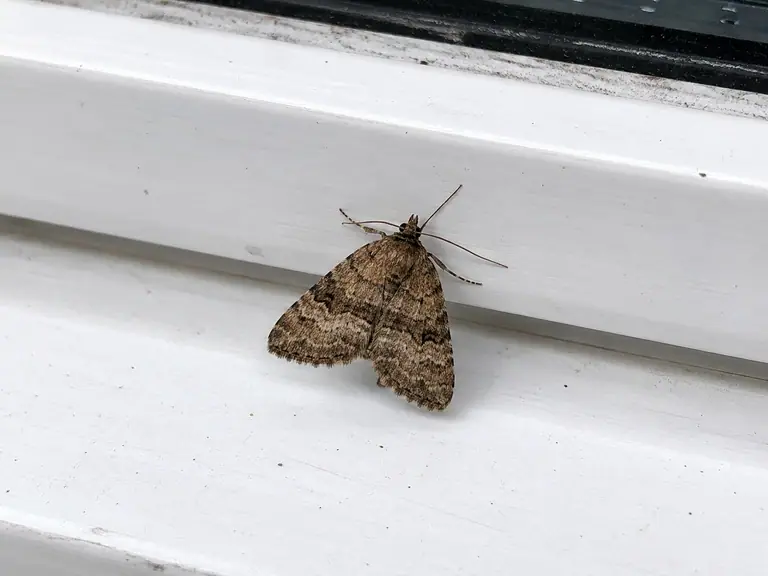
Inspection considers quiet wardrobe edges and an undisturbed carpet perimeter.

LOCAL COVERAGE · LONDON RESPONSE
From unexpected rodent noise to insect activity, properties in Chelsea need a response based on evidence. We provide local inspection, targeted control and straightforward follow-up guidance.
PEST CONTROL IN CHELSEA
THE SERVICE, EXPLAINED
SW3 homes often contain valuable natural materials and fitted interiors, so inspection must locate the source without turning every textile into a treatment target.
Chelsea’s period terraces, mansion flats, basement apartments and premium commercial interiors create sheltered spaces that can remain undisturbed for long periods. Clothes moths and carpet beetles may develop beneath fitted wardrobes, rugs or upholstered furniture, while rodents can exploit service voids created during refurbishment. The quality of a finish does not remove pest risk; it can simply make concealed edges harder to reach without a planned inspection.
The first visit separates active damage from historic wear. For textile pests, the technician looks for larvae, webbing, cases, shed material and irregular grazing rather than relying on adult moth sightings alone. Storage habits, seasonal clothing and natural-fibre content are reviewed room by room. In a basement property, moisture, redundant fireplaces and shared service routes can add a different set of clues.
Treatment is designed around confirmed material and harbourage. Customers may receive sorting, vacuuming and laundering instructions before targeted work begins. Items are not discarded automatically, and broad treatment of unaffected rooms is not presented as a shortcut. Where fitted joinery prevents access, the report identifies the limitation and the most useful next step. Monitoring helps determine whether activity remains in one wardrobe or extends to carpets and adjoining storage.
Discretion also depends on preparation. Concierge access, parking restrictions and protection for delicate possessions should be discussed before attendance. Chelsea customers receive a clear sequence for treatment and aftercare, including what can be returned to storage and when. Same-day response may be available for urgent concerns, although careful textile inspection should not be compressed into an unrealistic promise.
COMMON LOCAL SCENARIOS
Inspection considers quiet wardrobe edges and an undisturbed carpet perimeter.
Access, storage and connected spaces are checked.
irregular holes appearing in wool clothing
The response is planned around SW3 access and building use.
FROM FIRST SIGN TO CONTROL PLAN
An SW3 resident removes a wool coat from a guest-room wardrobe and finds fresh grazing near the hem. Two small moths were seen weeks earlier, but a hanging trap in the hallway remains empty.
The coat is isolated in a clean bag rather than carried through other rooms. The resident photographs the damage and leaves the wardrobe base untouched. They list other natural-fibre items stored in the room and note that heavy suitcases have covered one carpet edge since the previous winter.
Inspection finds larval webbing beneath the wardrobe plinth and a second damaged area where the carpet disappears below the fitted unit. The hallway trap is irrelevant to that concealed pocket. Adjacent drawers, curtains and upholstered furniture show no comparable signs, allowing the active zone to remain focused on the guest-room storage wall.
The resident receives a staged preparation list for clothing, removable luggage and vacuuming. Targeted moth treatment reaches accessible carpet edges and the wardrobe void after the plinth is safely removed. Fresh monitors are positioned in the affected room, while unaffected textiles are checked and returned without unnecessary disposal.
Follow-up finds no new fabric damage and no larvae at the original edge; one monitor records an adult close to the treated wardrobe, consistent with the local source. Continued observation is agreed before the room is considered clear. The Chelsea scenario shows why moth control depends on larvae and material damage, not the number of adults flying through a different part of the home.
Because the room is used infrequently, the review also compares dated photographs with new evidence after the wardrobe is returned to use. This prevents old grazing from being counted twice and gives the resident a practical way to judge whether the concealed edge remains inactive.
PANTHER CONTROL MATRIX
Select the closest match. The panel shows the first practical response — without making you identify the pest perfectly.
PANTHER RAPID RESPONSE
Call the London team. Describe what you have noticed and where it is happening.
NEARBY COVERAGE
DIRECT ANSWERS
Usually not automatically. Items can often be cleaned or treated according to their care instructions after the active source is assessed.
Only the inspection can determine scope. Evidence may support one focused room or require checks of connected textile storage elsewhere.
Accessible panels and plinths can be assessed carefully. Any limitation or need for specialist removal is explained before work proceeds.
A trap can show adult activity but may miss larvae concealed beneath furniture or inside a wardrobe. Physical source inspection remains important.
LOCAL PRICE GUIDE
These London-wide starting prices provide a practical comparison before the treatment scope is confirmed.
| Service | Price from | Typical basis | Notes |
|---|---|---|---|
| Ant and cockroach control | From £184 | Treatment plan | Species, spread and follow-up requirements affect cost. |
| Silverfish treatment | From £184 | Treatment plan | Moisture conditions and affected rooms are assessed. |
| Spider control | From £184 | Treatment plan | Coverage and access determine the final scope. |
| Flea and moth control | From £184 | Treatment plan | Preparation, coverage and follow-up needs affect the quote. |
| Pest inspection | From £62 | Inspection visit | Property type and access may affect scope. |
Property size, infestation spread, access, treatment method and the visits required can change the final price.
View all pest control prices or call 020 3404 5177 for the appropriate scope.