a flat above a late-opening food business
Inspection considers shared pipe chases and gaps beside appliance services.

LOCAL COVERAGE · LONDON RESPONSE
Get practical support for pest problems across Hackney. Each visit starts with the signs at your property and builds a clear response around access, activity and building layout.
PEST CONTROL IN HACKNEY
THE SERVICE, EXPLAINED
Across E5, E8, E9, N1 and N16, warm shared services can connect a late-opening business with several homes above it.
Hackney’s property pattern includes Victorian conversions, estates, warehouse apartments, markets, cafés and restaurants. Cockroaches can exploit warm appliance voids and pipe chases; mice may follow stock rooms and redundant service gaps; bed bugs remain associated with sleeping and resting areas despite the wider building. The first task is to separate these routes rather than assume that every report in a mixed-use block shares one cause.
Inspection considers when activity appears and how each occupancy operates. A restaurant may reveal signs only after equipment cools and lights go out. A flat may show insects beside a riser but remain clear elsewhere. Communal refuse, delivery access and recent plumbing work can add context. The technician checks physical evidence before attributing origin to a neighbour or commercial tenant.
Cockroach control may use targeted gel and monitors protected from cleaning. Rodent work requires secure placements and proofing after movement is understood. Preparation instructions are written for the people controlling each space: resident, kitchen team, cleaner or building manager. Treating one unit can reduce local activity, but an evidenced shared route must be recorded if durable control depends on wider access.
Hackney appointments are more effective when keys, trading hours and communal contacts are arranged before arrival. Same-day attendance may be available, yet an inaccessible riser cannot be assessed by speed alone. The resulting report distinguishes observed evidence, treatment completed and actions required elsewhere in the building.
COMMON LOCAL SCENARIOS
Inspection considers shared pipe chases and gaps beside appliance services.
Access, storage and connected spaces are checked.
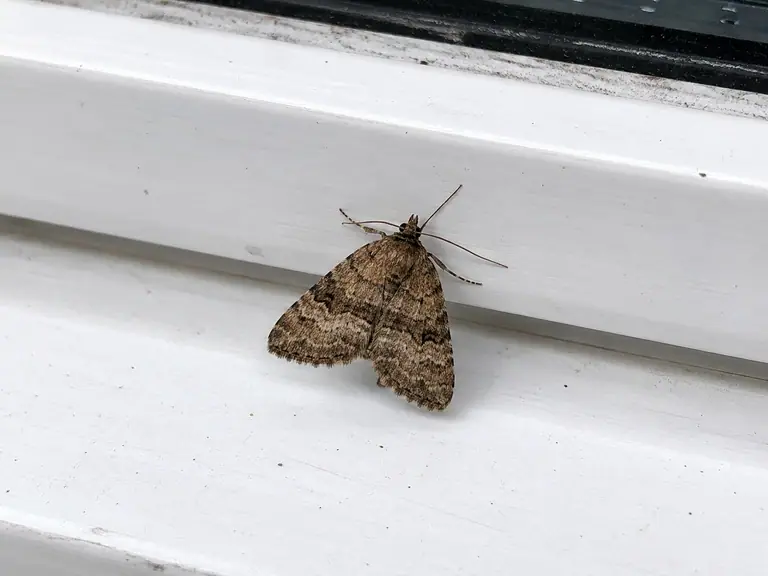
night-time insects around a warm kitchen wall
The response is planned around E5, E8, E9, N1, N16 access and building use.
FROM FIRST SIGN TO CONTROL PLAN
An E8 resident sees a cockroach beside the kitchen pipe box shortly after midnight. The café below has separately reported insects behind its glass washer after closing.
Neither occupier sprays the shared wall. The resident keeps the pipe boxing accessible, while the café arranges entry after equipment has cooled. Both record dates and positions. The landlord provides a key to the narrow service cupboard between floors, allowing one investigation to compare all three points.
In the café, spotting and cast skins sit behind the washer motor. Upstairs, a single dropping appears at the pipe sleeve but no harbourage is found in cupboards. The service cupboard contains warm pipework and an unfinished penetration aligned with both rooms. Evidence supports upward movement from a concentrated lower harbourage without suggesting that the entire flat is established.
Targeted treatment and monitors are installed behind café equipment and at protected service edges. Cleaning staff receive a diagram of areas not to scrub. The resident uses a comparison monitor and follows food-storage guidance without broad domestic treatment. The landlord schedules sealing only after the active population has been controlled.
Review shows falling counts below and no further contact in the flat. A final cupboard check precedes proofing of the shared penetration. The Hackney scenario shows why cooperation can keep treatment smaller: recognising one connected route avoids unnecessary application upstairs while ensuring the commercial harbourage is not left active.
A final joint note records which occupier owns each appliance, who controls the service cupboard and when proofing was completed. This prevents a later maintenance visit from reopening the same route and gives both parties an evidence-based history without assigning unsupported blame.
PANTHER CONTROL MATRIX
Select the closest match. The panel shows the first practical response — without making you identify the pest perfectly.
PANTHER RAPID RESPONSE
Call the London team. Describe what you have noticed and where it is happening.
NEARBY COVERAGE
DIRECT ANSWERS
Yes, where warm pipes or service gaps connect the units. Evidence is needed to confirm the direction and active harbourage.
Coordinated access is useful when reports align around shared services, though treatment scope may differ between units.
Some products and monitors can be affected. Cleaning teams receive precise instructions for treated edges.
Not necessarily. Inspection establishes whether it is an incoming insect or evidence of local harbourage.
LOCAL PRICE GUIDE
These London-wide starting prices provide a practical comparison before the treatment scope is confirmed.
| Service | Price from | Typical basis | Notes |
|---|---|---|---|
| Mice and rat control | From £184 | Treatment plan | Scope depends on evidence, access and monitoring needs. |
| Squirrel control | From £273 | Treatment plan | Access and proofing requirements affect the final quote. |
| Pest inspection | From £62 | Inspection visit | Property type and access may affect scope. |
| Wasp nest treatment | From £89 | Accessible nest treatment | Nest position and safe access affect the final price. |
Property size, infestation spread, access, treatment method and the visits required can change the final price.
View all pest control prices or call 020 3404 5177 for the appropriate scope.