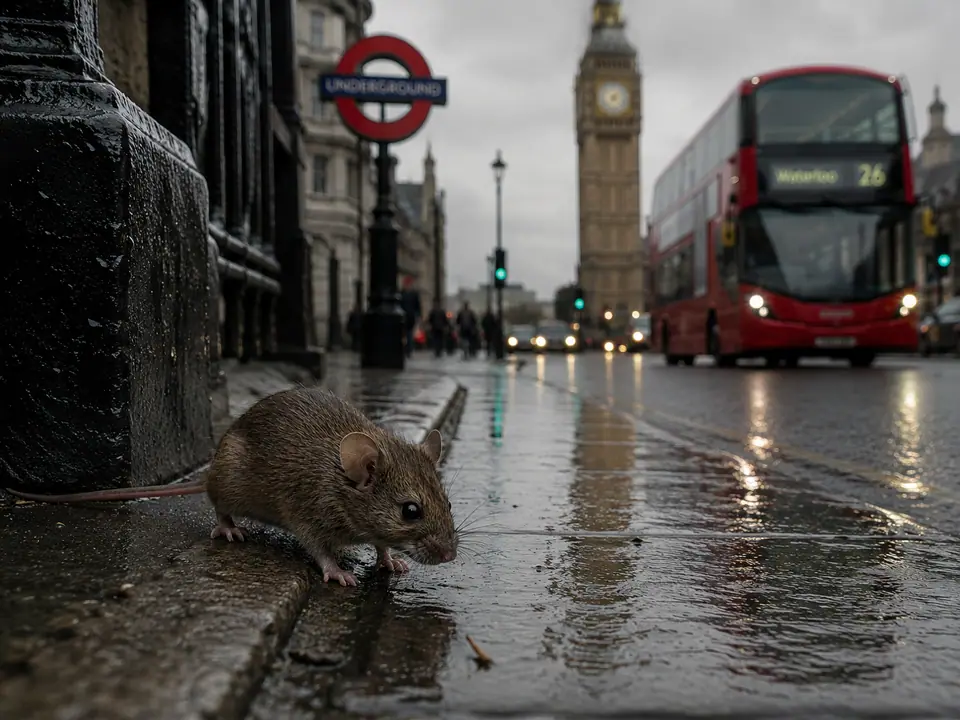
Scratching Noises in Walls at Night – What Is It?
Hearing scratching noises in the walls at night is one of those things that instantly sets your mind racing. During the day everything seems normal, but once the house goes quiet, the sounds start — scratching, scurrying, light tapping, sometimes even gnawing. You’re not imagining it, and you’re definitely not alone. This is one of the most common reasons homeowners contact pest control services in the UK.
The key question is simple: what is making the noise?
The answer, unfortunately, is rarely good news — but the sooner you identify it, the easier it is to deal with.
Find pest controller near you


Why Do Scratching Noises Happen Mostly at Night?
Most animals that live inside walls are nocturnal. At night, your home becomes quiet, lights go off, and human activity stops. That’s when pests feel safe enough to move, feed, and explore.
Walls act like hidden motorways. Rodents and other animals use them to:
- Travel between rooms and floors
- Access food and water
- Build nests
- Avoid predators and people
This is why the noises often start after midnight and stop by early morning.
Most Common Causes of Scratching Noises in Walls
1. Mice
Mice are by far the most common cause of light scratching and scurrying sounds. They are small, fast, and can squeeze through gaps as small as a coin. Inside walls, they move quickly and repeatedly, often following the same routes.
Typical mouse noises include:
- Fast scratching
- Light scuttling
- Soft gnawing sounds
If the noise is quick, irregular, and high-pitched, mice are a strong possibility.
2. Rats
Rats make louder, heavier noises than mice. You may hear thumping, slower scratching, or chewing sounds. Rats also gnaw constantly to keep their teeth worn down, which is why electrical cables are often damaged.
Signs it could be rats:
- Deeper scratching sounds
- Loud movement inside walls
- Noises that seem heavier or slower
- Activity spreading to ceilings or floors
Rats inside walls are dangerous — not just because of disease, but because of fire risk from chewed wiring.
3. Squirrels
If the scratching happens mostly early morning or daytime, squirrels may be the cause. They are not nocturnal like rodents and are often active at dawn.
Squirrel noises are:
- Very loud
- Rapid running or rolling sounds
- Often coming from lofts or upper walls
Squirrels are strong enough to cause serious structural damage if left untreated.
4. Birds
Birds can nest inside wall cavities or roof spaces, especially near vents or broken roof tiles. Their movement is usually more fluttering than scratching.
You may hear:
- Light tapping
- Flapping
- Chirping
Bird activity is usually seasonal and often linked to nesting periods.
5. Insects (Less Common)
In rare cases, insects like carpenter ants or beetles can cause faint tapping or rustling noises. These sounds are much quieter and usually constant rather than sudden.
How to Tell What’s in Your Walls
Pay attention to three key things:
Time of day
Night-only noise usually points to rodents.
Sound type
Light and fast = mice
Heavy and slow = rats
Very loud with running = squirrels
Location
Lower walls, kitchens, and basements often mean rodents.
Upper walls and loft areas often mean squirrels or birds.
Why You Shouldn’t Ignore Scratching Noises
Ignoring the sounds won’t make them go away. In fact, it usually makes things worse.
Rodents inside walls can:
- Breed rapidly
- Spread bacteria through droppings and urine
- Chew electrical wiring
- Damage insulation and plaster
- Create strong odours if they die inside
What starts as one mouse can become a full infestation in weeks.
Should You Use Poison?
Using poison is one of the worst decisions when animals are inside walls. Poisoned rodents often die in inaccessible places, leading to:
- Weeks of unbearable smell
- Flies and maggots
- Walls or floors needing to be opened
Traps, exclusion, and professional control are far safer and more effective.
What You Can Do Immediately
While waiting for professional help, you can:
- Listen carefully and note where the sound is strongest
- Check for droppings in kitchens, cupboards, and skirting boards
- Seal obvious gaps around pipes and vents (but don’t block active exits yet)
- Avoid loud banging on walls — it can drive animals deeper inside
How Pest Control Professionals Deal With Wall Noises
A proper solution involves more than just catching the animal.
Professionals will:
- Identify the species
- Locate entry points
- Remove or control the pests safely
- Seal access routes properly
- Prevent re-entry
This approach stops both the noise and the cause, not just the symptom.
![]()


When to Call for Help
You should contact pest control if:
- The noise continues for more than a few nights
- Sounds are getting louder
- You notice droppings or damage
- The noise is coming from multiple walls
The earlier you act, the easier (and cheaper) it is to fix.
Final Thoughts
Scratching noises in walls at night are never random. They almost always mean something is living inside your home. While it’s unsettling, it’s also fixable — as long as you don’t ignore it.
Identifying the cause early, avoiding quick-fix mistakes like poison, and dealing with entry points properly will save you stress, money, and damage in the long run.
If the sounds keep returning, it’s a clear sign that professional intervention is needed — not just to restore quiet, but to protect your home.
- The Most Dangerous Spiders in the World
- Why Do I Keep Finding Silverfish in My Bathroom?
- Scratching Noises in Walls at Night – What Is It?
- How Common are Bed Bugs in the UK Today?
- Chemical Pest Control Methods

Al Joel is a practical writer and long-term property maintenance specialist who focuses on real-world pest control, home safety, and prevention advice. His blog posts are written in a clear, no-nonsense style, based on hands-on experience rather than theory. Al’s goal is simple: to help homeowners make safe, informed decisions and know when DIY is reasonable and when professional help is the smarter option.