Bed Bugs vs Fleas – What’s the Difference?
At first glance, bed bugs and fleas may seem similar. Both are small, parasitic insects that no homeowner wants indoors. In reality, however, they differ significantly in appearance, behaviour, habitat, and treatment. Correct identification is essential, as the way you deal with a bed bug infestation is very different from how you control fleas in the home.
At first glance, bed bugs and fleas may seem similar. Both are small, parasitic insects that no homeowner wants indoors. In reality, however, they differ significantly in appearance, behaviour, habitat, and treatment. Correct identification is essential, as the way you deal with a bed bug infestation is very different from how you control fleas in the home.
Bed bugs are most commonly found in mattresses, bed frames, furniture, and small cracks close to where people sleep. Fleas, on the other hand, live primarily on furry animals such as cats and dogs and do not rely exclusively on humans for feeding. While both pests can bite humans, their habits, risks, and solutions are not the same.
Flea infestations are generally easier to control than bed bugs, although both require the correct approach and products. Disease transmission is possible with both insects but remains relatively uncommon. That said, bed bugs are known allergens and may worsen conditions such as asthma, especially in children. Understanding which pest you’re dealing with allows you to take the right and safest action.
Bed Bugs Identification
What Do Bed Bugs Look Like?
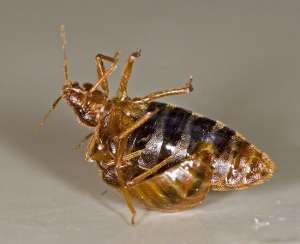
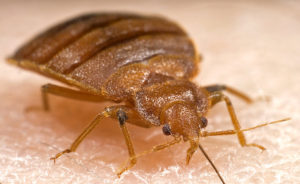
Bed bugs are flat, oval-shaped insects with a reddish-brown colour, measuring around 5 mm in length. After feeding, they appear larger and darker. Young bed bugs (nymphs) are smaller, paler, and almost transparent, making them harder to spot.
Where Do Bed Bugs Live?
Bed bugs hide close to where people sleep because they are attracted to body heat and carbon dioxide. Common hiding places include:
-
Beds and mattresses
-
Cracks in bed frames
-
Behind loose wallpaper
-
Electrical sockets
-
Sofas and upholstered furniture
-
Second-hand clothing, bags, or furniture
Bed Bug Bites
Bed bug bites usually appear as red, raised, inflamed marks on exposed skin such as the back, arms, hands, or feet. The bites are rarely felt at the moment they occur but become itchy later, sometimes developing into a rash.
How to Spot Bed Bugs
Bed bugs are often detected by black spots on bedding, shed skins, or tiny white eggs near hiding places. These insects can lay hundreds of eggs, and they are capable of surviving many months without feeding, which makes early action crucial.
Professional bed bug treatment is often the safest and most effective solution, especially when infestations are established.
Fleas Identification
What Do Fleas Look Like?
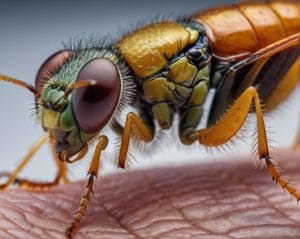
Fleas are wingless insects, usually 2–3 mm long, dark in colour, with flattened bodies and powerful legs designed for jumping. Relative to size, fleas are among the best jumpers in the animal kingdom.
Where Do Fleas Live?
Unlike bed bugs, fleas live and feed primarily on animals, especially cats and dogs. Their bodies are adapted to moving quickly through fur. While adult fleas live on pets, they lay eggs in carpets, bedding, furniture, and floors, allowing infestations to spread rapidly.
Flea Bites
Flea bites are felt immediately, often causing a sharp sensation followed by itching. They usually resemble mosquito bites, often with a red dot in the centre. While typically harmless, flea bites can cause discomfort, rashes, and allergic reactions in sensitive individuals.
How to Spot Fleas
Fleas are difficult to see unless you inspect your pet’s coat closely. If fleas are found, veterinary treatment for your pet is essential, along with treating the surrounding environment. Fleas can survive for months without a host, making professional pest control advisable in more severe cases.
Flea and Bed Bug Treatments
Effective pest control is not just about eliminating insects but also about reducing health risks associated with infestations. Many pests can carry bacteria and pathogens, which may spread through contaminated surfaces, poor hygiene, or contact with waste.
Professional disinfection and pest treatment services help reduce harmful microorganisms and restore a safe living environment for both people and pets.
Why Correct Identification Matters
Misidentifying fleas as bed bugs (or vice versa) often leads to ineffective treatment, wasted time, and prolonged infestation. If you are unsure which pest is present or the problem persists, seeking professional pest control advice is the safest and most reliable option.
Find More:
- Pest Control in Rented Property: Landlord or Tenant Responsibility in the UK?
- Signs of Woodworm in UK Homes: Identification, Treatment and Prevention
- How to Get Rid of a Wasp Nest Safely: UK and London Expert Guide
- Rats in the Garden UK: How to Remove Them Safely and Stop Them Returning
- How to Get Rid of Bed Bugs in the UK: A Professional London Guide
Galery


Al Joel is a practical writer and long-term property maintenance specialist who focuses on real-world pest control, home safety, and prevention advice. His blog posts are written in a clear, no-nonsense style, based on hands-on experience rather than theory. Al’s goal is simple: to help homeowners make safe, informed decisions and know when DIY is reasonable and when professional help is the smarter option.