Survey before control
Chosen when the species or extent remains unclear.

LOCAL PEST RESPONSE · HA7
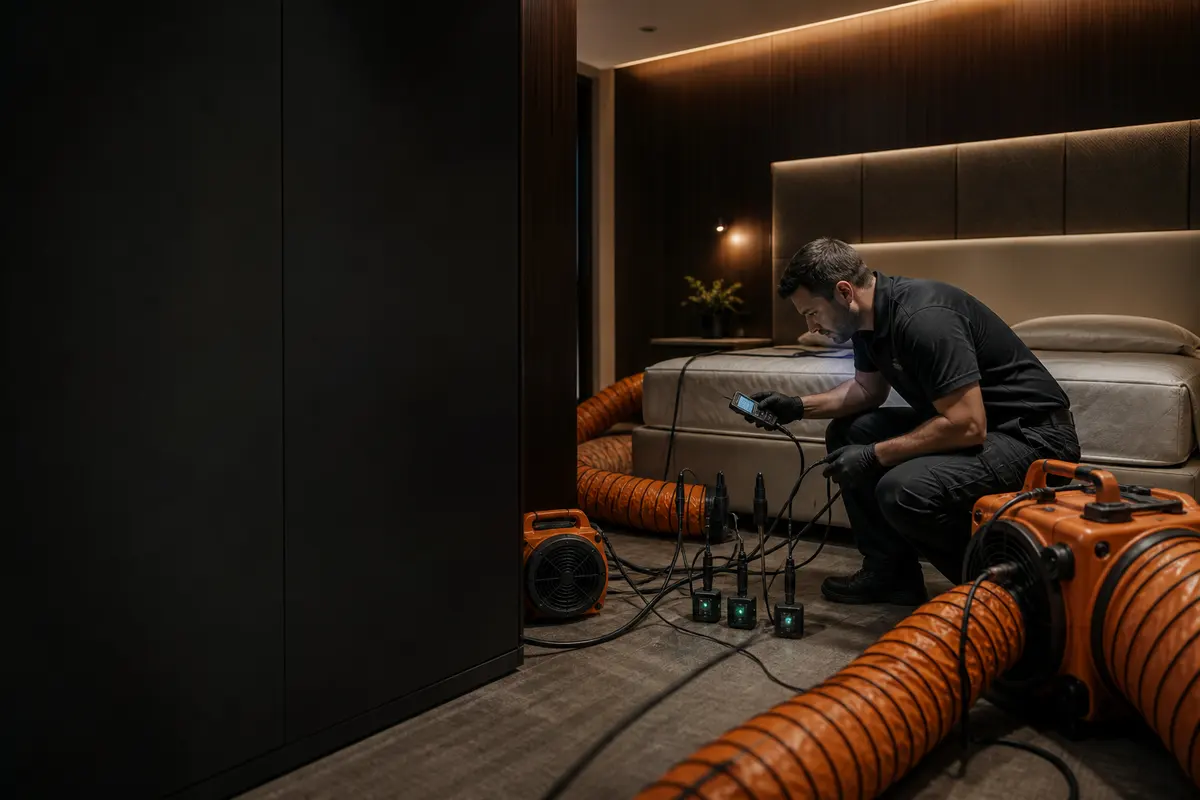
Pest activity in Stanmore can begin indoors, around an outbuilding or at the edge of the property. We connect the visible signs with possible entry, shelter and food sources before choosing how to deal with it.
START WITH THE SIGN
Select the observation closest to the current evidence. It opens the relevant service guide; it does not diagnose the pest.
AREA AND BUILDING PROFILE
Stanmore is within Harrow and this page covers HA7. The property layout and occupancy are established during booking because they determine which inspection route is workable.
Detached spaces, shared boundaries and commercial rooms are assessed only when they form part of the instructed premises.
INSPECTION FIELD NOTES
Daytime and night-time sightings can point the survey toward different checks.
Describe connected roofs, gardens, stores or service voids that technicians may need to consider.
Photos beside gaps or damaged materials give better context than an isolated close-up.
A clear site contact helps approve access and treatment scope without delay.
SELECTED SERVICE FOCUS
Where rodent evidence is present, we narrow the wider inspection to active runs, reachable shelter and sensible proofing opportunities.
Read the Rat and mouse control guide →Chosen when the species or extent remains unclear.
Concentrates work on evidenced harbourage and active routes.
Sets out proofing measures after immediate activity has been addressed.
PUBLISHED STARTING POINTS
The final scope reflects identification, number of areas, access and any method-specific follow-up.
| Service | Price from | Basis |
|---|---|---|
| Pest inspection | From £62 | Inspection visit |
| Wasp nest treatment | From £89 | Accessible nest |
| Ant and cockroach control | From £184 | Treatment plan |
| Bed bug control | From £204 | Treatment plan |
PREPARATION AND FOLLOW-UP
List affected spaces and recent evidence.
Allow safe access without moving suspect items between rooms.
Check agreed monitoring points and retain new signs.
HOMES AND LANDLORDS
Living space, roof voids, outbuildings and grounds are included only where evidence or access justifies them.
Discuss a residential visit →BUSINESSES AND MANAGERS
Work areas and customer-facing zones receive separate access instructions.
View commercial pest control →PUBLISHED COVERAGE
Coverage links help compare neighbouring service areas without changing the booked address.
STANMORE QUESTIONS
The service address is checked at booking and the accessible premises define the visit.
Yes, when the customer has expressly placed it within scope and safe access is available.
Wait for pest-specific preparation guidance unless an access route is blocked.
Separate owners or occupiers must authorise access to their own premises.
Proofing recommendations depend on the entry points and pest confirmed.
The technician explains the signs to monitor and the appropriate review interval.
PANTHER RESPONSE · STANMORE
Describe the sign, its location and any outside areas that may be connected. Panther will plan the first checks around that evidence.