Rats in London · LONDON
Rats Under a Garden Shed: Is That Hole an Active Burrow?
A hole beside the shed is a clue, not proof of a live rat burrow. Record change at the base, check connected routes and plan access before moving or sealing anything.
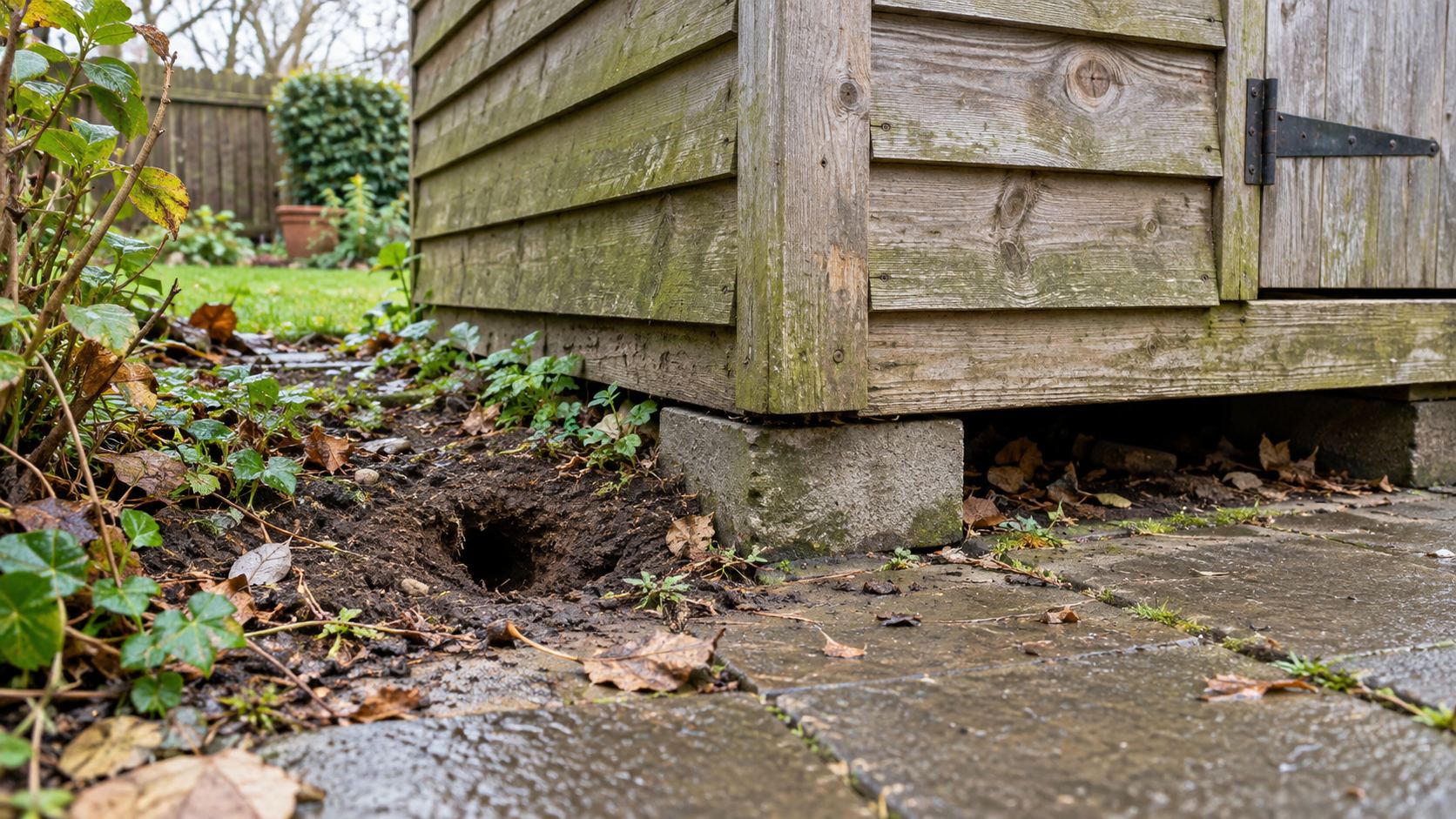
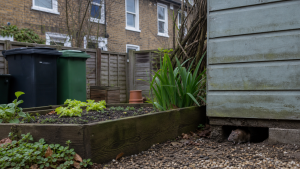
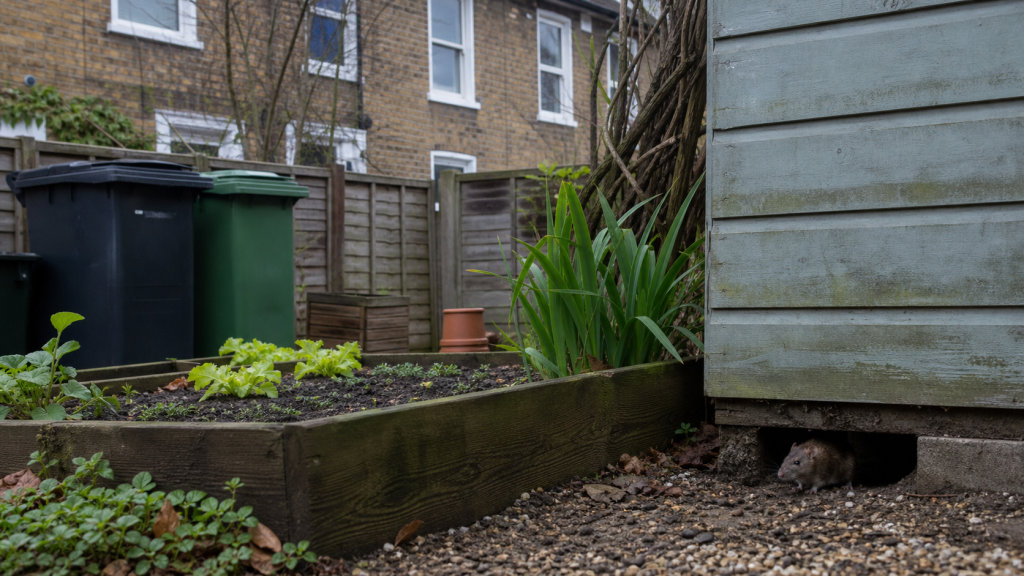
A small opening at the edge of a shed can look like the answer to every rat sighting in a garden. Sometimes it is. Sometimes it is an old gap beneath a raised structure, with the animals travelling past from a drain, compost area or neighbouring plot. The difference matters: moving the shed or filling the hole before you know what is happening can destroy the evidence and send activity somewhere harder to inspect.
This guide concentrates on the space beneath one shed: how to record a suspected entrance, check whether the shed is shelter or simply part of a route, and decide who should inspect or repair the base. For the wider garden, including bins, bird feeding and boundaries, see the site’s rats in the garden guide. Keep the two questions separate so a tidy-up does not get mistaken for proof that a burrow has been dealt with.
First work out what the shed actually sits on
A timber shed might rest on slabs, paving blocks, a concrete pad, a timber frame or compacted soil. Its floor may be close to the ground at the front but raised at the back on a sloping plot. Before you call a gap a burrow, walk around the structure and identify the visible foundation. Mark the door side, fence side and the place where rainwater falls from the roof. These details explain why one corner is wet, eroded or difficult to see.
Do not put a hand beneath the shed or crawl into the void. A space large enough for a rat may also contain sharp waste, broken glass, electrical cable, damp timber or another animal. Take a wide photograph from the path, then a closer one without disturbing soil. A fixed object such as a paving joint gives scale without having to place a ruler in a suspect opening. If vegetation blocks the view, trim only what you can reach safely and record what was moved.
Check whether the hole is in the soil, between slabs, or simply the open space created by the shed’s supports. A supported shed can have a continuous dark gap that is not an excavation. A fresh-looking soil mound can also come from garden work, rainwash or another animal. Its shape is one clue; it does not identify the occupant by itself.
Look for a pattern at the perimeter
From outside, a used opening may have a clear approach through grass or leaf litter, compacted edges, disturbed soil, or repeated movement on a camera. One feature is rarely enough. Photograph the same corner again from the same position after a suitable interval, making a note of rain, mowing or work in the garden. If soil that was level in your first photograph is displaced again, you have stronger evidence of current digging. Avoid inserting sticks or repeatedly filling the entrance to see whether it reopens; this disturbs the route and can change the animal’s behaviour.
Look along the fence and wall nearest the shed. Is there a run towards a bin store or a gap under a gate? Is the opening on the side facing a compost heap or a poorly sealed drain? The shed may offer cover without being the place where the animals feed. A rat seen passing a corner is not proof that it lives beneath the floor. Note the direction of travel and whether you see it enter or leave the same spot more than once.
Droppings and gnaw marks on accessible timber or stored items can add useful context. Do not handle pellets to decide how recently they were left. The site’s droppings comparison is useful for understanding the limits of size and shape, but a professional should interpret the whole scene. A quiet camera clip of the entrance may answer more than a close photograph of one pellet.
Do not mistake an unused void for a nest
Many sheds raised on blocks have an accessible space below them. North Lanarkshire Council suggests that raising a garden structure on bricks can make the underside more open and draughty, and therefore less attractive to rodents. That is a prevention idea, not a test of whether rats are currently there. A sheltered back edge can still be used if nearby food and cover remain. Equally, an old sheltered gap may remain empty for years.
Listen from the garden or the shed doorway rather than stamping on the floor. Scraping noises can be caused by stored items, wind, birds on the roof or timber movement. If you hear repeated movement, record the time and whether it coincides with a sighting at the base. Avoid treating a single sound as a species diagnosis. If the shed stores animal feed, seed or other food, inspect the containers from the normal doorway for fresh damage without emptying everything over the suspect ground.
Check the floor and frame for sagging or rot. Soil loss beside a support is a building issue even if no rat is confirmed; the shed may need a competent repair. Do not jack it up, drag it, or remove a supporting slab to inspect beneath. A heavy shed can shift unexpectedly, and concealed services or stored equipment may be damaged. Give a pest technician and the person responsible for the structure a chance to plan access together.
Keep other animals and people in the picture
A dark gap can also be used by hedgehogs or other wildlife, and garden structures may shelter nesting birds. Do not seal an opening or dismantle the shed while the occupant is unknown. GOV.UK pest control guidance explains that some habitats are protected and that traps or poisons must not harm non-target animals. This is one reason to identify the activity before choosing a control method.
Keep children and pets away from the suspect corner without making a dramatic barrier that blocks the only visible exit. If you use a camera, aim it at the ground outside the opening and avoid filming neighbours’ gardens or windows. The useful result is a dated record of entry and exit, not surveillance of the whole boundary. If the shed is on a rented plot or allotment, check who owns the structure and who must authorise repairs or treatment.
Do not scatter loose poison beneath the floor or put an unprotected trap at the entrance. You cannot see which animal reaches it, whether bait is taken, or where a dead animal may end up. A proportionate rat control plan should explain confirmed evidence, placement, checks, the risk to wildlife and how access will be managed. If another species is found, that plan changes.
What to change now without ruining the evidence
Remove easy food in the surrounding garden: secure feed and seed in sound containers, close bin lids, collect fallen fruit and stop leaving pet bowls out overnight. You can do this without touching the shed base. North Lanarkshire Council’s bird-feeding advice notes that spilled seed can attract rodents and specifically discusses garden structures that can be dug beneath. Keep a short note of what you changed; a drop in sightings after food removal is useful, though it does not establish that a burrow was empty.
If leaves and loose storage hide the perimeter, clear a modest inspection strip on the accessible side, taking a photograph first. Do not demolish dense cover in one afternoon if you suspect an active burrow and the route might redirect towards the house. Ask the pest professional how to sequence vegetation work with control and proofing. The aim is to make the area observable while preserving enough context to understand movement.
Keep the shed door shut and inspect from normal access. If bags inside have been gnawed or contaminated, avoid dry sweeping or vacuuming suspect droppings. UK Health Security Agency guidance explains why disturbing rodent waste can put infectious material into the air. Its page is about pet rodents, so discuss the cleaning plan for a dusty, possibly contaminated shed before handling a heavily affected store. If the shed houses tools, solvents or electrical equipment, tell the inspector; that changes what can be safely moved and where any control equipment might go.
Plan access, control and repair in that order
A useful pest inspection should establish whether the opening is active, whether rats are entering the space under the shed, and whether other routes nearby are more important. Show the first photographs and any later changes. Ask what evidence supports the species identification, how the technician will assess an inaccessible underside, and whether the shed itself needs to be moved at all.
If rats are active beneath it, control and monitoring normally need to precede closing their routes. Ask where animals could go if the underside were suddenly sealed. A repair might involve a sound base, a perimeter detail that resists gnawing, drainage improvements or replacement of decayed timber. The right detail depends on the foundation and local ground; a blanket instruction to pour concrete around every shed is unlikely to fit all plots. Leave ventilation and water runoff in the design rather than creating a damp trap under timber.
A shed close to a house deserves an additional check of the building wall, air bricks and service entries. The animals may be using cover beneath the shed and entering the home somewhere else. If evidence points to a drain, ask whether a drainage specialist should inspect it. Repeated baiting around a broken drain will not repair the defect. If the shed stands against a neighbour’s fence, agree access and the scope of work before anyone lifts panels or works over the boundary.
Use a clear end point, not a single quiet night
After treatment or a repair, repeat the same outside photographs. Keep a short record of camera sightings, newly displaced soil, droppings on visible surfaces and any fresh damage to stored goods. Agree with the technician when and how the area will be reviewed. A quiet night can reflect changed weather or a shifted route. A series of checks at the same places gives a better picture.
Once the underside is confirmed clear and the repair is complete, take a photograph of the new base and record what was changed. Make sure the perimeter remains inspectable. A carefully repaired but permanently hidden corner makes the next suspected problem harder to diagnose. If activity returns beside the same support, ask whether the surrounding ground, drain or neighbouring route was missed, rather than repeatedly plugging the visible hole.
The first decision is modest: is there repeatable evidence of animals using the space beneath this shed? You can gather that evidence from outside without shifting the structure or scattering treatment. If you want help judging the opening or planning safe access, send the location, shed-base type and dated photographs through the site’s contact page.

Al Joel is a practical writer and long-term property maintenance specialist focused on real-world pest control, home safety and prevention advice. His guides translate common warning signs into clear next steps for homeowners, tenants, landlords and property managers.His approach begins with correct identification. A sighting in one room may originate from a neighbouring flat, service riser, drainage, roof space, delivery or communal waste area. Al explains how to preserve useful evidence, reduce food and water sources, avoid spreading activity and choose proportionate treatment.What readers can expectClear identification clues and practical inspection stepsSafe preparation, cleaning and aftercare guidancePrevention advice for homes, flats and commercial premisesHonest guidance on when DIY is reasonable and when professional help is the smarter optionWhen professional help makes senseRepeated sightings, activity in several rooms, uncertain identification, vulnerable occupants or signs involving food, electrics and shared building routes deserve a professional inspection. A lasting solution normally combines targeted treatment with proofing, hygiene and follow-up monitoring.Explore the Pest Library, learn how treatment works, or request property-specific advice.