Rats in London · LONDON
How to Identify Early Signs of a Rodent Infestation in UK Homes
Al JoelAl Joel is a practical writer and long-term property maintenance specialist who focuses on real-world pest control, home safety, and prevention advice. His blog posts are written in a clear, no-nonsense style, based on hands-on experience rather…

How to Identify Early Signs of a Rodent Infestation in UK Homes
Rodent infestations can start quietly in UK homes, often going unnoticed until the problem becomes serious. Early detection is key to preventing structural damage, contamination, and costly treatment. Understanding the first warning signs helps homeowners act quickly before rodents establish a hidden nest.
- Scratching, scurrying, or movement sounds in walls, ceilings, or loft spaces
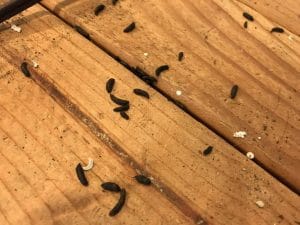
- Small dark droppings found in kitchens, cupboards, or along skirting boards
- Gnaw marks on food packaging, wood, pipes, or electrical cables
- Unusual pet behaviour focused on specific areas of the home
- Strong, unpleasant odours that linger in enclosed or hard-to-reach spaces
Unusual Noises Coming from Walls, Ceilings, and Loft Spaces

Scratching Sounds at Night
One of the earliest indicators of a rodent issue is scratching noises coming from inside walls or ceilings, especially during the night when the house is quiet. These sounds are often caused by mice or rats moving through cavities as they search for food and nesting areas. Homeowners in the UK frequently notice this activity in loft spaces where rodents feel safest and least disturbed.
Scurrying Movement Above the Ceiling
Light but rapid scurrying sounds above the ceiling can indicate rodents travelling along joists or insulation layers. This movement is typically more noticeable in the evening and early morning hours when rodents are most active. It is often mistaken for house settling, but consistent repetition is a strong warning sign of infestation.
Loud Thumping or Dropping Noises
Occasionally, homeowners may hear sudden thumping noises coming from lofts or cavity walls. These sounds can occur when larger rodents, such as rats, jump between surfaces or drop onto lower levels. Unlike minor household noise, this type of sound tends to be irregular but alarming when it happens.
Persistent Rustling in Insulation or Wall Cavities
A continuous rustling sound inside insulation materials is another key sign of rodent activity. Rodents often burrow into loft insulation to build nests and create hidden pathways. This noise may be subtle at first but becomes more noticeable as the infestation grows and movement increases.
Gnaw Marks on Food Packaging, Wood, and Electrical Wiring
Chewed Food Packaging in Kitchens and Pantries
One of the most common signs of rodent gnawing is damage to food packaging stored in cupboards or pantries. Rodents chew through cardboard, plastic, and even thin metal to access food sources. This type of damage is often discovered overnight, especially in areas where food is left unsealed.
Visible Damage to Wooden Structures and Furniture
Rodents regularly create gnaw marks on wooden surfaces such as skirting boards, furniture legs, and floor edges. This behaviour helps them keep their teeth sharp, which grow continuously throughout their lives. Repeated marking in the same area is a strong indicator of an active infestation.
Chewing on Electrical Cables and Wiring
Another serious warning sign is damaged electrical wiring, which occurs when rodents chew through cables hidden behind walls or appliances. This behaviour not only confirms their presence but also creates a significant fire risk. Any unexplained electrical issues should be checked alongside other rodent indicators.
Gnaw Marks Around Entry Points and Gaps
Rodents often widen access routes by creating entry point gnawing around small holes, pipework gaps, and wall cracks. These marks usually appear as rough, uneven edges where materials have been repeatedly chewed. Identifying these entry points is key to preventing further infestation.
Greasy Rub Marks Along Walls and Entry Routes
Dark Smear Marks Along Frequent Travel Paths
One of the less obvious signs of rodent activity is the presence of dark, greasy smear marks along walls and skirting boards. These marks are caused by oils and dirt from a rodent’s fur as they repeatedly follow the same routes. Over time, these pathways become clearly visible in heavily infested areas.
Rub Marks Near Narrow Gaps and Wall Openings
Rodents often squeeze through tight spaces, leaving rub marks around entry points such as holes, pipe gaps, and cracks in walls. These marks build up gradually as multiple rodents use the same access routes. Their presence usually indicates an established entry point into the property.
Oily Streaks in Loft Spaces and Basements
In lofts and basements, grease trails may appear along beams, pipes, and insulation edges where rodents travel frequently. These areas are ideal for movement because they are dark and undisturbed. The repeated contact leaves visible streaking that helps map their activity routes.
Clogged or Dirty Wall Edges From Repeated Use
Over time, rodent pathways can become visibly worn and dirty due to constant movement. Dust, grease, and debris accumulate along these routes, making them easier to identify during inspection. This is a strong indicator that rodents are actively using the same access points daily.
Droppings Found in Kitchens, Cupboards, and Hidden Corners
Small Dark Droppings in Food Storage Areas
The presence of rodent droppings in kitchen cupboards or near food packaging is one of the clearest early warning signs of an infestation. These droppings are typically small, dark, and pellet-shaped, often found close to food sources. Their appearance usually indicates that rodents are actively feeding inside the home.
Fresh Droppings Along Skirting Boards
Finding fresh droppings along skirting boards or wall edges suggests recent and ongoing rodent activity. Rodents tend to travel along walls to stay hidden, leaving traces as they move through rooms. Fresh droppings are usually darker and softer, indicating the infestation is active and not historical.
Accumulation in Hidden or Undisturbed Areas
Rodents often leave droppings accumulation in areas that are rarely cleaned or disturbed, such as behind appliances, under sinks, or inside storage boxes. These hidden spots provide safe pathways and nesting proximity, making them ideal for repeated activity. Regular inspection of these areas can help identify infestations early.
Droppings Near Entry Points and Wall Gaps
Another common sign is rodent droppings found near suspected entry points such as gaps in walls, pipework, or floorboards. This indicates rodents are entering and exiting the property regularly. These patterns help identify the routes they are using to access the home.

Frequently Asked Questions
Nests Made from Shredded Paper, Fabric, and Insulation Materials
Shredded Materials Found in Hidden Corners
One of the clearest signs of rodent nesting is the discovery of shredded paper, fabric, or cardboard gathered in concealed areas. Rodents collect soft materials to build warm and secure nests, often choosing quiet, undisturbed locations such as behind appliances or inside storage spaces.
Loft Insulation Disturbance and Burrowed Areas
In loft spaces, damaged insulation is a strong indicator that rodents are actively nesting. They tunnel through insulation to create sheltered chambers for breeding and resting. This activity often leaves visible patches of disturbed or flattened material across large areas.
Nests Behind Appliances and Kitchen Units
Rodents frequently build hidden nests behind large kitchen appliances such as fridges, ovens, and washing machines. These areas provide warmth, protection, and easy access to food sources. Signs often include scattered debris and compacted nesting materials.
Reused Nesting Sites With Strong Odours
Established rodent nests can produce strong, unpleasant smells due to urine, droppings, and long-term habitation. These odours become more noticeable over time, especially in enclosed spaces. A persistent smell in one location is often a sign of an active nesting site nearby.
Strange Pet Behaviour Around Certain Areas of the Home
Dogs or Cats Fixating on Walls and Floors
Unusual pet behaviour can be an early warning sign of rodent activity inside the home. Dogs and cats may repeatedly stare, paw, or scratch at walls, floors, or fixed furniture where rodents are hiding. Their heightened hearing and sense of smell allow them to detect movement long before humans notice anything.
Persistent Barking or Meowing at Night
In many UK homes, sudden night-time pet agitation can indicate rodents becoming active after dark. Pets may bark, whine, or meow at specific areas where they hear scratching or movement. This behaviour is often consistent and linked to the same location within the property.
Sniffing and Investigating Hidden Spaces
Pets may show increased sniffing behaviour around cupboards, skirting boards, or appliances if rodents are present. This is usually triggered by scent trails or nesting odours that humans cannot easily detect. Repeated focus on one area should not be ignored.
Agitation or Refusal to Enter Certain Rooms
Some pets may display avoidance behaviour, refusing to enter or stay in rooms where rodent activity is present. This reaction is often linked to both smell and sound disturbances that make the area feel unfamiliar or uncomfortable. It can be one of the earliest behavioural indicators of infestation.
Early detection of rodent activity is essential for protecting your home from damage, contamination, and rapid infestation growth. Many of the first signs are subtle, such as faint noises, small droppings, or changes in pet behaviour, but they should never be ignored. Acting quickly at the first indication can prevent a minor issue from turning into a serious pest problem.
If you suspect any of these warning signs in your property, professional inspection and treatment are the most effective way to confirm and resolve the issue safely. Rodents reproduce quickly and can cause extensive structural and health risks if left untreated.
Get Professional Rodent Control Help
For fast and reliable rodent control in London, Panther Pest Control provides expert inspections, targeted treatments, and long-term prevention solutions. Our team identifies the source of the infestation and ensures your property is fully protected against future activity.
Contact us today to arrange a professional assessment and take the first step toward a rodent-free home.

Al Joel is a practical writer and long-term property maintenance specialist who focuses on real-world pest control, home safety, and prevention advice. His blog posts are written in a clear, no-nonsense style, based on hands-on experience rather than theory. Al’s goal is simple: to help homeowners make safe, informed decisions and know when DIY is reasonable and when professional help is the smarter option.