Pest Control · LONDON
Pigeon Nests on Balcony or Roof
Al JoelAl Joel is a practical writer and long-term property maintenance specialist focused on real-world pest control, home safety and prevention advice. His guides translate common warning signs into clear next steps for homeowners, tenants, landlords and property…
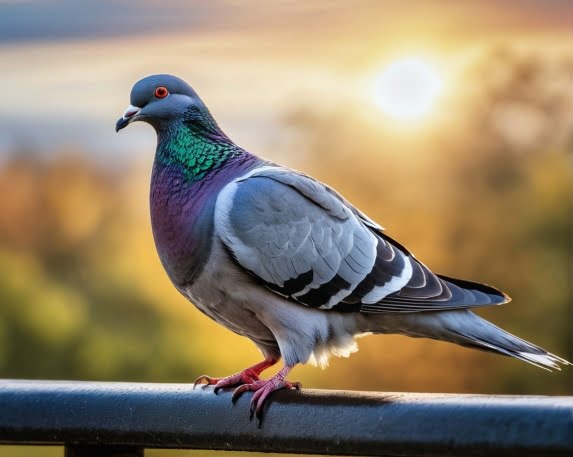
Pigeon Nests on Balcony or Roof: How to Protect Your UK Home
Pigeons may seem harmless, but a pigeon nest on a balcony or roof can quickly become a serious problem for UK homeowners. From pigeons on solar panels to nests causing structural damage, the impact of these birds is often underestimated. While general bird control exists, targeted measures are needed to deal with nesting pigeons effectively.
Key risks include:
-
Damage to roofs and gutters from nesting materials
-
Reduced efficiency or damage to solar panels due to droppings and scratches
-
Hygiene issues, as pigeon droppings can carry bacteria and fungi
Understanding how to identify, remove, and prevent pigeon nests is essential to protect your property and avoid costly repairs.
Why Pigeons Nest on UK Homes
Pigeons are attracted to rooftops, balconies, and solar panels because they provide:
-
Elevated, safe nesting sites away from predators
-
Flat or ledged surfaces suitable for building nests
-
Access to food from nearby gardens, bins, or balconies
Once pigeons establish a nest, they often return year after year, causing repeated problems for homeowners.
Quick Overview: Pigeon Nest Problems
| Problem | Signs to Watch For | Potential Damage | Urgency |
|---|---|---|---|
| Pigeon nest on balcony | Droppings, feathers, visible nest | Blocked drainage, property damage | 🔴 High |
| Pigeons on solar panels | Scratches, droppings, reduced efficiency | Damage to solar panels and wiring | 🟠 Medium–High |
| Bird nest on roof | Noise, visible nests under eaves or tiles | Roof structure damage, blocked gutters | 🔴 High |
Signs You Have a Pigeon Nest
You may notice:
-
Droppings on balconies, ledges, or roofs
-
Feathers or nesting material around solar panels or guttering
-
Noise from birds, especially in the early morning
-
Blocked drains or gutters caused by nesting material
Even a small nest can cause structural issues over time, making early detection crucial.
Risks of Pigeon Nesting
Pigeons may seem harmless, but their nests can cause:
-
Blocked gutters and drains, leading to water damage
-
Damage to solar panels from scratches or accumulated droppings
-
Roof structure damage, especially to tiles or fascia boards
-
Hygiene issues, as pigeon droppings can carry bacteria and fungi
Ignoring these risks may lead to costly repairs and safety hazards.
DIY Methods to Remove Pigeon Nests
Some homeowners attempt to remove pigeon nests themselves. Common methods include:
-
Physical removal of nests – often requires ladders and protective equipment
-
Installing spikes or netting to deter pigeons from landing
-
Using reflective objects or scare devices to discourage birds
-
Sealing access points – blocking eaves, vents, or ledges
While these methods can help temporarily, pigeons are persistent. Professional solutions are often more effective and safer.
Professional Pigeon Nest Removal
Professional pigeon control offers targeted solutions:
-
Safe nest removal without harming birds (UK law protects nesting pigeons in certain seasons)
-
Installation of deterrents such as spikes, netting, or wires
-
Long-term prevention advice to stop pigeons returning year after year
Companies like Panther Pest Control specialise in pigeon nest removal UK, ensuring nests are safely removed, property is protected, and pigeons are discouraged from returning.
Preventing Pigeons from Returning
Once nests are removed, prevention is key:
-
Install spikes, netting, or wires on roof ledges and balconies
-
Cover solar panels or use anti-roosting devices
-
Remove food sources like bird feeders, accessible bins, or balcony scraps
-
Regular inspection of roofs, gutters, and balconies to spot early signs
Consistent prevention can save homeowners from repeated damage and costly repairs.
Why Early Action Matters
Waiting to address a pigeon nest can lead to:
-
Extensive damage to gutters, roofs, and solar panels
-
Hygiene issues from droppings, feathers, and bacteria
-
Pigeons returning season after season, making removal harder
Professional intervention not only removes existing nests but also prevents future problems, giving homeowners peace of mind.
Final Thoughts
Pigeon nests on balconies or roofs are more than a nuisance — they can damage property, solar panels, and gutters while creating hygiene risks. From visible nests to pigeons on solar panels, early detection and removal are crucial.
If you notice signs of pigeon nesting, Panther Pest Control can:
-
Safely remove nests and debris
-
Install long-term deterrents to prevent pigeons returning
-
Inspect your property for hidden access points or damage
Don’t wait until pigeons cause costly damage — targeted action now protects your home and property.

Al Joel is a practical writer and long-term property maintenance specialist focused on real-world pest control, home safety and prevention advice. His guides translate common warning signs into clear next steps for homeowners, tenants, landlords and property managers.
His approach begins with correct identification. A sighting in one room may originate from a neighbouring flat, service riser, drainage, roof space, delivery or communal waste area. Al explains how to preserve useful evidence, reduce food and water sources, avoid spreading activity and choose proportionate treatment.
What readers can expect
- Clear identification clues and practical inspection steps
- Safe preparation, cleaning and aftercare guidance
- Prevention advice for homes, flats and commercial premises
- Honest guidance on when DIY is reasonable and when professional help is the smarter option
When professional help makes sense
Repeated sightings, activity in several rooms, uncertain identification, vulnerable occupants or signs involving food, electrics and shared building routes deserve a professional inspection. A lasting solution normally combines targeted treatment with proofing, hygiene and follow-up monitoring.
Explore the Pest Library, learn how treatment works, or request property-specific advice.