Pest Control · LONDON
How to Prepare Your Home for Pest Control Treatment
Al JoelAl Joel is a practical writer and long-term property maintenance specialist focused on real-world pest control, home safety and prevention advice. His guides translate common warning signs into clear next steps for homeowners, tenants, landlords and property…
How to Prepare Your Home for Pest Control Treatment
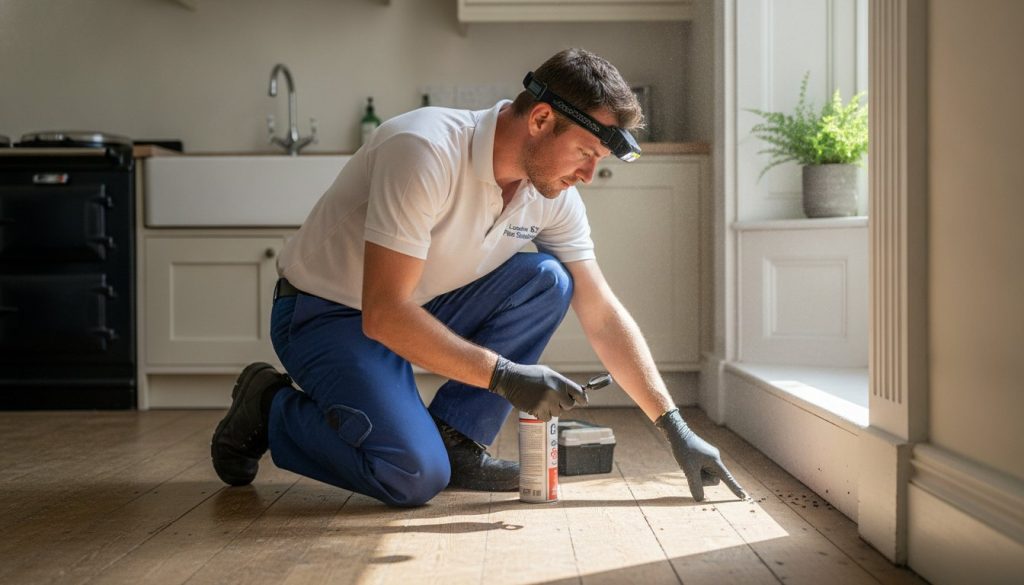
Preparing your home properly before a pest control visit makes a clear difference to how effective the treatment will be. While technicians handle the treatment itself, the condition of the property can impact how well the solution works and how long the results last.
In most cases, preparation is straightforward and focuses on cleaning, access, and reducing obstacles so the treatment can be applied accurately. It also helps ensure the process is safe for everyone in the household, including children and pets.
This guide explains the key steps to take before a pest control visit, what to expect, and how to get the best possible outcome from the treatment.
- How to prepare each area of your home
- What to move, clean, or secure beforehand
- Safety considerations for pets and family
- How preparation affects treatment results
If you’re booking a pest control service, taking a bit of time to prepare ensures the treatment is more effective, more targeted, and less likely to require repeat visits.
Preparing properly makes treatment more effective
Preparing your home before a pest control treatment is an important step that many homeowners overlook. A well-prepared space allows the technician to identify problem areas quickly and apply treatment where it’s needed most.
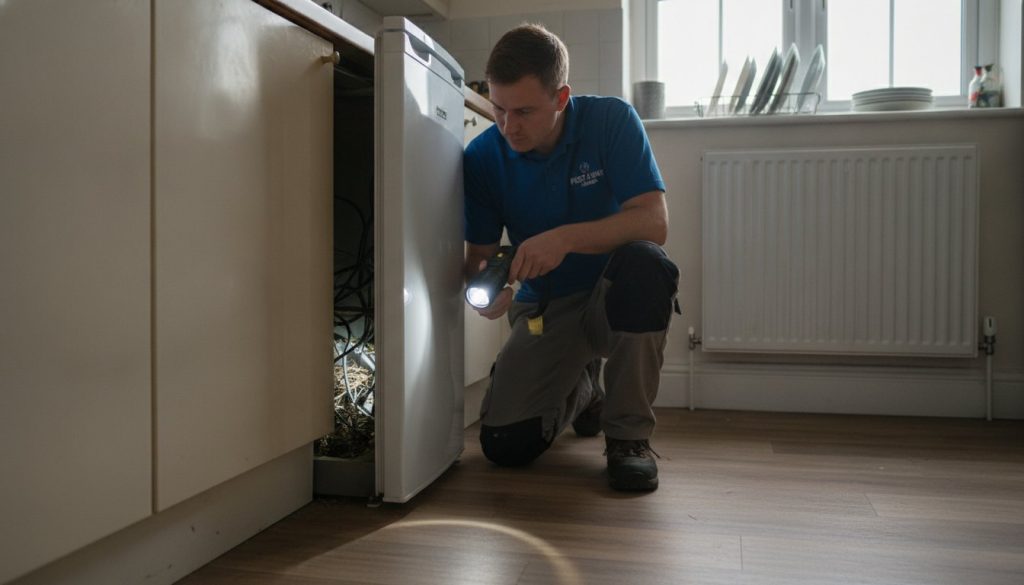
The first step is to create clear access to key areas. Pests often hide behind appliances, inside cupboards, and along skirting boards. Moving items away from walls, clearing under sinks, and making space around kitchen units helps expose these hidden zones. This allows proper inspection and accurate placement of treatments such as bait stations or targeted sprays.
Cleaning is equally important. Wiping down surfaces, vacuuming floors, and removing crumbs reduces alternative food sources. If pests still have easy access to food, they are less likely to interact with treatments. Sealing food in airtight containers and emptying bins before the visit helps direct pests toward treated areas.
Pets and personal items should also be managed. Pet bowls, bedding, and toys should be removed from treatment zones, and pets kept away during the process. This ensures safety and prevents contamination.
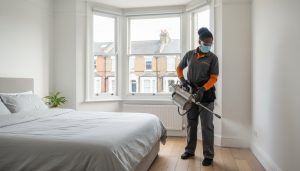
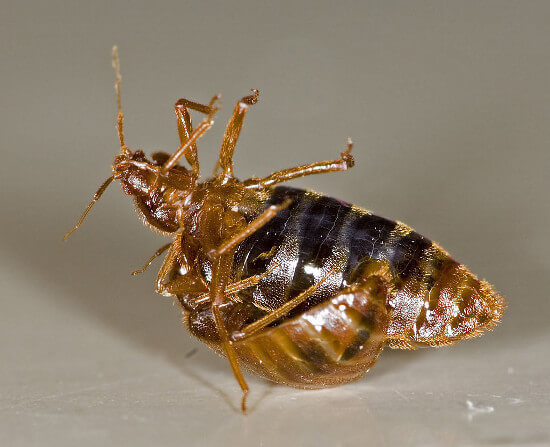
In some cases, additional preparation is needed depending on the infestation. For example, bed bug treatments may require washing bedding at high temperatures and clearing space around beds and furniture.
It’s also important to allow full access for inspection. Areas like lofts, utility cupboards, and entry points around pipes or vents should be reachable. Identifying where pests are entering is a key part of long-term control.
Preparation doesn’t end after the visit. Following aftercare advice—such as avoiding cleaning treated areas too soon—helps ensure the treatment remains effective.
Taking these steps improves results and helps resolve pest problems more efficiently.
Small steps that improve long-term results
Why preparation matters
Pest control isn’t just about applying products. It involves locating activity, accessing hidden areas, and targeting the source of the infestation.
If rooms are cluttered, surfaces are blocked, or access points are hidden, it becomes harder to:
- Identify nesting areas
- Apply treatments accurately
- Monitor activity effectively
Proper preparation allows technicians to work efficiently and increases the chances of resolving the problem in fewer visits.
Clear access to key areas
One of the first steps is making sure all critical areas are accessible. Pests tend to hide in places that are warm, dark, and undisturbed.
Focus on clearing:
- Under kitchen sinks
- Behind appliances like fridges and ovens
- Around skirting boards
- Inside cupboards and storage areas
- Loft spaces or basements if accessible
You don’t need to empty your entire home, but creating space in high-risk areas allows for proper inspection and treatment.
Clean surfaces and remove food sources
Before treatment, it’s important to reduce anything that may attract pests or interfere with the process.
Simple steps include:
- Wiping down kitchen worktops
- Vacuuming floors and corners
- Removing crumbs and food residue
- Storing food in sealed containers
- Emptying bins and taking rubbish out
This helps ensure pests are drawn to treatment areas such as bait stations rather than alternative food sources.
Secure pets and personal items
If you have pets, they should be kept safely away during treatment and for any advised period afterwards.
It’s also recommended to:
- Remove pet bowls, toys, and bedding
- Cover or store aquariums
- Put away children’s toys from treatment areas
This ensures safety and prevents contamination of everyday items.
Prepare bedding and soft furnishings if needed
For certain infestations, such as bed bugs, additional preparation may be required.
This can include:
- Washing bedding, curtains, and clothing at high temperatures
- Vacuuming mattresses and upholstered furniture
- Clearing items from around beds and sofas
These steps help reduce pest activity and improve the effectiveness of treatment.
Allow access for inspection
A key part of pest control is identifying where pests are entering and nesting. This often involves checking areas that are not used regularly.
Make sure technicians can access:
- Boiler cupboards
- Utility areas
- Loft hatches
- External entry points such as vents or drains
The more thorough the inspection, the more targeted the treatment will be.
Understand what happens during treatment
A typical pest control visit usually includes:
- Inspecting the property to confirm pest activity
- Identifying entry points and nesting areas
- Applying treatment methods such as sprays, bait stations, or traps
- Advising on next steps and prevention
Depending on the infestation, follow-up visits may be required to monitor progress and ensure the problem is fully resolved.
Follow aftercare instructions carefully
Preparation doesn’t end once treatment is complete. Aftercare is just as important for long-term results.
You may be advised to:
- Avoid cleaning treated areas for a certain period
- Keep windows open for ventilation
- Monitor pest activity
- Report any ongoing signs
Following these instructions helps ensure the treatment remains effective.
Common mistakes to avoid
Some preparation mistakes can reduce the effectiveness of pest control. These include:
- Cleaning immediately after treatment
- Blocking access to key areas
- Leaving food sources available
- Not following safety instructions
Being aware of these issues helps prevent delays in resolving the infestation.
How preparation supports long-term prevention
Preparing your home isn’t just about one treatment — it also helps reduce the risk of future infestations.
Simple habits like maintaining cleanliness, sealing gaps, and managing waste properly can make your home less attractive to pests over time.
Final thoughts
Knowing how to prepare your home for pest control treatment makes the process smoother, faster, and more effective. Clear access, proper cleaning, and following professional advice all play a role in achieving long-lasting results.
Taking a little time to prepare beforehand can significantly improve the outcome and help ensure your home stays pest-free moving forward.
Request a free quote
Contact us today to request your free, no-obligation quote and take the first step toward a pest-free environment.

Al Joel is a practical writer and long-term property maintenance specialist focused on real-world pest control, home safety and prevention advice. His guides translate common warning signs into clear next steps for homeowners, tenants, landlords and property managers.
His approach begins with correct identification. A sighting in one room may originate from a neighbouring flat, service riser, drainage, roof space, delivery or communal waste area. Al explains how to preserve useful evidence, reduce food and water sources, avoid spreading activity and choose proportionate treatment.
What readers can expect
- Clear identification clues and practical inspection steps
- Safe preparation, cleaning and aftercare guidance
- Prevention advice for homes, flats and commercial premises
- Honest guidance on when DIY is reasonable and when professional help is the smarter option
When professional help makes sense
Repeated sightings, activity in several rooms, uncertain identification, vulnerable occupants or signs involving food, electrics and shared building routes deserve a professional inspection. A lasting solution normally combines targeted treatment with proofing, hygiene and follow-up monitoring.
Explore the Pest Library, learn how treatment works, or request property-specific advice.