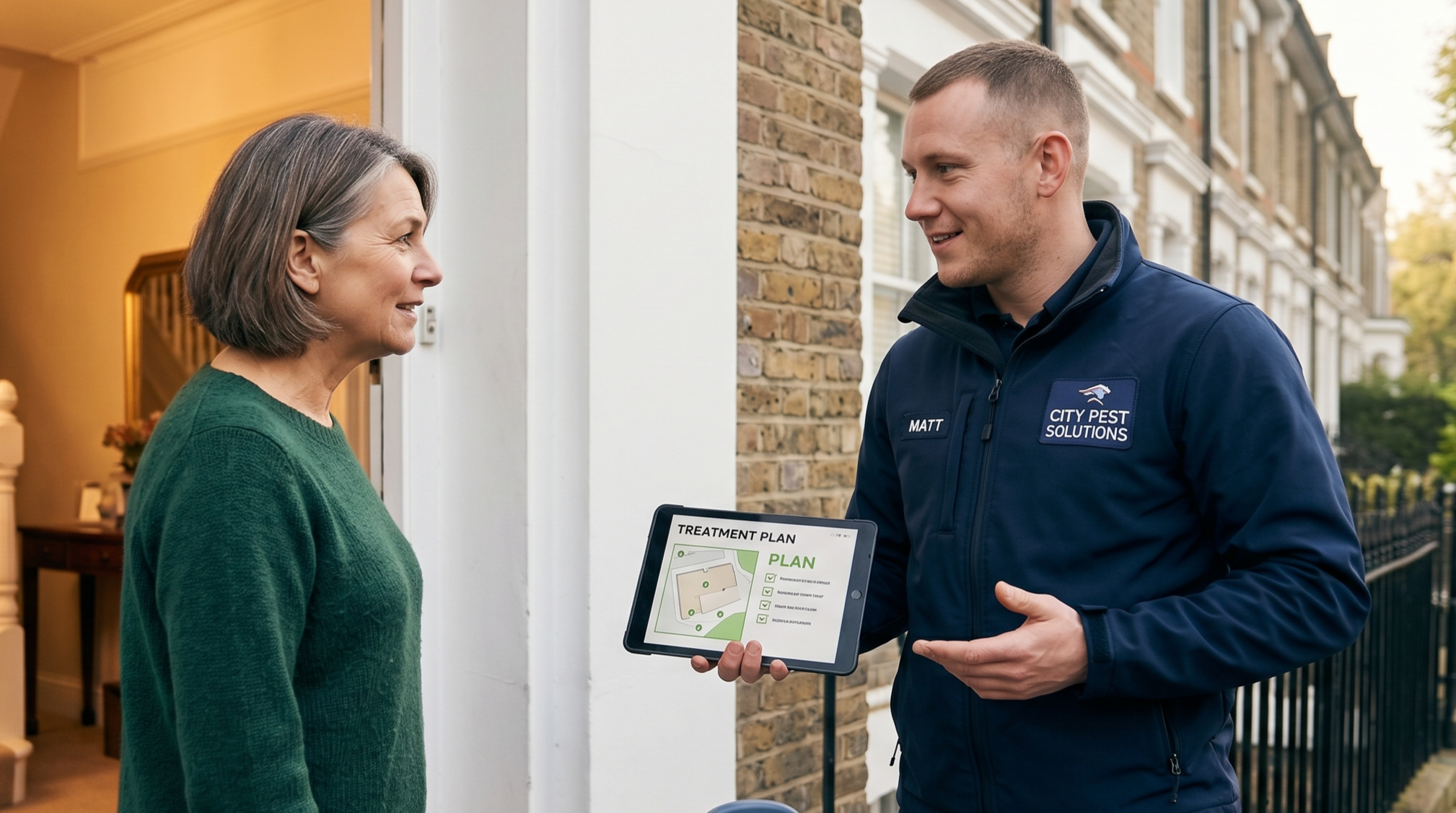
A young family living in a Victorian terrace on Honor Oak Road noticed dozens of wasps buzzing inside their conservatory every afternoon. Within days, the insects had pushed through a small crack in the soffit board and entered their toddler’s bedroom. The mother was stung while changing curtains, and her husband discovered a football‑sized nest in the loft above the nursery. They called us at 8 PM, desperate to reclaim their home before a birthday party that weekend.
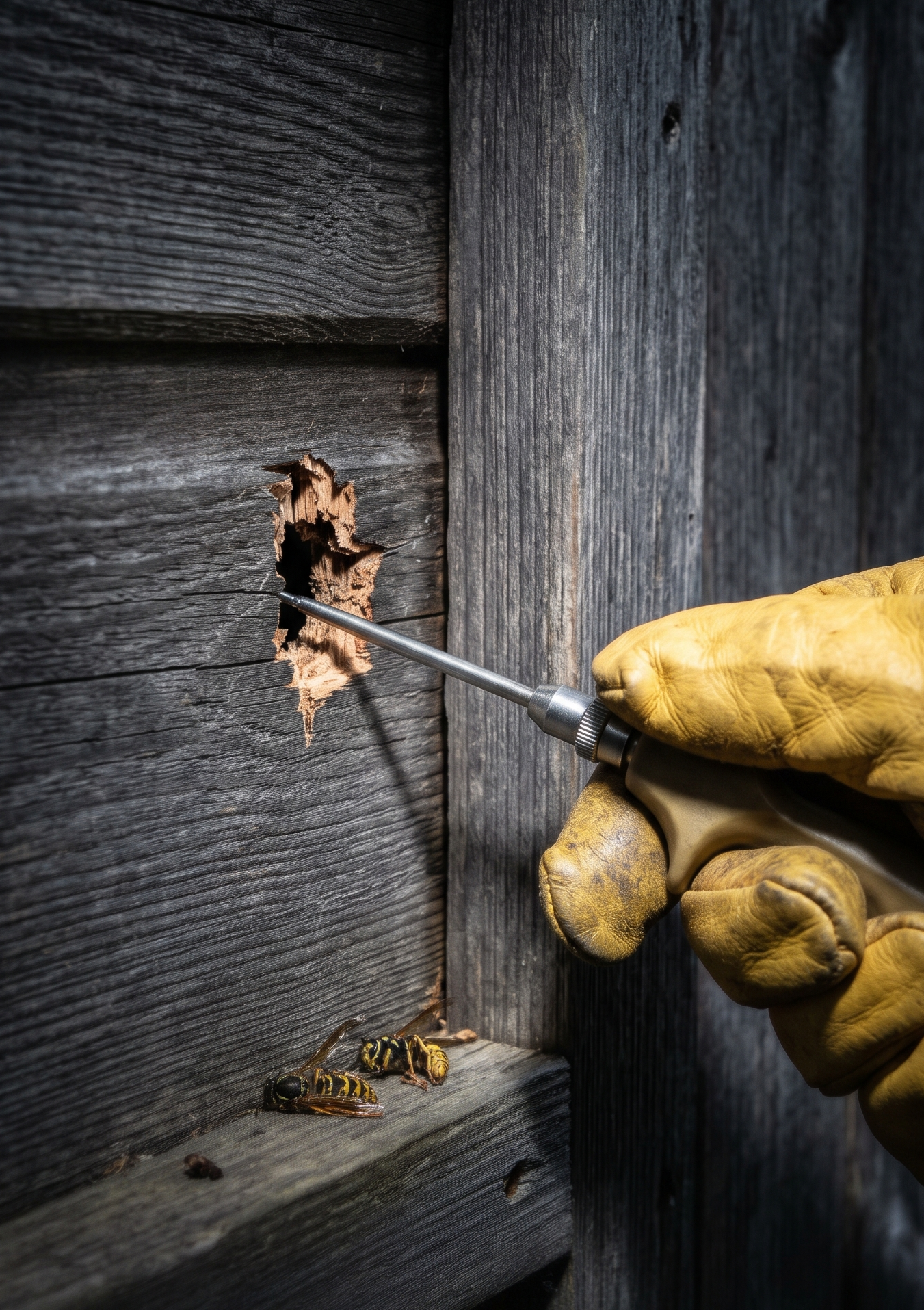
We arrived next morning with thermal imaging and a borescope, confirming the main wasp nest held over 2,000 workers. However, our inspection also found hundreds of dead wasp carcasses littering the loft insulation, which had attracted carpet beetle larvae and stored product moths. The family had unknowingly been living with hidden insect debris that triggered allergies and contaminated their stored Christmas decorations. We designed a two‑phase strategy: first eliminate the active wasp colony, then fog the entire loft and adjacent rooms to sanitise the area.
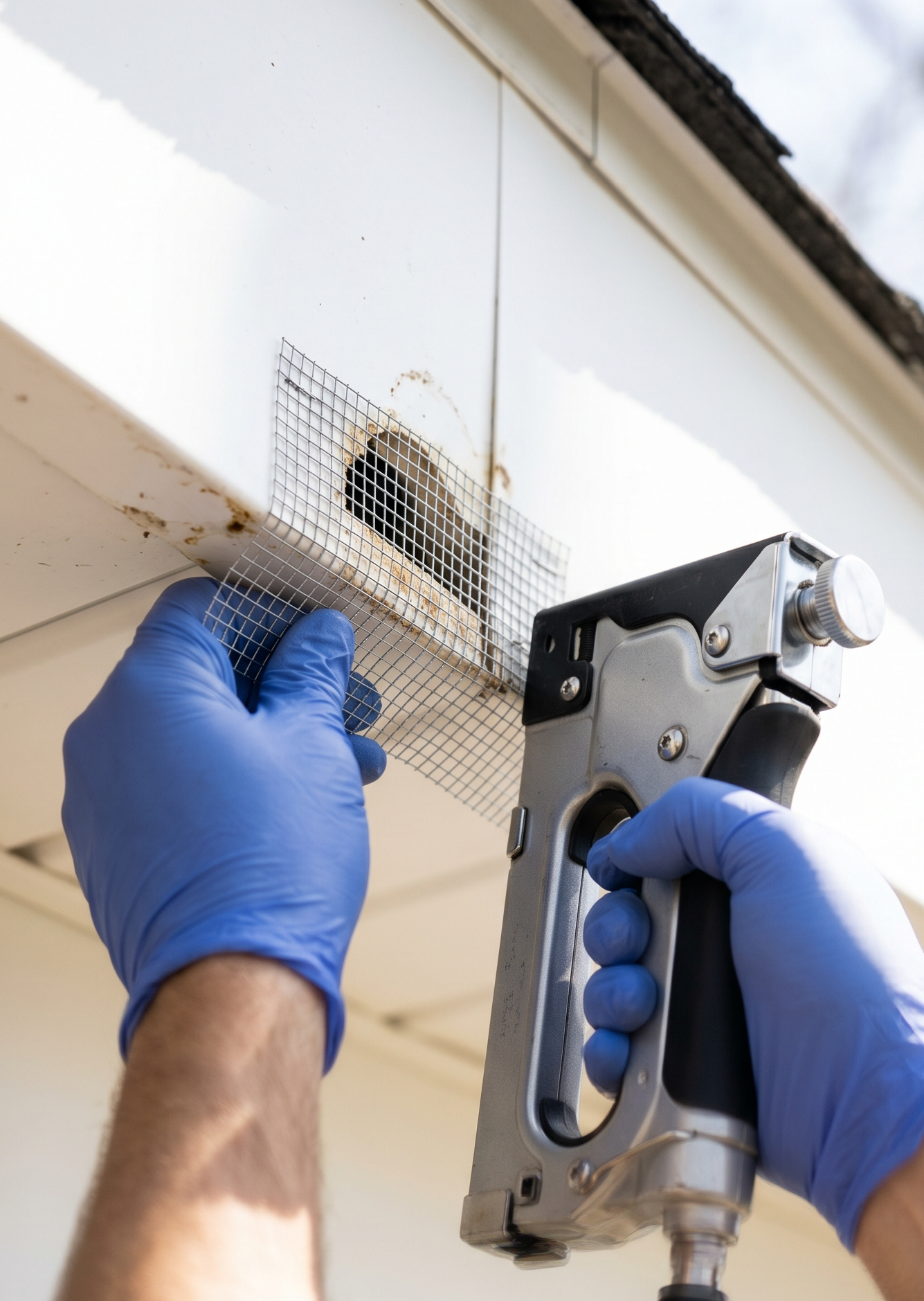
We suited up and accessed the loft via a ceiling hatch, applying insecticidal dust directly into the nest entrance from a safe distance. Within 20 minutes, wasp activity dropped by 90%, and we removed the destroyed nest using a sealed disposal bag. We then sealed the soffit gap with wire mesh and outdoor silicone to prevent re‑entry. This targeted wasp colony elimination allowed the family to safely use their garden again without fear of stings. We also placed monitoring traps near the chimney stack to catch any scouts returning from nearby gardens.
Because dead wasps, shed skins, and beetle larvae were scattered across the loft’s fibre insulation, we recommended a whole‑loft ULV fogging treatment. After the family removed pets and food, we sealed the loft hatch and ran a water‑based insecticidal fog for 45 minutes. The mist penetrated every roll of insulation, rafter gap, and stored cardboard box, killing carpet beetle larvae on contact. This integrated wasp and residual fogging also left a six‑week protective layer against future moth or beetle invasions. We ventilated the loft for two hours, leaving no odour or wet residue behind.
The family returned to a quiet, insect‑free loft and a conservatory with zero wasp activity – even during afternoon tea. Two weeks later, we performed a follow‑up inspection and found no live wasps, no beetle larvae, and no new moth damage to their woollen blankets. The mother wrote, “Panther turned our house back into a home in under 24 hours.” This Crofton Park success proves that combining emergency wasp destruction with professional fogging delivers complete peace of mind. We now keep a dedicated fogging unit in SE4 for similar multi‑pest cases.




 020 3404 5177