Urgent Call From a Distressed Ladywell Homeowner
A concerned resident living near Ladywell Fields contacted our team early in the morning regarding loud scratching and buzzing sounds coming from their loft space. The distressing noise was keeping the family awake at night and causing significant anxiety about potential structural damage. They also noticed a few large, aggressive insects entering their upstairs bathroom window, which pointed toward a severe infestation. Our local customer support team responded immediately to arrange an emergency response visit to the property.
Comprehensive Attic Evaluation and Action Plan
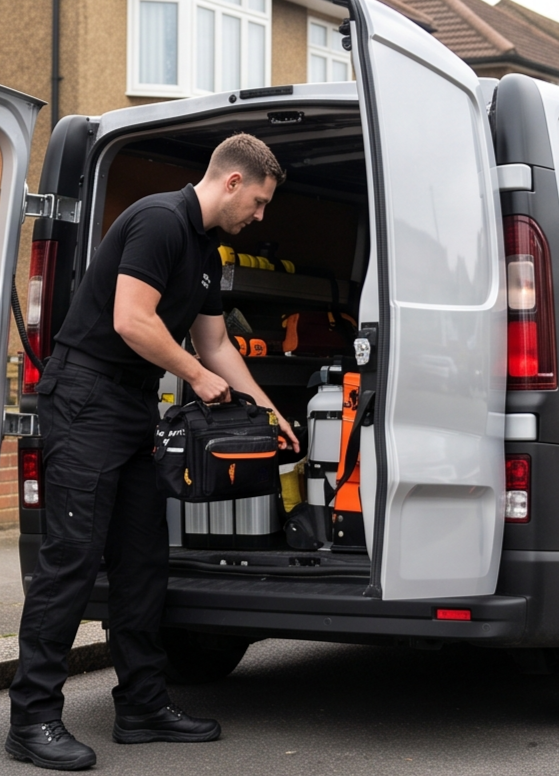
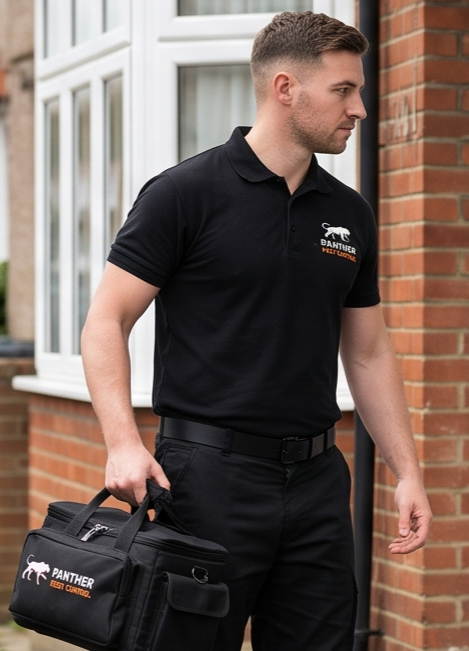
Our experienced technicians arrived promptly at the Ladywell residence equipped with specialized protective gear and thermal imaging cameras. We meticulously examined the loft space, crawl areas, and roofline seams to identify exactly what was causing the disturbance. The detailed survey revealed a massive, highly active European hornet colony built directly behind the attic insulation layer. We immediately formulated a customized extraction and treatment strategy to safely eradicate the immediate threat without damaging the property.
Swift Implementation of Emergency Pest Control
We initiated the emergency treatment by deploying professional knock-down dust treatments directly into the primary active zones. Our team focused heavily on containing the swarming insects to prevent them from breaking through the drywall into the main living spaces. We monitored the nesting site closely over the next hour to ensure the entire population was completely neutralized. Once the immediate danger passed, our technicians carefully extracted the large physical structure from the ceiling framework.
Integrating Detailed Nest Inspection for Long-Term Prevention
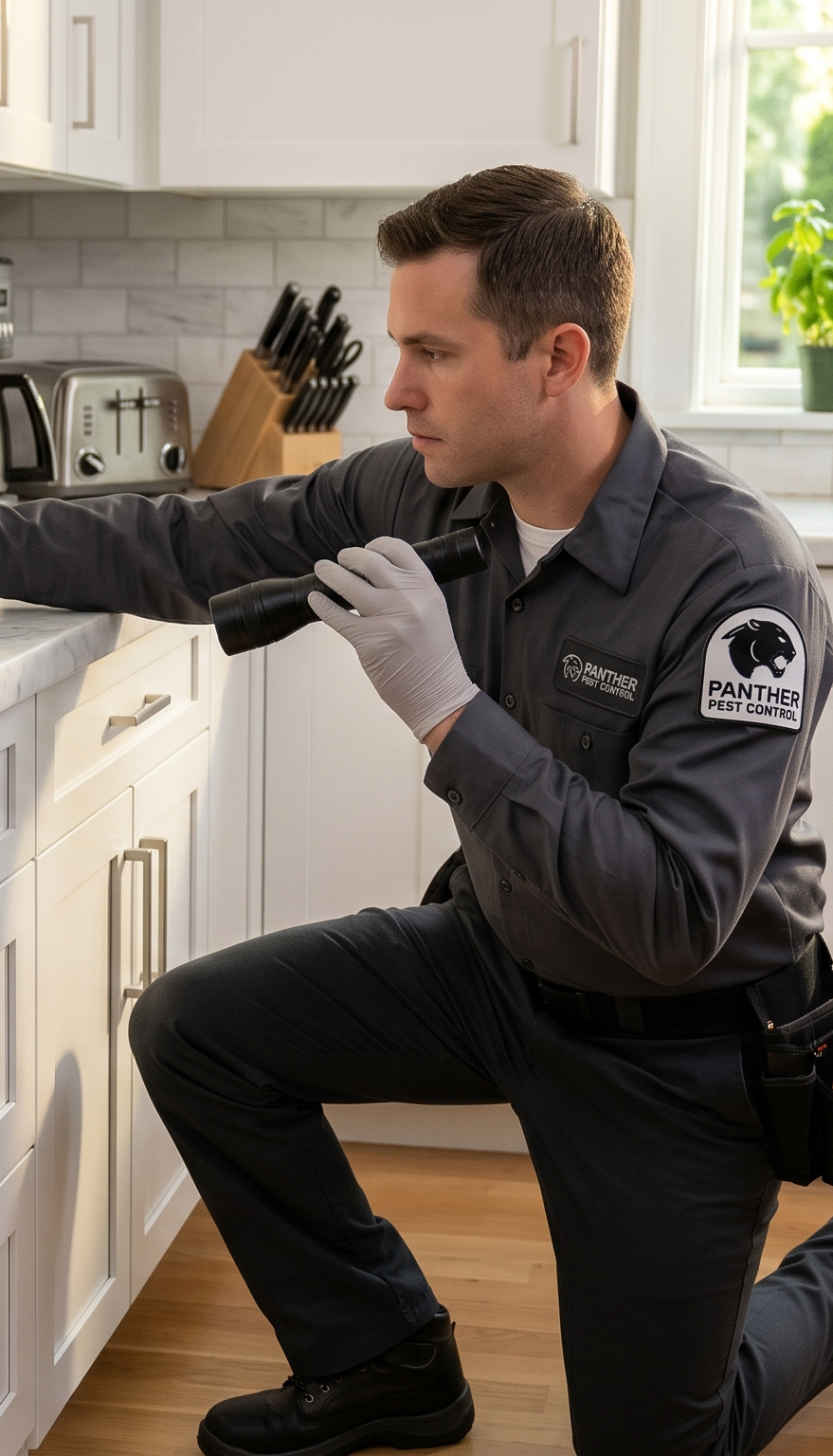
Following the successful removal of the active colony, we performed a thorough supplementary nest inspection across the entire Ladywell property. This comprehensive evaluation involved checking surrounding drainage entry points, soffits, and outbuildings for any older secondary or abandoned structures. We discovered a couple of small, developing wasp configurations near the eaves that could have turned into future problems. By treating these hidden vulnerabilities early, we ensured the home was protected against seasonal pest cycles.
Successful Resolution and Complete Customer Relief
The intensive intervention completely cleared the Ladywell home of all dangerous flying insect activity. The family expressed immense relief knowing their loft was safe, fully sanitized, and securely protected against future intrusion. Our technicians sealed the tiny structural cracks along the roofline using durable, weather-resistant materials to ensure no new queens could enter next spring. The homeowners were extremely grateful for our rapid, professional service and the long-term peace of mind provided.





 020 3404 5177