Pest Control · LONDON
Drain Flies and Sewer Flies in UK Homes
Al JoelAl Joel is a practical writer and long-term property maintenance specialist focused on real-world pest control, home safety and prevention advice. His guides translate common warning signs into clear next steps for homeowners, tenants, landlords and property…
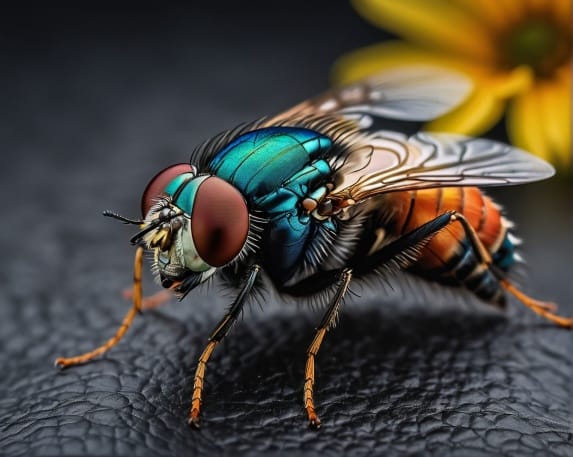
Drain Flies and Sewer Flies in UK Homes: How to Identify and Get Rid of Them
If you’ve noticed small flies in your bathroom UK home or flies coming from drains, you’re not alone. Drain flies — also known as sewer flies — are a common problem in UK households, especially in kitchens and bathrooms.
While they may seem harmless at first, a drain fly infestation can indicate underlying hygiene or plumbing issues that need attention. Key points to be aware of include:
-
Kitchens and bathrooms are the most common areas affected.
-
Hidden breeding sites in drains or pipes allow colonies to multiply quickly.
-
Overlooked infestations often become larger and more difficult to control.
Understanding how to identify, treat, and prevent drain flies is essential to keeping your home clean, safe, and fly-free.
What Are Drain Flies?
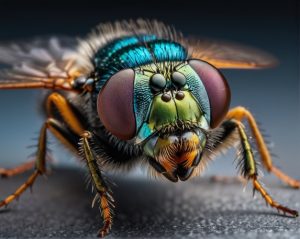
Drain flies are tiny, fuzzy insects, usually about 2–5 mm in length. They thrive in damp environments and breed in organic matter inside drains. Unlike house flies, they rarely travel far from their breeding site, which means that if you see them in your bathroom, the source is likely nearby.
Common signs include:
-
Small, fuzzy flies resting on bathroom walls or near sinks.
-
Adult flies emerging from shower drains, sinks, or toilets.
-
Musty odours near drains or sewer lines.
Although drain flies don’t bite, their presence indicates unsanitary conditions that could lead to bacteria accumulation and unpleasant smells.
Quick Overview: Drain Fly Infestation
| Symptom | What it Means | Urgency | Notes |
|---|---|---|---|
| Small flies in bathroom UK | Adult flies resting on walls or around sinks | 🟠 Medium | Often emerge at night or in dim lighting |
| Flies coming from drain | Indicates breeding inside pipes | 🔴 High | Requires treatment of the source, not just adult flies |
| Drain fly infestation | Large numbers of flies throughout bathroom or kitchen | 🔴 High | Signals a well-established colony |
Why Drain Flies Appear in UK Homes
Drain flies are attracted to:
-
Organic matter — accumulated grease, hair, and food particles in drains.
-
Standing water — sinks, shower trays, or poorly draining pipes.
-
Damp environments — bathrooms, kitchens, and basements.
Spring and summer often see spikes in searches like “small flies in bathroom UK” due to warmer conditions encouraging faster breeding.
How to Identify a Drain Fly Infestation
Drain fly infestations can be recognised by a combination of visual and environmental cues:
-
Adult flies near drains – often seen resting on walls or flying short distances.
-
Flies coming from drain – emerging in large numbers indicates a colony inside the pipe.
-
Gnat-like behaviour – slow, hovering flight patterns near sinks and drains.
-
Slime or biofilm in drains – visible coating inside pipes provides food for larvae.
Even if you see only a few flies, the infestation may be well established in hidden areas, and DIY measures alone might not be enough.
DIY Methods for Drain Fly Control
Some homeowners attempt to control drain flies themselves. Common strategies include:
-
Cleaning drains thoroughly – remove hair, grease, and organic build-up.
-
Boiling water – pouring boiling water down drains can kill larvae.
-
Enzyme-based drain cleaners – break down organic matter to disrupt breeding.
-
Covering drains – prevent adult flies from escaping into the home.
-
Regular maintenance – avoid standing water and ensure proper drainage.
While these methods can reduce visible flies, they rarely eradicate the entire colony, especially if breeding occurs deep in pipes or under floors.
When to Call a Professional
Professional pest control is often the most effective solution for drain fly infestations. Experts can:
-
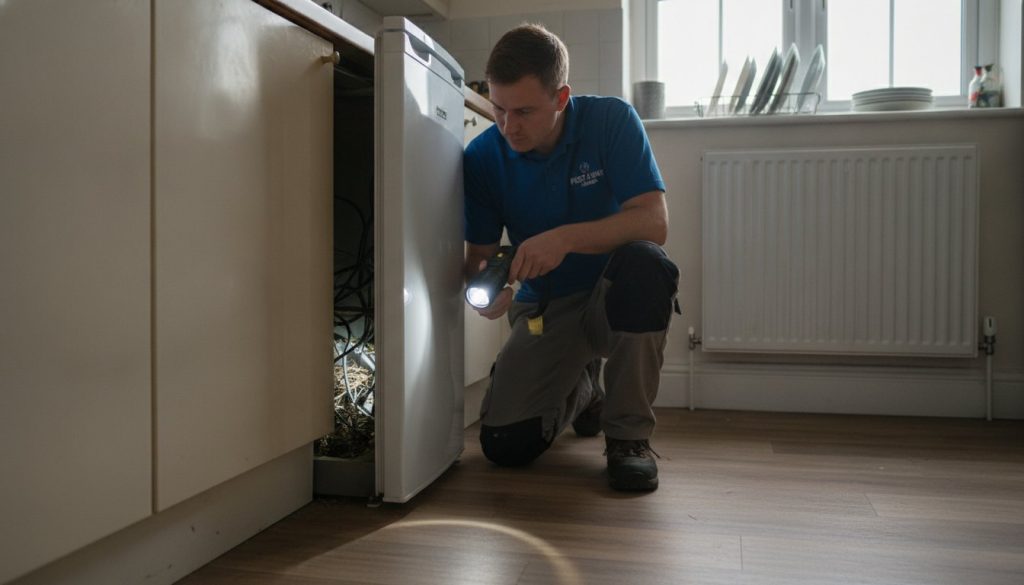
Identify the source of the infestation, including hidden pipes or drain connections.
-
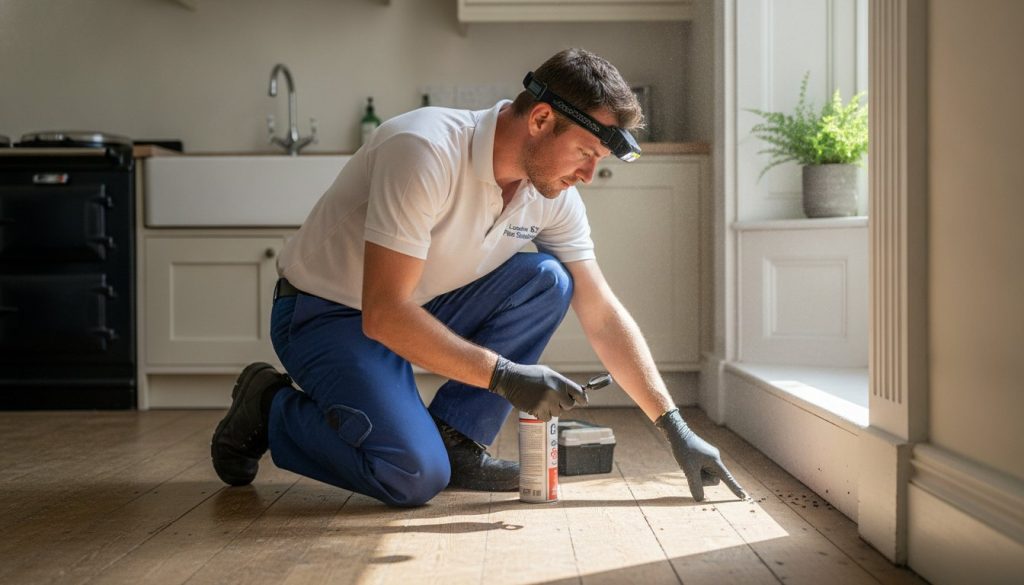
Apply safe, targeted treatments to kill larvae and adults.
-
Provide advice on long-term prevention to avoid recurring infestations.
Companies like Panther Pest Control specialise in treating drain fly problems in UK homes, ensuring complete removal and peace of mind.
Prevention Tips for UK Homes
Once your drains are clean, preventing future infestations is key:
-
Keep drains clear – regularly remove hair, food, and grease.
-
Use enzyme cleaners monthly – maintain clean pipes and prevent biofilm.
-
Ensure proper drainage – fix leaks and avoid stagnant water.
-
Ventilate damp areas – reduce humidity in bathrooms and kitchens.
-
Seal unused drains – prevent flies from using them as breeding sites.
Regular inspection and maintenance are the best ways to keep drain flies at bay.
Health and Hygiene Concerns
While drain flies do not bite or transmit diseases directly, a drain fly infestation can be a sign of poor sanitation in your home. Their breeding grounds may harbour bacteria or mould, which could impact overall hygiene.
Ignoring an infestation can lead to:
-
Increased fly populations throughout your home
-
Musty odours and unpleasant smells
-
Possible contamination of kitchen surfaces
Professional treatment ensures that both the flies and their breeding sources are eliminated, improving hygiene and comfort.
Signs You Need Immediate Action
You should contact pest control experts if you notice:
-
Large numbers of flies emerging from drains
-
Persistent flies despite DIY cleaning
-
Flies spreading to multiple rooms
-
Biofilm or sludge buildup in pipes
Prompt intervention can prevent the infestation from worsening and stop the flies from reappearing.
Final Thoughts
A drain fly infestation in UK homes is common but often underestimated. From small flies in bathroom UK properties to flies coming from drains, early detection is crucial.
If you notice any warning signs, contacting professionals like Panther Pest Control can:
-
Locate hidden breeding sites
-
Remove adult flies and larvae safely
-
Advise on prevention to keep your home fly-free
Don’t wait until the infestation spreads — fast action saves time, money, and ensures a hygienic home.
Call to Action
Seeing drain flies or sewer flies in your home UK? Contact Panther Pest Control today for professional inspection, treatment, and prevention. Protect your home before a small problem becomes a major infestation.

Al Joel is a practical writer and long-term property maintenance specialist focused on real-world pest control, home safety and prevention advice. His guides translate common warning signs into clear next steps for homeowners, tenants, landlords and property managers.
His approach begins with correct identification. A sighting in one room may originate from a neighbouring flat, service riser, drainage, roof space, delivery or communal waste area. Al explains how to preserve useful evidence, reduce food and water sources, avoid spreading activity and choose proportionate treatment.
What readers can expect
- Clear identification clues and practical inspection steps
- Safe preparation, cleaning and aftercare guidance
- Prevention advice for homes, flats and commercial premises
- Honest guidance on when DIY is reasonable and when professional help is the smarter option
When professional help makes sense
Repeated sightings, activity in several rooms, uncertain identification, vulnerable occupants or signs involving food, electrics and shared building routes deserve a professional inspection. A lasting solution normally combines targeted treatment with proofing, hygiene and follow-up monitoring.
Explore the Pest Library, learn how treatment works, or request property-specific advice.