a flat above a busy food premises
Inspection considers shared risers between commercial and residential floors.

LOCAL COVERAGE · LONDON RESPONSE
From unexpected rodent noise to insect activity, properties in Tooting need a response based on evidence. We provide local inspection, targeted control and straightforward follow-up guidance.
PEST CONTROL IN TOOTING
THE SERVICE, EXPLAINED
In SW17 mixed-use terraces, insects emerging from a warm pipe box can reflect a shared riser, but each occupancy needs its own evidence before treatment expands.
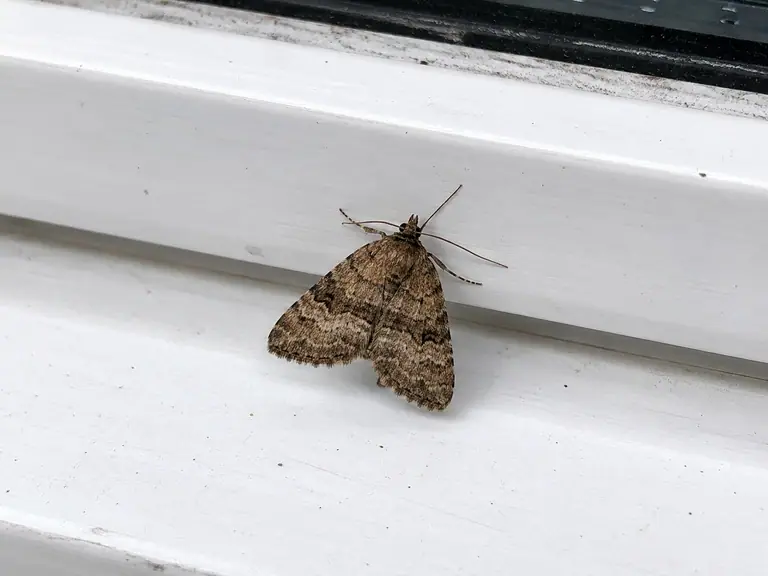
Tooting combines active markets, restaurants, hospitals, managed accommodation and dense terraced housing. In a flat above a food premises, night-time insects near warm pipe boxing may be cockroaches moving through services or a harbourage inside the home. Identification matters because beetles and other small insects can look similar. A specimen, clear photograph, spotting, cast skins, egg cases or monitor capture establishes the basis for a proportionate response.
The residential inspection checks kitchen appliances, sink units, pipe sleeves, cupboard hinges and the inside of accessible boxing. Timing and room distribution are recorded. With permission, the commercial ceiling line, warm equipment and aligned services are compared. Waste or food below does not prove origin, and one insect upstairs does not prove a breeding population there. Evidence on both sides of the floor determines whether the route is shared.
Treatment can include targeted gel, protected monitoring and dust in suitable voids. Placements remain away from food-contact and normal resident contact. The household receives specific cleaning and storage guidance, while the food operator follows a separate hygiene and equipment-access plan. Landlord involvement may be needed to open a riser or repair condensation. Broad spraying across the flat can scatter cockroaches and obscure the monitor pattern.
When booking cockroach control in Tooting, retain a specimen safely if possible, note sighting times and arrange contact with the landlord or commercial occupier. Explain children, pets and access constraints. Same-day attendance may be available, though coordinated inspection can be more valuable than treating one side immediately. Follow-up compares captures, fresh spotting and repairs to decide whether the programme remains local or extends through the building.
COMMON LOCAL SCENARIOS
Inspection considers shared risers between commercial and residential floors.
Access, storage and connected spaces are checked.
night-time insects emerging near a warm pipe box
The response is planned around SW17 access and building use.
FROM FIRST SIGN TO CONTROL PLAN
An SW17 tenant captures a small cockroach beside the kitchen pipe box after midnight. The restaurant below has no open complaint but agrees to an inspection after its closing clean.
The tenant seals the specimen, photographs the boxing and avoids aerosol spray. Cupboards remain accessible, and children are kept away from the area. The landlord arranges the riser key and introduces the resident to the restaurant manager. Below, staff leave the aligned equipment plinth removable and supply recent pest-monitor records rather than assuming the report cannot involve them.
Identification confirms German cockroach. In the flat, one cast skin and light spotting appear inside the warm pipe box, but appliances are clear. Below, fresh spotting is found behind a heated holding unit aligned with the riser; a small condensation leak dampens the service edge. The pattern supports concentrated commercial harbourage with limited upward movement, not established activity throughout the home.
Targeted gel and monitors are placed behind the commercial equipment, inside protected riser access and at the residential pipe-box edge. The leak is repaired and kitchen staff receive placement-aware cleaning guidance. The tenant uses comparison monitors and focused food storage without broad room treatment. The landlord keeps the riser accessible and delays sealing until the connected population is controlled.
Follow-up shows declining captures below, one early riser contact and none in the flat after treatment begins. Once all points remain clear, the service annulus is proofed and monitors stay briefly on both levels. This Tooting case shows how cooperative inspection protects the resident and food business: the active harbourage is addressed at source while the home receives only the measured intervention supported by evidence.
PANTHER CONTROL MATRIX
Select the closest match. The panel shows the first practical response — without making you identify the pest perfectly.
PANTHER RAPID RESPONSE
Call the London team. Describe what you have noticed and where it is happening.
NEARBY COVERAGE
DIRECT ANSWERS
They can use shared warm services, but inspection on both levels should confirm the route and scope.
Not necessarily. Access can often be arranged after service around food-safety and equipment requirements.
It confirms the species, but distribution evidence determines whether local monitoring or wider treatment is appropriate.
After control confirms that activity has stopped, preventing insects from being dispersed into another route.
LOCAL PRICE GUIDE
The same Panther starting prices apply across our London coverage, with the final cost based on the work required.
| Service | Price from | Typical basis | Notes |
|---|---|---|---|
| Ant and cockroach control | From £184 | Treatment plan | Species, spread and follow-up requirements affect cost. |
| Silverfish treatment | From £184 | Treatment plan | Moisture conditions and affected rooms are assessed. |
| Spider control | From £184 | Treatment plan | Coverage and access determine the final scope. |
| Flea and moth control | From £184 | Treatment plan | Preparation, coverage and follow-up needs affect the quote. |
| Pest inspection | From £62 | Inspection visit | Property type and access may affect scope. |
Property size, infestation spread, access, treatment method and the visits required can change the final price.
View all pest control prices or call 020 3404 5177 for the appropriate scope.