All Pest Control · LONDON
Where Do Rats Hide – 10 Most Common Hiding Spots For Rats And How To Seal Them
Al JoelAl Joel is a practical writer and long-term property maintenance specialist who focuses on real-world pest control, home safety, and prevention advice. His blog posts are written in a clear, no-nonsense style, based on hands-on experience rather…
Where Do Rats Hide
Rats are smart, persistent, and very good at staying out of sight. Most people don’t realise they have a rat problem until the signs become impossible to ignore — noises at night, droppings, damage, or a strong smell. By then, the rats have usually been there for a while.
The truth is, any property can get rats. What matters is how quickly you act once they appear. Rats only enter homes for two reasons: shelter and food. If they find both, they stay — and multiply fast.
Below are the 10 most common places where rats hide, what attracts them there, and what you can do to seal those areas properly.
Rats in the Attic
Attics are warm, quiet, and rarely disturbed, which makes them ideal for rats. They can climb walls, pipes, and drainpipes and squeeze through small gaps near the roofline. Once inside, they shred insulation, cardboard, and stored items to build nests. Droppings, greasy marks, and chewed materials are common signs. To deal with rats in the attic, seal all entry points with metal mesh and expanding foam, remove clutter, and never store pet food or bird seed there.
Rats Inside the Walls
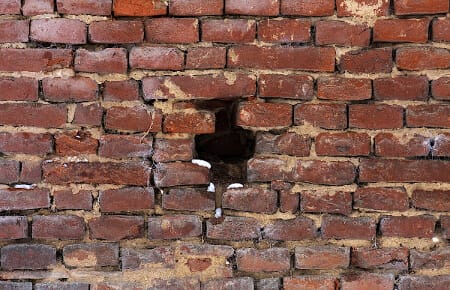
Scratching or scurrying sounds inside walls, especially at night, almost always indicate rats. This is one of the most dangerous hiding spots because rats chew electrical wiring, which can cause fires. When sealing wall gaps, always leave one controlled exit leading outside. Trapping rats inside walls forces them to chew new holes or die inside, creating bigger problems.
Rats in the Garden
Gardens provide rats with food, cover, and nesting areas. Compost heaps, fallen fruit, rubbish, pet waste, and dense vegetation all attract them. Burrow holes in the soil are often the first sign. Keeping the garden tidy, securing bins, removing debris, and avoiding food waste outdoors makes the area far less appealing. Larger garden infestations often need professional treatment to be resolved safely.
Rats in the Loft
Lofts offer open space and shelter under the roof. Rats leave footprints and tail marks in dusty areas, along with droppings. Because they breed quickly, a small loft infestation can grow rapidly. Use traps designed specifically for rats, not mice, and act quickly before numbers increase further.
Rats in Basements
Basements are dark, damp, and often used for food storage, making them very attractive to rats. Entry points are usually at ground level through cracks, drains, or damaged pipes. Check all pipework and walls for damage, reduce moisture levels, and then use traps or bait stations where appropriate.
Rats in Drains and Sewers
Rats are strong swimmers and can squeeze through openings as small as 3.8 cm. This allows them to travel through sewer systems and even enter homes through toilets. Installing drain guards, solid grates, and one-way anti-rodent valves is essential. Roof vents should also be protected with metal mesh to prevent access.
Rats in the Garage
Garages are commonly invaded through the small gap under the garage door. Once inside, rats chew wiring, tyres, insulation, and stored items. Fitting a garage door brush strip is one of the simplest and most effective prevention measures. Keeping the garage tidy and sealing wall gaps also helps.
Rats in the Kitchen
Rats are scavengers, and kitchens provide exactly what they’re looking for. Entry points are often behind cookers or where pipes enter through walls. Seal gaps with metal plates, clean thoroughly, and store all food in sealed containers. Even small crumbs can keep rats coming back.
Rats in Offices
Office buildings offer warmth, food waste, and little disturbance at night. Rats often hide in walls, ceilings, and ventilation systems. Beyond hygiene concerns, they pose fire risks and can damage IT infrastructure. In office environments, discreet professional treatment is usually the safest and fastest solution. Panther Pest Control regularly handles office infestations with minimal disruption to staff.
Rats in Sheds
Sheds are easy targets if not maintained. Rats chew through wood, plastic, and thin metal to reach food or nesting materials. Seal holes with metal and foam, remove clutter, never store food inside, and leave traps as a precaution once the infestation is cleared.
How to Lure a Rat Out of Hiding
Catching a rat is often better than poisoning it, as it avoids dead rodents hidden in walls or floors. Effective bait options include chocolate, peanut butter, dog food, meat, corn, rice, or fruit. Just as important is removing hiding places by sealing cracks, reducing moisture, storing food in metal containers, and keeping waste secured.
If rats refuse to leave or numbers increase, calling professionals is the safest option. Panther Pest Control can inspect the property, identify nesting areas, and apply targeted rat control methods.
Disinfection After a Rat Infestation
Rats leave behind bacteria, urine, and droppings wherever they hide. Once they’re gone, thorough cleaning and disinfection are essential to restore a safe living or working environment.
Keep Your Property Safe with Professional Rat Control
Knowing where rats hide is only half the battle. Experienced technicians know how to locate nests, seal entry points, and eliminate infestations properly. If you suspect rats or want peace of mind, a professional inspection from Panther Pest Control is always a smart first step.
Gallery

Find More:
- Pest Control in Rented Property: Landlord or Tenant Responsibility in the UK?
- Signs of Woodworm in UK Homes: Identification, Treatment and Prevention
- How to Get Rid of a Wasp Nest Safely: UK and London Expert Guide
- Rats in the Garden UK: How to Remove Them Safely and Stop Them Returning
- How to Get Rid of Bed Bugs in the UK: A Professional London Guide

Al Joel is a practical writer and long-term property maintenance specialist who focuses on real-world pest control, home safety, and prevention advice. His blog posts are written in a clear, no-nonsense style, based on hands-on experience rather than theory. Al’s goal is simple: to help homeowners make safe, informed decisions and know when DIY is reasonable and when professional help is the smarter option.