Pest Control · LONDON
Wasp Nest In Loft – Identification, Removal, Treatment
Al JoelAl Joel is a practical writer and long-term property maintenance specialist who focuses on real-world pest control, home safety, and prevention advice. His blog posts are written in a clear, no-nonsense style, based on hands-on experience rather…
Wasp Nest in Loft – Identification, Removal, Treatment
A wasp nest in the loft is a common issue in UK properties, particularly during the warmer months. Lofts provide warm, sheltered, and undisturbed spaces, making them ideal for wasps to build nests and expand their activity.
In many cases, the problem goes unnoticed at first. You may hear buzzing sounds, notice increased wasp activity around the roofline, or see wasps entering through small gaps near tiles, vents, or eaves. By the time the nest is fully active, there can be significant movement within the loft space.
This guide explains how to identify a wasp nest in your loft, what risks are involved, and how removal and treatment are typically handled.
- Signs of a wasp nest in the loft
- Where nests are usually located
- Risks associated with active nests
- How removal and treatment work
If you suspect a wasp nest in your loft, understanding the situation early helps you take the right steps and avoid unnecessary risk or disruption.
A fully developed wasp nest can contain several thousand wasps, making it potentially dangerous to approach without proper preparation. Attempting removal without experience or protection is strongly discouraged, especially once the nest has matured.
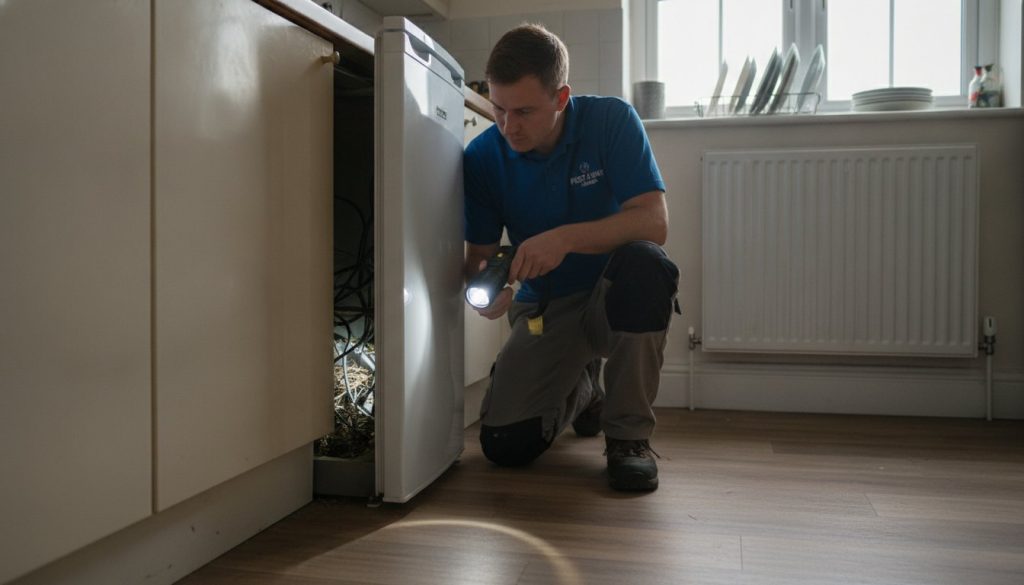
Another strong indicator is repeated wasp movement in and out of the same area. By calmly observing flight patterns, you can usually identify the nest entrance, which is the key point for any treatment if action becomes necessary.
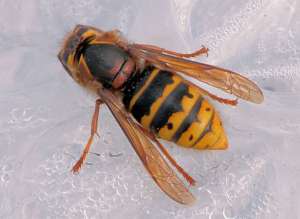
The appearance of a wasp nest depends on the species:
-
Hornet nests are usually round with a pointed bottom, around 30 cm high, with a smooth outer shell and a single large entrance.
-
Paper wasp nests are open, umbrella-shaped structures with visible hexagonal combs, often attached to beams or roof edges.
-
Common wasps may not have a visible nest at all, instead using small holes in roofs or walls, making detection more difficult.
In the early stages, a nest is often no larger than a tennis ball. At this point, removal is far easier and less risky. If ignored, the nest grows quickly, the wasp population increases, and safe removal becomes significantly more complex, often requiring professional wasp nest treatment.
How to Get Rid of a Wasp Nest in the Loft Safely
If you decide to deal with a wasp nest in the loft yourself, safety must be the priority. Even experienced individuals face risks when handling wasps incorrectly.
First, ensure you are not allergic to wasp stings. Undiagnosed allergies can lead to severe reactions, including life-threatening anaphylaxis.
Correct identification of the wasp species is also essential. Some species, such as yellowjackets and hornets, are far more aggressive and react violently when disturbed. Misidentifying the nest can lead to serious injury.
Wearing specialised protective clothing is non-negotiable. Multiple stings can be dangerous even for people without allergies. Ordinary clothing offers little protection against an agitated swarm.
Using a ladder is strongly discouraged. Once a nest is disturbed, wasps attack immediately. A person trapped on a ladder has no safe escape route, increasing the risk of falls and serious injury. In such situations, calling a professional pest control expert is the safest decision.
If insecticides or wasp powder are used, the area must be completely cleared. Children, pets, and unprotected adults should be kept away. Dead wasps should be removed promptly, as pesticide residue can affect other animals.
Timing also matters. Wasps are least active early in the morning or late in the evening, and overall activity is lower early in spring or late in autumn. Avoid bright white light at night, as it attracts wasps. Red or amber light is safer if visibility is needed.
If the process feels unsafe at any stage, stopping and seeking professional help is always the correct choice.
Wasp Nest in Loft Treatment Cost
The cost of wasp nest treatment in London is usually fixed when handled by a professional company. Any additional charges are discussed after inspection, meaning there are no hidden costs.
Be cautious of providers offering hourly pricing, as this can become expensive without guaranteeing effective results.
A fixed-price service ensures the nest is treated safely, efficiently, and in compliance with best practices.
How to Prevent a Wasp Nest in the Loft
Prevention is always easier than removal. Wasps rarely appear without reason. If you notice wasps repeatedly visiting the same spot, they are likely starting a nest.
Regular loft inspections are essential, especially in spring. Early nests are small and far easier to manage.
Food sources also play a major role. Sugary drinks, uncovered food, and poorly managed waste attract wasps. Keeping bins sealed and away from doors and windows reduces risk significantly.
Ensure doors, vents, and windows are properly sealed. Wasps can squeeze through surprisingly small gaps.
Some homeowners successfully deter wasps by imitating a nest, as wasps are territorial and avoid nesting near another colony.
Sealing building sides, removing unused awnings, and installing wasp traps early in the season can further reduce the likelihood of infestation. Traps should be positioned carefully to avoid harming bees.
Old Wasp Nest in the Loft
An old wasp nest is typically abandoned and will not be reused. New colonies build new nests each year. While old nests are harmless, some homeowners choose to remove them for peace of mind. If doing so, always place the nest in an opaque bag to avoid alarming others.
Wasp or Bee Nest in the Loft – How to Tell the Difference
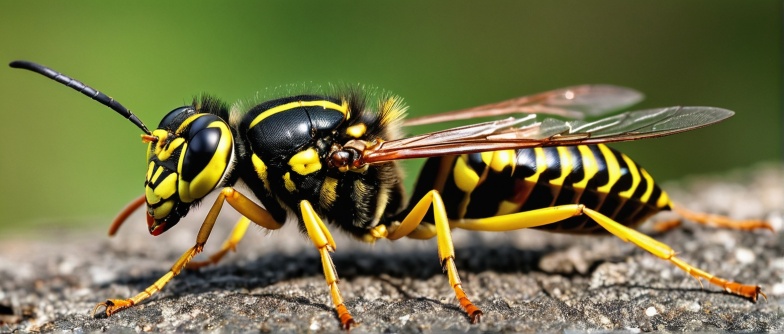
Mistaking a bee nest for a wasp nest is common. Bees are generally hairier, more brown in colour, and can sting only once. Wasps are smooth, sharply black and yellow, and can sting repeatedly.
If the nest contains wax-covered hexagonal combs, it is likely a beehive.
Bees Nest in the Loft – What to Do
Bees are vital pollinators and should not be exterminated unless there is a serious, immediate risk to human life. In most cases, a professional beekeeper should be contacted to relocate the hive safely.
Wasp Nest in the Loft – FAQs
How long does a wasp nest last?
A wasp nest lasts one season. Only the queen survives winter by hibernating elsewhere.
What happens after a nest is destroyed?
Wasps may return briefly, then disperse once they realise the nest is gone.
Does wasp powder work?
When applied correctly into entry points, wasp powder is effective, but protective equipment and planning are essential.
Need Professional Wasp Nest Treatment?
If you want the wasp nest in your loft treated safely and effectively, contact us today for expert advice and a clear, upfront quote.
- Pest Control in Rented Property: Landlord or Tenant Responsibility in the UK?
- Signs of Woodworm in UK Homes: Identification, Treatment and Prevention
- How to Get Rid of a Wasp Nest Safely: UK and London Expert Guide
- Rats in the Garden UK: How to Remove Them Safely and Stop Them Returning
- How to Get Rid of Bed Bugs in the UK: A Professional London Guide

Al Joel is a practical writer and long-term property maintenance specialist who focuses on real-world pest control, home safety, and prevention advice. His blog posts are written in a clear, no-nonsense style, based on hands-on experience rather than theory. Al’s goal is simple: to help homeowners make safe, informed decisions and know when DIY is reasonable and when professional help is the smarter option.