Pest Control · LONDON
Brown Spiders in the UK: Identification, Bites, and What to Do
Al JoelAl Joel is a practical writer and long-term property maintenance specialist who focuses on real-world pest control, home safety, and prevention advice. His blog posts are written in a clear, no-nonsense style, based on hands-on experience rather…
Brown Spiders in the UK: Identification, Bites, and What to Do
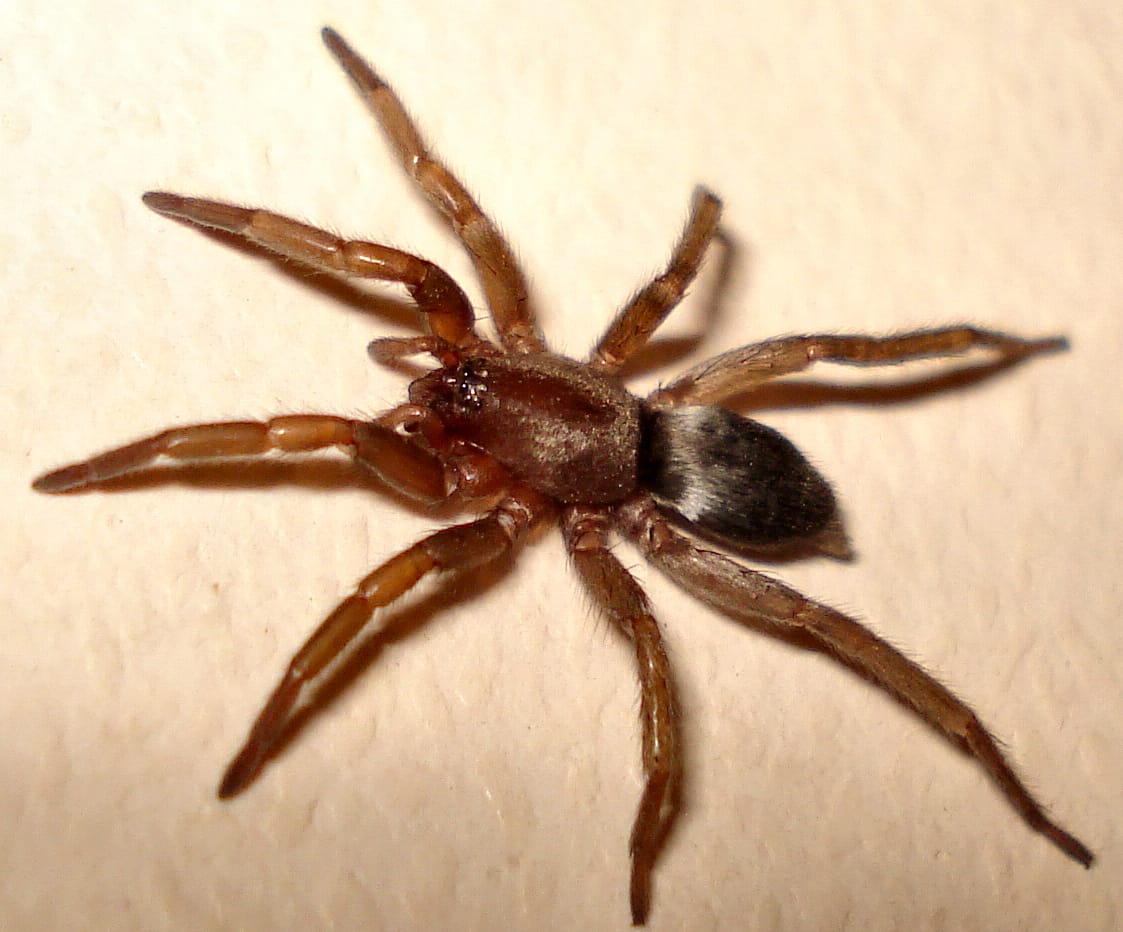
Brown spiders are among the most commonly seen spiders in UK homes, often appearing in corners, behind furniture, and along skirting boards. While their appearance can cause concern, most brown spider species found in the UK are harmless and not aggressive.
In some cases, however, people may worry about spider bites or increased activity indoors. Understanding how to identify these spiders and what level of risk they actually pose helps you respond calmly and appropriately.
This guide explains how to recognise common brown spiders in the UK, what to expect if a bite occurs, and what steps to take if you’re seeing them regularly in your home.
- Common types of brown spiders in the UK
- Where they are usually found indoors
- What spider bites look like
- When to take further action
By understanding their behaviour and appearance, you can separate normal sightings from situations that may require attention, avoiding unnecessary concern while still staying in control.
Brown Spiders
Brown Spiders in the UK: Identification, Bites, and What to Do
If you’ve spotted a brown spider in your home in the UK, you’re not alone. Brown spiders are among the most commonly reported household spiders, especially during late summer and autumn when they move indoors in search of warmth. While their appearance can be unsettling, most UK brown spiders are harmless and play an important role in controlling other pests.
This guide explains what brown spiders in the UK really are, how to identify them, whether they bite, and when you should consider professional pest control.
What Is a “Brown Spider” in the UK?
The term “brown spider” isn’t a single species. In the UK, people use it to describe several brown-coloured spiders that are commonly found indoors and around homes. These spiders vary in size, shape, and behaviour, but they share one thing in common: they are far more afraid of you than you are of them.
Most brown spiders seen indoors belong to house-dwelling species that have adapted to living close to humans for decades, even centuries.
Common Types of Brown Spiders Found in UK Homes

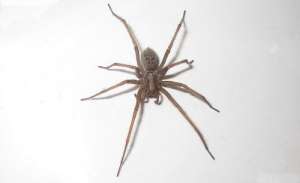
Giant House Spider
Often responsible for panic due to its size and speed, the giant house spider is brown, long-legged, and fast-moving. Despite its intimidating look, it is not dangerous and rarely bites.
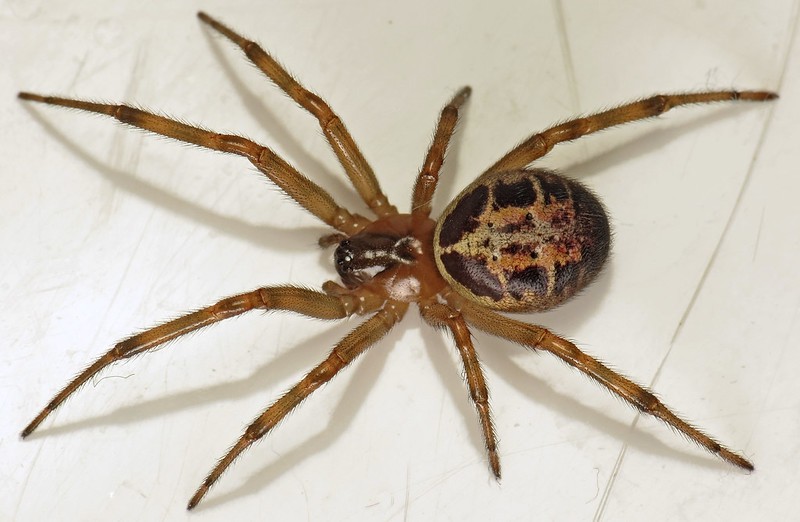
False Widow Spider
The false widow is brown to dark brown, with a bulbous body and pale markings. It has gained media attention, but serious bites are extremely rare. Most encounters cause no harm at all.
Mouse Spider
Less common but still found in parts of the UK, mouse spiders are dark brown, compact, and fuzzy. They prefer sheds, garages, and outdoor structures.
Lace Web Spider
These brown spiders are usually found near brickwork, window frames, and garden walls. They are defensive if provoked but not aggressive by nature.
Are Brown Spiders Dangerous?
In short: almost never.
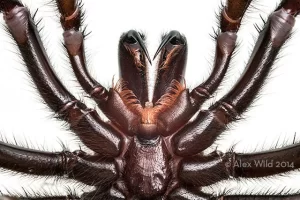
The vast majority of brown spiders in the UK are harmless. They do have venom, like almost all spiders, but it is designed to subdue insects—not humans. Their fangs are often too small or weak to break human skin.
Bites typically occur only when:
- A spider is trapped against skin
- It is handled or pressed
- Someone rolls onto it while sleeping
Even then, symptoms are usually mild.
Brown Spider Bite Symptoms
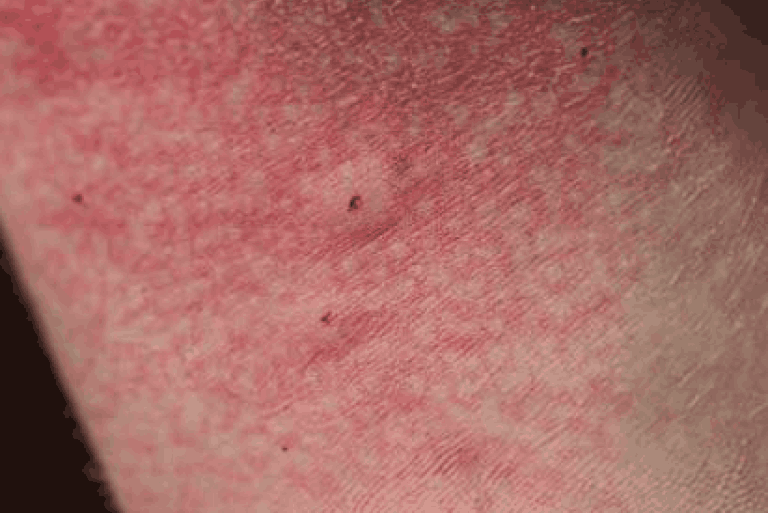

A brown spider bite may cause:
- Mild redness
- Slight swelling
- Localised itching or tenderness
- A small raised mark similar to a mosquito bite
Symptoms usually disappear within a few hours to a couple of days. Severe reactions are extremely uncommon. If pain worsens or signs of infection appear, medical advice should be sought—but this is rare.
Why Do Brown Spiders Come Indoors?
Brown spiders don’t enter homes to attack people. They come inside because homes offer:
- Warmth
- Shelter
- Food (other insects)
They are most commonly seen in:
- Late summer and autumn
- During temperature drops
- In quiet, undisturbed areas
Typical hiding places include:
- Corners of rooms
- Behind furniture
- Under beds
- Loft spaces
- Garages and sheds
Are Brown Spiders a Sign of Poor Hygiene?
No. This is a common myth.
Spiders are attracted to other insects, not dirt. Even very clean homes can have spiders if flies, ants, or other small insects are present. Seeing spiders does not mean your home is unclean.
Should You Kill Brown Spiders?
Spiders are beneficial predators that help control pests such as flies, mosquitoes, and moths. If possible, it’s better to remove them safely rather than kill them.
Simple options include:
- Catching and releasing outdoors
- Using natural deterrents
- Sealing entry points
However, repeated sightings or large numbers may indicate a wider pest issue.
How to Reduce Brown Spiders in Your Home
You can lower spider activity by:
- Sealing cracks and gaps around windows and doors
- Reducing insect populations (their food source)
- Keeping storage areas tidy
- Vacuuming corners, skirting boards, and behind furniture
- Reducing outdoor lighting near doors and windows
These steps help, but they don’t always eliminate the problem completely.
When Brown Spiders Become a Problem
While a single spider isn’t an issue, problems arise when:
- Spiders appear frequently
- You find multiple spiders in different rooms
- Webs are constantly reappearing
- There is fear, stress, or disruption at home
In these cases, professional pest control is the most effective and long-term solution.
Professional Spider Control: Why It Works
The specialists at Panther Pest Control understand that spider problems are rarely just about spiders. Effective control focuses on:
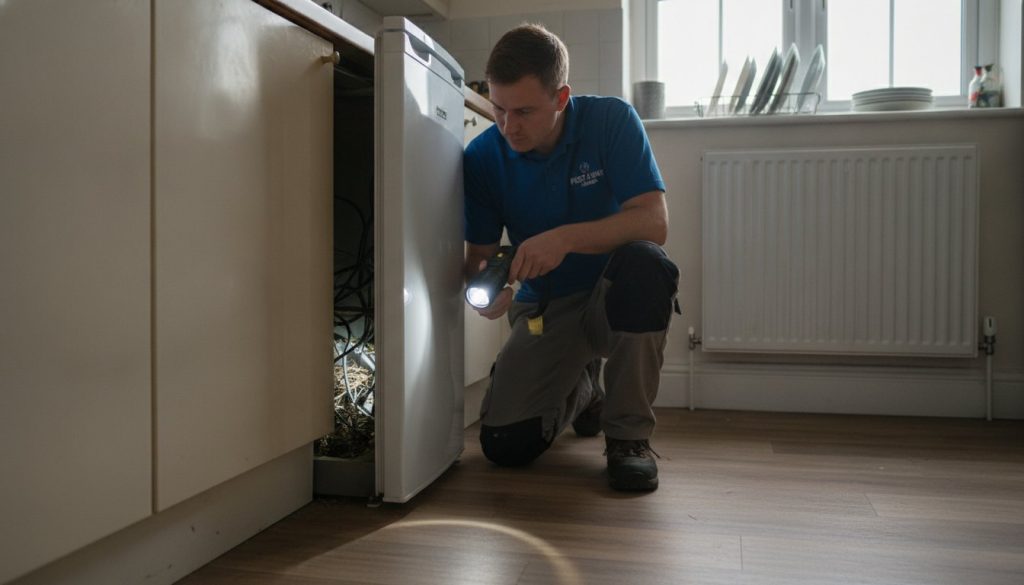
- Identifying entry points
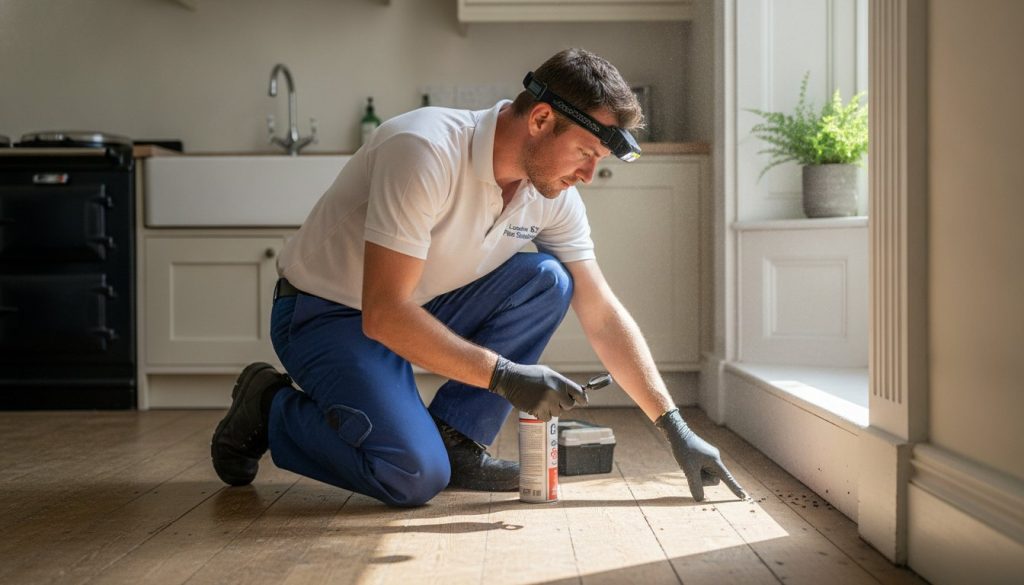
- Treating harbourage areas
- Reducing insect populations
- Applying safe, targeted treatments
This approach stops spiders from returning, rather than offering temporary relief.
Final Thoughts
Seeing a brown spider in your UK home can be alarming, but in most cases, there is no real danger. These spiders are shy, beneficial, and prefer to stay hidden. Bites are rare, symptoms are mild, and serious incidents are exceptionally uncommon.
That said, if spiders are taking over your home or causing anxiety, professional help ensures the problem is handled safely, discreetly, and effectively—giving you peace of mind and a spider-free living space.

Al Joel is a practical writer and long-term property maintenance specialist who focuses on real-world pest control, home safety, and prevention advice. His blog posts are written in a clear, no-nonsense style, based on hands-on experience rather than theory. Al’s goal is simple: to help homeowners make safe, informed decisions and know when DIY is reasonable and when professional help is the smarter option.