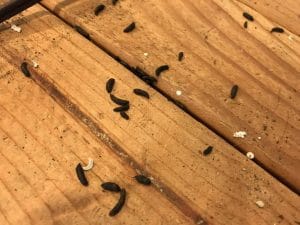
Ant Infestation in House UK: How to Identify and Get Rid of Them
Ants may seem harmless at first, but a full-blown ant infestation in house UK homes can quickly become a serious problem. These tiny invaders can:
-
Contaminate food in kitchens and pantries
-
Damage property by nesting in walls or under floors
-
Cause ongoing frustration if left unchecked
Many homeowners only notice ants when certain signs appear, such as:
-
Trails across kitchen counters or cupboards
-
Flying ants inside house during spring and summer
The key is early detection and swift action — addressing the problem quickly can prevent a minor nuisance from turning into a persistent infestation.
| Ant Problem | Signs to Watch For | Potential Damage | Urgency |
|---|---|---|---|
| House ants | Trails in kitchen, cupboards, pantry | Contaminated food, hidden colonies | 🟠 Medium–High |
| Flying ants | Swarms inside house, often near windows | Indicate mature colonies | 🟠 Medium–High |
| Ant nests in walls | Cracks or bulges, unusual activity | Structural damage, hard to treat | 🔴 High |
Common Types of Ants in UK Homes
-
Black garden ants – the most common household ant, usually harmless but can form large colonies indoors.
-
Pharaoh ants – tiny ants that can contaminate food and spread bacteria.
-
Carpenter ants – less common, but they can damage timber by creating nests inside walls.
Flying ants are usually reproductive males and queens leaving the colony to establish new nests. Spotting these in your home often signals a mature ant colony nearby.
How to Identify an Ant Infestation
Some signs that you might have an ant problem in your house:
-
Ant trails: Lines of ants moving across kitchen counters, floors, or cupboards.
-
Flying ants inside house: Swarms around windows or near light sources, especially in spring and summer.
-
Unusual wall activity: Small cracks, bulges, or holes where ants may have nested.
-
Food contamination: Ants around packaged food, crumbs, or sugary spills.
Even a few ants don’t mean the problem is minor. Often, colonies are hidden deep inside walls or under flooring, making DIY solutions ineffective.
Why Ants Invade UK Homes
Ants enter homes looking for:
-
Food sources such as sugar, crumbs, or pet food.
-
Moisture from leaks, sinks, or damp areas.
-
Warm shelter during colder months.
Spring and summer see spikes in searches like “how to get rid of ants UK” because ants swarm to establish new colonies and expand existing ones. Ignoring early signs only makes the infestation harder to control.
DIY Ant Control Methods
Many homeowners try to tackle ants themselves. Common approaches include:
-
Cleaning surfaces regularly to remove food residues and ant trails.
-
Sealing entry points like cracks and gaps around windows, doors, and walls.
-
Using ant baits which worker ants carry back to the colony, killing it gradually.
-
Natural remedies like vinegar, lemon juice, or peppermint oil to repel ants.
While these methods can reduce visible ants, they rarely eliminate the entire colony — especially if it’s inside walls or under floors.
When to Call a Professional
Professional pest control is often the fastest and most effective solution. A trained expert can:
-
Locate hidden colonies inside walls or under floors.
-
Use safe, targeted treatments to eliminate the entire colony.
-
Provide advice on preventing future infestations.
Companies like Panther Pest Control in the UK specialise in identifying ant nests and providing permanent solutions. They can tackle flying ants inside house issues and ensure your home stays ant-free.
Preventing Ant Infestations
Once your home is free from ants, prevention is key:
-
Keep food sealed in airtight containers.
-
Clean up spills immediately, especially sugary or sticky foods.
-
Fix leaks and damp areas to remove water sources.
-
Seal cracks and gaps around doors, windows, and walls.
-
Maintain outdoor areas by trimming vegetation away from walls.
Regular inspection and maintenance can drastically reduce the chances of ants returning.
Ant Problems to Watch For
-
Flying ants inside house: Signals a mature colony that may require professional removal.
-
Ant nest in wall: Hidden and difficult to treat with DIY methods; may require expert intervention.
-
Repeated infestations every spring/summer: Indicates persistent colonies nearby that need professional attention.
Even a few ants can point to a bigger problem lurking unseen.
Why Early Action Matters
Ignoring ants may seem harmless, but infestations can escalate quickly:
-
Structural damage in the case of wood-nesting species.
-
Contaminated food and hygiene risks.
-
Repeated seasonal invasions if nests are left untreated.
Professional intervention saves time, money, and ensures your home is safe from long-term damage.
Final Thoughts
Ant infestations in UK homes are surprisingly common, especially during spring and summer. From flying ants inside house to hidden nests in walls, early detection is key.
If you notice any signs, contacting experts like Panther Pest Control can:
-
Locate hidden nests
-
Remove colonies safely and effectively
-
Advise on prevention to avoid repeat infestations
Don’t wait until ants take over your home — fast action prevents long-term damage and ensures peace of mind.

Al Joel is a practical writer and long-term property maintenance specialist who focuses on real-world pest control, home safety, and prevention advice. His blog posts are written in a clear, no-nonsense style, based on hands-on experience rather than theory. Al’s goal is simple: to help homeowners make safe, informed decisions and know when DIY is reasonable and when professional help is the smarter option.