A Distressing Discovery in a Victorian Esher Terrace
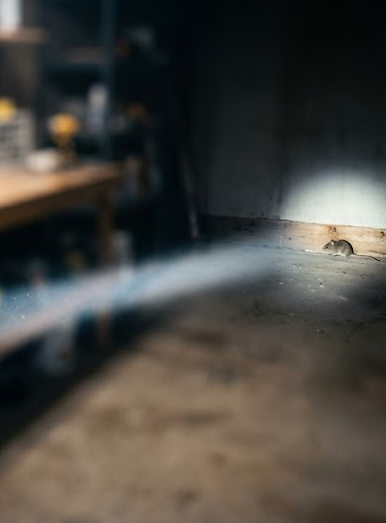
Mrs. Chapman, a long-term resident of a charming Victorian terrace on Lammas Lane, contacted us in a state of considerable distress one Tuesday morning. She had been hearing persistent scratching and squeaking sounds emanating from behind her kitchen kickboards for over a week. The final straw came when she pulled out the refrigerator to clean and discovered a nest of shredded newspaper, insulation fragments, and dozens of tiny dark droppings. Fearing for the hygiene of her kitchen and the safety of her visiting grandchildren, she urgently sought a solution from a local specialist who understood the quirks of Esher’s older housing stock.
Our Tailored Inspection and Diagnostic Approach
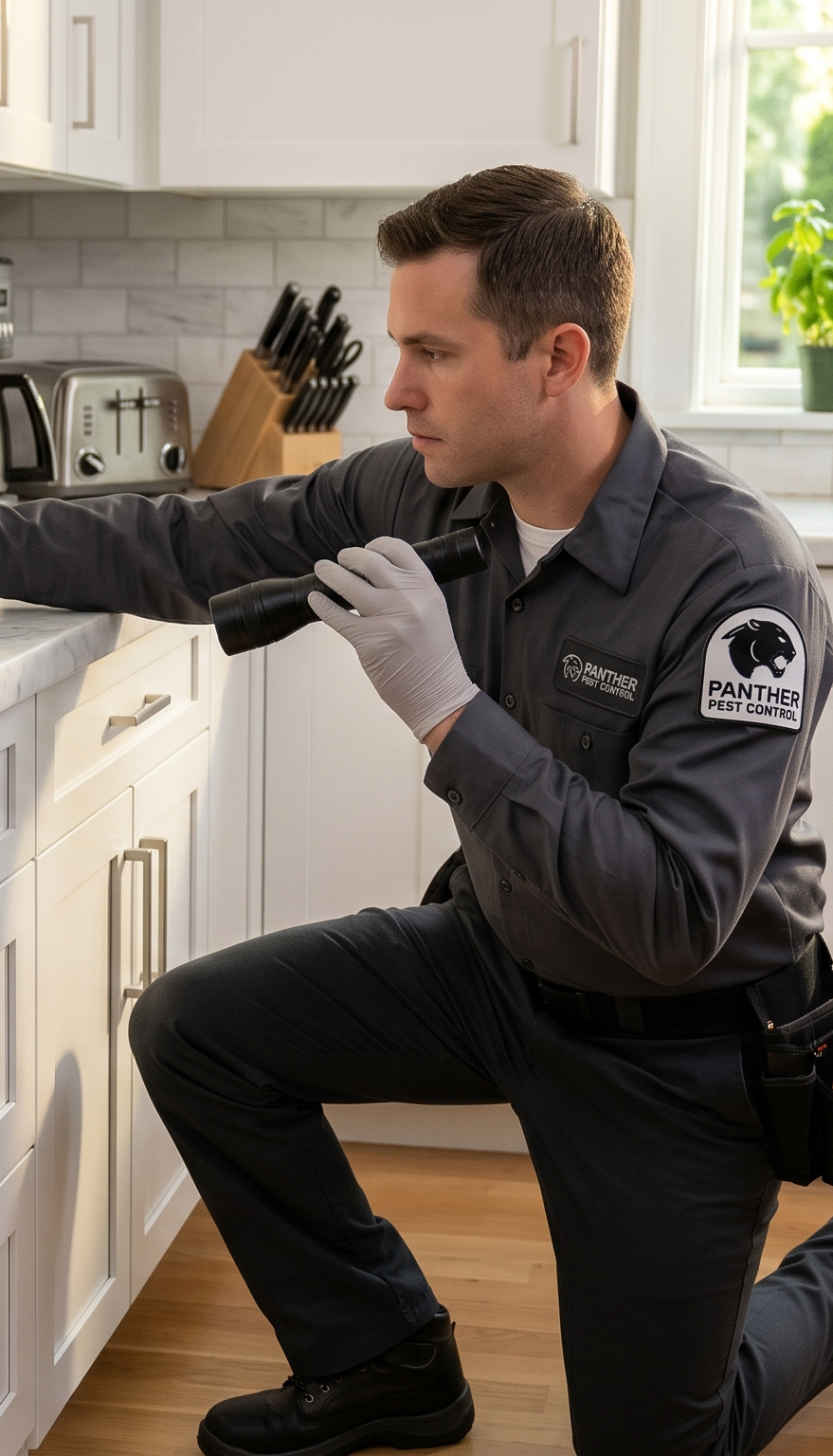
Arriving within three hours of the call, our senior pest technician conducted a forensic-level survey of the entire property’s exterior envelope and interior voids. Using a high-definition borescope inserted behind the kitchen cabinetry, we quickly identified a substantial house mouse infestation originating from a fractured air brick on the side return wall. Our assessment also revealed a secondary concern, a faint but distinct odour of decay near the under-stairs cupboard, suggesting at least one rodent had perished in a wall cavity after consuming bait laid by a previous contractor. We presented Mrs. Chapman with a clear, phased remediation strategy that would address both the live colony and the hidden carcass with minimal disruption to her beautifully decorated home.
Deploying Targeted Rodent Elimination Measures
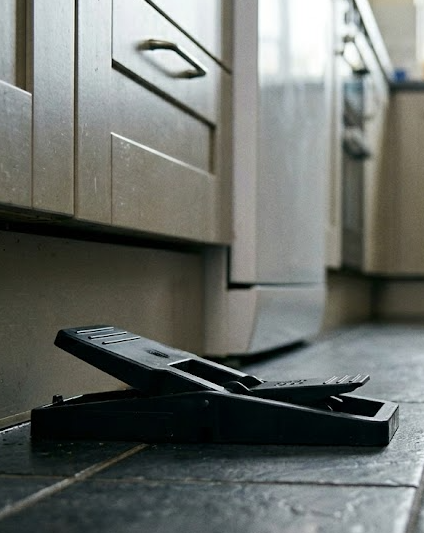
We immediately implemented a comprehensive mice control program tailored to the sensitive environment of an occupied family kitchen. Secure, tamper-proof bait stations containing a potent anticoagulant rodenticide were discreetly placed along established mouse runways behind integrated appliances and inside the under-stairs cupboard. We also applied professional-grade tracking dust to monitor movement patterns and confirm the exact extent of the infestation beneath the suspended timber floor. Simultaneously, our team sealed five exterior entry points, including the damaged air brick and a gaps around the waste pipe, using a robust mix of wire wool and quick-setting cement that mice cannot gnaw through.
Resolving the Hidden Carcass and Odour Problem
Once the tracking dust showed zero new activity for seventy-two hours, we turned our attention to the persistent smell that was now causing Mrs. Chapman considerable nausea and anxiety. Our technician used a thermal imaging camera to pinpoint the exact location of the decaying rodent wedged between a joist and the lath-and-plaster ceiling of the under-stairs space. Precision cutting of a small, concealed access panel allowed us to perform complete dead animal disposal, extracting the decomposed mouse along with contaminated insulation material. The entire void was then sterilised with a hospital-grade biocide, treated with an enzymatic digester to break down residual organic matter, and fogged with a vapour-phase odour counteractant that permanently neutralised the smell at a molecular level.
A Hygienic Home Restored and a Grateful Resident
Within ten days of her initial call, Mrs. Chapman’s kitchen was completely silent, the foul stench had vanished, and her peace of mind was fully restored. The discreetly cut access panel was finished so seamlessly by our recommended local joiner that it remained invisible to the untrained eye, preserving the integrity of her Victorian interiors. She expressed immense relief at being able to host her grandchildren for a long-planned birthday weekend without any embarrassment or health concerns. Our follow-up inspection at week three confirmed zero rodent activity, and we provided a detailed digital report documenting all proofing work completed, giving Mrs. Chapman total confidence that her cherished Esher home was protected for the long term.




 020 3404 5177