 020 3404 5177
Pest Control Conditions in Avery Hill
- Structural Entry Assessment – Inspect masonry cracks, utility penetrations, and roof junctions commonly found in Victorian conversions and mansion blocks where pests exploit hidden access routes.
- Void and Loft Monitoring – Evaluate loft insulation disturbance and ceiling void activity in high-ceilinged townhouses where rodents and insects establish concealed movement corridors.
- Shared Building Risk Mapping – Analyse riser cupboards, communal hallways, and service ducts in purpose-built flats to identify cross-unit infestation transmission points.
- Commercial Hygiene Pressure Points – Examine storage rooms, kitchen back areas, and waste disposal zones in office buildings where pest attraction is driven by food residue and humidity.
- Environmental Moisture Tracking – Measure damp zones and condensation-prone areas behind skirting boards and under floorboards, which accelerate pest breeding and nesting behaviour.
The Hidden Risks of Rodent Activity in Avery Hill Crawl Spaces

Basil Owen 
Excellent 5-star service from Georgi! Quick and efficient, was solution-focused as this was a mid-tenancy clean so had all my stuff in the flat still – he offered nothing but solutions, would 100% book him again!
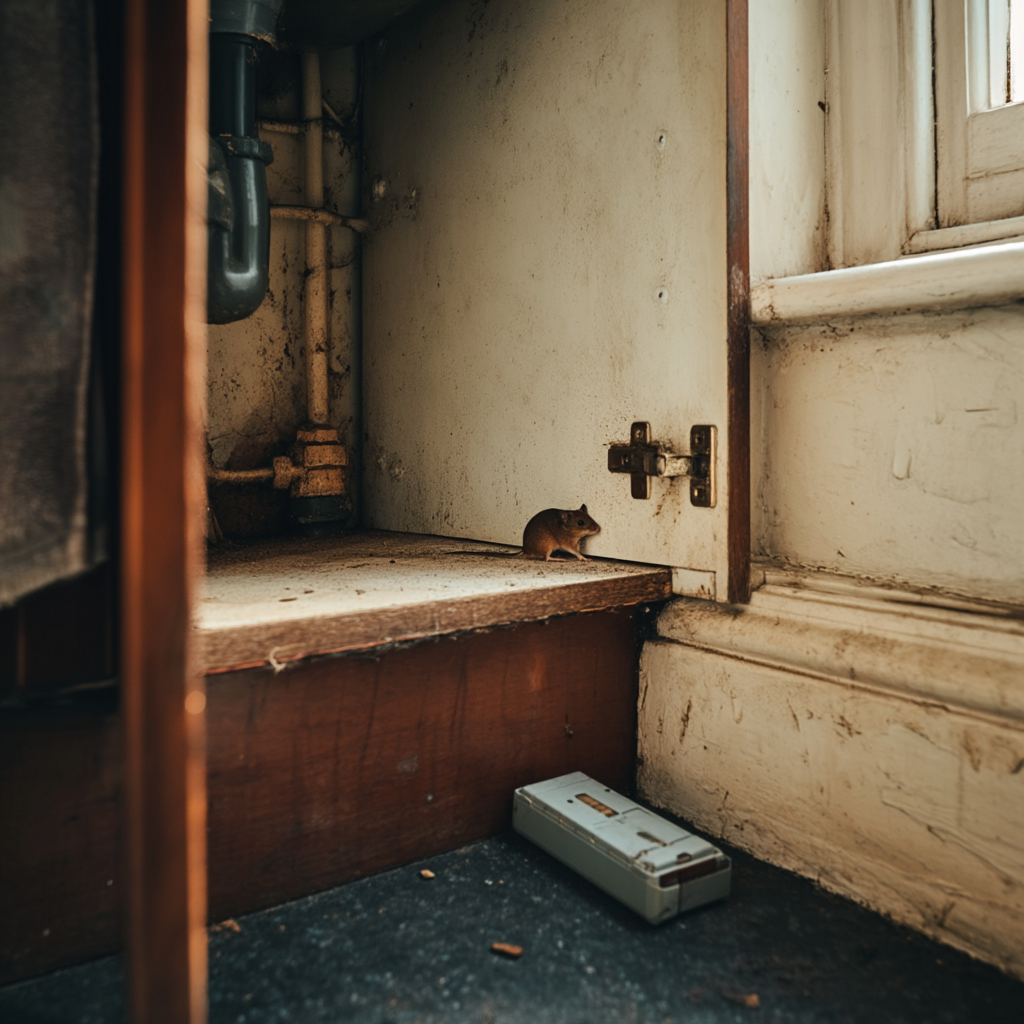
Rodent infestations in Avery Hill properties rarely begin in visible living areas, instead developing inside concealed structural zones where detection is delayed. Crawl spaces beneath Victorian conversions, mansion blocks, and high-ceilinged townhouses create stable, undisturbed environments where rats and mice establish nesting networks. Once inside, rodents exploit insulation layers and timber joists, causing progressive contamination through droppings, urine trails, and gnaw damage to electrical wiring and pipe insulation. At Panther Pest Control, our rodent control operations focus on early detection within these void systems, preventing structural deterioration and secondary infestations from developing across interconnected building areas.
Why Avery Hill Crawl Spaces Provide Ideal Rodent Conditions
Crawl spaces in Avery Hill properties often combine limited ventilation with irregular maintenance access, creating an environment that supports long-term rodent activity. In older residential builds, small masonry fractures and unsealed service penetrations allow continuous entry points that remain unnoticed during routine household checks. Once inside, rodents establish movement routes between floor voids and wall cavities, particularly in purpose-built flats where shared infrastructure allows rapid cross-unit spread. Food odours from kitchens and waste storage areas further intensify activity, encouraging rodents to travel repeatedly between feeding and nesting locations, reinforcing infestation cycles.
Operational Control Methods Used in Crawl Space Rodent Removal
Effective treatment requires structured inspection combined with targeted intervention rather than surface-level control measures. Technicians begin by mapping entry points using internal void tracing and identifying high-activity zones through droppings, grease marking, and gnaw evidence. Controlled bait placement and tamper-resistant systems are installed only after environmental assessment to avoid unnecessary disruption to non-target areas. In heavily affected properties such as commercial office buildings and shared mansion block basements, sealing protocols are applied alongside monitoring to ensure migration routes are fully interrupted. This staged approach ensures infestations are reduced at source rather than temporarily displaced.
The Impact of Rodent Infestations in Crawl Spaces on Property Safety
Structural Damage Caused by Rodent Activity in Crawl Spaces
Rodent infestations in crawl spaces present a direct threat to the structural integrity of properties across Avery Hill, particularly in older housing stock such as Victorian conversions, mansion blocks, and high-ceilinged townhouses. These underfloor environments contain timber joists, insulation layers, and concealed pipework that rodents routinely damage through gnawing and nesting behaviour. Over time, repeated activity weakens load-bearing timber and compromises insulation performance, resulting in heat loss and increased energy costs. In commercial office buildings, similar damage can disrupt cable pathways and service conduits, increasing maintenance complexity and repair frequency. At Panther Pest Control, our structural pest assessment process focuses on identifying these vulnerabilities early, ensuring that infestations are controlled before irreversible deterioration occurs within hidden building voids.
Health and Hygiene Risks Linked to Crawl Space Infestations
Rodent presence in crawl spaces creates ongoing contamination risks that extend beyond the affected void and into occupied living areas. Droppings, urine trails, and nesting debris can release airborne particles that circulate through floorboards, ventilation gaps, and service penetrations. In purpose-built flats, where shared structural systems connect multiple units, this can result in cross-contamination between households. Additionally, rodents often carry parasites and bacteria that increase the risk of secondary infestations, particularly where moisture levels are high and ventilation is limited. Kitchens and storage areas become secondary contamination zones when rodents migrate in search of food sources. Professional intervention is required to interrupt these cycles and prevent continued exposure within residential and commercial environments.


Diana Vogel
Booked property fumigation of an entire house and was quite happy with the service. I expected it to take much longer that it actually took, so that was a nice surprise. I will recommend to everyone needing the job done swiftly.
Prices And Deals from Panther Pest Control

Rodent Control Plans & Pricing in Avery Hill
Our rodent control plans include professional treatment and follow-up inspections to help eliminate rats and mice while reducing the risk of future infestations.
| 1-Month Plan | Price |
|---|---|
| 1-Bedroom Property | £205 |
| 2-Bedroom Property | £215 |
| 3-Bedroom Property | £240 |
Includes: Initial treatment plus one follow-up inspection within 30 days. Ideal for recent rodent activity.
| 3-Month Plan | Price |
|---|---|
| 1-Bedroom Property | £285 |
| 2-Bedroom Property | £295 |
| 3-Bedroom Property | £320 |
Includes: Initial treatment and two follow-up visits over three months. Recommended for persistent or recurring rodent infestations.
“`
What Our Customer Say`s
These are some of the responses from our customers who are very satisfied
Booked property fumigation of an entire house and was quite happy with the service. I expected it to take much longer that it actually took, so that was a nice surprise. I will recommend to everyone needing the job done swiftly.
I would have been nice if the world worked in a way that if you once get bed bugs and get rid of them they never reappear, but it doesn’t. I’ve had to call for bed bug treatment two times in the last five years and have trusted Panther Pest Control both times. They get the job done without any hassle, plus the prices are budget-friendly.
Excellent 5-star service from Georgi! Quick and efficient, was solution-focused as this was a mid-tenancy clean so had all my stuff in the flat still – he offered nothing but solutions, would 100% book him again!
Cockroaches were everywhere! It was terrifying! We must not have noticed the infestation at first because when we did see it it was a nightmare. We were so grossed out we called the first company that popped up online and booked an emergency service. We couldn’t be more grateful! Thank you!
The treatment was carried out in a professional manner and the technician answered all of my questions patiently. Thanks to their expertise, I can now enjoy a pest-free home. Highly recommend!
The pest infestation in our home went out of control completely. There were only spiders first but then we started seeing other crawling insects as well. Since the treatment was done, I haven’t noticed any invaders, yet!
Frequently Asked Questions
What should I do in case of a pest emergency?
Contact us immediately for emergency pest control services, and we will prioritize your situation.
Do you offer 24/7 pest control services in Avery Hill?
While our standard hours are during the day, we do offer emergency services outside of regular business hours.
Do you offer pest prevention plans?
Yes, we offer comprehensive pest prevention plans tailored to your property’s specific needs.
How can I get rid of pests permanently?
A combination of professional treatments and preventive measures can significantly reduce the chances of pests returning.
Are your technicians certified?
Yes, all our technicians are trained, certified, and stay updated with industry best practices.
Do you comply with local pest control regulations?
Yes, we strictly adhere to all local regulations and industry standards for pest control.
What is your policy on pest control warranties?
We offer warranties on our services, ensuring you receive follow-up treatments if pests return within the warranty period.
Panther Pest Control: Serving the Avery Hill Community
Meet Our Experts

Local Wasp and Insect Specialist in Avery Hill
Wasp activity can increase rapidly during the warmer months, particularly around lofts, rooflines, wall cavities and garden structures. Early intervention is often the safest and most effective way to prevent a small nest from developing into a larger infestation.
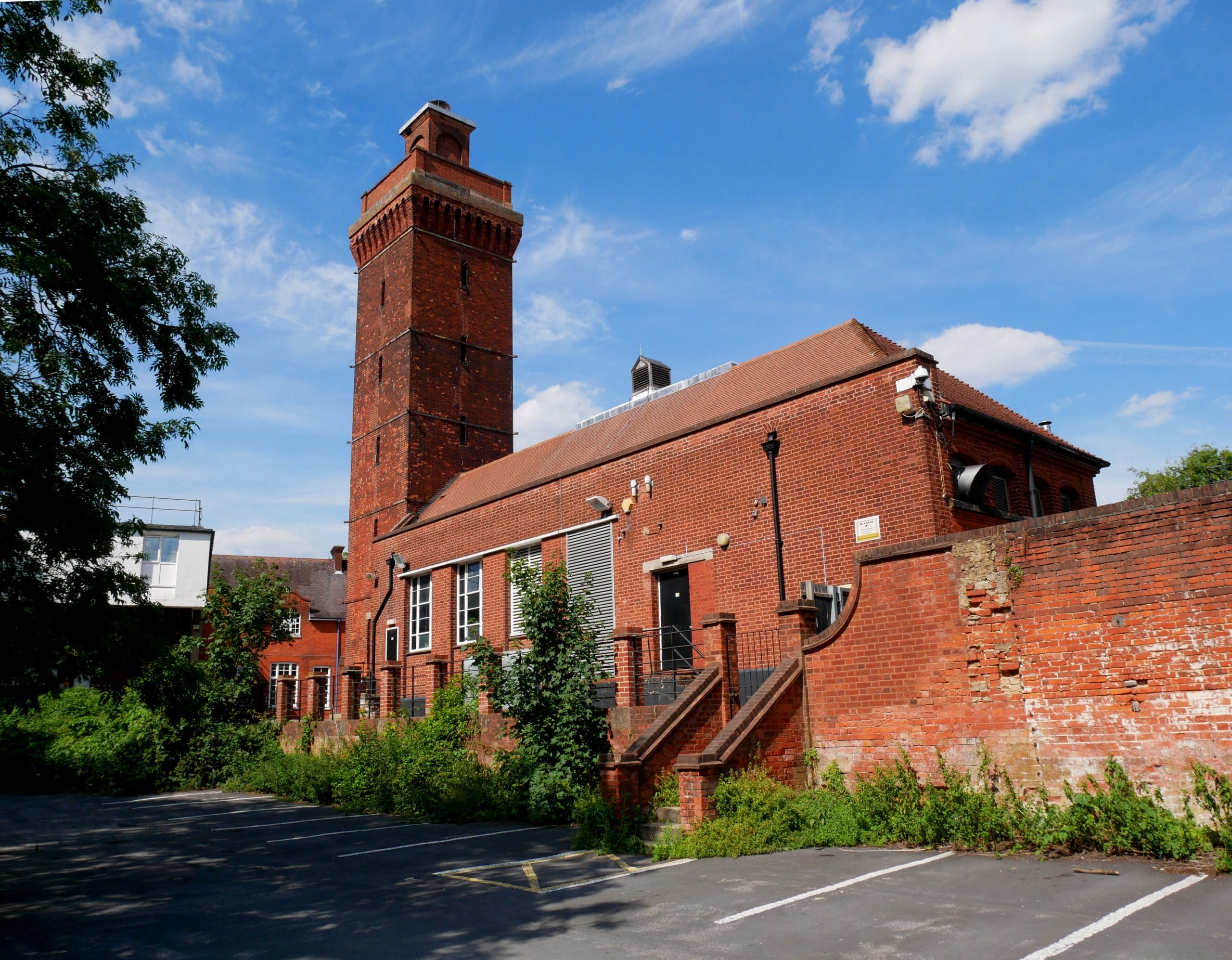
Alexander Clarke is one of Panther Pest Control’s experienced insect technicians, specialising in wasp nest treatments, flying insect control and the identification of active nesting sites. He has worked on a wide range of residential and commercial pest control projects throughout London and the surrounding areas.
🐾 Local pest pressure
Pest risk points near Avery Hill
Our pest control technicians regularly work across Avery Hill, covering homes, shops, commercial buildings, green spaces and busy local streets where pest activity can develop.
Residential streets
Homes & flats
Terraced houses, flats and converted buildings often need checks for mice, rats and insects.
Local coverage
Restaurants and shops
Commercial premises
Food waste, storage rooms and rear access points can increase pest pressure.
Business support
Gardens and bin areas
Outdoor risk points
Bins, gardens and shared outdoor spaces can attract rodents and seasonal insects.
Prevention advice
Blocks of flats
Shared buildings
Communal entrances, risers and service voids can allow pest movement between units.
Discreet visits
Lofts and wall voids
Entry points
Small gaps around pipes, rooflines and vents can allow mice, rats and squirrels inside.
Proofing checks
Nearby green spaces
Seasonal activity
Parks and overgrown areas can increase rodent, ant, flea and wasp activity in warmer months.
Seasonal risk
✓ Local technicians in Avery Hill
✓ Same-day pest control visits
✓ Rodent, insect & bird proofing
✓ Discreet treatment for homes & businesses
Local pest knowledge matters. We consider nearby food sources, gardens,
transport links, building type and access points around Avery Hill before recommending treatment.
Pest Control Avery Hill
Postcode coverage: SE9
Other locations we cover nearby: Avery Hill
Emergency Rodent Treatment in a Challenging Avery Hill Property
The emergency rodent treatment in Avery Hill took place on 19 March 2026 at a residential property with a lower-ground crawl space that had been left unchecked for some time. The home itself was a typical mixed layout found in the area, combining older Victorian conversion structure with more recent internal refurbishment. It included two bedrooms, a living room, kitchen, bathroom, and a narrow hallway leading down to the crawl space access point. On arrival, there were already subtle indicators that something was wrong, including faint odours in the lower hallway and slight movement felt through sections of the flooring above the void.
Once access to the crawl space was gained, the scale of the issue became clearer. Rodent activity was concentrated along insulation runs and timber joists, with droppings and gnaw marks confirming established movement rather than a recent entry. The most difficult aspect of the job was the restricted access combined with multiple unsealed service entry points, which allowed rodents to travel freely between the crawl space and kitchen voids. In properties like this, especially where structural gaps have developed over time, activity often spreads silently through concealed routes before any surface signs become obvious, making early intervention critical.
The approach focused on carefully mapping the movement pattern before any treatment was introduced. Rather than applying broad measures, the inspection targeted specific activity corridors within the void, particularly around pipework junctions and weak masonry points. Entry points were then sealed in stages to prevent displacement into other hidden areas of the building. This kind of structured control is necessary in older Avery Hill properties, where disturbed infestations can easily relocate deeper into wall cavities if handled without precision. The process required steady sequencing to ensure the activity was contained rather than scattered.
After treatment, follow-up checks confirmed that rodent movement had stopped within both the crawl space and adjoining kitchen void areas. The odour that had initially been noticeable in the hallway also reduced significantly once contaminated nesting material was cleared and airflow was restored. No further signs of activity were found during monitoring, and the property returned to a stable condition suitable for normal use. Situations like this highlight how quickly hidden infestations can escalate in underfloor spaces when not addressed at the structural level.
In cases involving crawl spaces and older building layouts, early inspection remains the most effective way to prevent widespread damage. At Panther Pest Control, emergency rodent work is approached with a focus on tracing the source rather than just the symptoms, ensuring that infestations are resolved at the point of entry. Properties showing unexplained noises, odours, or floor movement benefit from immediate assessment before activity spreads further into the structure.
Request a free quote
Contact us today to request your free, no-obligation quote and take the first step toward a pest-free environment.
Contact us
"*" indicates required fields
